
Many buyers want to enter cordless tools1. But they worry about stock, certification, and slow sales. I see this problem often when I talk with importers in Germany and Italy.
I test the cordless tool market with small steps. I use low MOQ, simple product lines, and a stable battery system. This way I reduce risk and still learn fast from real sales.
I remember one client from Spain. He had strong sales in garden tools but no experience with lithium tools. He did not want to take big risks. We started small. That decision helped him grow step by step.
What Are the Safest Ways to Test the Cordless Tool Market?
Many buyers rush into large orders. Then they face slow sales and cash pressure. I have seen this many times.
The safest way is to start small, choose simple products, and test real demand before scaling. This reduces financial risk and gives clear market feedback.

Start With Simple SKUs
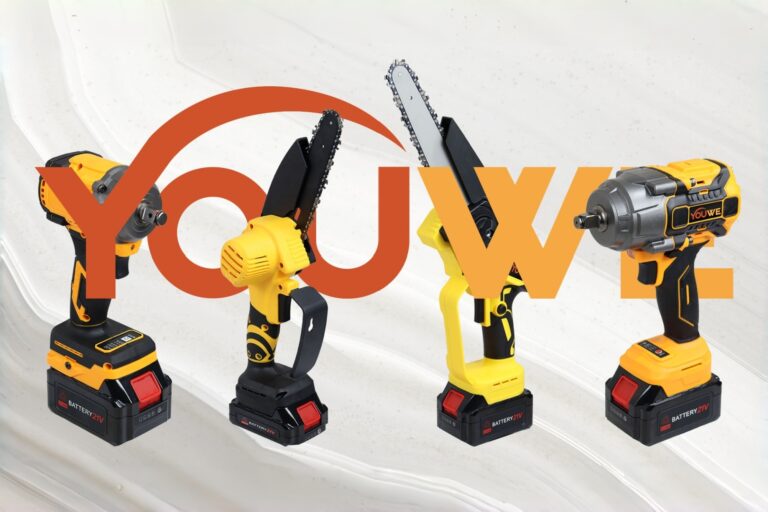
I always suggest starting with 2 to 4 products. These should be easy to sell. For example, cordless drill, chainsaw, and blower. These tools have stable demand in Europe.
Complex product lines create confusion. They also increase stock pressure. A small range is easier to manage.
Focus on Real Sales Channels
I ask my clients one question. Where will you sell first? Online or offline?
Each channel needs a different product mix2. Amazon sellers need light and compact tools. Distributors need full kits.
Control Initial Investment
I advise buyers to set a clear budget. Do not spend too much in the first order.
| Factor | Low Risk Approach | High Risk Approach |
|---|---|---|
| SKU Count | 2-4 models | 10+ models |
| Order Size | Small batch | Full container |
| Battery System | Single platform | Multiple systems |
| Market Focus | One country | Multiple markets |
I once worked with a client in Poland. He tested only one drill model first. He sold out in 45 days. Then he expanded.
How Can Small Orders and Low MOQ Reduce Your Risk?
Many buyers think small orders mean higher cost. That is true. But the real risk is unsold stock.
Low MOQ helps you test demand with less cash. It gives flexibility and reduces inventory pressure in early stages.
Cash Flow Protection
I always say this. Cash flow is more important than unit cost.
If you order too much, your money stays in the warehouse. That is dangerous for new projects.
Faster Market Feedback
Small orders move faster. You can see which product sells well.
You can adjust quickly. This is very important in new markets.
Flexible Product Adjustment
Low MOQ allows testing different designs.
| Strategy | Benefit |
|---|---|
| Small batch | Less risk |
| Multiple trials | Better data |
| Quick reorder | Faster growth |
One client from Italy tested two chainsaw models. One sold well. One did not. He stopped the weak model quickly.
Why Is Choosing the Right Product Line Critical for Market Testing?
Some buyers choose too many products. Others choose the wrong ones. Both create problems.
The right product line should be simple, high demand, and easy to understand. This makes testing faster and safer.
Avoid Complex Products
I do not suggest starting with high-end tools. These need strong after-sales support.
Simple tools are easier to sell and explain.
Choose High Rotation Products
Fast-moving tools give quick results.
| Product | Demand Level | Entry Difficulty |
|---|---|---|
| Drill | High | Low |
| Chainsaw | High | Medium |
| Hedge Trimmer | Medium | Medium |
| Rotary Hammer | Medium | High |
Match Your Market
Germany prefers certified tools. Spain focuses on price. Italy cares about design.
I always adjust product mix based on country.
How Does a Unified Battery Platform Help You Minimize Inventory Risk?
Battery systems confuse many new buyers. Different batteries create big problems.
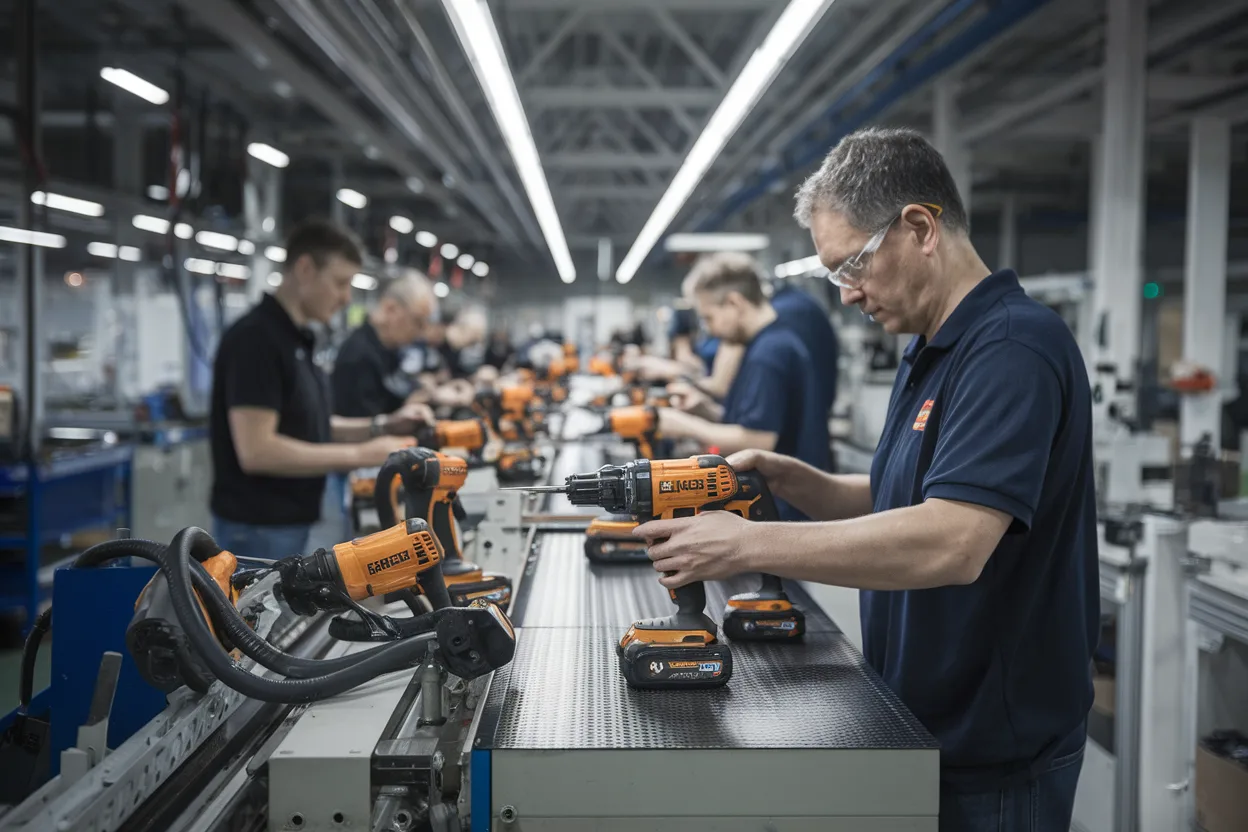
A unified battery platform reduces SKU complexity, lowers stock cost, and improves cross-selling.
Reduce SKU Complexity
One battery can support many tools.
This means fewer items to manage.
Improve Inventory Turnover
Shared batteries move faster.
You do not need to stock many types.
Lower Cost Over Time
| Battery Strategy | Result |
|---|---|
| Single platform | Lower stock |
| Multiple systems | High cost |
| Shared chargers | Better efficiency |
I helped a client in France switch to one battery system. His stock cost dropped by 30%.
What Supplier Capabilities Reduce Risk in Early-Stage Orders?
Many buyers only look at price. That is a mistake.
A strong supplier reduces risk by offering stable quality, certification support, and flexible production.
Certification Support
Europe needs CE, GS, EMC.
Without these, you cannot sell.
Stable Quality Control
Quality issues damage your brand.
I always check factory testing process.
Flexible Production
| Capability | Why It Matters |
|---|---|
| Low MOQ | Reduce risk |
| Fast samples | Quick testing |
| Stable lead time | Reliable supply |
I once saw a buyer lose a season because of late delivery. That cost more than any price difference.
How to Validate Market Demand Before Scaling Up?
Many buyers scale too early. Then they face slow sales.
You should validate demand with small orders, real sales data, and customer feedback before scaling.
Use Real Sales Data
Do not rely on assumptions.
Use actual orders and feedback.
Test Multiple Channels
Online and offline give different results.
Measure Key Metrics
| Metric | Meaning |
|---|---|
| Sell-through rate | Demand strength |
| Return rate | Product issues |
| Customer feedback | Market fit |
I worked with a client in Germany. He tested online first. Then he expanded to retail.
What Are the Most Common Mistakes When Testing a New Tool Market?
I see the same mistakes again and again.
The biggest mistakes are over-investing, choosing too many products, and ignoring battery systems.
Overstocking
Too much stock kills cash flow3.
Wrong Product Mix
Too complex or low demand products slow sales.
Ignoring Compliance
| Mistake | Result |
|---|---|
| No certification | Cannot sell |
| Poor quality | Returns increase |
| No battery plan | Inventory chaos |
I always tell new buyers. Slow is fast in the beginning.
When Is the Right Time to Scale Your Cordless Tool Business?
Scaling too early is risky. Scaling too late misses opportunities.
You should scale when you have stable sales, clear demand, and reliable supply support.
Stable Sales Data
You need consistent orders.
Clear Product Winners
Focus on best-selling models.
Strong Supply Chain
| Signal | Meaning |
|---|---|
| Repeat orders | Market acceptance |
| Low returns | Good quality |
| Fast restock | Strong supplier |
I usually suggest scaling after 2 to 3 successful cycles.
Conclusion
I always tell my clients to start small and learn fast. The cordless tool market rewards careful steps. If you control risk early, growth becomes much easier later.
-
Explore the advantages of cordless tools, including convenience and portability, to enhance your understanding of this market. ↩
-
Discover strategies for selecting the right product mix to meet market demand and drive sales. ↩
-
Understand the critical role of cash flow in maintaining business operations and avoiding financial pitfalls. ↩