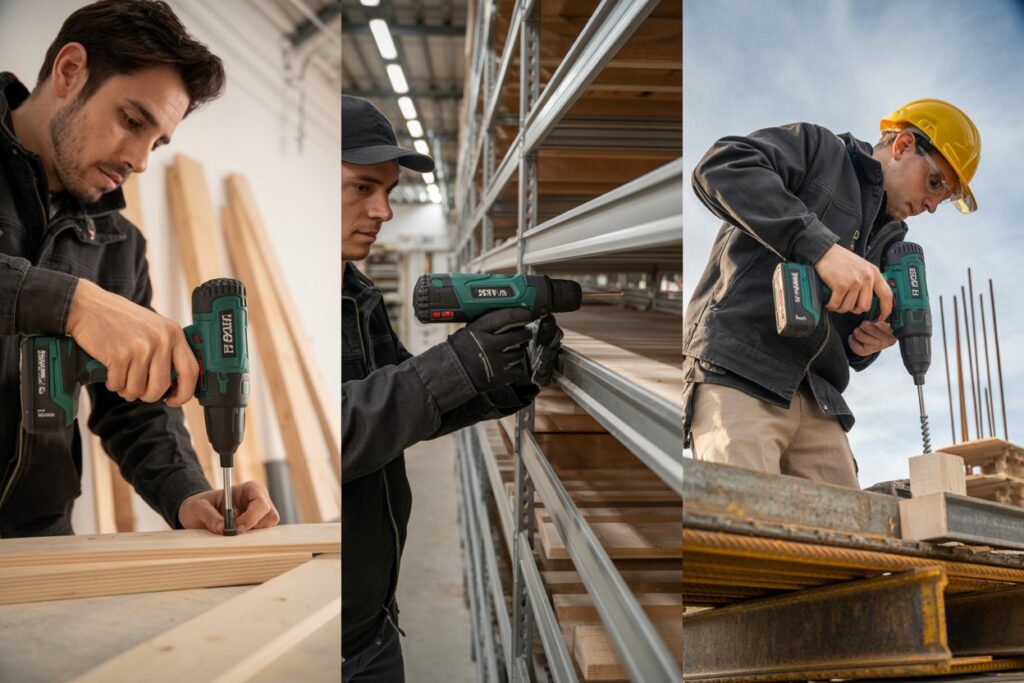
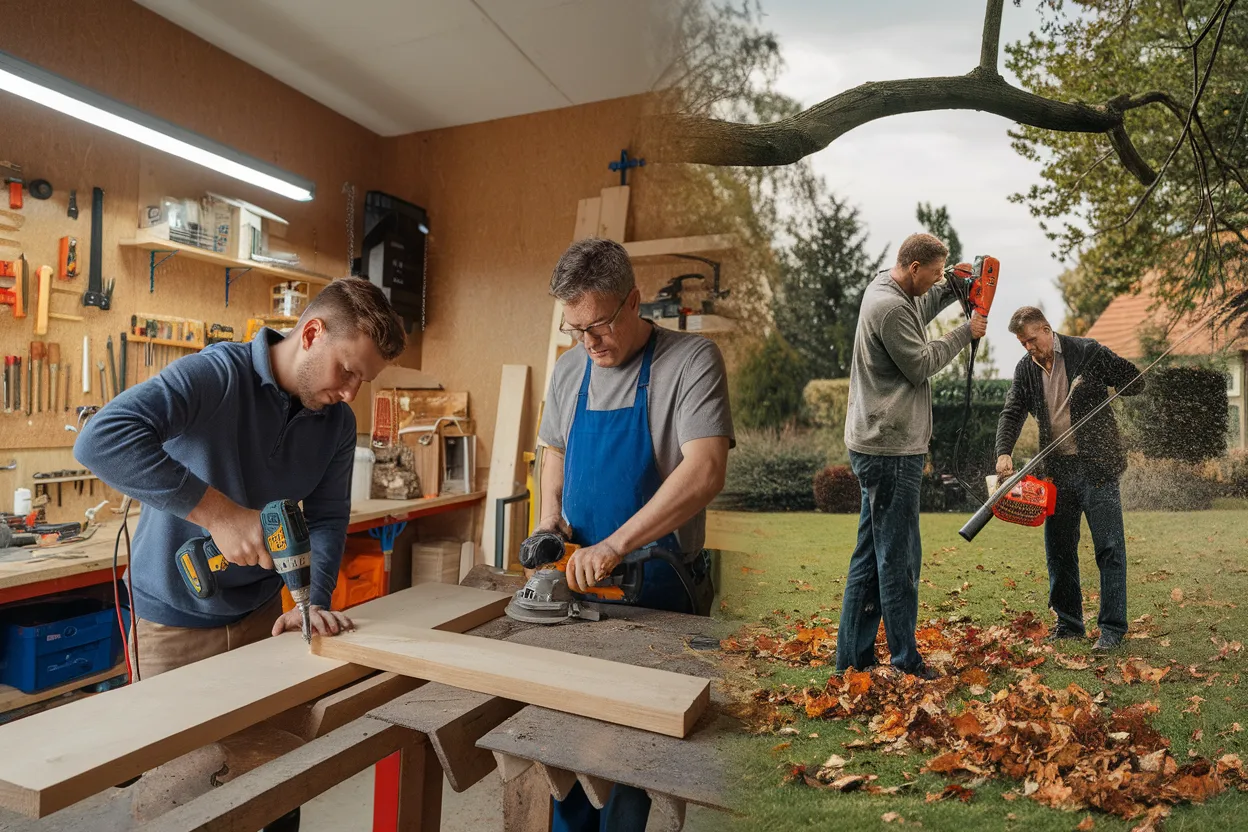
Many buyers want to enter cordless tools1. They feel unsure. They do not know which products to start with. A wrong first step can waste money and time.
I believe the first 5 cordless tools define your brand direction, cost structure, and future expansion. You should not choose randomly. You should choose based on battery platform, demand stability, and category balance.
I have worked with importers from Germany, Italy, and Spain. Many of them started small. Some succeeded fast. Some failed early. The difference often came from their first 5 products.

Why choosing the right first tools matters?
Many buyers think any popular tool will sell. This idea creates problems later. I have seen brands restart after one year.
Your first tools decide your battery system, your cost structure, and your product expansion path. A wrong choice increases risk and limits future growth.
Battery platform locks your future
I always tell my clients this. The first tool is not just a tool. It is the start of a system.
If you choose random voltage levels, you create problems:
- Different chargers
- Different batteries
- Higher stock cost
- Confusing product line
Most European buyers now prefer:
- 21V platform for power tools
- 40V platform for garden tools
This is not about power only. This is about system logic.
Cost structure starts from the first SKU
I once worked with a client from Spain. He started with only one impact wrench. Sales were good. But his margin was low.
Why?
Because:
- No shared battery cost
- No accessory cross-selling
- No bundle strategy
| Factor | Single Tool Start | System Start |
|---|---|---|
| Battery cost | High per unit | Lower shared cost |
| SKU expansion | Difficult | Easy |
| Brand image | Weak | Strong |
| Profit margin | Limited | Scalable |
Certification and compliance impact
Europe buyers must think about:
- CE
- EMC
- RoHS
If your first products are complex, certification cost increases.
I usually suggest starting with:
- Stable designs
- Proven models
- Low certification risk
This reduces entry pressure.
What makes a good starter cordless tool lineup?
Some buyers choose tools based on trend. I do not agree with this. A good lineup follows clear logic.
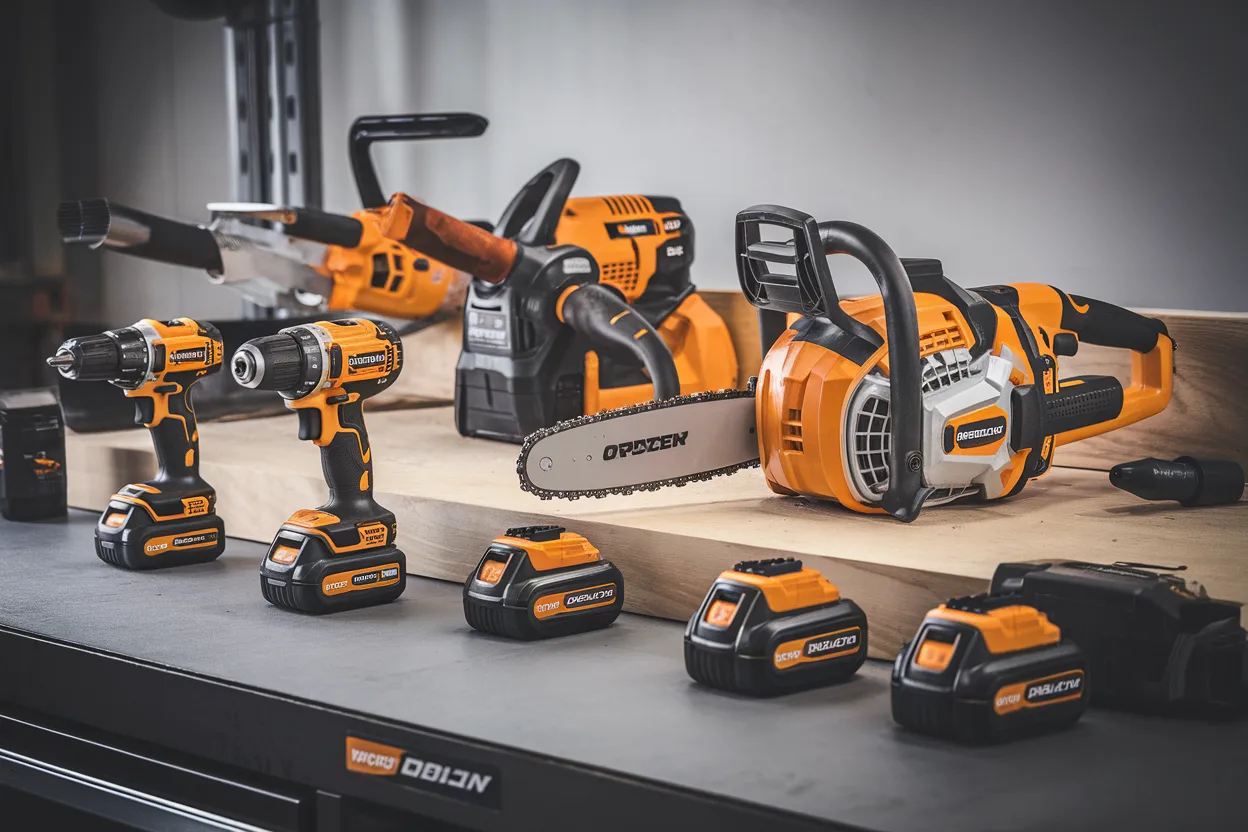
A good starter lineup should share one battery platform, cover basic use cases, and include both high-demand and stable-demand tools. It should also allow easy expansion.
Shared battery system
I always design the first lineup around one battery.
Example:
- 21V battery for all tools
This creates:
- Lower cost
- Easier marketing
- Stronger brand identity
Mix of demand types
Not all tools behave the same in the market.
Some tools:
- Sell fast but unstable
- Depend on season
Some tools:
- Sell slower but stable
- Build long-term demand
| Tool Type | Demand Pattern | Risk Level |
|---|---|---|
| Drill | Stable | Low |
| Angle grinder | Stable | Low |
| Chainsaw | Seasonal | Medium |
| Blower | Seasonal | Medium |
A good lineup mixes both types.
Simple and proven designs
I suggest avoiding complex tools at the beginning.
Why?
Because:
- After-sales risk is lower
- Spare parts are easier
- Quality control is stable
This is very important for new brands.
Which 5 cordless tools are best to launch first?
Many buyers ask me this question. They want a clear answer.
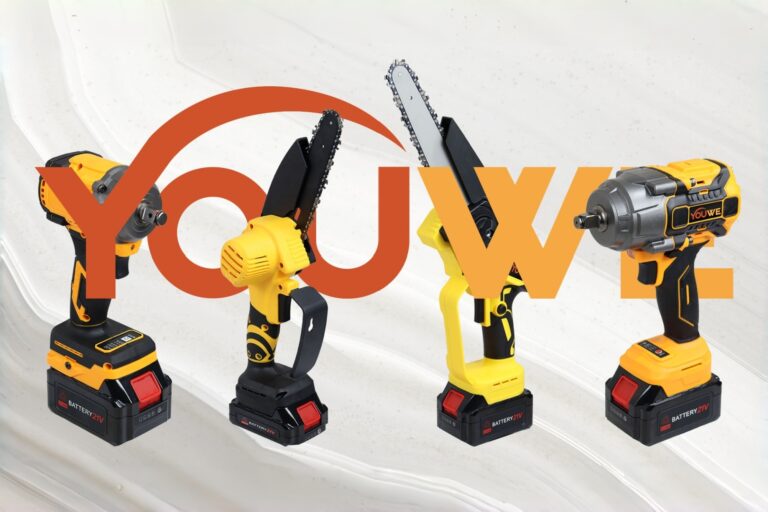
I usually suggest starting with 5 tools: drill, impact wrench, angle grinder, chainsaw, and blower. These tools cover core use cases and support cross-selling.
Core power tools
These tools build your base.
- Cordless drill
- Impact wrench
- Angle grinder
They are:
- High demand
- Used in many industries
- Easy to sell in Europe
Entry garden tools
These tools expand your category.
- Chainsaw
- Blower
They are:
- Good for seasonal sales
- Easy to bundle
- Popular in Italy and Germany
Balanced starter set
| Tool | Category | Reason |
|---|---|---|
| Drill | Power tool | Daily use |
| Impact wrench | Power tool | High torque demand |
| Angle grinder | Power tool | Multi-use |
| Chainsaw | Garden tool | Strong seasonal demand |
| Blower | Garden tool | Easy entry product |
This mix works well for new brands.
How to balance product categories?
Some buyers focus only on one category. This creates risk.
You should balance power tools and garden tools. This reduces season risk and improves sales stability.
Seasonal vs stable products
Garden tools depend on season.
Power tools sell all year.
If you only sell garden tools:
- Winter sales drop
If you only sell power tools:
- You miss seasonal peaks
Sales channel differences
In Europe:
- Hardware stores prefer power tools
- Garden centers prefer garden tools
If you offer both:
- You enter more channels
Inventory balance
| Category | Inventory Risk | Sales Stability |
|---|---|---|
| Power tools | Low | High |
| Garden tools | Medium | Medium |
Balancing both reduces overall risk.
Common mistakes new brands make?
I have seen many mistakes. Most of them are avoidable.
New brands often choose too many SKUs, mix battery systems, or focus only on price. These mistakes increase risk and reduce long-term growth.
Too many products at the start
Some buyers launch 10 or more tools.
This creates:
- Stock pressure
- Quality issues
- Slow turnover
I always suggest starting with 3 to 5 tools.
Ignoring battery compatibility
This is the biggest mistake.
Different batteries mean:
- Higher cost
- Poor user experience
- Weak brand system
Chasing low price only
Low price sounds good. But it creates problems:
- Low margin
- Poor quality perception
- Difficult brand positioning
| Mistake | Result |
|---|---|
| Too many SKUs | Cash pressure |
| Mixed battery | System failure |
| Low price focus | Weak brand |
How to expand after your first launch?
Many buyers feel stuck after the first launch. They do not know what to do next.
After your first launch, you should expand around your battery platform, not randomly. Add tools that share parts and target the same users.
Expand by user scenario
Think about how users work.
Example:
- Drill user may need grinder
- Chainsaw user may need pruner
This creates natural expansion.
Add mid-level tools
After entry tools, add:
- Rotary hammer
- Hedge trimmer
- Reciprocating saw
These increase value.
Build product bundles
| Bundle Type | Example |
|---|---|
| Starter kit | Drill + battery |
| Combo kit | Drill + grinder |
| Garden kit | Chainsaw + blower |
Bundles increase order size.
How an OEM partner can help you build your lineup?
Many buyers try to do everything alone. This increases risk.
A good OEM partner helps you choose the right tools, control quality, manage certification, and build a scalable battery platform.
Product selection support
I often guide clients to avoid wrong choices.
I suggest:
- Proven models
- Market-tested tools
- Balanced lineup
Certification and compliance
For Europe:
- CE
- EMC
- RoHS
We provide full documents.
This reduces import risk.
Supply chain and lead time
| Item | Typical Time |
|---|---|
| Sample | 7 to 15 days |
| Production | 30 to 45 days |
| OEM customization | Flexible |
Stable supply is key.
Conclusion
I believe the first 5 tools are not just products. They are your system base. If you choose carefully, you reduce risk and build long-term growth. If you feel unsure, I am always open to share what I have learned from real projects.
-
Explore this resource to find the top-rated cordless tools that are perfect for new users. ↩