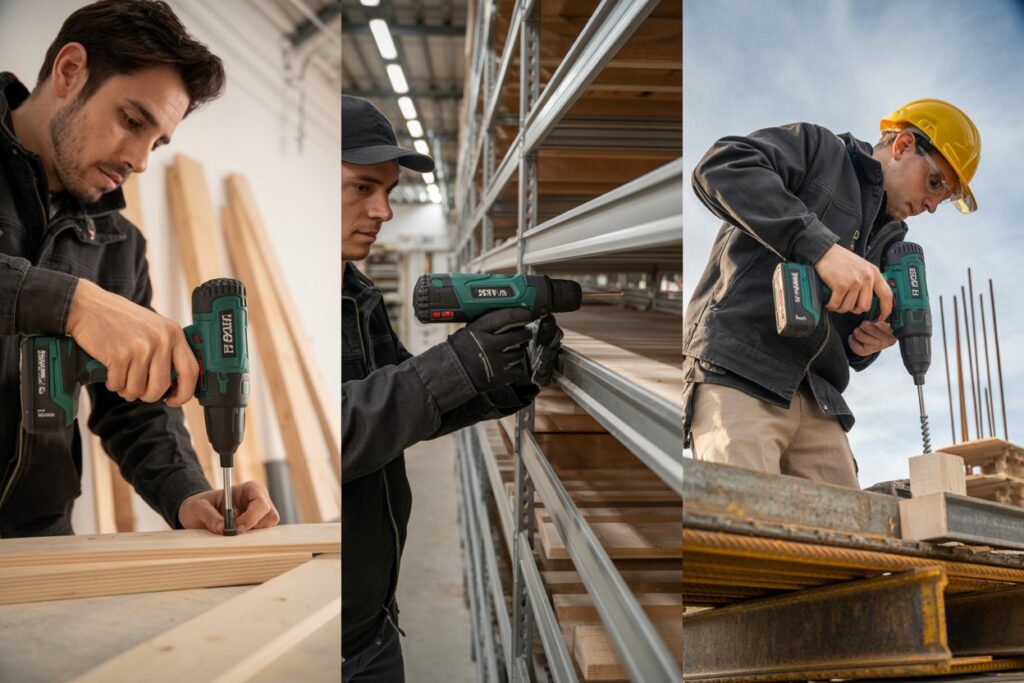
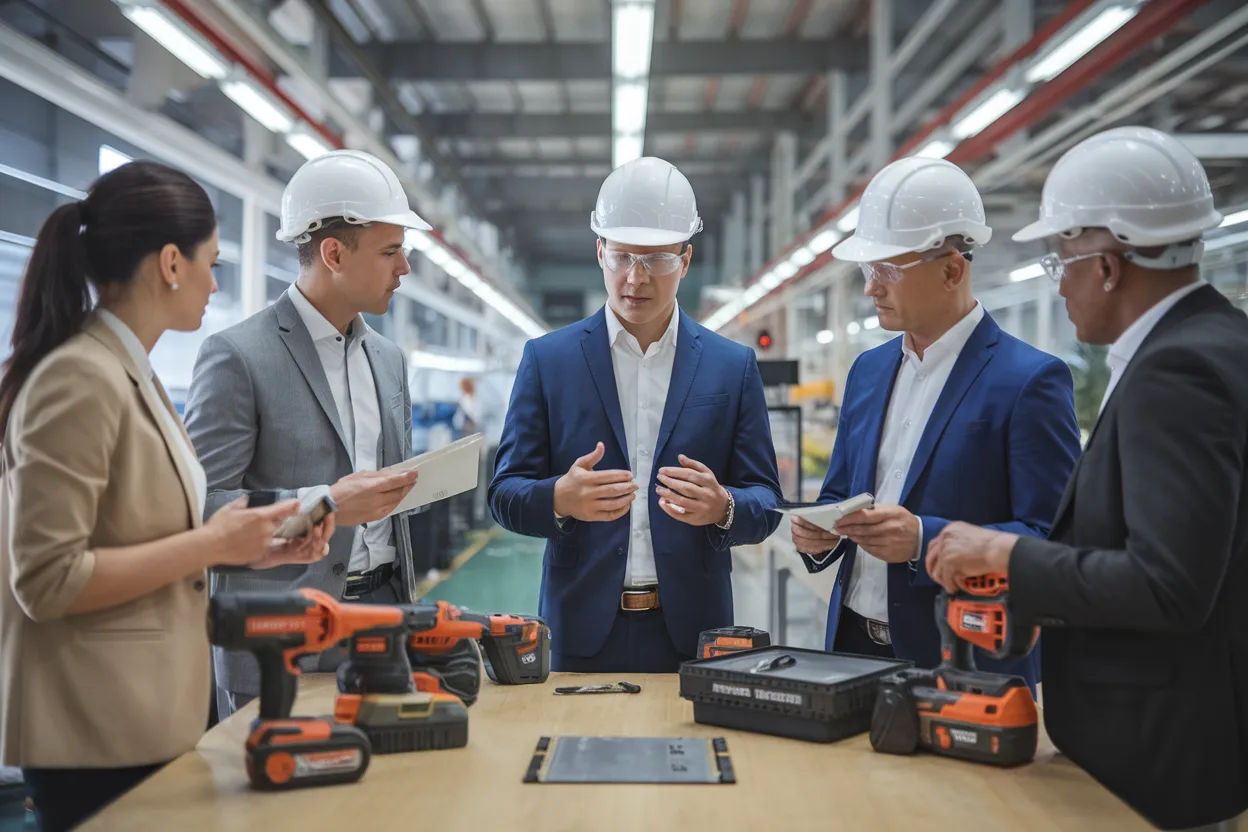
I often see buyers focus on single best-selling tools1. They push drills, grinders, or saws one by one. This creates short-term sales but long-term system problems in their brand structure.
I believe a battery platform is more important than individual best-selling tools because it connects all tools into one system. It reduces cost, improves consistency, and builds a scalable product line for long-term growth.
I have worked with many importers from Germany, Italy, and Spain. They often start with three strong SKUs. After one year, they face inventory pressure2 and battery confusion. At that point, they start to rethink their strategy.
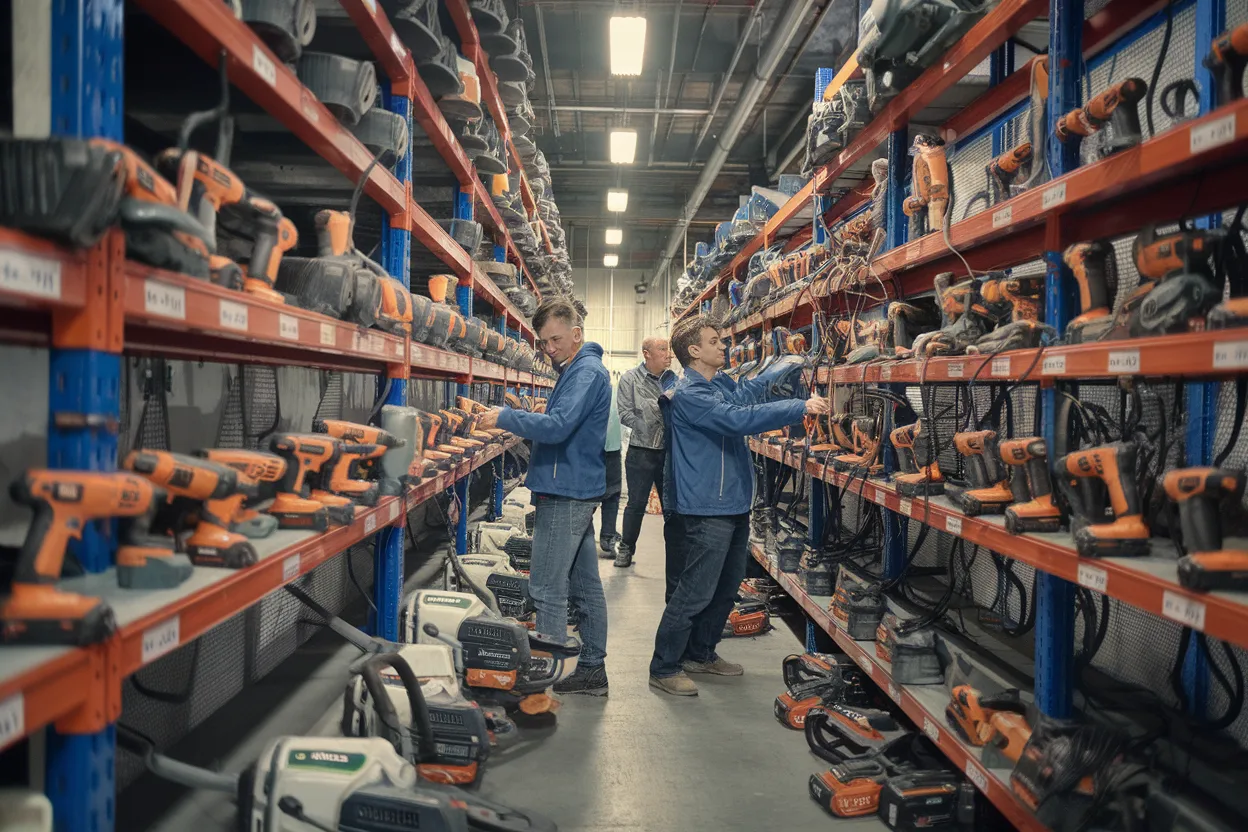
Why best-selling tools alone are not enough?
Many buyers start with a simple idea. They think one strong drill or one strong chainsaw can build a brand. I understand this thinking. It looks simple and safe at the beginning.
Best-selling tools alone are not enough because they do not create a system. Each tool becomes a separate product with separate batteries, costs, and marketing efforts.
In my experience, this creates hidden problems3 after the first sales wave. Buyers often face these issues:
- Too many different batteries in stock
- High after-sales confusion
- Weak cross-selling between tools
- Higher packaging and certification cost per SKU
Inventory pressure problem
When each tool uses a different battery, warehouse cost increases. One German distributor told me he had 7 different chargers for 9 SKUs. This created confusion in his retail channel.
Marketing fragmentation
Each tool needs separate content. Each tool needs separate positioning. This increases marketing cost and slows brand growth.
| Problem | Single Tool Strategy | Platform Strategy |
|---|---|---|
| Battery system | Mixed | Unified |
| Inventory | High complexity | Controlled |
| Branding | Fragmented | Consistent |
Many buyers only see sales numbers. I often remind them that sales without structure will create future cost pressure.
What a battery platform really means?
Many buyers misunderstand this concept. They think a battery platform4 is just one battery size. This is not correct.
A battery platform means one unified energy system that supports multiple tools with shared voltage, design logic, and charging structure.
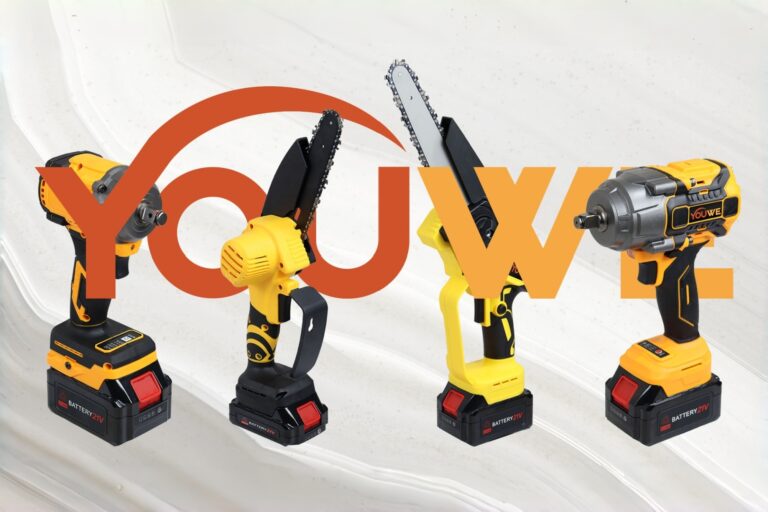
In YOUWE, I often explain it in a simple way. One battery should power many tools. One charger should support all SKUs. One system should reduce complexity.
Technical structure of platform
A real platform includes:
- 21V or 40V unified system
- Same battery interface across tools
- Compatible charger design
- Shared BMS protection logic
OEM buyer misunderstanding
Many OEM buyers5 in Europe think platform is only for large brands. I do not agree. Even small brands can start with a basic platform strategy6.
| Element | Non-platform approach | Platform approach |
|---|---|---|
| Battery | Different per tool | Same across tools |
| Charger | Multiple types | One system |
| SKU expansion | Hard | Easy |
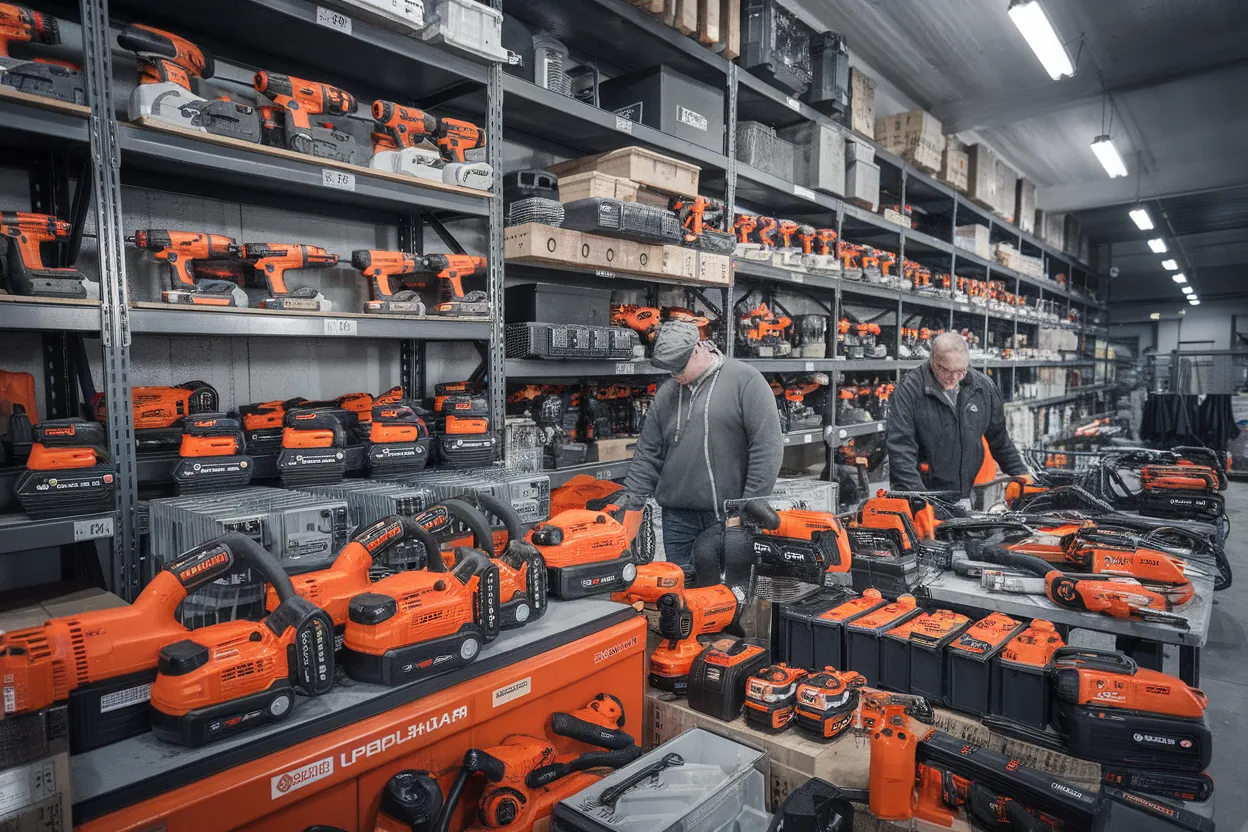
A platform is not about technology only. It is about reducing future decision cost.
How battery platforms create scalable tool ecosystems?
I often see brands stuck at 3 to 5 SKUs. They want to grow, but they cannot expand fast. The reason is system limitation7.
Battery platforms create scalable ecosystems because they allow new tools to enter the lineup without rebuilding the entire system.
When I work with distributors in Poland and France, I always suggest starting with one platform first. Then expand step by step.
Expansion logic
A platform allows this sequence:
- Start with drill + battery
- Add grinder without new battery design
- Add blower using same system
- Expand to garden tools easily
Real market example
One Spanish importer started with 2 tools. After switching to platform thinking, he expanded to 11 SKUs in 18 months. He did not change battery system once.
| Stage | SKU count | System type | Growth speed |
|---|---|---|---|
| Start | 2 | Mixed | Slow |
| Growth | 6 | Partial platform | Medium |
| Scale | 11 | Full platform | Fast |
A platform allows a brand to grow without breaking structure.
Why platforms reduce cost and complexity?
Cost is not only production cost. I always tell buyers that complexity is the hidden cost.
Battery platforms reduce cost and complexity because they simplify production, logistics, and after-sales systems.
In my factory experience, complexity is the real problem, not unit price.
Production efficiency
One platform means:
- Same battery line production
- Same charger tooling
- Less assembly variation
After-sales reduction
Support teams handle fewer cases because:
- Same charger works for all tools
- Same battery replacement process
- Fewer compatibility issues
| Area | Non-platform | Platform |
|---|---|---|
| Production | High variation | Standardized |
| Spare parts | Many types | Few types |
| Support cost | High | Lower |
I remember one Italy client reduced after-sales tickets by nearly 30% after switching to platform design. This is not marketing. This is operational reality.
How platforms increase long-term profitability?
Many buyers focus on first order profit. I always look at 3 year profit cycle.
Platforms increase long-term profitability because they increase repeat purchase, reduce system cost, and improve cross-selling efficiency.
When tools share the same battery system, customers buy more tools later. This is the key.
Repeat purchase effect
One battery leads to multiple tool purchases. This creates natural ecosystem lock-in.
Margin stability
Cost reduction improves margin stability8 over time.
| Factor | Tool-only model | Platform model |
|---|---|---|
| Repeat purchase | Low | High |
| Margin stability | Weak | Strong |
| Product expansion | Slow | Fast |
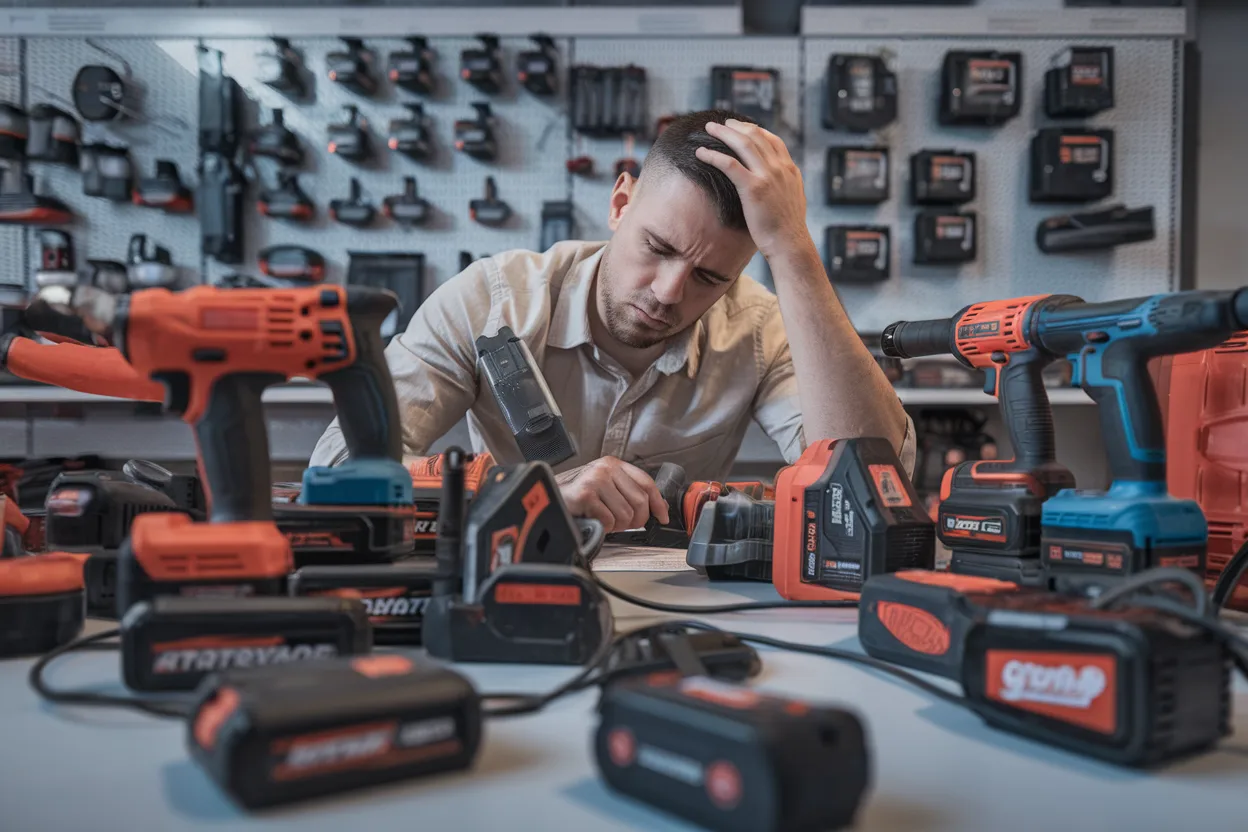
I often see brands grow slowly when they focus only on single tool winners. They grow faster when they build systems.
Common mistakes buyers make when choosing tools?
I see the same mistakes in many markets. Germany, Spain, and Brazil buyers often repeat them.
The most common mistake is choosing tools first instead of choosing systems first.
Mistake 1: chasing best sellers
Buyers pick tools based on short-term sales data. This ignores system design.
Mistake 2: ignoring battery compatibility
They mix different platforms. This creates long-term chaos.
| Mistake | Result |
|---|---|
| Random SKU selection | No system growth |
| Multiple batteries | High inventory cost |
| No platform planning | Weak brand identity |
I always tell buyers that early decisions decide future structure. Fixing later is expensive.
Product strategy vs platform strategy?
Many buyers think product strategy is enough. I do not agree.
Product strategy focuses on individual tool success, while platform strategy focuses on system growth and long-term scalability.
In YOUWE, I guide buyers to think in systems first.
Product strategy
- Focus on single SKU performance
- Focus on short-term sales
- High competition risk
Platform strategy
- Focus on shared systems
- Focus on expansion
- Lower long-term risk
| Strategy | Focus | Risk |
|---|---|---|
| Product | Single tool | High |
| Platform | Ecosystem | Lower |
I often explain this to new OEM buyers. Many of them change their thinking after this discussion.
Why OEM buyers should focus on platforms?
OEM buyers face a different challenge. They do not just sell one product. They build a brand.
OEM buyers should focus on platforms because platforms reduce risk, improve consistency, and support long-term brand building.
I often talk with importers from Italy and Greece. They want stable growth, not random SKU success.
Risk reduction
One platform reduces unknown variables in production and logistics.
Brand building
A unified system creates stronger brand identity9.
| Factor | OEM product focus | OEM platform focus |
|---|---|---|
| Risk | Higher | Lower |
| Brand identity | Weak | Strong |
| Expansion ability | Limited | High |

I always suggest starting small but thinking in systems. This is how real tool brands grow in Europe.
Conclusion
I have seen many tool brands struggle because they focus on single products. I also see many brands grow fast when they switch to platform thinking. A battery platform is not only technical design. It is a business structure. It controls cost, growth, and future direction. If you are planning to enter cordless tools, I suggest you start from the system first. I am open to discuss this with buyers who want to build stable and long-term tool brands.
-
Explore insights on how relying solely on best-selling tools can hinder long-term brand development. ↩
-
Learn strategies to alleviate inventory pressure and improve your brand's operational efficiency. ↩
-
Identifying hidden problems can help you avoid costly pitfalls in your branding strategy. ↩
-
Understanding battery platforms can help you create a more efficient and scalable tool ecosystem. ↩
-
Gain insights into the unique challenges OEM buyers encounter and how to overcome them. ↩
-
Explore the advantages of adopting a platform strategy for long-term brand success. ↩
-
Identifying system limitations can help you strategize for better scalability and growth. ↩
-
Learn about strategies to maintain stable margins over time for sustainable growth. ↩
-
Discover strategies to build a strong brand identity that resonates with customers. ↩