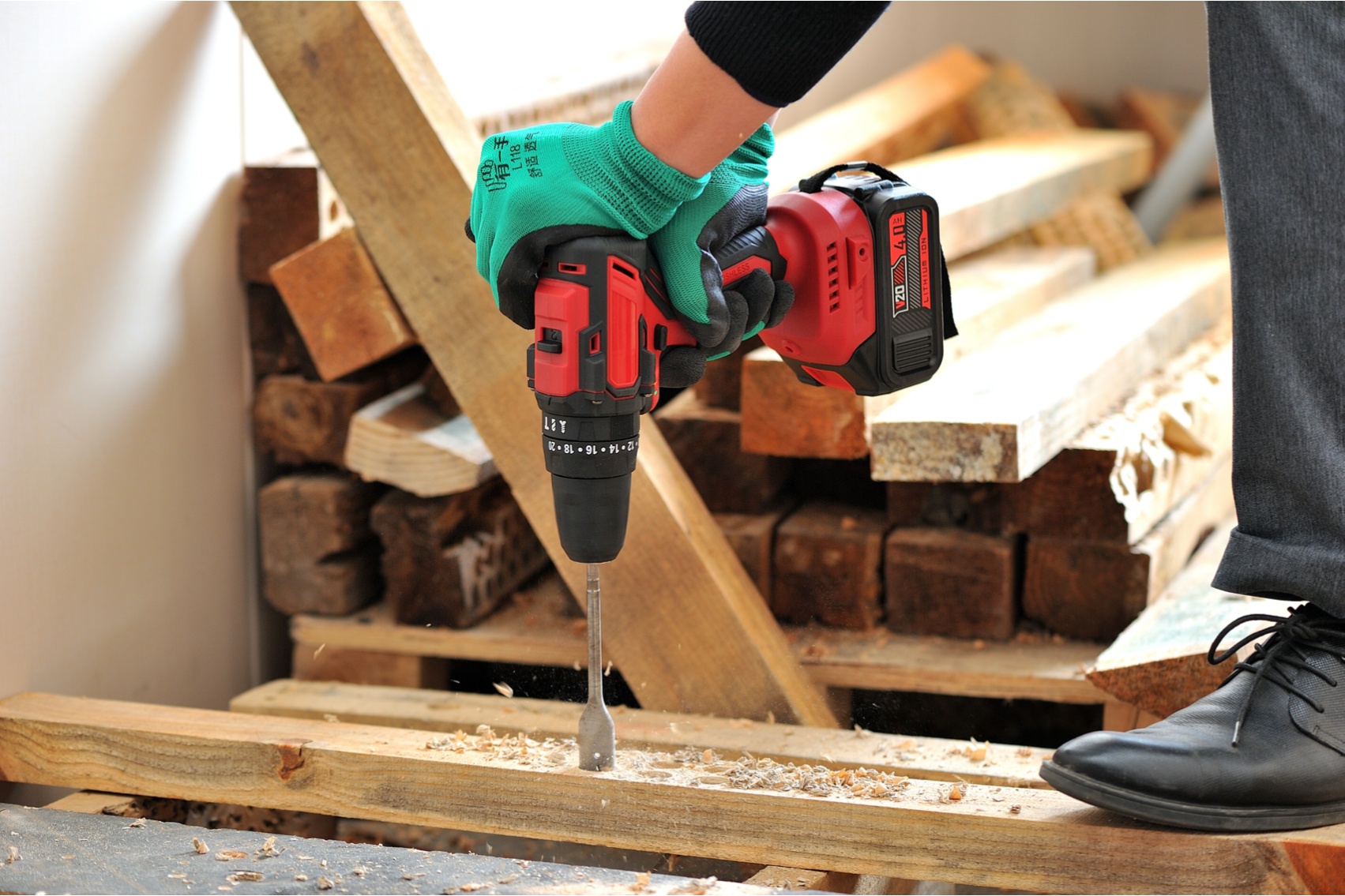
I often meet buyers who trust brand names too much. They feel safe. But later they face complaints, returns, and weak performance. This creates real risk when entering cordless tools.
A good brushless drill is not defined by brand alone. Real quality depends on motor design, battery system, internal parts, and control systems. Buyers should focus on structure and performance, not just logos.
I remember one client from Spain. He switched from a famous brand to a private label model. At first he was unsure. After testing real performance, he understood the difference. This article explains how I guide buyers step by step.
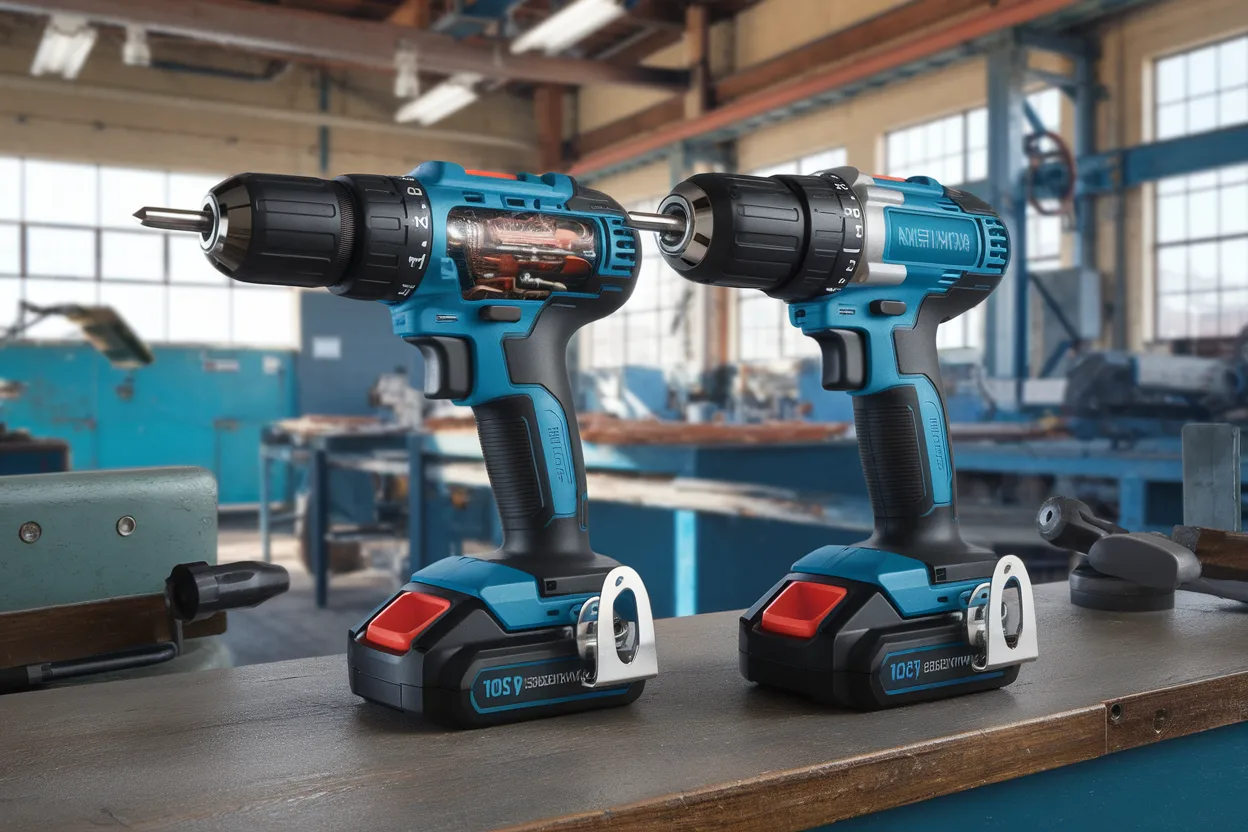
Why brand names alone are not enough?
Many buyers think big brands mean stable quality. I understand this thinking. But in real sourcing, this is not always true.
Brand names do not control factory-level differences. Many drills come from similar supply chains, but internal quality, materials, and testing standards vary a lot.
Brand does not equal manufacturing control
I have seen many cases. Some brands do not own factories. They outsource production. Different batches may come from different factories.
This creates inconsistency. The logo stays the same. The internal structure changes.
Same appearance, different internal quality
Two drills may look identical. The shell, color, and packaging feel the same. But inside, the motor winding, PCB, and gearbox can be very different.
| Aspect | Branded Drill | OEM Drill |
|---|---|---|
| Appearance | Similar | Similar |
| Internal motor | Not visible | Customizable |
| Gear quality | Unknown | Controllable |
| Cost structure | Higher | Flexible |
Brand premium vs real value
Brands spend money on marketing. This cost transfers to buyers. But performance improvement1 is not always equal to price increase.
I always tell buyers. You should pay for performance, not for logo.
What really defines a good brushless drill?
Many people ask me this question. They expect a simple answer. But I always explain the structure first.
A good brushless drill depends on motor efficiency, battery output, control system, and mechanical durability working together as one system.
Motor efficiency and design
Brushless motors are not all the same. Copper quality, magnet strength, and winding design matter.
Better motors give stable torque. They also reduce heat.
Battery platform stability
Battery is not just voltage. It includes BMS, cell quality, and discharge rate.
A weak battery limits a strong motor. This is very common.
| Factor | Impact |
|---|---|
| Cell quality | Runtime stability |
| BMS system | Safety and lifespan |
| Discharge rate | Power output |
| Voltage platform | Tool compatibility |
Electronic control system
The controller manages power output. It affects smooth start, speed control, and protection.
Poor controllers cause overheating and unstable torque.
Mechanical durability
Gearbox and chuck define long-term use. Cheap gears wear fast. This leads to noise and failure.
Key components that affect performance?
Buyers often focus only on voltage and torque numbers. This is not enough.
Performance comes from key internal components such as motor, gearbox, battery cells, and control board working together under load.
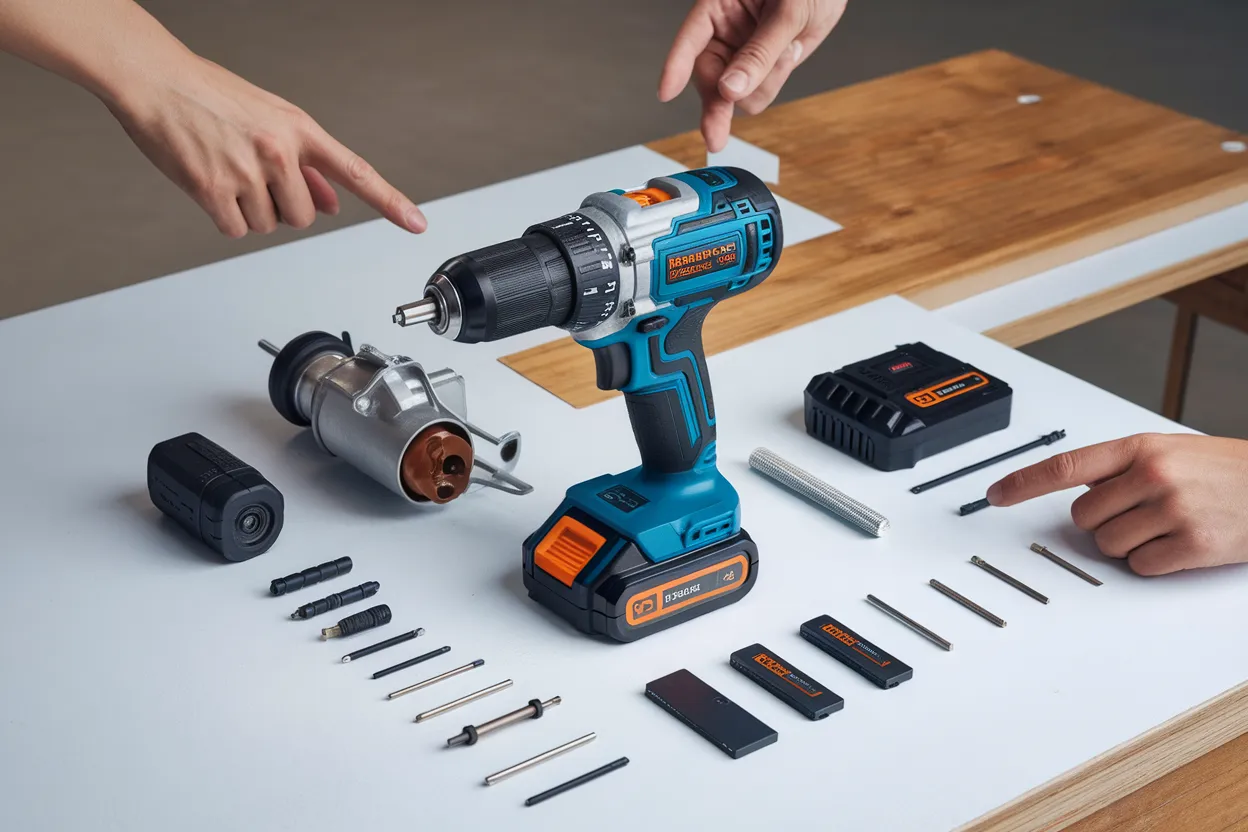
Motor and magnets
High-grade magnets improve efficiency. Low-grade magnets reduce power over time.
Gearbox material
Metal gears last longer than plastic gears. Heat treatment also matters.
Battery cells
Cells define runtime and stability. Different suppliers give very different results.
| Component | Low Quality | High Quality |
|---|---|---|
| Motor | weak torque | stable torque |
| Gearbox | fast wear | long lifespan |
| Battery | voltage drop | stable output |
| PCB | poor control | smart protection |
Cooling design
Good airflow keeps the tool stable. Poor cooling leads to shutdown or damage.
Why similar specs can still mean different quality?
This is one of the biggest misunderstandings I see.
Two drills with the same voltage and torque can perform very differently due to internal design, materials, and testing standards.
Testing methods are not the same
Some factories test peak torque. Others test real working torque.
This creates misleading numbers.
Material cost differences
Better copper, better steel, and better cells increase cost. But they improve performance.
Assembly precision
Small differences in assembly create big performance gaps.
| Spec | Drill A | Drill B |
|---|---|---|
| Voltage | 21V | 21V |
| Torque | 60Nm | 60Nm |
| Real performance | unstable | stable |
| Heat control | poor | good |
Quality control process
Factories with strict QC deliver consistent products. Others do not.
How to evaluate real-world performance?
Many buyers do not test tools properly. This creates wrong decisions.
Real performance should be tested under load, over time, and in real working conditions, not just based on catalog data.
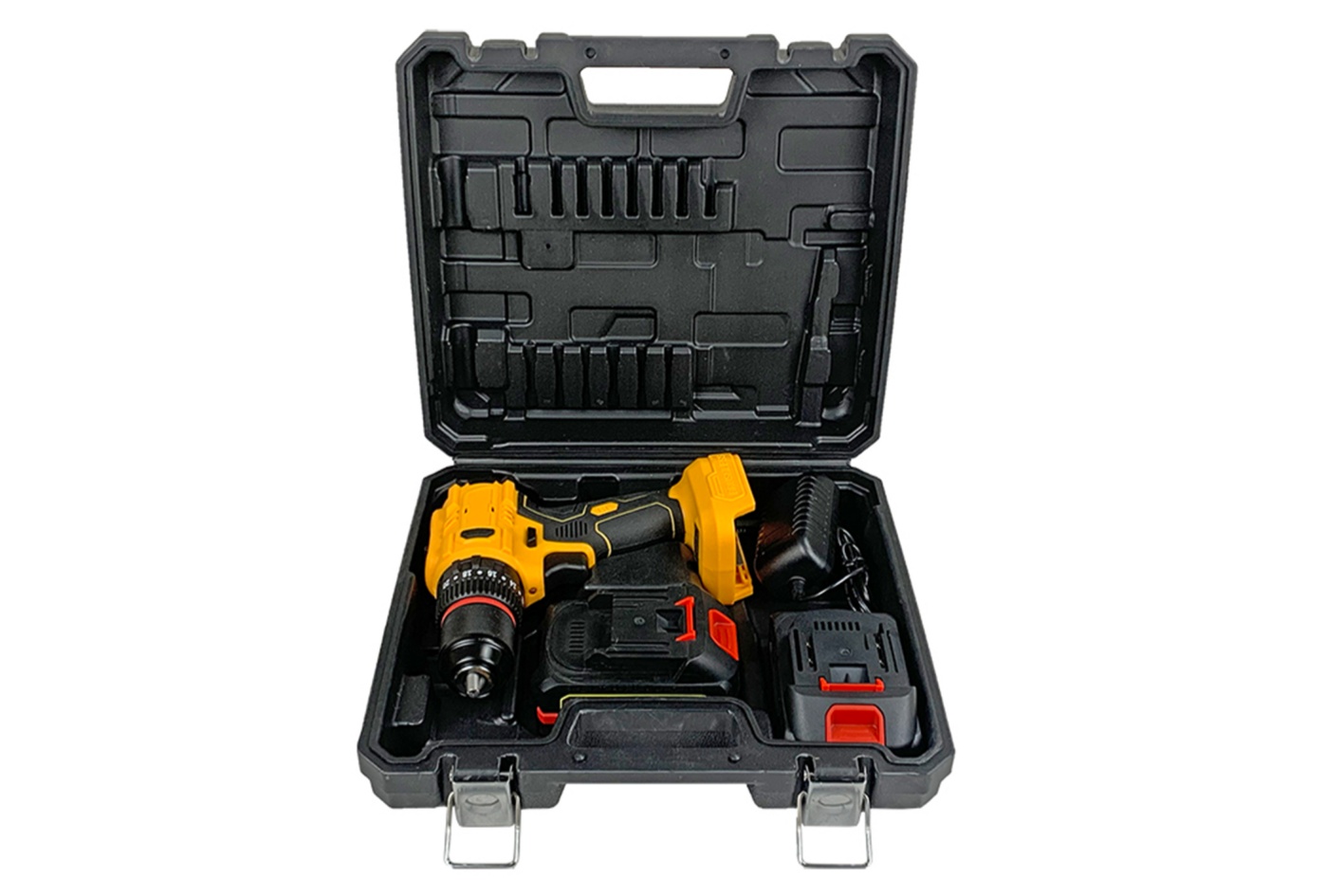
Load testing
Drill into hard material. Observe torque drop and speed stability.
Heat testing
Run the tool continuously. Check temperature rise.
Battery runtime testing
Measure working time under real load.
| Test | What to check |
|---|---|
| Load test | torque stability |
| Heat test | overheating |
| Runtime | battery endurance |
| Drop test | durability |
User feedback
Real users give the most honest data.
Common mistakes buyers make when relying on brands?
I have seen these mistakes many times.
Buyers often overpay for brand names, ignore internal structure, and skip proper testing, which leads to poor product decisions.
Ignoring battery system
Buyers focus on drill only. They ignore battery platform.
Trusting catalog specs
Specs are not always real-world data.
Skipping sample testing
This is a major risk.
| Mistake | Result |
|---|---|
| brand only decision | high cost |
| no testing | poor performance |
| no OEM check | unstable supply |
No long-term planning
Buyers do not think about product line expansion.
A practical checklist for evaluating brushless drills?
Many clients ask me for a simple method. I always give them a checklist.
A structured checklist helps buyers compare drills based on performance, durability, and system compatibility instead of brand names.
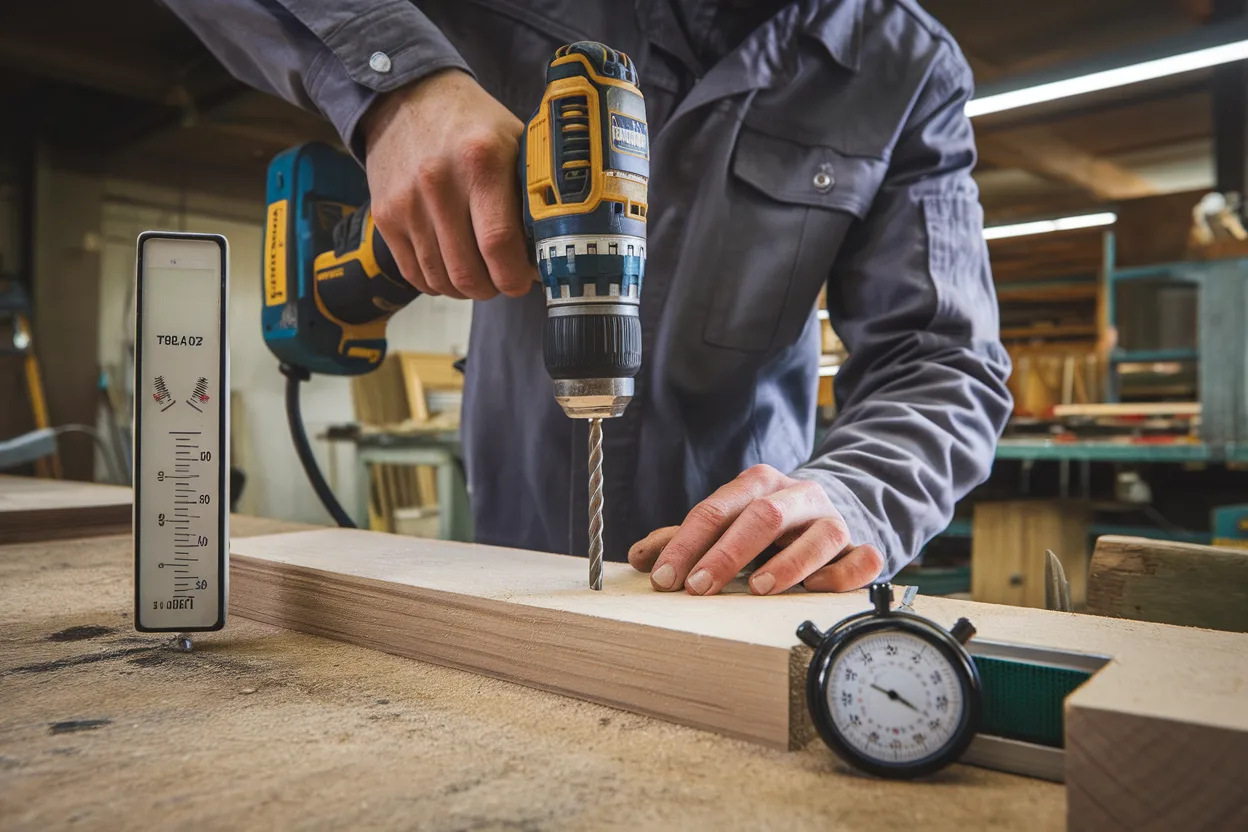
Basic technical check
Check motor type, battery system2, and gearbox.
Performance test
Run load, heat, and runtime tests.
Supply chain check
Check factory capability and QC system.
| Category | Key point |
|---|---|
| Motor | efficiency |
| Battery | stability |
| Gearbox | durability |
| QC | consistency |
Certification and compliance
For Europe, CE, EMC, and safety documents are required.
How a reliable OEM partner can help you make the right choice?
This is where many buyers change their strategy.
A reliable OEM partner helps you understand real product structure, control quality, reduce risk, and build a stable cordless tool line.
Product transparency
I always show internal structure to my clients.
Battery platform planning
We help clients build 21V or 40V systems for long-term product lines.
Quality control system
We follow IQC, IPQC, and OQC processes.
| Support | Value |
|---|---|
| OEM | cost control |
| ODM | product development |
| QC | stable quality |
| Certification | smooth import |
Faster market entry
We help clients reduce risk and test market step by step.
Conclusion
I have worked with many buyers from Europe and South America. Most of them start with brand thinking. Later they shift to system thinking. I always suggest starting small. Test real performance. Build a battery platform. Work with a factory that explains everything clearly. This reduces risk and builds long-term value. If you are planning to enter this category, I am always open to share real cases and help you move step by step.