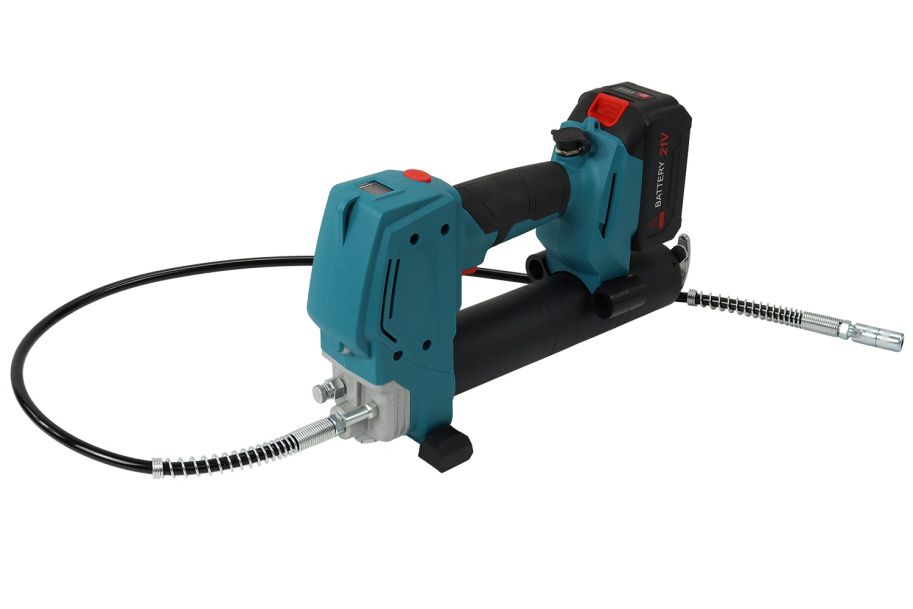
Many buyers focus only on PSI1. I see this mistake often. It creates wrong expectations. It leads to poor product selection and unhappy users in real work.
Pressure specs do not show real performance. Flow rate, battery stability, pump quality, and system design matter more for daily use and long-term reliability.
I have worked with buyers from Germany, Italy, and Spain. Many of them first ask about PSI. Later they come back with problems. The issue is not pressure. The issue is how the tool performs under real conditions.
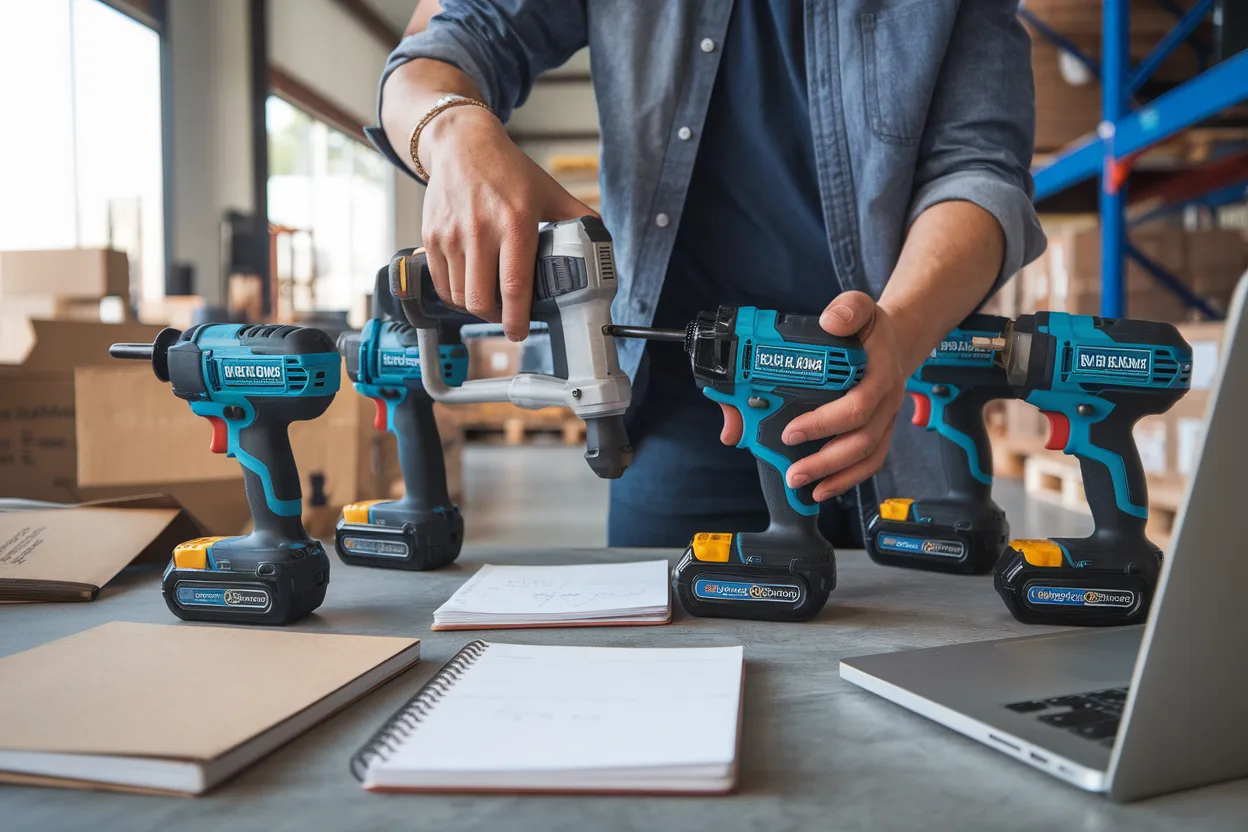
Why pressure specs don’t tell the whole story?
Many buyers think higher PSI means better performance. I understand this logic. But in grease guns, this thinking is incomplete.
PSI only shows peak force. It does not show speed, consistency, or real usability in daily maintenance work.
PSI vs real working conditions
In real use, operators do not work at peak pressure all the time. They need stable output. They need smooth grease flow. High PSI only helps in blocked fittings. It does not help in normal lubrication tasks.
Many factories push high PSI numbers for marketing. I have seen 8000 PSI claims. But when I test the tool, the flow is slow. The motor heats up fast.
What PSI does not show
PSI does not show how fast grease moves. It does not show battery drain. It does not show how long the tool can run without overheating.
| Factor | PSI Covers | PSI Does Not Cover |
|---|---|---|
| Force output | Yes | No |
| Flow speed | No | Yes |
| Battery efficiency | No | Yes |
| Heat control | No | Yes |
| Continuous operation | No | Yes |
My experience with EU buyers
A buyer from Spain once chose a model with very high PSI. After testing, he told me the tool felt slow. His workers complained. We switched to a lower PSI model with higher flow rate. The feedback improved quickly.
What really matters in a cordless grease gun?
Buyers often ask me one question. What should I really focus on? I always give the same answer.
You should focus on system balance. Motor, battery, pump, and control must work together, not just one strong spec.
System thinking instead of single spec
A grease gun is not just a motor tool. It is a system. If one part is weak, the whole tool fails.
For example, a strong motor with a weak pump will still give poor output. A good pump with unstable battery will also fail.
Key performance factors
| Component | Why It Matters |
|---|---|
| Motor | Drives pressure and speed |
| Pump | Controls grease flow |
| Battery | Supports runtime and stability |
| Sealing | Prevents leakage |
| Control system | Keeps output stable |
What I tell new buyers
I always tell new buyers not to compare tools like numbers on paper. They need to test. They need to feel the tool. Especially for EU markets, user experience matters more than specs.
Why flow rate is often more important than PSI?
Many users do not need extreme pressure. They need speed. They need efficiency.
Flow rate defines how fast grease is delivered. It directly affects work efficiency and user satisfaction.
Work efficiency depends on flow
In workshops, time matters. If grease comes out slowly, the job takes longer. Workers get tired. This affects productivity.
Balance between pressure and flow
High pressure often reduces flow speed. This is a common trade-off. Good design finds the balance.
| Feature | High PSI Model | Balanced Model |
|---|---|---|
| Pressure | Very high | Medium |
| Flow rate | Low | High |
| Efficiency | Low | High |
| User feedback | Poor | Good |
Real case from Italy
A distributor in Italy switched to a model with better flow. He told me his customers noticed the difference immediately. Less waiting time. More jobs finished per day.
How battery performance affects real-world use?
Battery is not just about voltage. Many buyers misunderstand this.
Stable battery output ensures consistent performance, longer runtime, and better user experience in real applications.
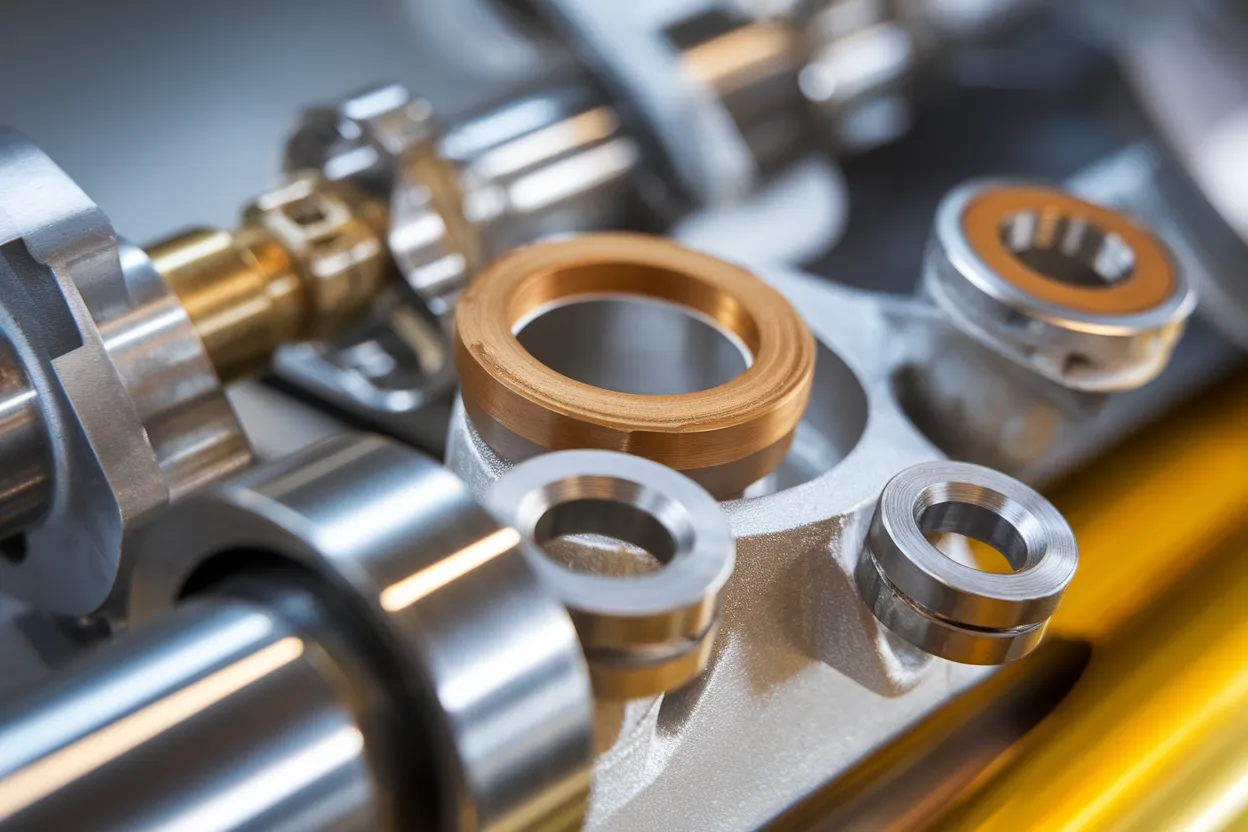
Voltage vs real output
Some buyers compare 18V vs 20V vs 21V. But voltage alone is not enough. The battery system design matters more.
Battery factors that matter
| Factor | Impact |
|---|---|
| Cell quality | Stability |
| BMS system | Safety |
| Capacity | Runtime |
| Discharge rate | Power consistency |
Cold weather performance
In Germany and Poland, winter affects battery output. I have seen tools lose power quickly. Good battery design reduces this problem.
Why pump design and internal quality matter?
This is the part many buyers cannot see. But it is very important.
Pump design controls output stability, durability, and long-term performance of the grease gun.
Internal structure differences
Cheap pumps use simple materials. They wear out fast. High-quality pumps use stronger seals and better machining.
Durability factors
| Feature | Low Quality | High Quality |
|---|---|---|
| Seals | Wear fast | Long life |
| Metal parts | Thin | Strong |
| Assembly | Loose | Precise |
My factory experience
I have seen returns caused by small seal failures. After we improved sealing materials, failure rates dropped clearly.
Key features buyers often overlook?
Many buyers focus on big specs. They ignore small details. But these details affect daily use.
Small features like hose quality, air bleed valve, and ergonomics can greatly impact usability and customer satisfaction.
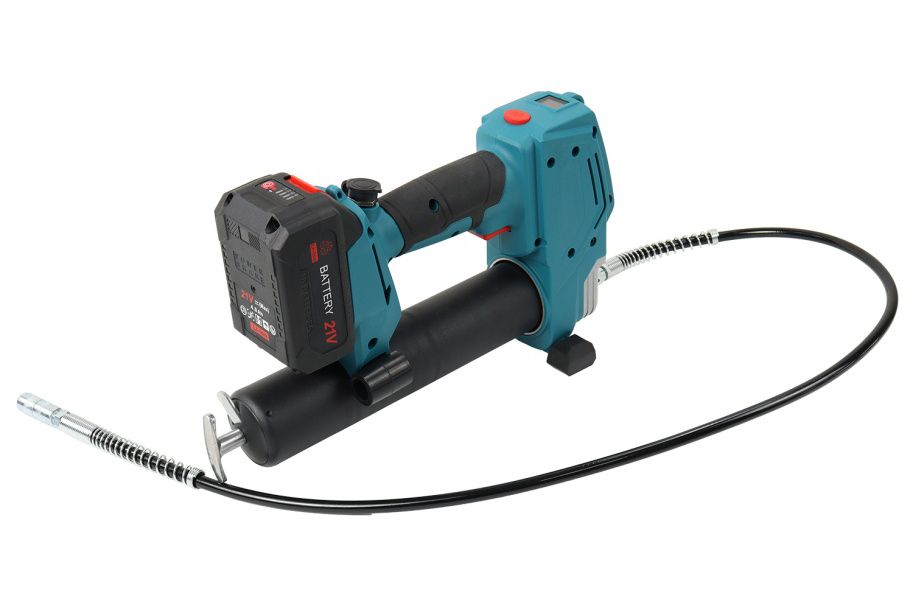
Important small features
| Feature | Why It Matters |
|---|---|
| Hose length | Flexibility |
| LED light | Visibility |
| Air bleed valve | Smooth operation |
| Grip design | Comfort |
User feedback
A buyer from France once told me his customers complained about stiff hoses. After we upgraded the hose, complaints dropped.
Common mistakes when choosing a grease gun?
I see the same mistakes again and again. Most come from focusing on the wrong priorities.
Common mistakes include overvaluing PSI, ignoring system balance, and not testing products in real conditions.
Typical buyer mistakes
| Mistake | Result |
|---|---|
| Only check PSI | Poor performance |
| Ignore battery | Short runtime |
| Skip testing | Wrong selection |
My advice
I always suggest testing samples before bulk orders. This reduces risk.
How to choose the right cordless grease gun for your market?
Different markets have different needs. One model does not fit all.
You should match product specs with your target users, price level, and usage scenarios in your market.
Market differences
| Market | Priority |
|---|---|
| Germany | Quality and certification |
| Italy | Balance of price and performance |
| Spain | Practical usability |
Selection strategy
I usually suggest starting with 2 to 3 models. This helps test the market without high risk.
What a reliable OEM supplier should help you consider?
A good supplier does more than production. They guide you.
A reliable OEM partner should help with product selection, compliance, battery platform, and long-term product planning.
What I provide to clients
| Service | Value |
|---|---|
| Product advice | Reduce mistakes |
| Certification support | Smooth import |
| Battery platform | Easy expansion |
| Packaging design | Better branding |
Real cooperation experience
Many of my clients started with little knowledge. Step by step, we built their product line together. This reduced their risk.
Conclusion
I have seen many buyers focus on the wrong specs. I suggest thinking about real use, not just numbers. If you want, I can help you test and choose the right model for your market.
-
Understanding PSI is crucial for making informed decisions about grease gun performance. ↩