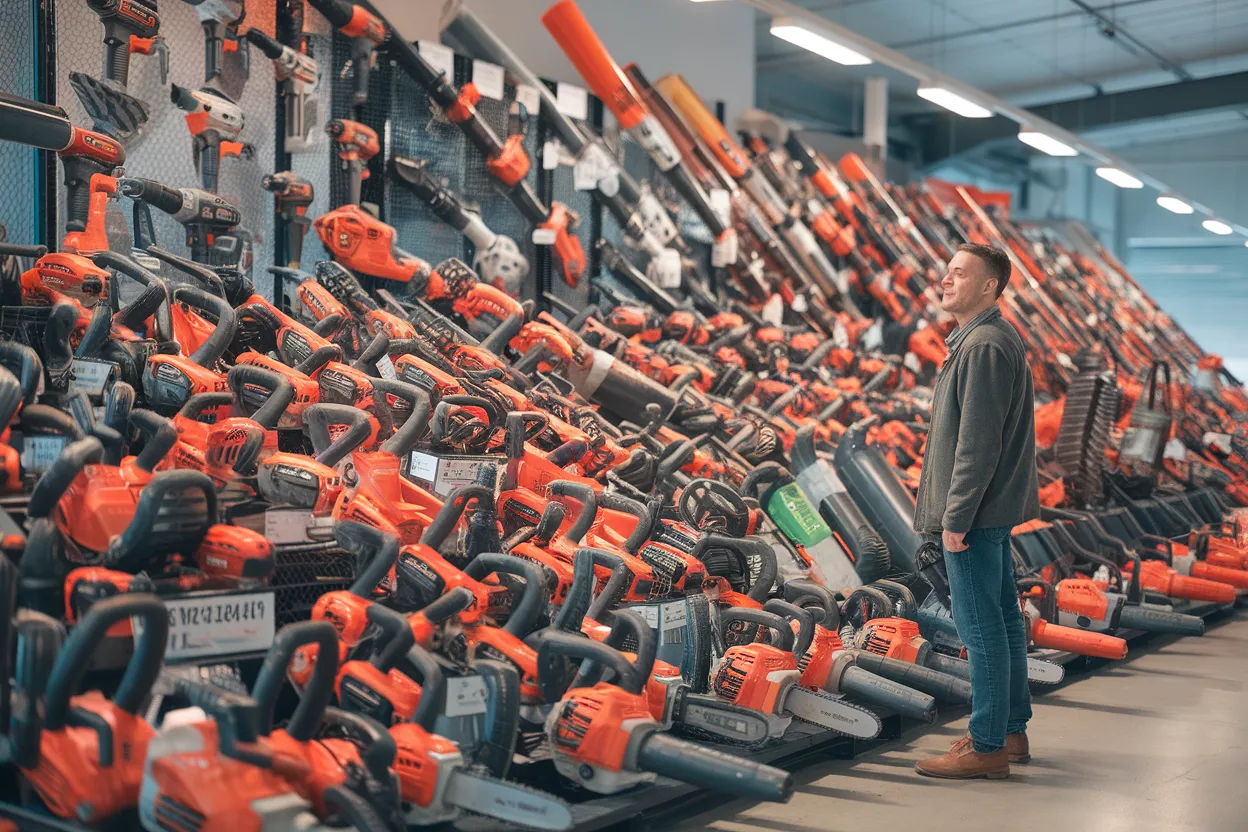
Many new buyers think more products mean more chances to win. I have seen this many times. They launch too many SKUs at once. Then problems start very fast.
Starting with too many SKUs creates cost pressure, weak focus, and supply risk. A smaller and focused product line helps new brands control quality, cash flow, and market testing with lower risk.
I worked with buyers from Germany and Spain. Many of them wanted to launch 15 or even 30 models at once. Some of them stopped after one year. The problem was not the market. The problem was how they started.
Why starting with more SKUs feels like the right move?
Many buyers believe more SKUs mean more sales chances. I understand this thinking. It looks safe. It feels like covering more market needs.
More SKUs feel right because buyers want to test many products at once and find winners quickly. But this idea ignores cost, complexity, and supply chain pressure.
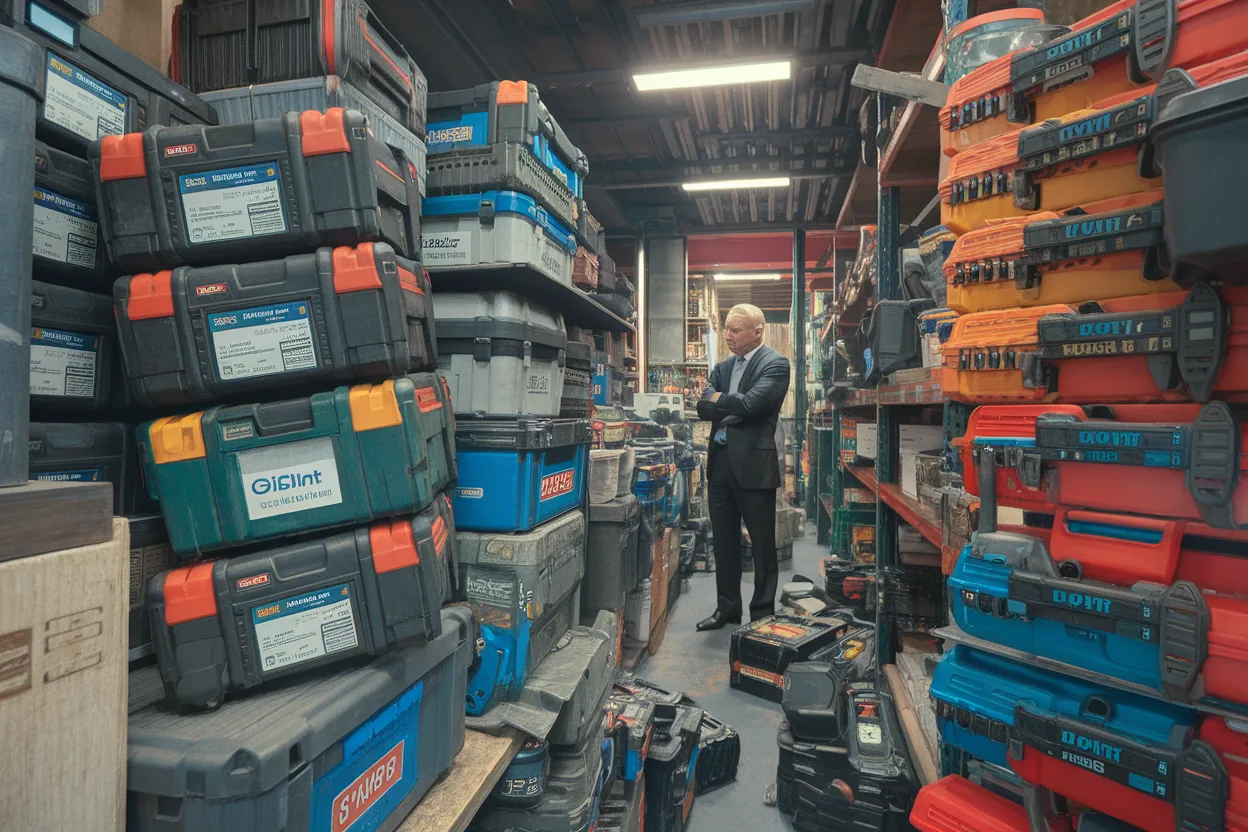
More products look like more opportunity
I often hear this from new clients. They say they want drills, chainsaws, blowers, and grinders all together. They think one of them will sell well.
This logic is simple. But the tool business is not simple. Each product needs support. Each product needs testing. Each product needs stock.
The pressure from competitors
Buyers from Italy or Poland often compare with big brands. They see full catalogs. They think they must match that.
But they forget one thing. Big brands built that over many years.
The illusion of fast growth
More SKUs look like faster growth. But in reality, it creates slower decisions and higher risk.
| Thinking | Reality |
|---|---|
| More SKUs = more sales | More SKUs = more cost |
| More choice = more customers | Too many choices = confusion |
| Fast expansion | Slow execution |
Many risks are not visible at the beginning. They appear after the first orders. Then it is hard to fix.
Too many SKUs increase risk in stock, quality, certification, and supply chain. These risks often appear after investment is already made.
Certification complexity
Each product needs CE, EMC1, or GS. This costs money and time. If you launch 20 SKUs, you multiply this effort.
I had a client in France. He underestimated this step. His products were delayed for months.
Low MOQ pressure
Factories have MOQ. If you split orders into many SKUs, each SKU becomes small volume.
This leads to higher unit cost.
| SKU Count | Order Volume per SKU | Cost Impact |
|---|---|---|
| 5 SKUs | High | Stable |
| 20 SKUs | Low | High |
Stock imbalance
Some SKUs sell. Some do not. You cannot predict this early.
Unsold products lock your cash.
How SKU overload affects inventory and cash flow?
Cash flow is the biggest problem I see. Many brands fail here, not in sales.
SKU overload spreads your money across too many products, slows turnover, and creates dead stock that blocks your next order.
Cash split problem
If you have $100,000, and 20 SKUs, each SKU gets very limited budget.
This means weak stock depth.
Slow inventory turnover
Some products may take 6 months to sell. Others may take 2 months.
You cannot reorder fast.
Dead stock risk
Unsold SKUs stay in warehouse. This creates storage cost and discount pressure.
| Scenario | Result |
|---|---|
| Focused SKUs | Fast turnover |
| Too many SKUs | Slow movement |
| Balanced stock | Healthy cash |
| Dead stock | Cash blocked |
Why too many products weaken your brand?
A new brand needs clear positioning2. Too many SKUs destroy that clarity.
Too many products confuse customers, weaken your identity, and reduce trust in your brand.
No clear focus
If you sell everything, customers do not know what you are good at.
Are you a garden tool brand? Or a power tool brand?
Weak product story
Each product needs a clear message. Too many SKUs make marketing weak.
Distributor confusion
Distributors prefer simple product lines.
| Brand Type | Market Reaction |
|---|---|
| Focused brand | Easy to understand |
| Wide random range | Hard to sell |
How SKU complexity impacts operations and quality?
Operations become harder when SKUs increase. Quality control becomes unstable.
More SKUs increase production complexity, reduce quality control focus, and create more mistakes in supply chain and packaging.
Production scheduling issues
Factories need planning. Too many SKUs create small batches.
This reduces efficiency.
Quality control pressure
Each product needs testing. More SKUs mean less focus per product.
Packaging and spare parts complexity
Each SKU needs its own box, manual, and spare parts.
| Area | Impact |
|---|---|
| Production | Lower efficiency |
| QC | Higher risk |
| Packaging | More errors |
What is the ideal number of SKUs to start with?
I always give a simple suggestion. Start small. Then expand.
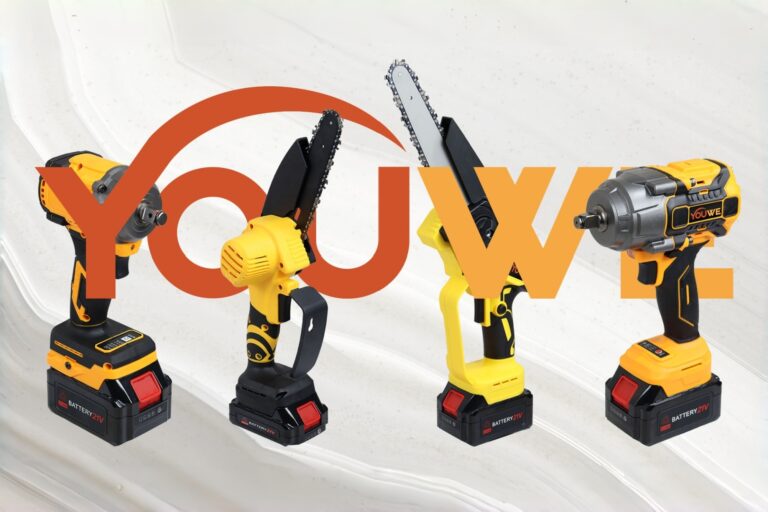
The ideal starting range is 3 to 5 SKUs built on one battery platform. This keeps cost low and focus strong.
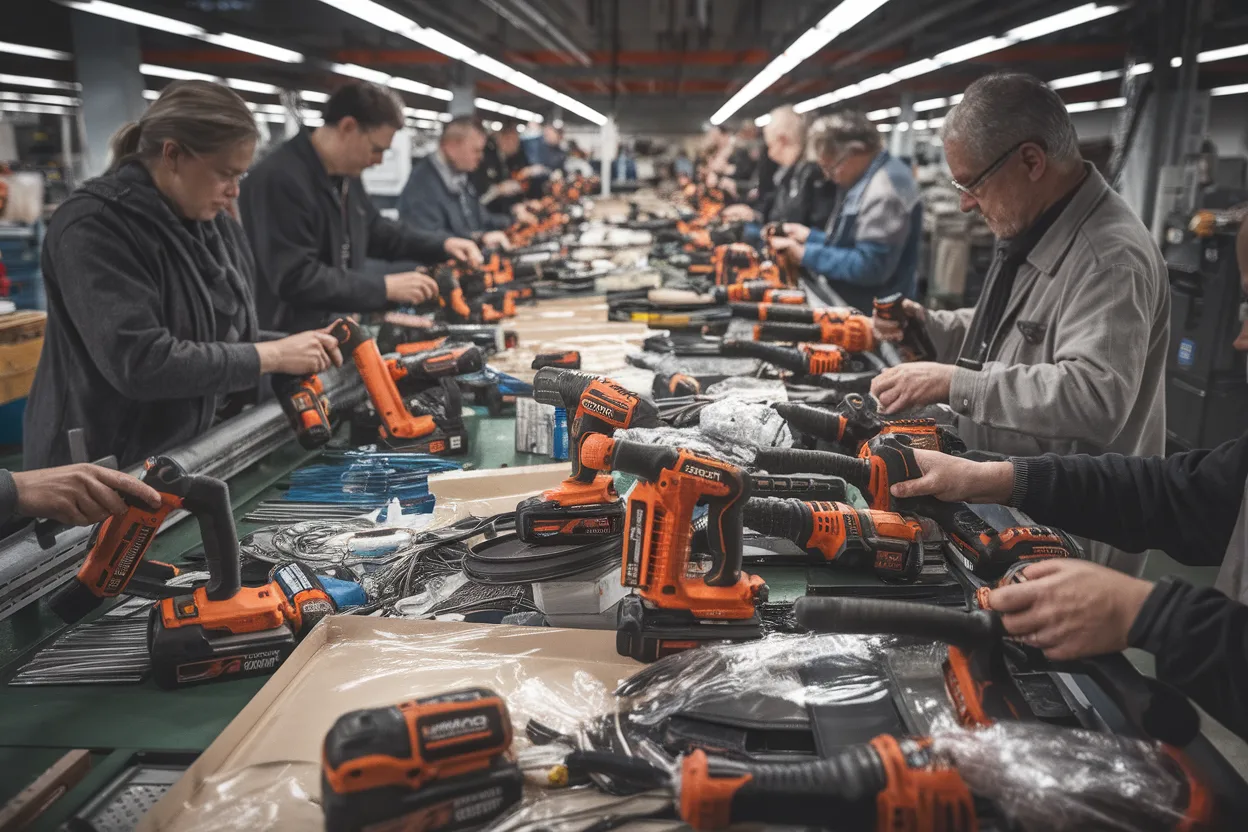
Start with core products
Choose products with stable demand. For example:
- Cordless drill
- Impact wrench
- Chainsaw
- Blower
Use one battery system
21V or 40V platform helps reduce cost and improve compatibility.
Build depth, not width
Instead of 20 SKUs, build strong stock in 5 SKUs.
| Strategy | Result |
|---|---|
| 5 SKUs strong | Stable growth |
| 20 SKUs weak | High risk |
How to build a focused and scalable tool line?
A good product line grows step by step. Not all at once.
Start with a core set, test the market, then expand based on real sales data and customer feedback.
Step-by-step expansion
Launch first batch. Test for 3 to 6 months.
Then add related products.
Follow battery platform logic
Add tools that share batteries.
Use market feedback
Let your customers guide your next SKU.
| Phase | Action |
|---|---|
| Step 1 | Launch core SKUs |
| Step 2 | Test sales |
| Step 3 | Expand |
How an OEM partner can help you avoid SKU overload?
A good factory should not push you to buy more. It should guide you.
An experienced OEM partner helps you choose the right SKUs, control MOQ, and build a scalable product line with lower risk.
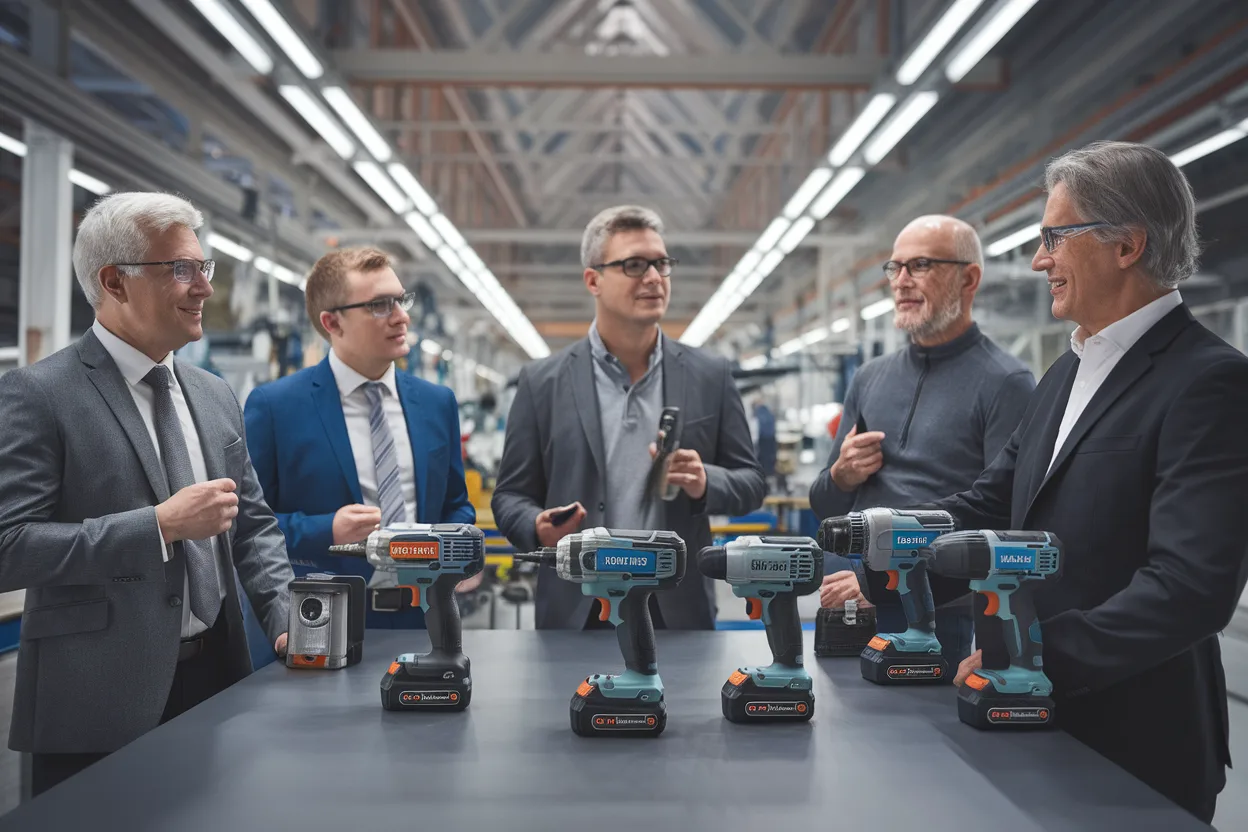
SKU planning support
I often help clients reduce their initial list from 20 to 5.
This improves success rate.
Battery platform strategy
We design product lines around one battery system.
Cost and MOQ control
We combine orders and optimize production.
| Support Area | Value |
|---|---|
| SKU selection | Lower risk |
| Battery system | Cost saving |
| MOQ planning | Better pricing |
Conclusion
I have seen many brands fail because they started too big. I always suggest a simple path. Start small. Stay focused. Build step by step. If you are unsure where to start, I am always open to share what I have seen in real projects.