I often see buyers focus only on voltage numbers. This creates wrong expectations. It leads to poor product choice and user complaints after purchase.
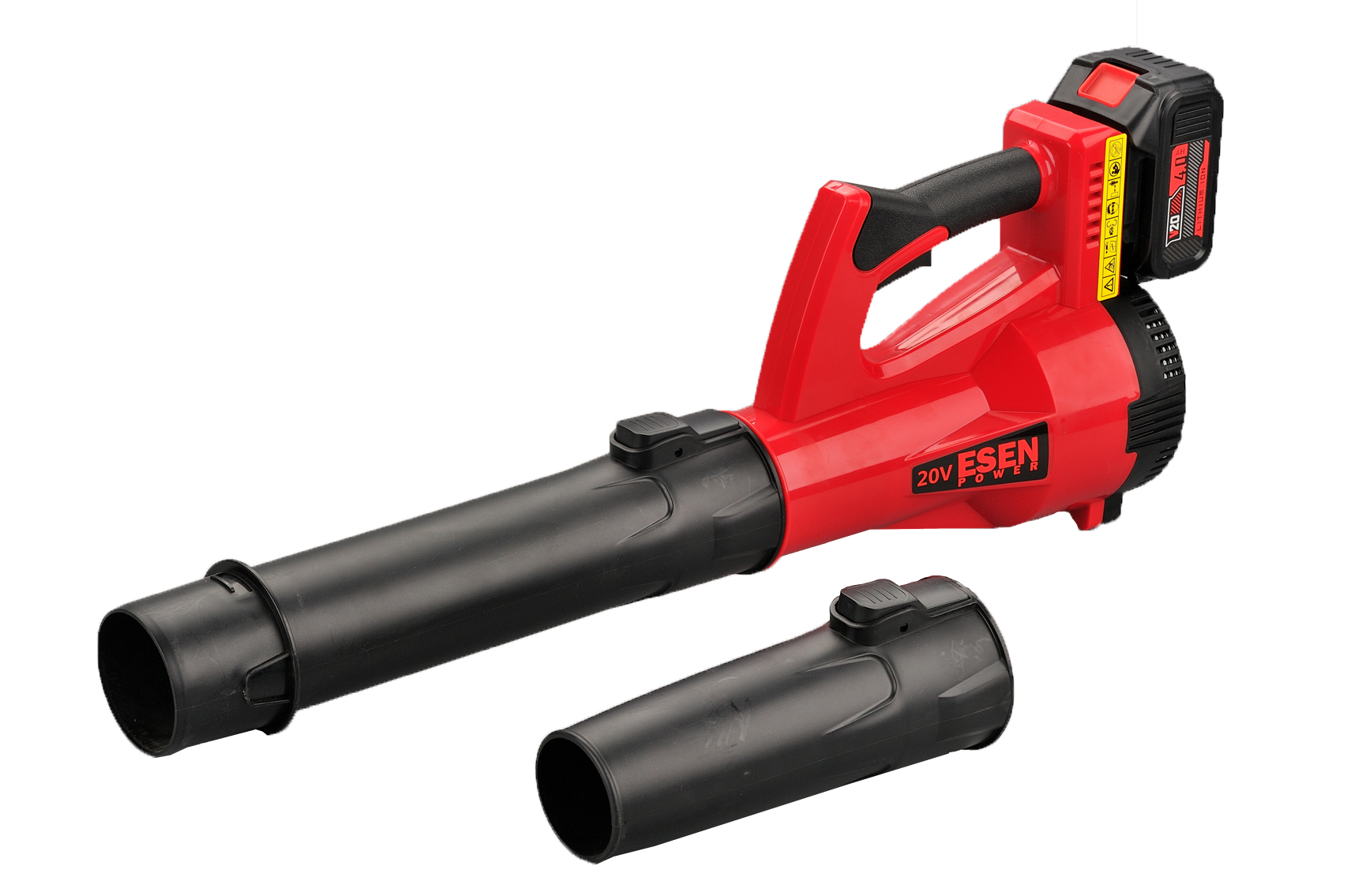
Runtime matters more than peak voltage because it shows real working time. Voltage only shows potential power. A blower with stable runtime delivers better performance in real use, especially for garden and professional work.
I have worked with buyers from Germany, Italy, and Spain. Many of them first ask about 40V or 20V. Later they come back with runtime issues1s://www.youtube.com/shorts/JaPUzHKhpQ8)2 issues. The problem is not voltage. The problem is system design3 and battery performance4.

Why peak voltage does not tell the full story?
Many buyers believe higher voltage means better performance. This idea looks simple. But it often leads to wrong decisions in real projects.
Peak voltage only shows the maximum output at a moment. It does not show how long the blower can work or how stable the power stays during use.
What peak voltage really means
Peak voltage is often used in marketing. It shows the highest value when the battery is fully charged. But this value drops quickly after use starts. I have tested many models. The drop is very fast in low-quality systems.
Why voltage drops during use
Voltage is not stable. It changes based on load and battery condition. If the motor needs more power, voltage drops faster. If the battery quality is low, the drop is even worse.
Real buyer confusion
I once worked with a Spanish importer. He selected a 40V blower. He expected strong performance. But after 10 minutes, the airflow5 dropped a lot. His customers complained. The issue was not voltage. The issue was battery discharge design.
| Factor | Peak Voltage | Real Impact |
|---|---|---|
| Initial Power | High | Short-term only |
| Stability | Low | Affects performance |
| Runtime | Not shown | Critical |
| User Experience | Misleading | Very important |
What runtime really means in cordless leaf blowers?
Many buyers ask me about voltage first. Very few ask about runtime. This is a big gap in understanding.
Runtime means how long the blower can work under real conditions. It includes battery discharge, motor efficiency, and system stability.
Runtime is real working time
Runtime shows how long the tool can keep working without stopping. This matters for garden cleaning, especially in large areas.
Different modes affect runtime
Most blowers have low, medium, and high modes. Runtime changes a lot between these modes. Many suppliers only show max runtime in low mode. This creates confusion.
Why buyers misunderstand runtime
I often see buyers compare numbers without test conditions6. A 30-minute runtime can mean very different things depending on airflow level.
| Mode | Airflow Level | Typical Runtime |
|---|---|---|
| Low | Light cleaning | 30-40 min |
| Medium | Normal use | 15-25 min |
| High | Heavy work | 8-15 min |
How battery capacity affects runtime?
Many people think voltage is everything. But capacity plays a bigger role in runtime.
Battery capacity, measured in Ah, directly affects runtime. A higher capacity battery stores more energy and allows longer working time.
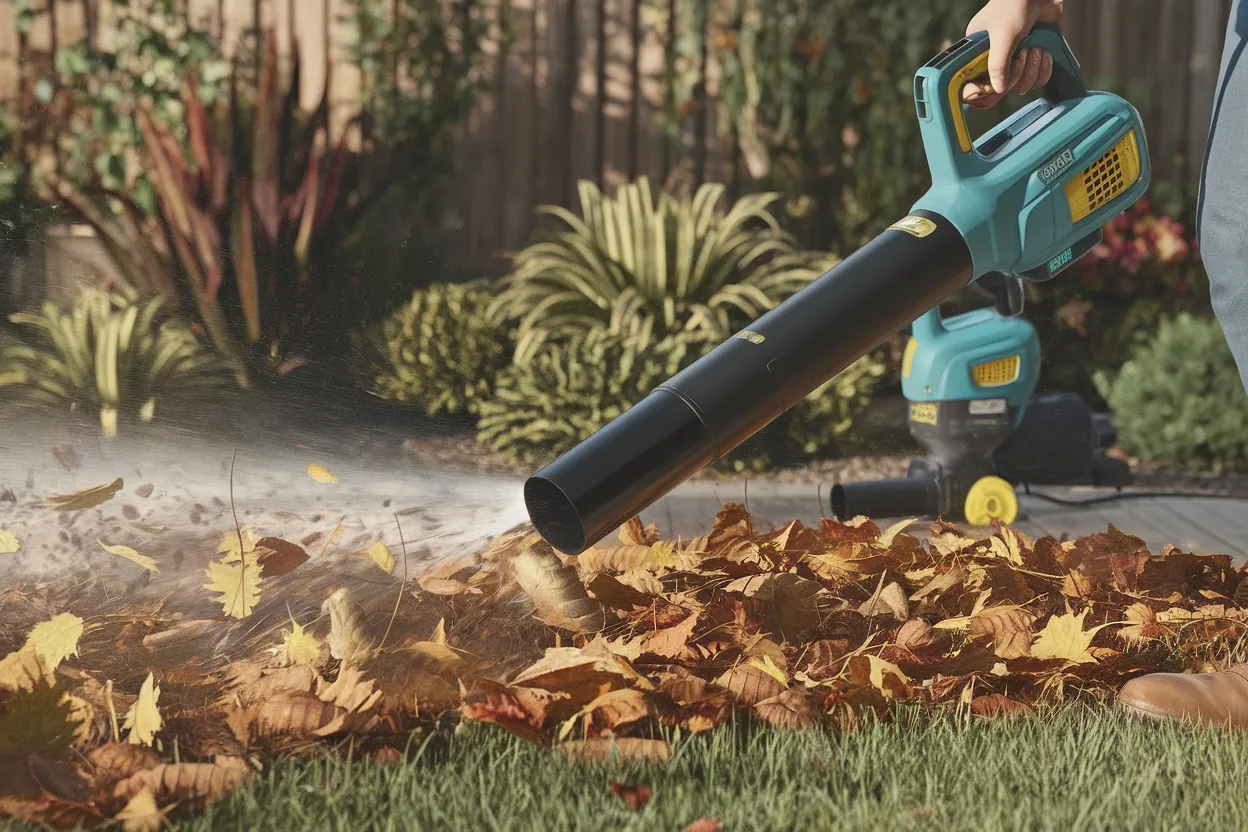
Ah vs Wh explained
Capacity is shown in Ah. But real energy is Wh. This depends on both voltage and Ah. Many buyers ignore this.
Real example from my factory
I tested two blowers:
- 20V 4.0Ah
- 40V 2.0Ah
Both have similar energy. But runtime was close. The difference was not as big as buyers expected.
Why capacity is often hidden
Some suppliers focus on voltage because it looks stronger. Capacity numbers are less attractive but more important.
| Battery Type | Voltage | Capacity | Energy (Wh) | Runtime Impact |
|---|---|---|---|---|
| A | 20V | 4.0Ah | 80Wh | Long |
| B | 40V | 2.0Ah | 80Wh | Similar |
Why system efficiency matters more than voltage?
Many buyers do not consider system efficiency. But this is where real performance comes from.
System efficiency determines how well energy is converted into airflow. A high-efficiency system delivers longer runtime and better performance, even with lower voltage.
Motor type matters
Brushless motors are more efficient. They waste less energy. They give longer runtime.
Controller and design
The controller manages power output. A good controller keeps power stable. Poor design wastes energy.
Air path design
Airflow channel design affects efficiency. A poor design needs more power to achieve the same airflow.
| Component | Low Efficiency | High Efficiency |
|---|---|---|
| Motor | Brushed | Brushless |
| Controller | Basic | Smart control |
| Air Design | Narrow | Optimized |
How airflow and runtime work together?
Some buyers only look at airflow numbers. Others only look at runtime. Both need to be balanced.
Airflow and runtime must be balanced. High airflow reduces runtime. A good blower design keeps strong airflow while maintaining usable working time.
CFM and speed
Airflow is measured in CFM. Higher CFM means stronger blowing power. But it uses more energy.
Real usage scenario
In garden cleaning, users switch modes. They do not use max power all the time. This is why multi-speed design7 is important.
Balance strategy
I always suggest medium mode as main working mode. It gives good airflow and reasonable runtime.
| Mode | Airflow | Energy Use | Runtime |
|---|---|---|---|
| Low | Low | Low | Long |
| Medium | Balanced | Medium | Balanced |
| High | Strong | High | Short |
Common mistakes buyers make when comparing blowers?
I see many repeated mistakes. These mistakes lead to wrong product selection.
Buyers often compare voltage only, ignore runtime conditions, and trust unclear specifications. These mistakes lead to poor user experience and higher return rates.
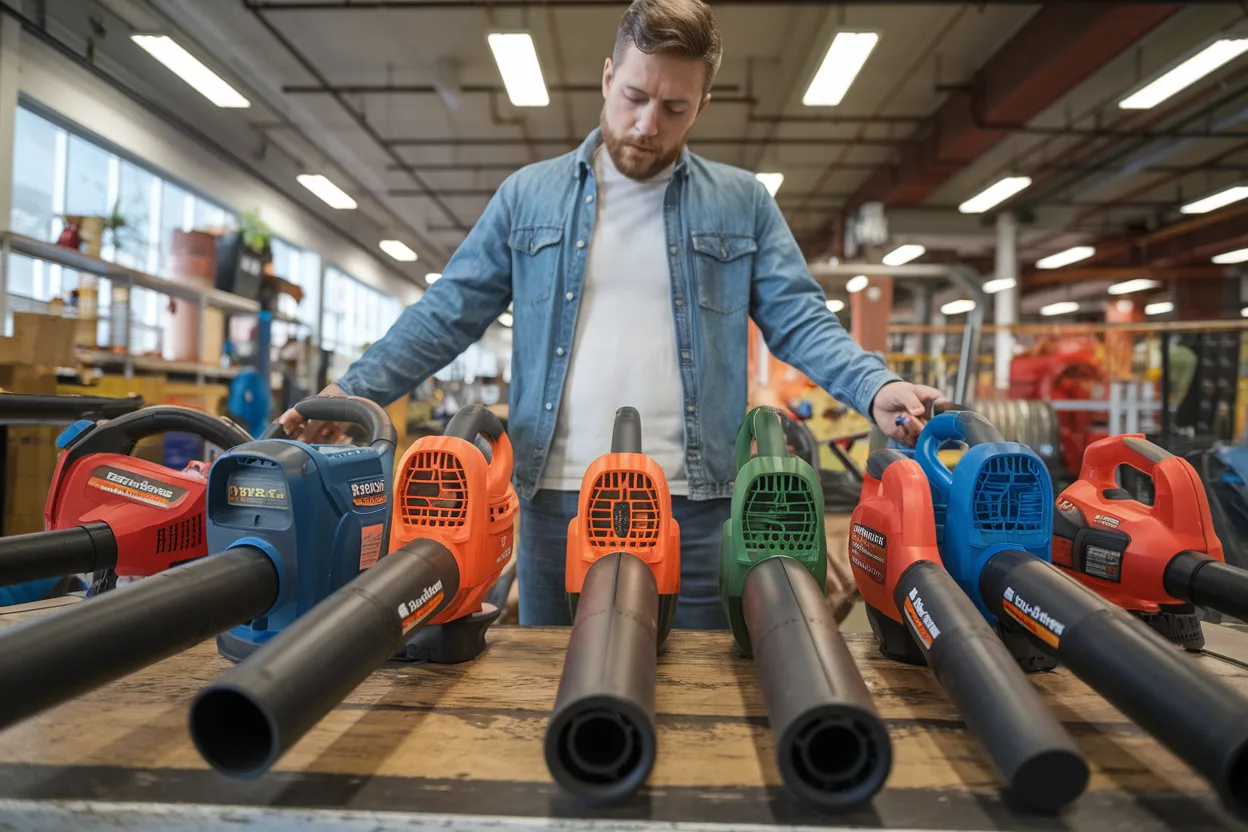
Mistake 1: Only checking voltage
Voltage is easy to compare. But it does not show real performance.
Mistake 2: Ignoring test conditions
Runtime without airflow level is meaningless. Many suppliers hide this.
Mistake 3: No system thinking
Buyers focus on one spec. But tools are systems. Battery, motor, and design all matter.
| Mistake | Result | Risk |
|---|---|---|
| Only voltage | Wrong choice | High |
| No runtime detail | Misleading | High |
| Ignore system | Poor performance | Medium |
How to choose the right blower based on real usage?
Many buyers ask me where to start. The answer is always the same. Start from real use.
The right blower depends on usage scenario. Light cleaning needs long runtime. Heavy work needs higher airflow. The best choice balances both.
Define your user
Home users and professional users have different needs. This affects product choice.
Match battery and tool
Battery size should match work time needs. Oversized batteries increase cost.
My advice to new brands
I always suggest starting with 2 models:
- Entry model with long runtime
- Mid model with balanced power
| User Type | Need | Suggested Setup |
|---|---|---|
| Home | Light work | Small battery |
| Semi-pro | Mixed work | Medium battery |
| Pro | Heavy work | High capacity |
Why battery platform design affects long-term value?
Many buyers think only about one product. But long-term success depends on platform.
Battery platform design allows multiple tools to share the same battery. This reduces cost, improves user experience, and increases repeat orders.
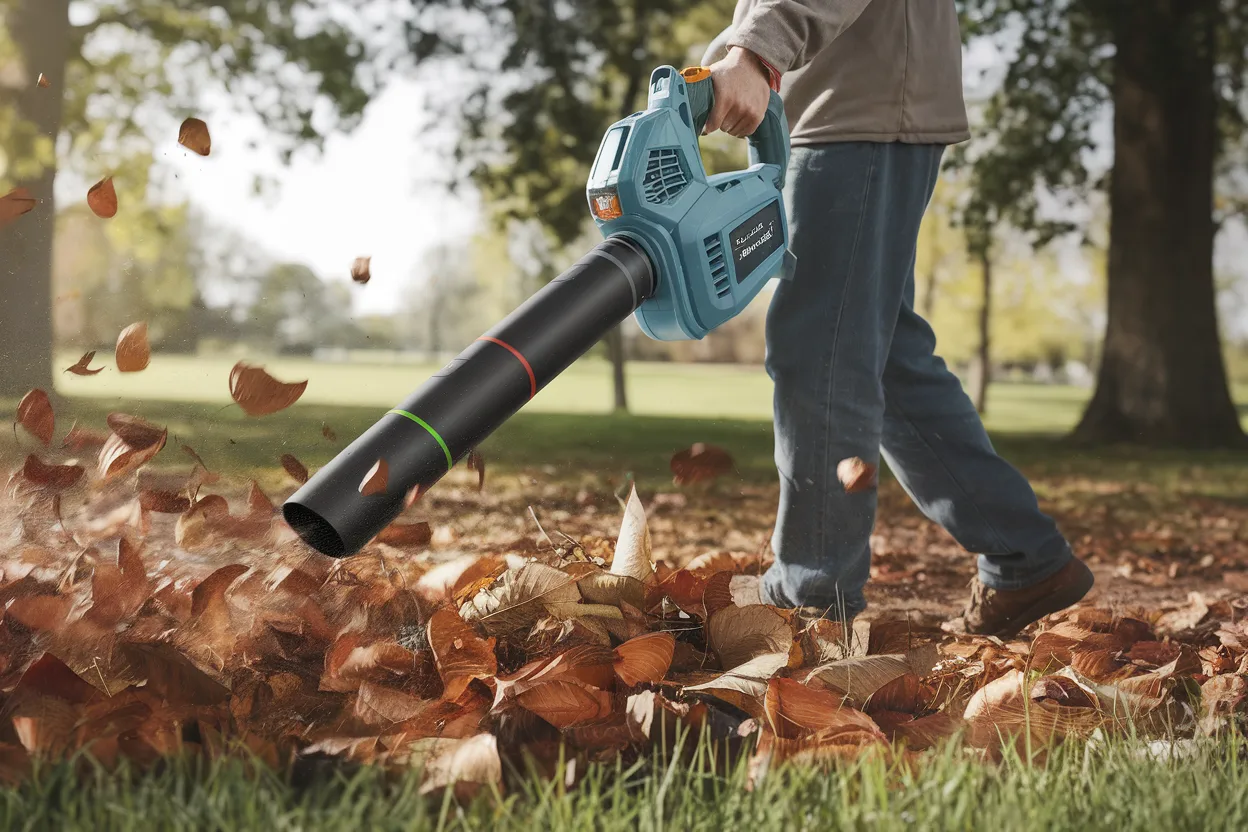
Platform strategy
A shared battery system supports many tools. This builds a product ecosystem8.
Cost advantage
Users buy more tools without extra batteries. This increases sales.
Real case from Europe
One Italian client started with blowers. Then added chainsaws and trimmers. All used the same battery. Sales increased fast.
| Platform | Single Tool | Multi Tool System |
|---|---|---|
| Cost | Higher | Lower per tool |
| User Loyalty | Low | High |
| Growth | Limited | Strong |
Conclusion
I always tell my clients to focus on real use, not numbers. Runtime shows real value. A good system builds long-term business and reduces risk when entering cordless tools.
-
Identifying runtime issues can help you avoid poor product choices. ↩
-
Understanding runtime helps you choose a blower that meets your real working time needs. ↩
-
Discover how system design affects efficiency and user satisfaction. ↩
-
Explore how battery performance influences runtime and overall tool effectiveness. ↩
-
Understanding airflow is crucial for selecting a blower that meets your cleaning needs. ↩
-
Learn how test conditions can reveal the true performance of a blower. ↩
-
Explore how multi-speed options can optimize performance for different tasks. ↩
-
Understanding product ecosystems can help you make informed purchasing decisions. ↩