
I still remember the first time I heard the term “OEM1.” I had just started in international trade and everyone spoke as if it was obvious. I was completely lost. Over the years, visiting factories and learning from mistakes, I finally understood—it’s simpler than it sounds.
OEM means a company manufactures a product based on another company’s design, brand, or requirements. The buyer controls the brand, and the supplier handles production.
Sometimes I think of OEM like this: you write the script, I film the movie. But in this case, the movie’s success depends on both of us.
What does it mean when a product is OEM?
When I explain OEM to buyers, I like to use real-life examples. Many newcomers get confused by the term and miss opportunities.
OEM means a supplier makes goods under the buyer’s brand and specifications. The supplier manages production and engineering, while the buyer controls branding, packaging, and market positioning.

Dive Deeper: How OEM Works in Practice
Over the years, I’ve seen all kinds of OEM requests. Some clients only want to change colors, others need new molds or custom safety features. OEM isn’t about making things cheaper; it’s about flexibility and collaboration2.
Here’s a simple table to explain common OEM types:
| OEM Type | Description |
|---|---|
| Light OEM | Change color, logo, or packaging |
| Medium OEM | Adjust features, battery type, or materials |
| Full OEM | New molds, custom structures, private product design |
Think of OEM like baking different types of bread from the same flour—you control the recipe, I handle the oven.
Why this matters: European buyers care less about who made the product, and more about whether it sells, meets certifications3, ships on time, and maintains consistent quality.
Many clients start with small changes, then gradually move to full OEM with unique molds and exclusive features. You can see market insights like OEM power tools trends and private label manufacturing.
The essence of OEM is: you own the brand, we provide manufacturing capacity. Success depends on trust and clear communication.
What are the benefits of OEM?
Here’s where I get straight to the point, because buyers always ask: “What’s in it for me?”
OEM allows buyers to build their own brand, control product features, maintain stable quality, reduce production costs, and scale faster by using the supplier’s existing manufacturing capabilities.

Dive Deeper: Why Buyers Choose OEM
From my experience, European buyers typically fall into three categories:
✔ Brand builders
✔ Rapid product launchers
✔ Competitors seeking differentiation
OEM gives them a shortcut to all three.
1. Lower risk, faster launch
Designing a new 21V drill from scratch costs tens of thousands of euros for molds, testing, and certification. OEM lets you skip that. You can start with a proven design and adjust what you need.
At YOUWE, our mature product structures, certifications, and production experience make it easy for buyers to start selling quickly.
2. Brand control
You can change color, packaging, and logo to make the product fully yours. In Europe, this is critical in a competitive market.
I once had a client in Poland who simply switched our 16.8V drill to orange. A year later, his brand became a local hit on social media.
3. Better profit margins
OEM allows you to sell more than a product—you sell trust. Buyers pay for consistent quality and brand reliability. That’s the “brand premium” in action.
4. Flexibility for long-term growth
As sales grow, buyers can move from minor modifications to deep product development. OEM provides a stable path for scaling your business. You can explore trends like brand differentiation in tools for guidance.
What are the disadvantages of OEM parts?
OEM isn’t perfect. I’ve learned the hard way, and I’ve seen clients run into trouble.
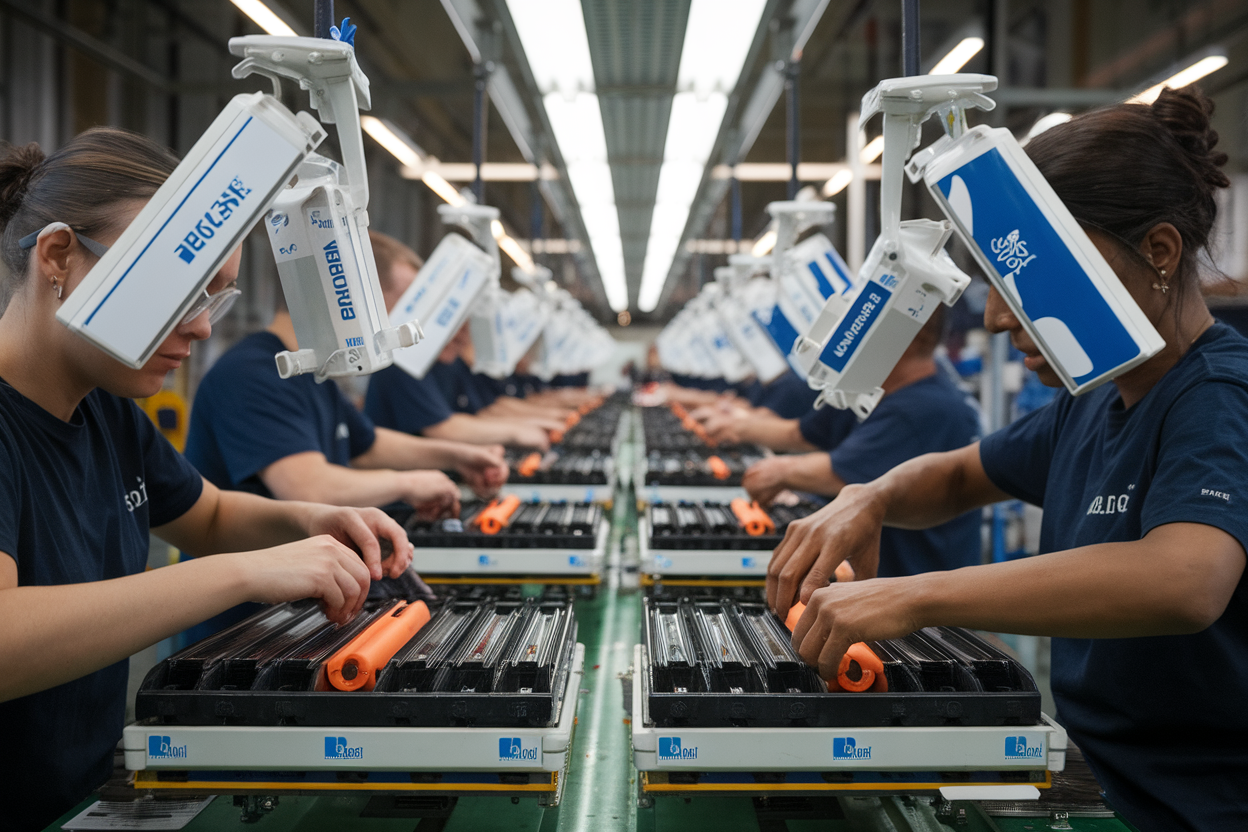
OEM parts can limit customization, create dependency on the manufacturer, require higher MOQs, and cause compatibility or warranty issues if not managed properly.
Dive Deeper: Common Challenges with OEM
1. Supplier dependency
If your supplier has production or quality issues, your business suffers. Material changes without notice can cause customer complaints and returns.
At YOUWE, we maintain transparent quality control to avoid such risks.
2. High minimum order quantities (MOQs)
Custom designs often require higher MOQs, especially with new molds or PCBs. Small adjustments like color and logo are easier to manage with lower quantities.
3. Compatibility and warranty issues
OEM parts may not fit other brands’ systems. Buyers must rely on the same supplier for spare parts to maintain warranties.
4. Certification risks
Certifications are critical in Europe. Some suppliers use fake documents, leading to shipments being held at customs. I’ve seen clients lose two months on 18 pallets due to fake CE or EMC reports.
Always verify certificates and documentation.
Conclusion
OEM isn’t a complicated term—it’s a collaboration model. Done right, it lets you expand your brand faster and maintain quality. Choosing a reliable supplier is key to turning OEM into a powerful growth engine.
-
Understanding OEM is crucial for anyone in international trade, as it defines the relationship between buyers and manufacturers. ↩
-
Flexibility and collaboration can enhance product development; find out how to implement these in your strategy. ↩
-
Certifications ensure product quality and compliance; learn how to navigate this aspect effectively. ↩