
I often talk with buyers who feel confident at first. Then reality hits. Battery issues appear. Costs rise. Complaints grow. Many brands struggle because cordless tools1 are harder than they look.
First-time cordless brands fail not because of effort, but because of wrong decisions early. Most mistakes come from battery systems, product scope, testing, service planning, and short-term thinking.
I still remember my first OEM buyer in Europe. He came from hardware distribution. He knew margins. He knew channels. He did not know cordless tools. His story is common. That is why I write this.
Why do first-time cordless brands struggle more than expected?
Many buyers think cordless tools are just motor plus battery. That idea causes trouble. Cordless tools are systems. They involve safety rules, battery logic, and long-term support.
First-time brands struggle because they treat cordless tools as products, not systems. They copy what they see, but they do not control what they sell.
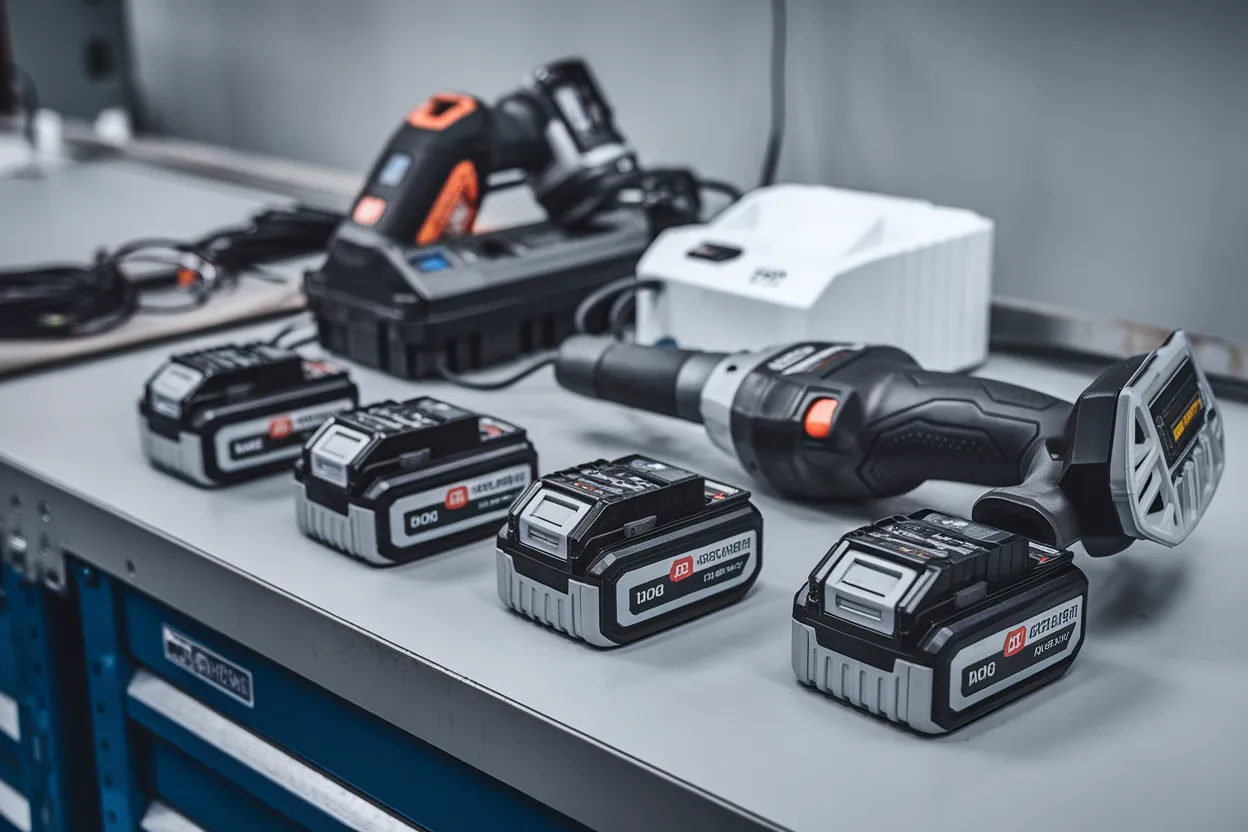
I see this pattern often. Buyers already sell hardware, garden tools, or industrial items. They trust their experience. They move fast. They skip basic learning. Then problems appear after launch.
Cordless tools are system businesses
I always explain this first. A cordless tool is not one SKU. It is a battery platform. It includes chargers, cells, BMS, firmware, plastics, and compliance files. Each part affects the next order.
Many first-time brands choose tools one by one. They change batteries between models. They change suppliers too often. This breaks consistency.
Hidden gaps between sample and market
Samples look fine. Real orders show issues. Heat. Noise. Battery drop. Small differences become big problems after six months of sales. Buyers feel surprised. I am not.
Typical gaps I see
| Area | What buyers expect | What really happens |
|---|---|---|
| Battery | One battery fits all | Different packs fail |
| Cost | Stable pricing | Cell price changes |
| Lead time | Fixed | Battery delays |
| Compliance | One test | Many updates |
I learned this lesson early. Since then, I always slow buyers down before they move too fast.
Mistake #1: Choosing battery specs before choosing a battery system?
Specs look clear. 21V. 4.0Ah. Brushless. Buyers love numbers. But numbers alone do not build brands.
Battery specs do not equal battery systems. A system defines compatibility, safety, and future expansion.
Specs sell. Systems survive
Many buyers start with voltage and capacity. They ask for higher numbers. They think higher equals better. They forget structure.
A battery system includes pack size, rail design, BMS logic, and charger match. If one part changes, the whole line breaks.
What happens when systems are ignored
I saw one brand use three battery shapes in one year. Retailers complained. Users complained more. The brand lost trust.
System-first thinking
| Decision | Spec-first | System-first |
|---|---|---|
| Battery | One model | Platform |
| Tools | Random | Planned |
| Cost | Short-term | Predictable |
| Expansion | Hard | Easy |
When I guide new buyers, I always start from system planning. Specs come later.
Mistake #2: Launching too many tools to look professional?
Many new brands want full catalogs. They think buyers want many SKUs. This idea causes cash pressure and confusion.
Launching many tools early increases risk. Focus builds control and learning.
Why buyers rush SKUs
I hear this often. Competitors have 20 models. Retailers expect ranges. Brands fear looking small. So they launch fast.
What really happens
More SKUs mean more batteries, molds, cartons, manuals, and tests. Problems multiply. Teams lose focus.
A safer launch structure
| Stage | SKU count | Goal |
|---|---|---|
| Year 1 | 3 to 5 | Market test |
| Year 2 | 6 to 10 | Line build |
| Year 3 | Platform | Scale |
I always tell buyers this. Small does not mean weak. It means controlled.
Mistake #3: Believing supplier spec sheets instead of testing tools?
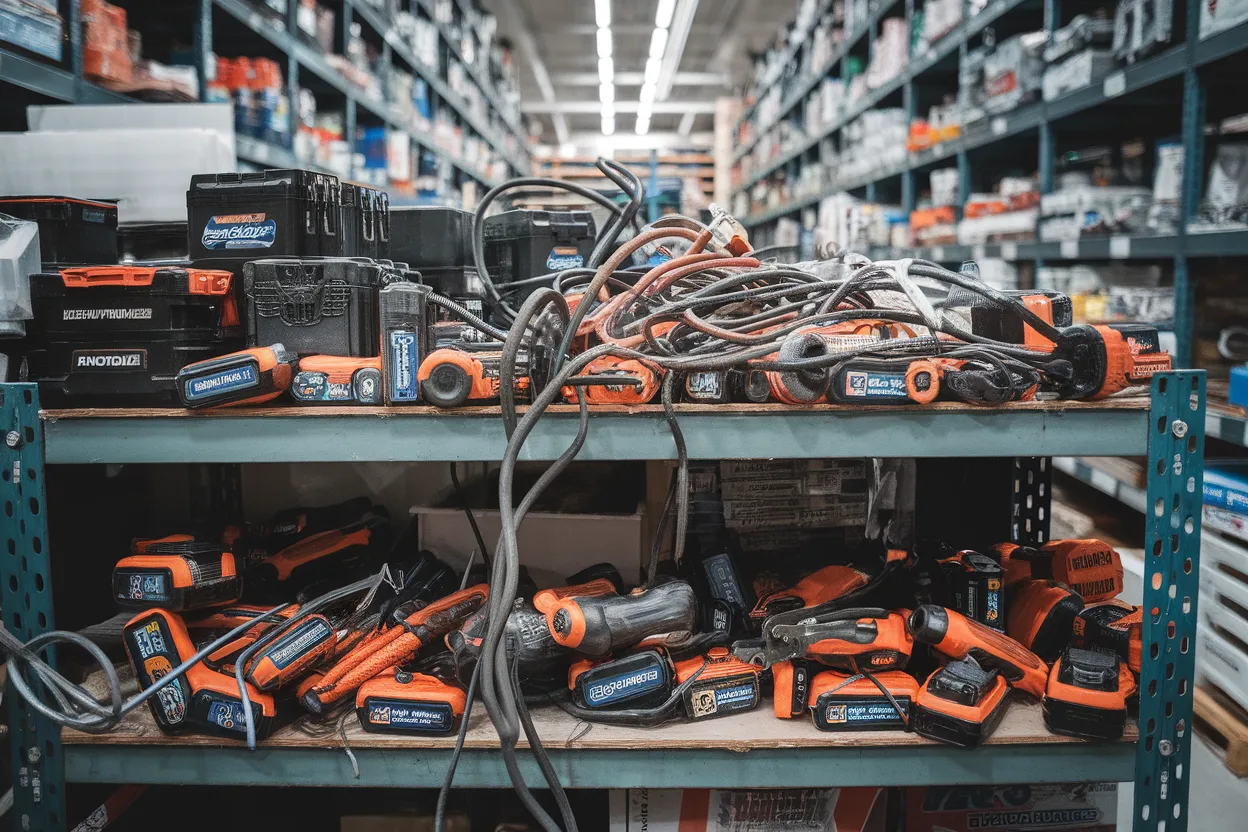
Paper data looks clean. Real tools behave differently. Many buyers trust sheets too much.
Spec sheets show potential. Testing shows truth.
Why sheets mislead
Specs are measured in labs. Real users push tools harder. Heat rises. Batteries drain faster.
Tests that matter
I always push buyers to test cutting time, load time, and battery cycles. Short tests are not enough.
Basic tests I recommend
| Test | Reason |
|---|---|
| Load run | Heat check |
| Drop test | Housing strength |
| Cycle test | Battery life |
| Charger test | Safety |
I learned this from early warranty claims. Testing saved me later.
Mistake #4: Underestimating after-sales and warranty expectations?
Many brands focus on launch. They forget service. Europe buyers do not.
After-sales defines brand trust more than first sales.
Europe buyer reality
Italy, Germany, and Spain buyers ask about parts, repair, and battery policy early. Silence kills deals.
Common service gaps
| Area | Issue |
|---|---|
| Batteries | No stock |
| Motors | Long lead time |
| Manuals | Poor language |
| Policy | Unclear terms |
I always advise buyers to plan service before sales.
Mistake #5: Competing only on price in the first year?
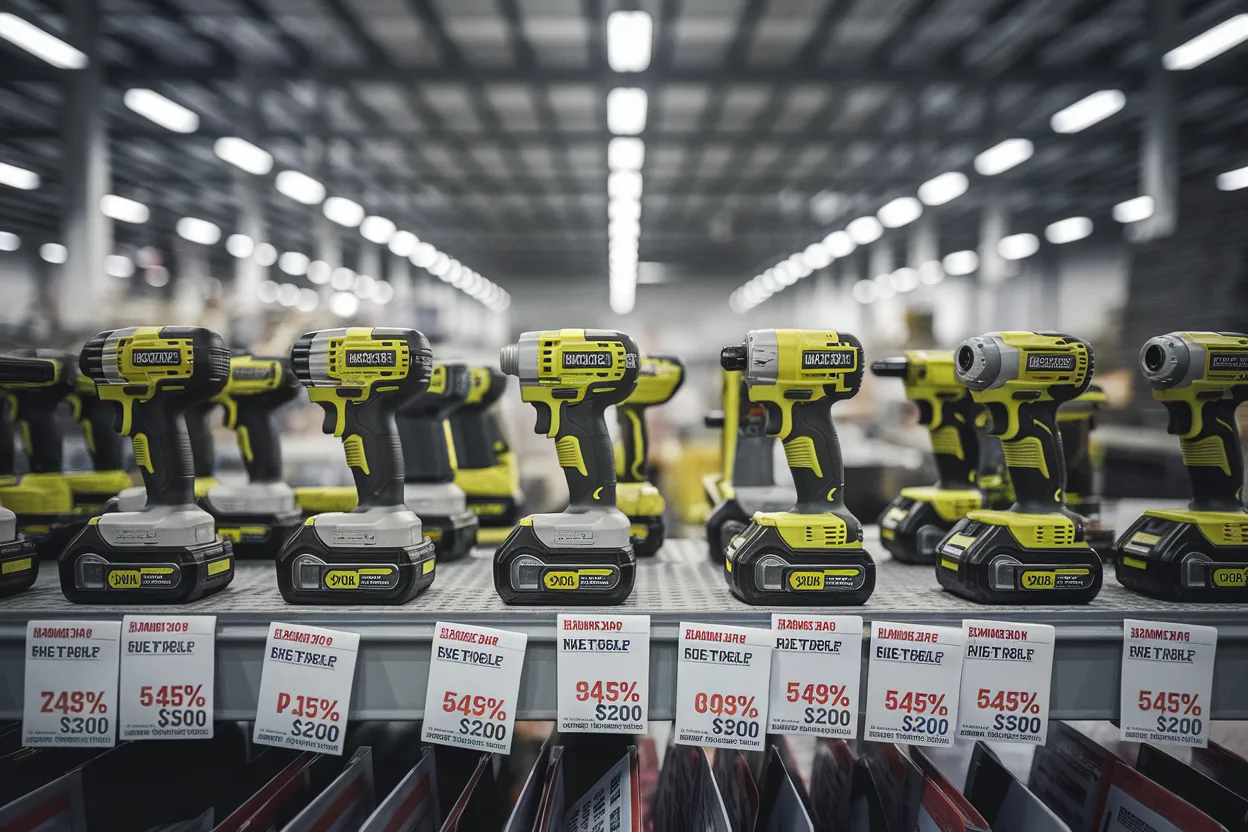
Low price feels safe. It attracts attention. It also attracts trouble.
Price-only brands face faster failure and higher stress.
Why low price fails
Margins disappear fast. Battery cost moves. Claims rise. Brands panic.
Better first-year focus
| Focus | Result |
|---|---|
| Stability | Trust |
| System | Repeat orders |
| Support | Fewer claims |
I tell buyers this. Year one is for learning, not racing.
Mistake #6: Treating cordless tools as short-term projects?
Some buyers want quick wins. Cordless tools do not work that way.
Cordless tools reward patience and long planning.
What long-term brands do
They fix battery platforms. They listen to claims. They improve slowly.
What short-term brands face
| Issue | Impact |
|---|---|
| Platform change | Lost users |
| Supplier switch | Inconsistent quality |
| Exit early | Brand damage |
I built YOUWE with this lesson in mind.
Conclusion
I wrote this for buyers who feel unsure. Mistakes are normal. Planning reduces pain. Cordless tools reward patience. If you move step by step, the market becomes clear.
-
Explore this link to gain insights into the complexities of cordless tools and how they function as integrated systems. ↩