Many distributors struggle with pricing in cordless tools1. They mix entry models and premium tools in one range. This creates confusion and weak profit. I often see brands losing channel control because of this mistake.
A price ladder in cordless power tools is a structured product pricing system that separates entry, mid, and premium tools clearly. It helps distributors sell step by step and improves long-term profit stability.
When I work with importers in Germany, Italy, and Spain, I see the same problem. They want to enter the cordless market fast. But they do not know how to build a clear product structure. A weak pricing structure creates chaos in sales channels. This article explains how I design a stable price ladder in real OEM and ODM projects.
What Is a Price Ladder in Cordless Power Tools?
Many buyers think price is only about cost and margin. But I see it as a structure that defines how a brand grows in the market.
A price ladder is a structured system that divides cordless tools into entry, mid, and premium levels to guide customer choice and protect brand positioning.

When I design a product line for a distributor, I never start from one model. I start from three layers. This is the core logic.
Entry Level Tools
Entry tools target price sensitive buyers. These products often use basic brush motors or lower capacity battery packs. I design them for volume. Not for margin.
Mid Tier Tools
Mid tier is the real sales engine. I usually use brushless motors and stable 21V platforms. Most European importers prefer this range because it balances cost and performance.
Premium Tools
Premium tools focus on performance and durability. These include higher torque wrenches, professional chainsaws, and multi-battery systems like 40V platforms.
| Tier | Target Buyer | Battery System | Strategy |
|---|---|---|---|
| Entry | Price buyers | 12V / basic 21V | Volume |
| Mid | Distributors | 21V brushless | Core profit |
| Premium | Professionals | 40V system | Brand value |
A price ladder is not just pricing. It is a market structure tool. I always remind my clients that without structure, sales channels will collapse under competition pressure.
How Should Cordless Power Tools Be Structured Into Entry, Mid, and Premium Tiers?
Many importers ask me how to separate product tiers without overcomplicating their catalog.
I structure cordless tools into three tiers based on motor type, battery platform, and use case clarity to simplify sales and protect brand identity.
When I work with OEM clients in France or Poland, they often start with too many models. I reduce complexity first.
Motor Technology Defines Tier
Brush motor tools always belong to entry level. Brushless tools belong to mid and premium. This rule avoids confusion in positioning.
Battery Platform Controls Expansion
I always recommend 21V as the main platform. Entry uses simplified packs. Mid uses higher capacity. Premium moves to 40V systems.
Use Case Separation
I separate tools by job type. Garden tools, like hedge trimmers, belong to different ladder logic than drills or grinders.
I once worked with a distributor in Spain. They had 18 similar drills. Their sales were weak. After restructuring into 3 tiers, their conversion rate improved in 6 months.
Why Is a Unified Battery Platform Important for Price Ladder Strategy?
Battery confusion is one of the biggest problems I see in OEM projects.
A unified battery platform reduces cost, simplifies product range, and strengthens the entire price ladder structure.
When I design systems for YOUWE clients, I always start from battery logic first.
Cost Control
One battery platform2 reduces production complexity. It also reduces packaging and certification cost. This is important for European importers under CE and EMC rules.
Cross Selling Power
When tools share the same battery, customers buy more tools. A 21V system can support drills, saws, and blowers together.
Inventory Efficiency
Distributors reduce warehouse pressure. They no longer need separate chargers and battery types for every SKU.
| Benefit | Impact |
|---|---|
| Cost reduction | High |
| SKU simplification | High |
| Channel efficiency | Medium |
| Customer loyalty | High |
I always tell my clients in Germany and Italy that battery system is not a technical detail. It is the core of their business model.
How Does a Price Ladder Help Distributors Increase Profit and Reduce Risk?
Many distributors think profit comes from higher prices. But I see it differently.
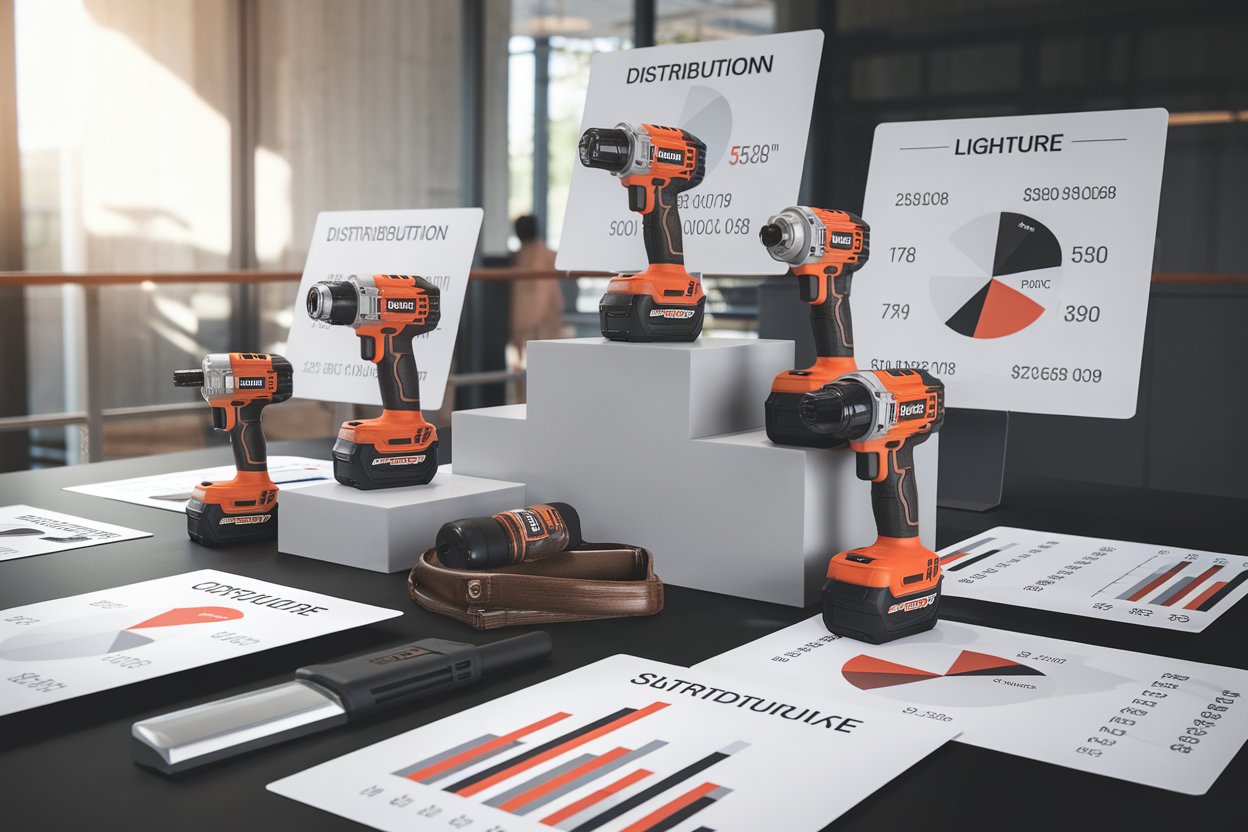
A price ladder increases profit by guiding customers from entry products to higher margin mid and premium tools.
Step Up Selling
Customers rarely buy premium tools first. They start from entry or mid. A clear ladder helps them move up naturally.
Risk Reduction
If one product fails in the market, the full system still works. This reduces dependency on one SKU.
Channel Stability
Distributors avoid price wars because each tier has a clear role.
I once worked with a distributor in Brazil. They had only mid-range tools. When competitors lowered price, they lost sales fast. After we built a ladder system, they recovered stability.
How Do Brands Avoid Channel Conflict When Building a Price Ladder?
Channel conflict is a common issue in cordless tool brands.
Brands avoid channel conflict by clearly separating product tiers, pricing rules, and customer positioning across distribution channels.
Clear Tier Definition
Each channel sells different tiers. Online sellers focus on entry. Retail chains focus on mid. Professional distributors focus on premium.
Controlled SKU Access
Not every distributor gets all models. I control SKU access based on channel type.
Price Discipline
I set clear pricing boundaries. This avoids undercutting between partners.
| Channel Type | Product Focus | Risk Level |
|---|---|---|
| E-commerce | Entry | High |
| Retail | Mid | Medium |
| Industrial | Premium | Low |
In my experience, conflict happens when brands grow too fast without structure.
What Are the Common Mistakes in Building a Price Ladder?
Many new brands make the same mistakes.
The most common mistakes include overlapping tiers, unclear battery strategy, and ignoring market differences.
Too Many Similar Models
Brands often create 10 drills that look the same. This confuses buyers.
No Battery Strategy
Without a unified platform, costs increase fast and inventory becomes messy.
Ignoring Market Needs
Germany needs reliability. Brazil needs price. One structure cannot fit all.
I saw a client in Eastern Europe fail because they copied a Chinese catalog directly. They did not adapt tiers. Sales dropped in 3 months.
How Can Different Markets Require Different Pricing Ladders?
Different countries do not buy tools the same way.
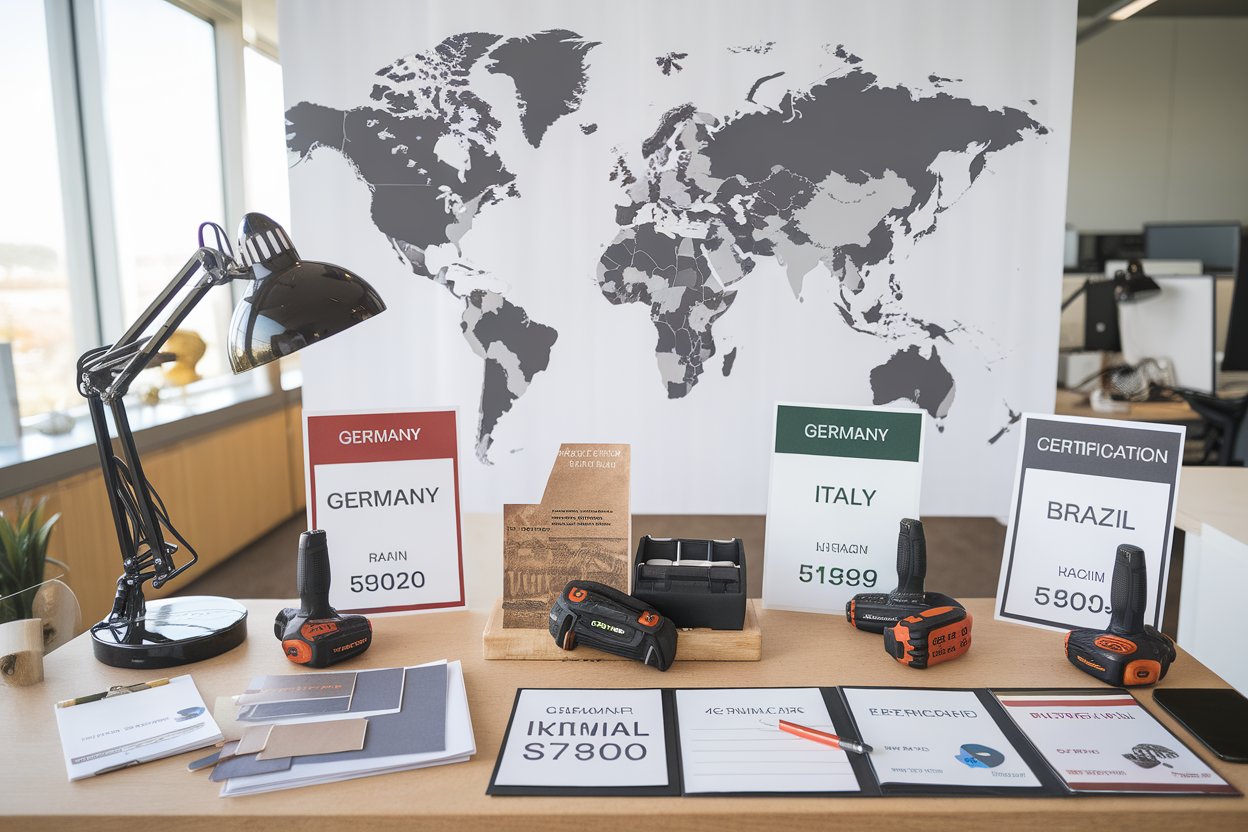
Markets like Germany, Italy, and Spain require different price ladder designs based on demand, competition, and certification needs.

Germany
Germany focuses on durability and certification. Mid and premium tiers are stronger here.
Italy and Spain
These markets are price sensitive but design driven. Entry and mid dominate.
Latin America
Price is key. Entry level has higher share.
| Market | Main Tier | Focus |
|---|---|---|
| Germany | Mid / Premium | Quality |
| Italy | Mid | Balance |
| Spain | Entry / Mid | Price |
| Brazil | Entry | Volume |
I always adjust product mix before entering a new market. One ladder cannot fit all regions.
How Can Manufacturers Design a Price Ladder That Supports OEM/ODM Brands?
Manufacturers play a key role in price ladder success.
Manufacturers design OEM/ODM price ladders by offering structured product platforms, flexible customization, and scalable battery systems.
Platform First Design
I always start with a base platform like 21V system. Then I build multiple SKUs from it.
Customization Layer
Brands can change color, logo, and packaging without changing core structure.
Scalable Product Roadmap
Clients can start with 5 SKUs and expand to 30 SKUs without breaking structure.
I often tell new importers that they do not need everything at once. They only need a stable structure to grow step by step.
Conclusion
A price ladder is not only a pricing tool. It is a growth system. I design it to help distributors reduce risk and build stable cordless tool brands. The right structure always wins in long term cooperation.