Many gardeners still use manual pruning tools1. I often see people struggle with thick branches and long hours of cutting. Hand fatigue becomes a real problem. Garden work slows down.
Cordless pruning shears are becoming essential because they reduce physical effort, increase cutting efficiency, and produce cleaner cuts. Modern lithium battery technology makes them reliable tools for both professional gardeners and serious home users.
I often talk with importers from Italy, Spain, and Germany who want to enter the cordless garden tool market. Many of them ask me one question. Why are cordless pruning shears suddenly everywhere? I usually tell them the same thing. The change comes from labor cost2, battery technology, and user expectations3.
Why traditional pruning tools are becoming less practical?
Manual pruning tools worked well for many years. I used them too when I first worked in the garden tool industry. But many users now find them slow and physically demanding.
Traditional pruning tools are becoming less practical because they require high physical effort, reduce productivity, and create inconsistent cuts during long working hours.
Physical effort limits productivity
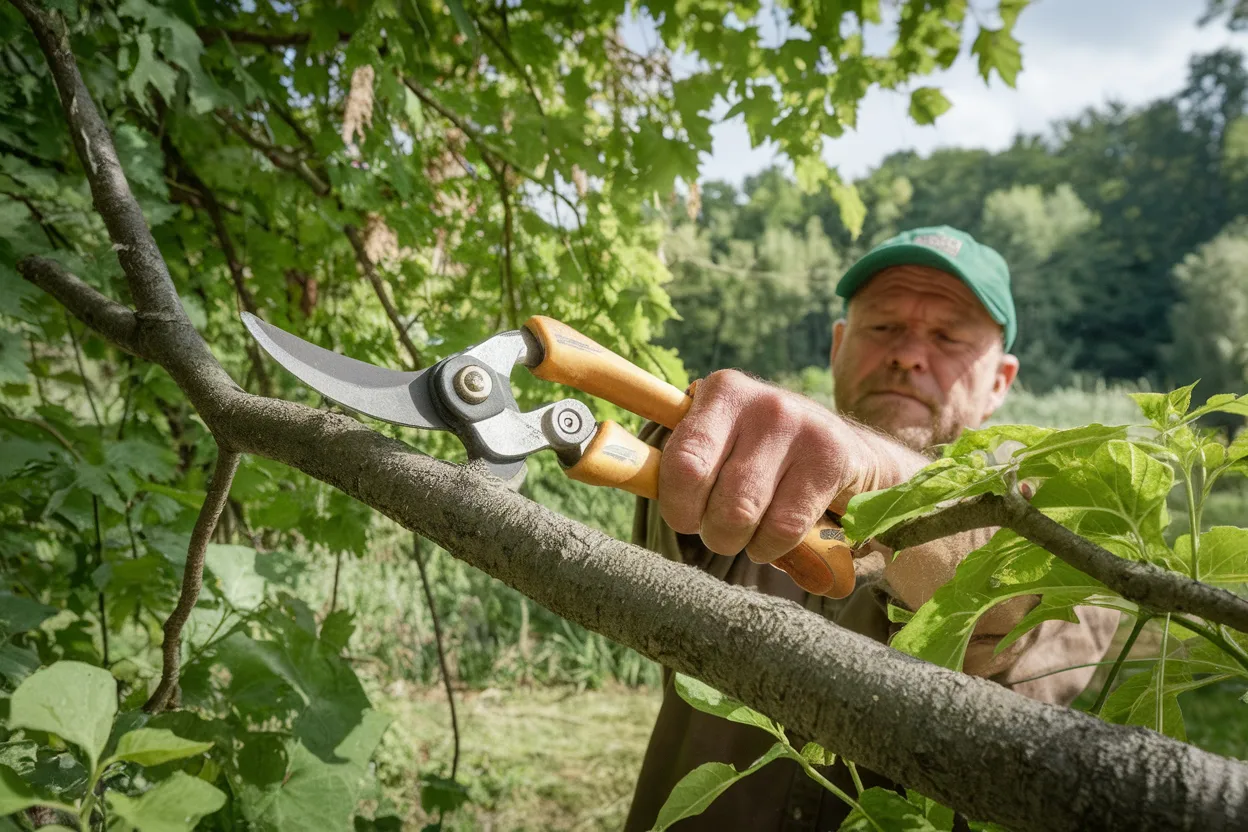
Manual pruning shears rely fully on hand strength. Gardeners must apply force for every cut. This becomes difficult when branches are thick or when work lasts several hours.
Professional gardeners often prune hundreds of branches in one day. Repeating the same hand motion creates fatigue. Many users slow down after one or two hours.
I often hear this from vineyard owners in Southern Europe. Labor cost is rising. Workers cannot spend extra time cutting branches manually.
| Factor | Manual Pruning Tools | Cordless Pruning Shears |
|---|---|---|
| Cutting force | Fully manual | Motor assisted |
| Worker fatigue | High | Low |
| Daily productivity | Limited | Higher |
| Training required | Low | Low |
Labor shortages change gardening practices
Many agricultural sectors now face labor shortages. Vineyards, orchards, and landscaping companies struggle to find skilled workers.
I spoke with a buyer from Spain last year. He told me his workers cannot finish pruning work4 in time during peak season. He started testing cordless pruning shears. His team finished the same work almost one day earlier.
This type of story repeats across many markets.
Manual tools create inconsistent cutting results
Manual cutting depends on user strength and angle. When workers get tired, cutting quality drops.
Poor cuts can damage plant tissue. This may slow plant recovery or increase disease risk.
Cordless tools solve part of this problem because the motor provides consistent cutting power.
How cordless pruning shears improve efficiency?
Many people think cordless tools only reduce effort. In my experience, the real change is productivity.
Cordless pruning shears improve efficiency by reducing cutting time, lowering physical strain, and allowing workers to prune more branches within the same working hours.
Motor assistance speeds up repetitive work
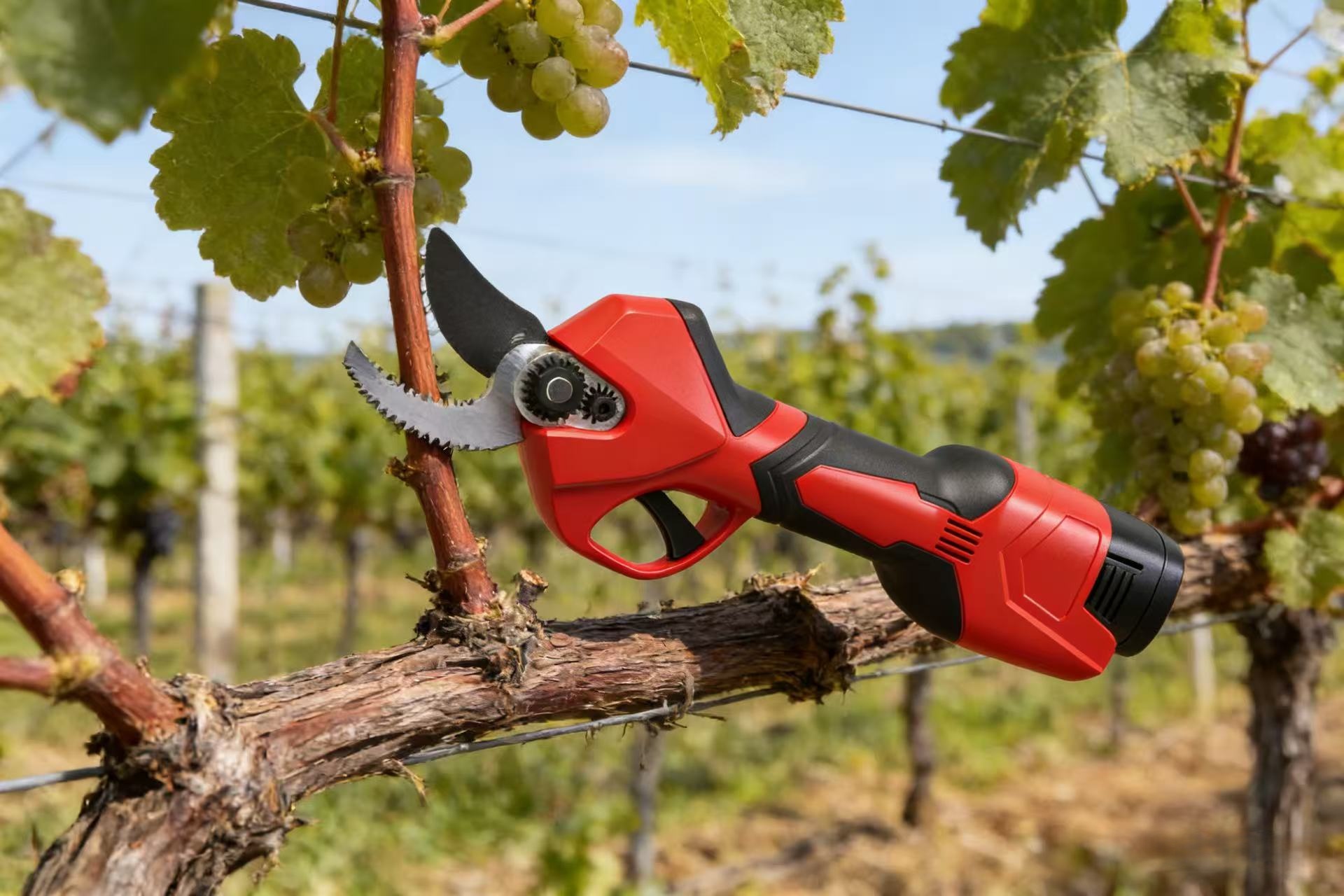
Cordless pruning shears5 use a small electric motor to drive the blade. The user only presses the trigger.
The motor completes the cut in seconds. This saves time during repetitive tasks.
In orchards or vineyards, thousands of cuts may be required. Even saving two seconds per cut creates a large difference.
| Work Scenario | Manual Shears | Cordless Shears |
|---|---|---|
| Cuts per hour | 300 to 400 | 600 to 800 |
| Worker fatigue | High | Low |
| Consistency | Depends on user | Stable |
Workers maintain stable performance longer
Fatigue changes productivity. When workers get tired, cutting speed slows.
Cordless tools reduce hand pressure. Workers maintain a stable rhythm during the day.
I once visited a vineyard testing our pruning shears. Workers finished several rows earlier than usual. The manager told me he noticed the difference within the first week.
Training new workers becomes easier
Manual pruning requires some skill. Workers must control cutting angle and force.
Cordless pruning shears simplify the process. The tool provides the cutting force. The worker focuses on positioning.
This helps new workers start faster.
Precision and cleaner cuts for healthier plants?
Plant health depends heavily on cutting quality. Rough cuts damage plant tissue.
Cordless pruning shears produce cleaner and more precise cuts because motor driven blades apply consistent pressure and stable cutting angles.
Consistent blade movement improves cut quality
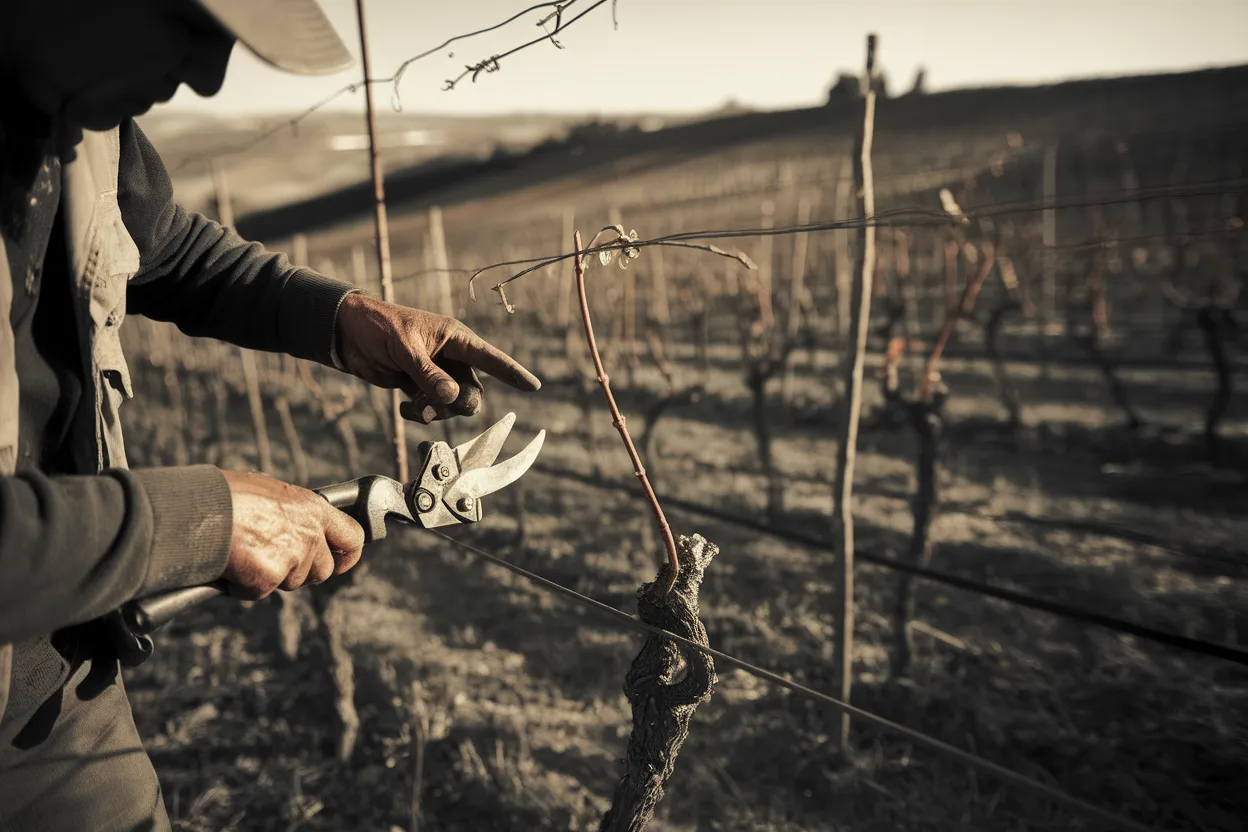
Cordless pruning shears use controlled blade motion. The motor applies stable pressure during the cut.
This produces smoother surfaces on the branch.
Manual tools often produce crushed edges when the user applies uneven pressure.
| Cut Quality Factor | Manual Tools | Cordless Tools |
|---|---|---|
| Cutting pressure | User dependent | Motor controlled |
| Edge smoothness | Variable | More consistent |
| Plant recovery | Slower sometimes | Often faster |
Cleaner cuts reduce plant stress
Plants react to wounds. Clean cuts heal faster. Rough cuts create more stress.
Orchard managers often monitor pruning quality closely. Poor cuts increase disease risk.
Cordless pruning shears help maintain stable cutting performance.
Precision helps in dense plant structures
Many fruit trees have dense branch structures. Workers must position blades carefully.
Cordless tools allow controlled trigger operation. Workers can make quick and precise cuts.
Why cordless pruning shears are popular among professionals?
I notice that professional users adopt new tools faster than hobby gardeners.
Cordless pruning shears are popular among professionals because they save labor cost, increase productivity, and support large scale pruning operations.
Professional users value time savings
Professional gardeners work under time pressure. Seasonal pruning must finish within a limited window.
Cordless pruning shears allow teams to work faster.
A landscaping company may maintain dozens of properties. Time savings translate directly into business efficiency.
| User Type | Main Concern | Tool Preference |
|---|---|---|
| Hobby gardeners | Comfort | Mixed |
| Orchard workers | Productivity | Cordless |
| Landscaping teams | Time efficiency | Cordless |
Higher cutting capacity supports commercial work
Professional models often support larger cutting diameters. Many cordless pruning shears cut branches up to 40 mm or more.
This covers most pruning tasks in orchards or vineyards.
Battery platform compatibility matters for professionals
Professional users prefer tools that share battery systems.
A distributor in Italy once told me he prefers tools built on the same battery platform. This simplifies charging and spare battery management.
Manufacturers like us design pruning shears within a broader cordless tool ecosystem.
Battery technology makes cordless tools more practical?
Many early cordless tools struggled with battery life. That situation has changed.
Modern lithium battery technology makes cordless pruning shears practical because it delivers longer runtime, lighter weight, and stable power output.
Lithium batteries improve runtime
Modern lithium batteries provide strong energy density.
Many cordless pruning shears can perform thousands of cuts per charge.
This supports full day work in many scenarios.
| Battery Type | Typical Runtime | Weight |
|---|---|---|
| Old NiCd batteries | Short | Heavy |
| Lithium batteries | Long | Light |
Battery systems enable cordless ecosystems
Manufacturers now build tool platforms around battery systems.
One battery can power multiple tools.
For example:
| Tool Type | Same Battery Platform |
|---|---|
| Pruning shears | Yes |
| Chainsaws | Yes |
| Grass trimmers | Yes |
| Blowers | Yes |
This approach helps distributors sell tool bundles.
Battery regulations influence European markets
European buyers pay attention to battery compliance.
Products must follow transport regulations and certification requirements such as CE and EMC.
Manufacturers must provide documentation for import procedures.
When cordless pruning shears make the most sense?
Cordless pruning shears are powerful tools. But they are not necessary for every user.
Cordless pruning shears make the most sense when pruning work is frequent, large in scale, or physically demanding for workers.
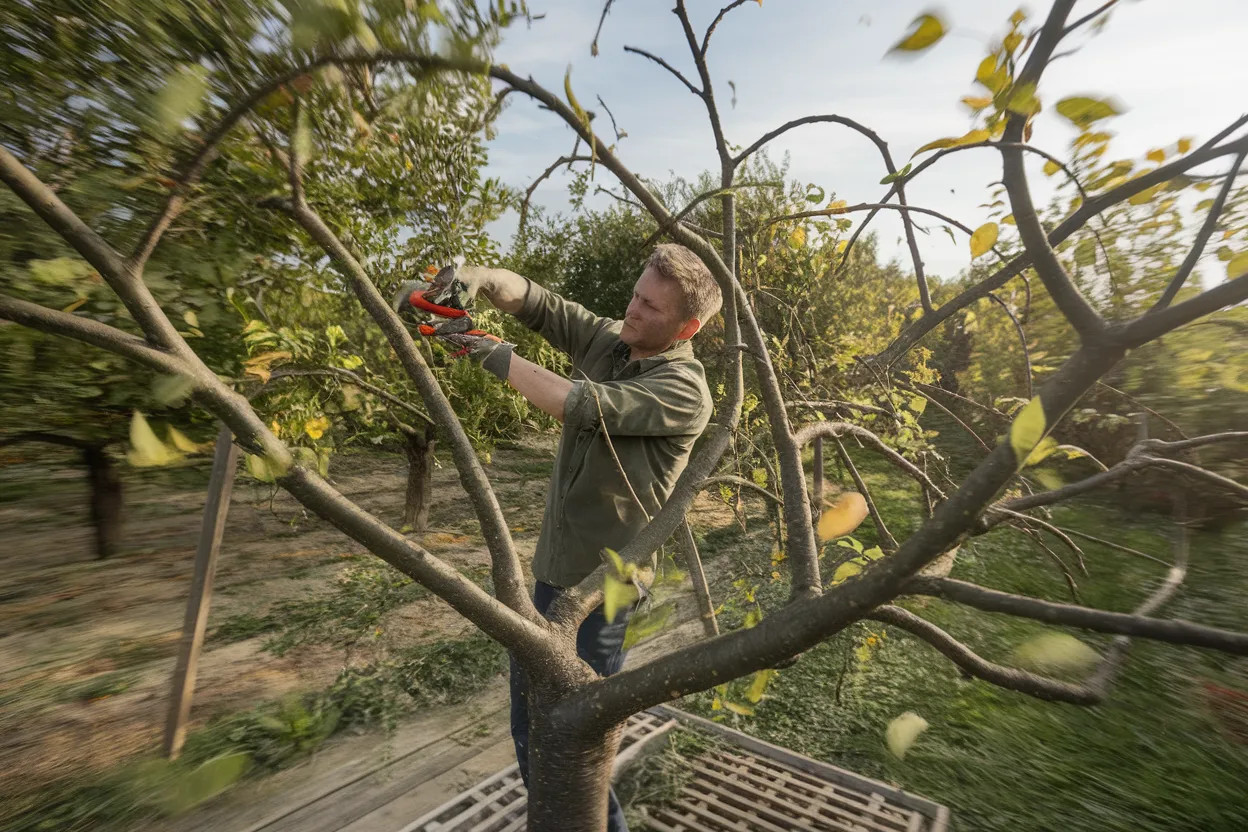
Best scenarios for cordless pruning tools
Some gardening situations benefit strongly from cordless tools.
| Scenario | Benefit |
|---|---|
| Vineyards | Faster seasonal pruning |
| Fruit orchards | Large number of cuts |
| Landscaping companies | Daily professional work |
| Elderly gardeners | Reduced hand effort |
When manual tools still work well
Manual tools remain useful in small gardens or light trimming tasks.
Many users still keep both types of tools.
Market opportunity for new tool brands
I often see distributors testing cordless pruning shears as their first cordless garden tool product.
The product is relatively easy to introduce. It solves a clear problem for users.
Many buyers start with a small order to test market response.
Conclusion
Cordless pruning shears reflect a wider change in gardening tools. Labor cost rises. Efficiency matters more. Battery technology improves every year. Many distributors now see pruning shears as a strong entry product when building a cordless garden tool line.
For companies entering this market, the key decision is not only the tool itself. The battery platform, certification process, and supply chain support also shape long term success. A reliable manufacturing partner can make that first step much easier.
-
Find out the reasons behind the decline in popularity of traditional manual pruning tools. ↩
-
Understand the impact of rising labor costs on gardening and tool choices. ↩
-
Discover how user expectations are evolving and influencing tool design and functionality. ↩
-
Find out the scenarios where cordless pruning shears are most effective and beneficial. ↩
-
Explore the advantages of cordless pruning shears for efficiency and ease of use in gardening. ↩