Cordless tools are everywhere, but many buyers focus only on specs. This can lead to wasted time and money if the battery system1 is weak. I have seen it happen many times with new brand owners.
Choosing the right battery system can make more difference than tool power. A solid battery platform ensures longer runtime, compatibility, and fewer returns.
I remember my first meeting with a European importer. He was excited about a 21V cordless drill with high torque. But the battery lasted only 15 minutes. We spent the next hour showing him how the battery platform mattered more than specs. That moment made me realize why most new buyers underestimate this choice.
What is a battery system in cordless tools?
Many buyers see a cordless tool as just a tool. They do not realize the battery is a whole system that affects performance2, safety, and compatibility. Without the right battery, even the best drill or chainsaw can fail.
A battery system is the combination of the battery, charger, management electronics, and how it connects to tools. It determines power delivery, runtime, and safety.
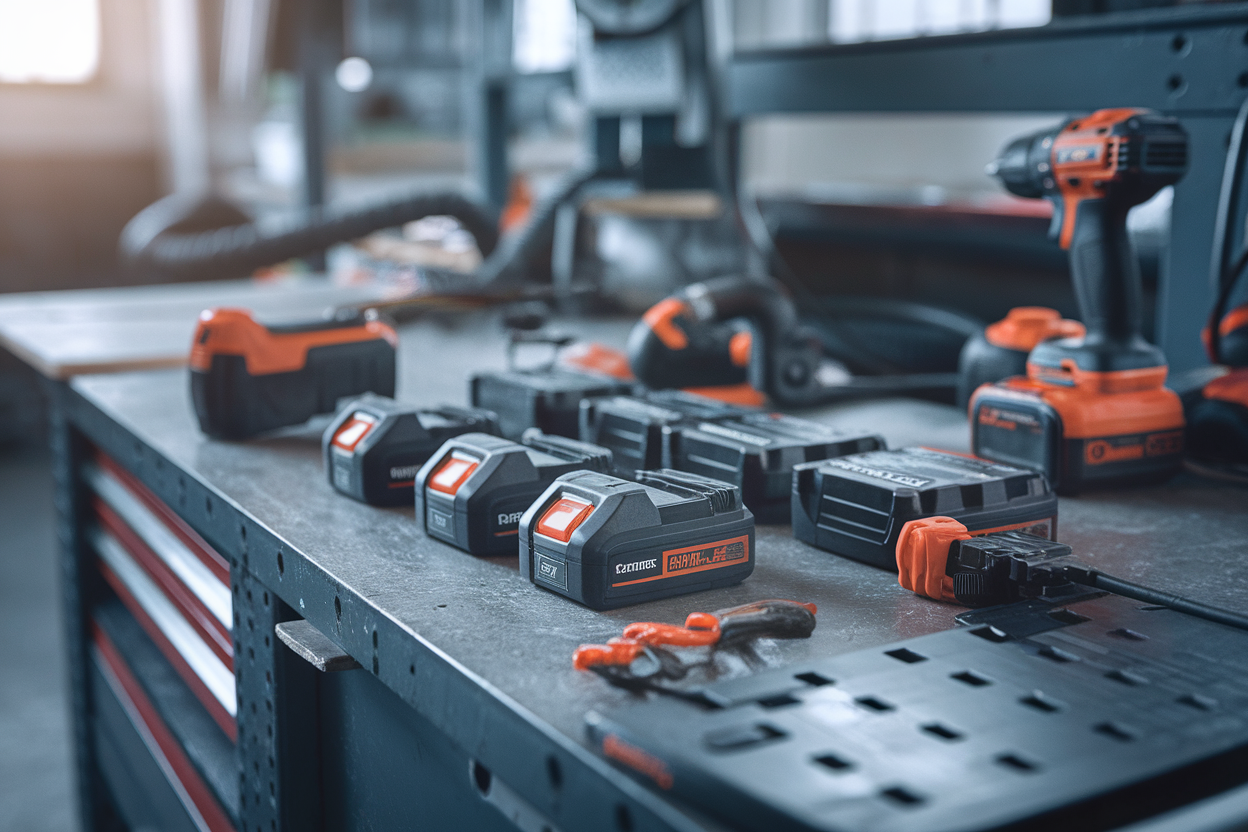
Core Components of a Battery System
A battery system includes the cells, electronics, and connections. The cells store energy. Electronics manage charging, temperature, and discharge. The connection must fit tools reliably. I have seen companies buy high-spec tools with poor battery systems. The tools perform poorly, and buyers think the tools are bad, not realizing the battery is the real issue.
Battery Types Matter
Lithium-ion batteries dominate cordless tools3. Voltage, capacity, and chemistry determine runtime and power. 21V, 24V, or 40V platforms each have pros and cons. I often guide European clients to choose a platform that can be shared across multiple tools. It reduces cost and increases flexibility.
| Feature | Impact on Tools | Buyer Benefit |
|---|---|---|
| Voltage | Determines max power | Runs heavier tools longer |
| Capacity (Ah) | Determines runtime | Fewer battery swaps |
| BMS (Battery Mgmt) | Protects cells, prevents failure | Less returns, safer operation |
| Compatibility | Works across tools | Expands product line easily |
Why Manufacturers Focus on Systems
I always tell clients: tool specs4 matter, but battery systems are your long-term leverage. A strong system supports more tools, avoids complaints, and builds brand reputation5. Poor batteries cause frustration and warranty issues.
Why battery system choice beats focusing only on tool specs
Many new buyers obsess over torque, RPM, and weight. I have seen this lead to mistakes. A high-spec drill with a weak battery leaves users disappointed. Battery choice impacts usability more than raw specs.
The battery system affects tool runtime, consistency, and compatibility. Specs alone cannot fix poor battery design.
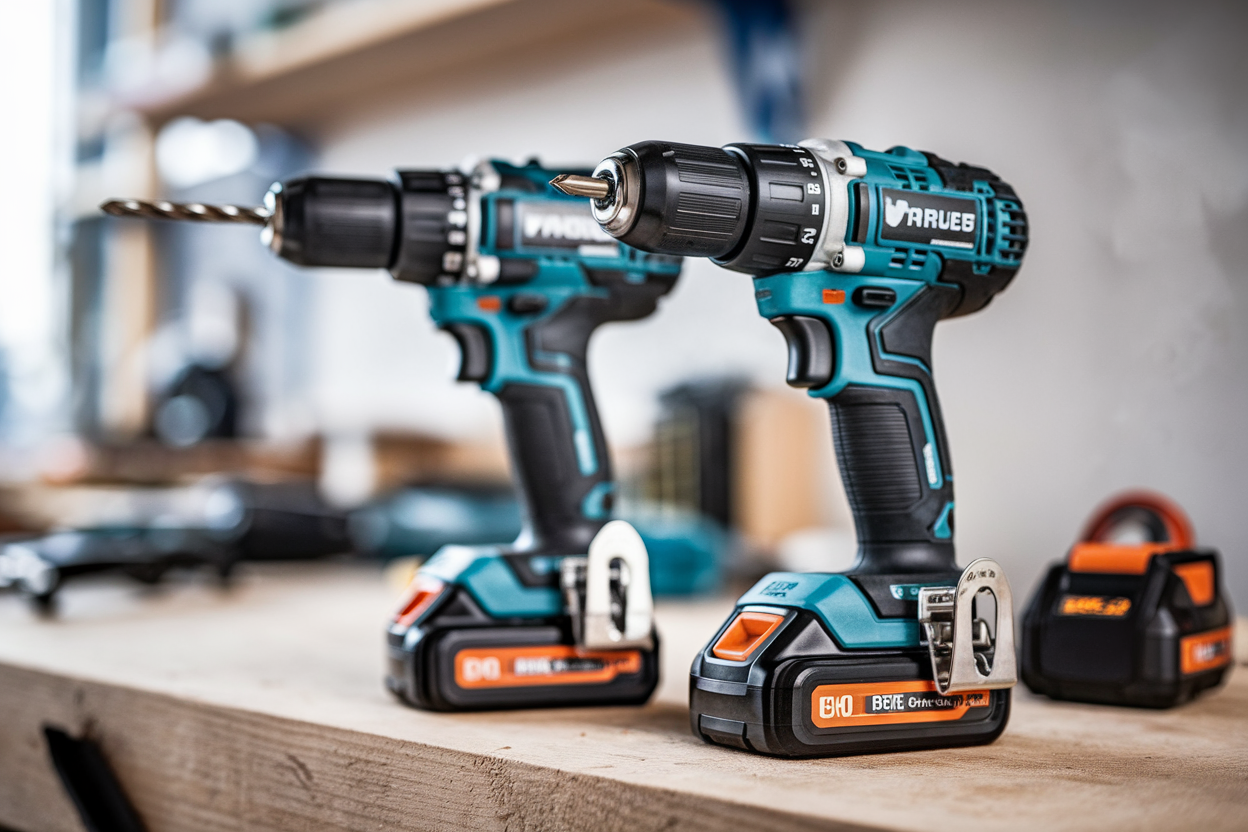
Real-World Example
I once advised a Spanish client choosing between two cordless drills. One had higher torque but a smaller battery. The other had slightly lower torque but a strong, shared battery platform6. The client chose the shared battery. Their customers thanked them for longer runtime and easier battery management.
Cost vs Performance
Focusing on specs alone can increase cost unnecessarily. High torque motors without battery support do not bring value. A good battery platform reduces long-term costs, minimizes replacements, and supports multiple tools with fewer chargers.
| Focus | Outcome without Battery System | Outcome with Battery System |
|---|---|---|
| Tool Specs Only | Short runtime, complaints | N/A |
| Battery First | Reliable performance, satisfied users | Long-term brand trust |
Long-Term Strategy
I always recommend building a tool line around a battery system. It simplifies logistics, branding, and after-sales support. European importers appreciate this approach. It shows they think ahead, not just chase specs.
How to choose the right battery system
Choosing a battery system is not just picking voltage7. I always look at chemistry, runtime, safety features8, and cross-tool compatibility9. Many buyers overlook these factors at their first launch.
Pick a battery platform that is flexible, certified, and proven. It affects brand reputation and market success more than tool specs.
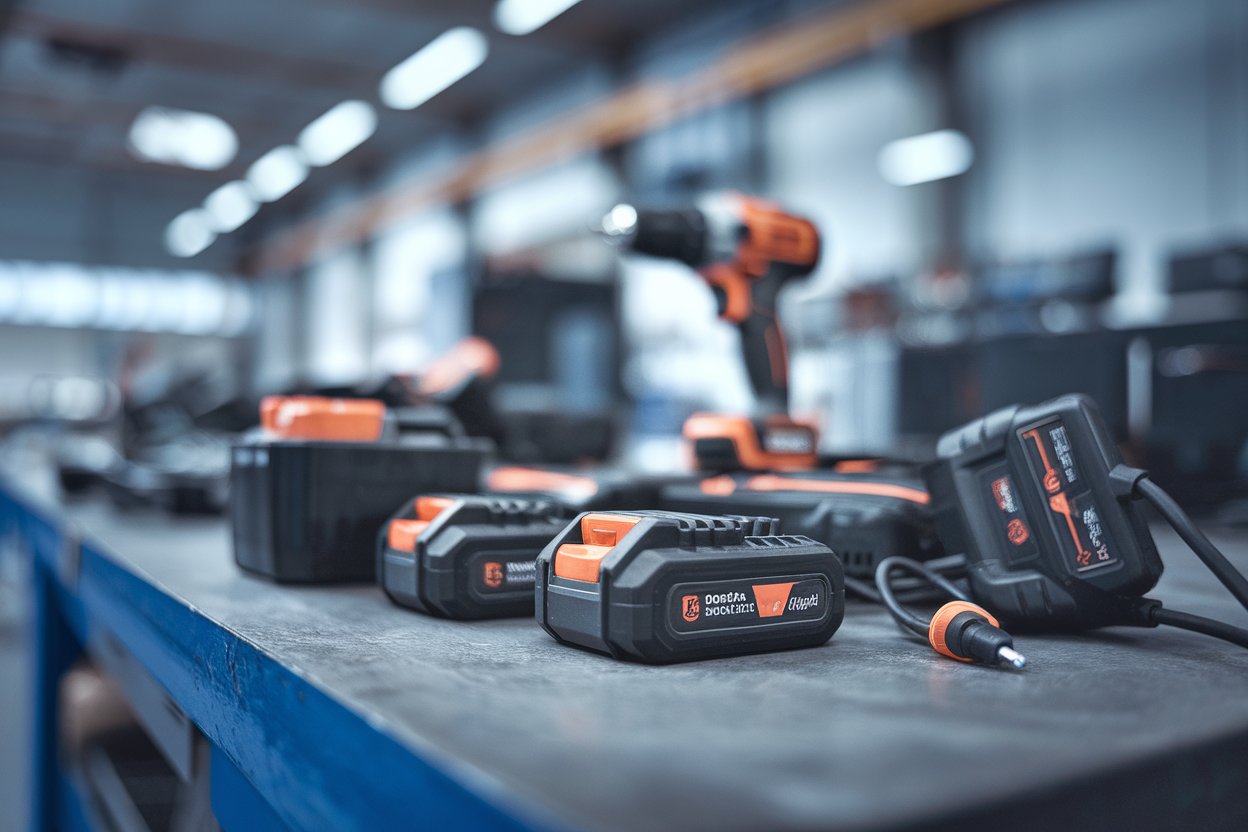
Voltage and Capacity
Voltage controls tool power. Capacity (Ah) affects runtime. I often recommend European clients consider a platform that can serve drills, saws, and blowers. It avoids extra chargers and batteries.
Battery Management Systems
BMS protects batteries from overcharge, overheat, and deep discharge. I have seen clients face warranty claims because the tools looked strong but batteries failed. Investing in BMS reduces returns and keeps users happy.
Cross-Compatibility
A shared battery platform is cost-efficient. One battery can power multiple tools. I guide new brand owners to think 2–3 years ahead. They will add more tools, and the battery system should scale.
| Factor | Recommendation | Benefit |
|---|---|---|
| Voltage | Match tool range (12V-40V) | Balanced power |
| Capacity (Ah) | Medium-high for runtime | Reduces swaps |
| BMS | Required | Safety, long battery life |
| Platform Compatibility | Shared across 2–5 tools | Cost efficiency, flexibility |
Certification & Compliance
European buyers need CE, GS, and EMC certification10s. I always suggest choosing a battery platform already certified. It simplifies import and reduces risk.
Examples: Why battery matters more than specs
I often share client stories. One German importer bought a high-RPM jigsaw. The battery ran out quickly. Another client chose a slightly lower-RPM tool but with a stronger battery. Users preferred it. Complaints dropped. Sales went up. The lesson is clear: battery beats specs.
Battery systems define usability, satisfaction, and repeat sales. Tools with great specs but weak batteries fail in the market.
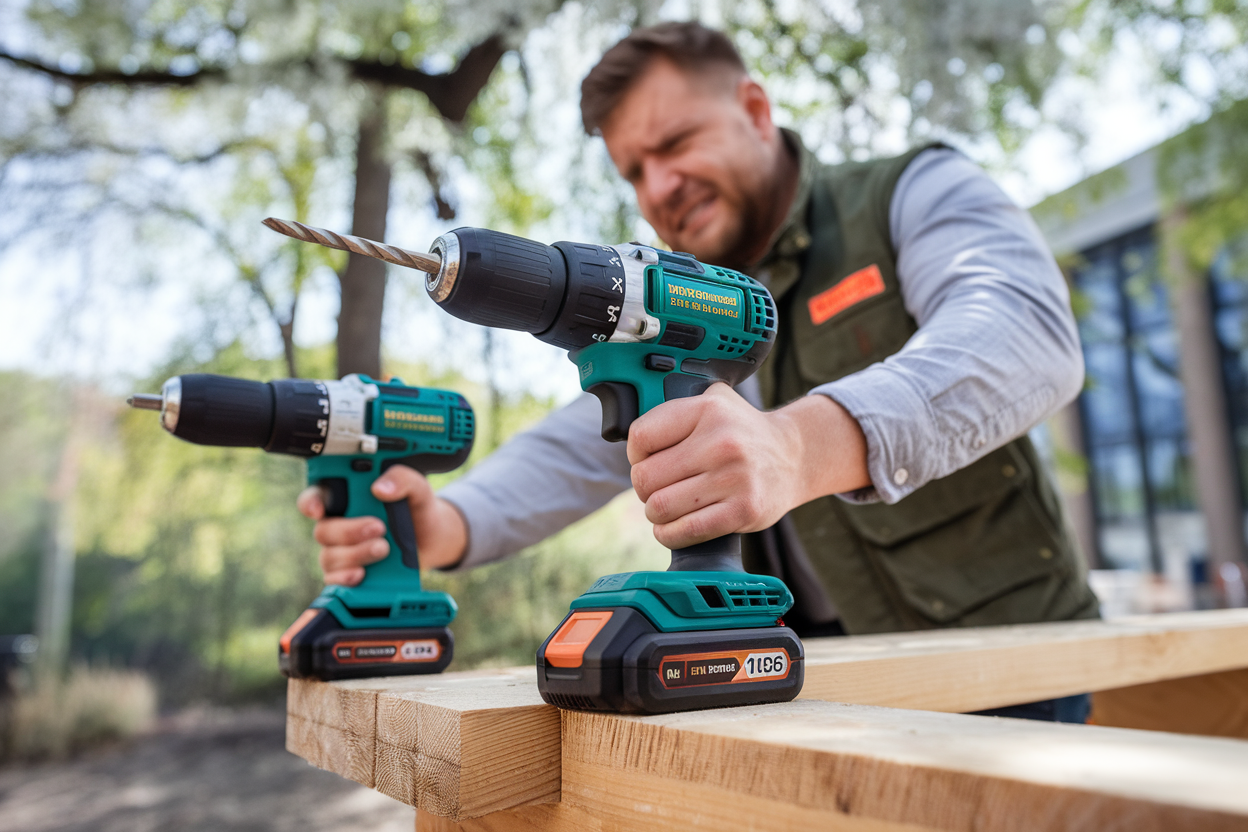
Tool Selection Mistakes
Many buyers compare specs in tables. I see this every week. Torque, RPM, and weight are easy to measure. But runtime, compatibility, and reliability are invisible until customers use the tools. The right battery system prevents these mistakes.
Practical Tips from My Experience
I advise clients to:
- Test battery runtime under real conditions
- Check compatibility with future tools
- Verify certifications for Europe
- Include BMS for safety
- Think long-term, not just first sale
| Step | Why it matters |
|---|---|
| Test runtime | Ensures user satisfaction |
| Check compatibility | Reduces cost and inventory issues |
| Verify certification | Smooth import, legal compliance |
| Include BMS | Safety and fewer returns |
| Plan for future tools | Long-term brand growth |
Real Outcome
Clients who focus on battery systems see fewer complaints, higher sales, and better market trust. Specs alone never guarantee success. I always say: battery choice is the backbone of your cordless tool line.
Conclusion
Choosing the right battery system is the smartest investment for new brands. It affects usability, satisfaction, and market success more than raw tool specs. Think long-term, plan your platform, and work with experts like me.
-
Understanding the battery system is crucial for performance and compatibility in cordless tools. ↩
-
Understanding performance factors can help you make informed purchasing decisions. ↩
-
Explore the latest cordless tools to find options that suit your needs and preferences. ↩
-
Discover why focusing solely on specs can lead to poor purchasing decisions. ↩
-
Explore how a strong battery system can enhance your brand's credibility and trust. ↩
-
Choosing the right battery platform can enhance tool performance and user satisfaction. ↩
-
Voltage is a key factor in determining the power and efficiency of cordless tools. ↩
-
Safety features are essential for preventing accidents and ensuring user satisfaction. ↩
-
Explore the benefits of having a battery system that works across multiple tools. ↩
-
Understanding certifications can help ensure compliance and safety in your products. ↩