If you’ve ever tried hanging a picture frame without the right screwdriver—or fixing a door hinge with a butter knife—you already know why every homeowner needs a proper toolkit. It’s not about being a pro; it’s about being ready.
Every homeowner should have a basic toolkit that includes a hammer, screwdrivers, pliers, a wrench, measuring tape, utility knife, drill, and assorted fasteners. These essential tools cover most home repairs, furniture assembly, and maintenance tasks efficiently.
Having these tools saves you time, money, and frustration. Plus, it’s empowering—you can fix things without waiting for someone else. So, let’s break down what really belongs in a homeowner’s toolkit and how to choose the right ones.
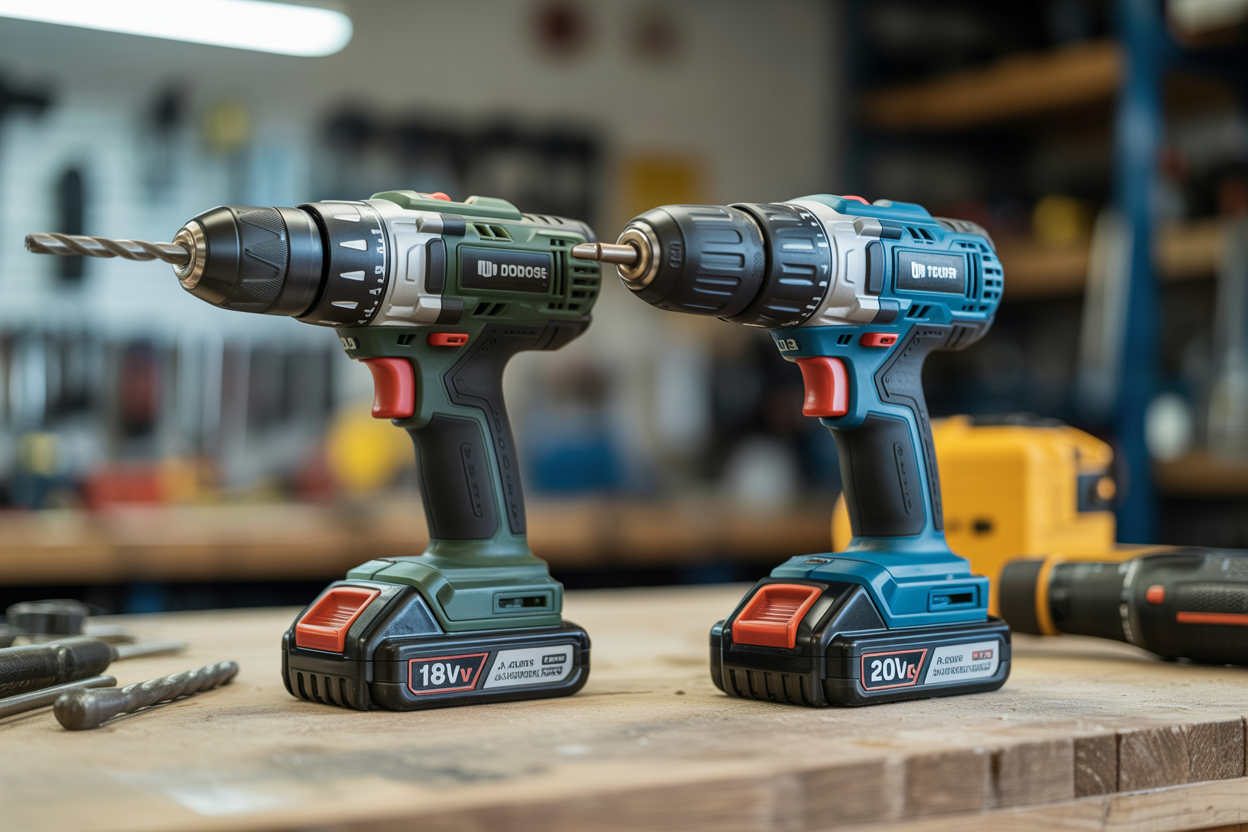
What is better, an 18V or 20V drill?
Choosing between 18V and 20V drills can be confusing, especially when both seem powerful enough for home use.
An 18V drill and a 20V drill are nearly identical in power. The difference is mainly in marketing: 20V measures peak voltage, while 18V measures nominal voltage. Both work well for home repairs, but 20V models are more common in newer cordless tool lines.

When I first started working with drills, I thought 20V sounded “stronger.” But after years in the industry, I’ve realized it’s mostly branding. Inside, they use the same 5-cell lithium battery pack. The only real difference you’ll feel is in ergonomics, weight, and battery compatibility with other tools in the same series.
How voltage affects performance
| Voltage Label | True Nominal Voltage | Common Use Case |
|---|---|---|
| 18V | 18V (nominal) | Standard household tasks |
| 20V | 18V (peak labeled 20V) | Professional cordless tools |
If you’re a homeowner, either will do the job just fine. My advice? Choose a brand that offers interchangeable batteries across multiple tools. That convenience matters more than the number printed on the sticker.
And if you’re like me—someone who occasionally fixes things late at night—you’ll appreciate a lightweight 18V drill1 that doesn’t feel like lifting a dumbbell after a long day.
What tool brand do professionals prefer?
When it comes to tool brands2, professionals are picky—and for good reason.
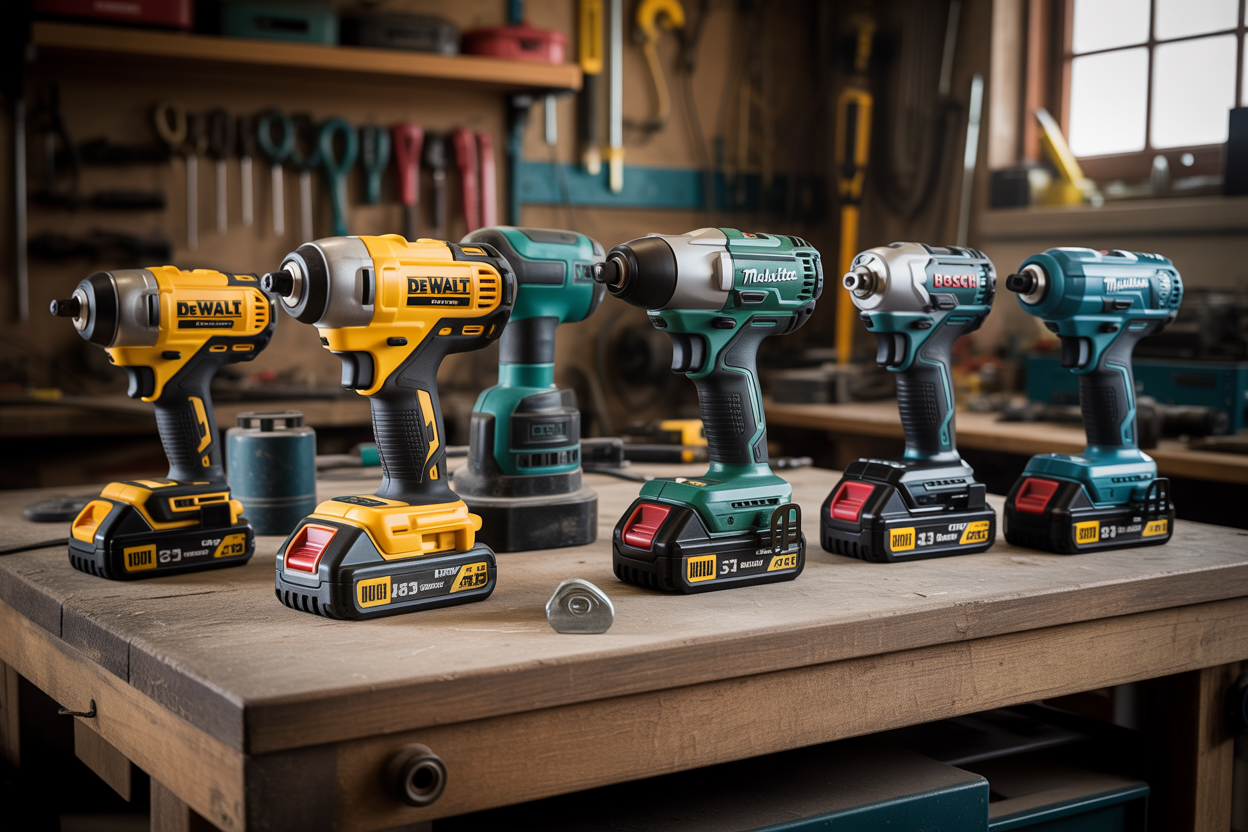
Professionals often prefer brands like DeWalt, Makita, Bosch, and Milwaukee due to their reliability, battery system compatibility, and long-term durability. Each brand caters to specific trades, so the best choice depends on the user’s work type and comfort.

Back when I worked on the factory floor, I used to notice how mechanics would fiercely defend their favorite brands—like it was a football team. One guy swore by his yellow DeWalt set; another insisted nothing beat his old Makita. And honestly? They were both right.
Comparing pro brands (for real-world use)
| Brand | Strengths | Typical Users |
|---|---|---|
| DeWalt | Rugged build, powerful motors | Construction, contractors |
| Makita | Smooth performance, lighter tools | Electricians, carpenters |
| Bosch | Precision engineering, balanced feel | General repair, European markets |
| Milwaukee | Heavy-duty torque, long battery life | Industrial, mechanical work |
For homeowners, you don’t necessarily need a pro-grade setup. But choosing a reputable brand still pays off—tools last longer, perform better, and have safer electrical systems.
And if you ever plan to expand your toolkit (say, from a drill to an angle grinder or wrench), sticking to one brand means all your batteries and chargers stay compatible. Trust me, nothing’s worse than having five different chargers and never the right one when you need it.
What tool kit should every homeowner have?
When I bought my first apartment, I had nothing but a hammer and some tape. It didn’t take long to realize I needed more than that.
Every homeowner toolkit should include a hammer, adjustable wrench, pliers, screwdrivers (flat and Phillips), tape measure, utility knife, level, drill, and a small assortment of screws and nails. These cover 90% of everyday home fixes.
Let’s talk practicality for a moment. You don’t need a full workshop—just tools that let you handle the basics confidently.
Here’s what I keep in my own “YOUWE home set” (and what I always recommend to buyers):
| Tool | Purpose |
|---|---|
| Hammer | Hanging pictures, light construction |
| Screwdrivers | Furniture assembly, repairs |
| Adjustable wrench | Plumbing, bolts, fixtures |
| Pliers | Gripping, cutting wire |
| Utility knife | Opening boxes, trimming materials |
| Tape measure | Accurate spacing, fitting furniture |
| Level | Keeping things straight |
| Cordless drill | Fast fastening, drilling holes |
| Fasteners kit | Screws, nails, anchors |
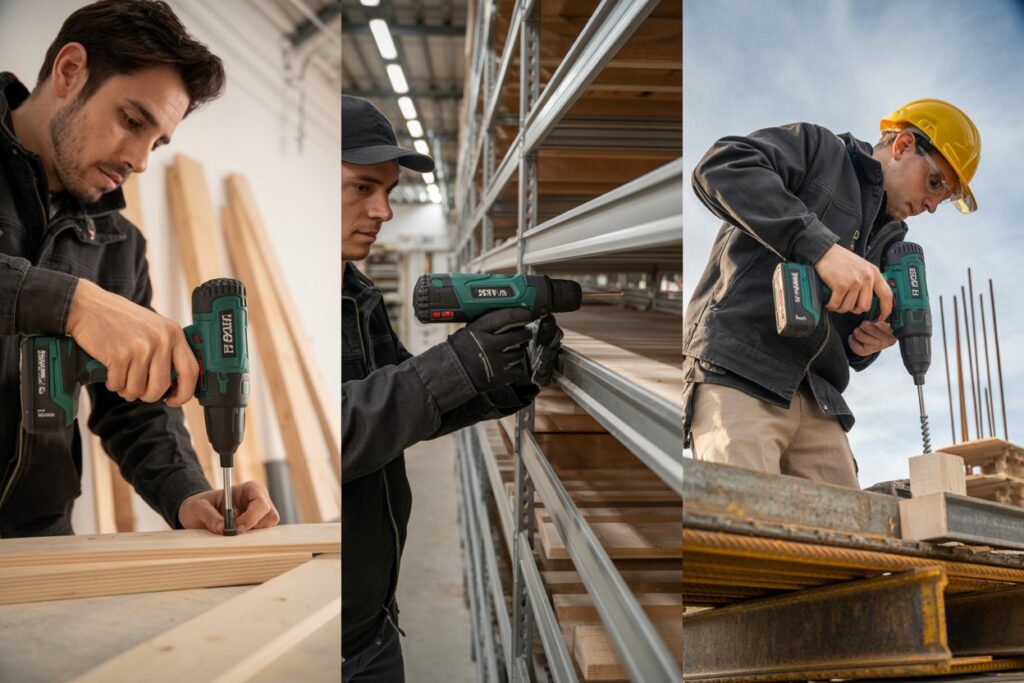
If you’re buying new, go for cordless tools3—they’re portable, safer, and perfect for indoor use. And while I manufacture cordless tools for a living, I can say this not as a salesperson, but as someone who’s stripped too many screws to count: a good drill is the heart of every toolkit. It’s the one tool that always earns its keep.
Conclusion
A good toolkit isn’t about owning every tool—it’s about having the right ones. Start simple, buy quality, and build up as you go. Because when something breaks, it’s not just about fixing it—it’s about knowing you can.
YOUWE — Power Tools Manufacturer
Visit: www.youwesaw.com
Empowering your craft, one cordless tool at a time.