Many new brands choose a cordless leaf blower1 by looking at one number. That is where expensive mistakes begin. I have seen buyers focus on airflow claims2 and miss battery limits, runtime problems3, and weak product positioning.
A good cordless leaf blower is not just about high CFM or high MPH. I judge it by how well airflow, runtime, battery platform, motor type, user comfort, and OEM consistency work together for the target market.
When I speak with importers in Italy, Spain, or Germany, I often hear the same thing. They already know how to sell tools, but they do not want to make the wrong first blower decision. A blower looks simple. In reality, it can quietly damage a new cordless platform if the first model is badly chosen.
What really makes a cordless leaf blower "good"?
A blower can look strong on paper and still fail in the market. I have seen this happen many times. Buyers compare one spec, place an order, and then find complaints about runtime, weight, noise, or weak real-world clearing.
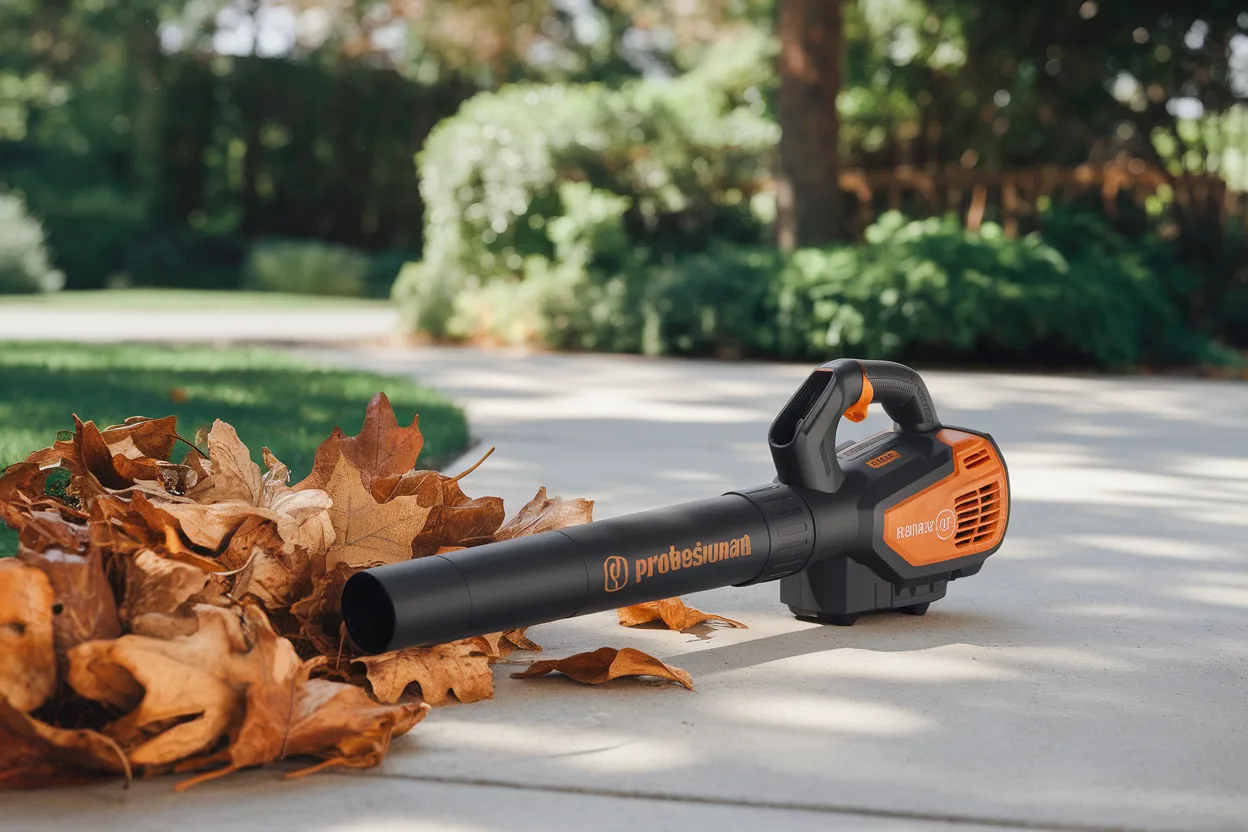
A good cordless leaf blower clears common debris fast, runs long enough for real jobs, feels balanced in hand, and fits the right battery platform for the brand's target customer and price level.
I do not judge a blower by one number
When I review a blower for a new brand, I never start with only CFM or only MPH. I look at the full product logic. A blower is part of a cordless system. It is not a single isolated item. If the blower is too power-hungry for the battery platform4, the whole product line becomes harder to sell. If it is too weak, the brand loses trust in the first season.
A "good" blower depends on who will buy it. A homeowner in Spain with a small garden does not need the same blower as a landscaping contractor in Germany. A retail chain buyer in Italy may need a mid-range blower5 that hits a safe price point and avoids after-sales complaints. That is why I always ask what the end user is really trying to clean: dry leaves, wet leaves, dust, pine needles, light snow residue, or workshop debris.
I check product fit before performance claims
I often tell buyers this: the first blower should fit the market before it tries to impress the market. A balanced mid-level blower usually sells better than a "spec monster6" that drains batteries too fast. For new brands, stable repeat orders matter more than eye-catching brochure numbers.
| What I Check First | Why It Matters | Risk If Ignored |
|---|---|---|
| Target user type | Sets the correct power level | Overbuilt or underpowered product |
| Battery platform | Controls runtime and cross-selling | Poor battery reputation |
| Weight balance | Affects comfort and return rate | Hand fatigue and bad reviews |
| Motor type | Impacts cost and positioning | Wrong margin structure |
| Noise and vibration | Important in EU markets | Customer complaints |
| OEM consistency | Protects repeat orders | Batch quality issues |
I define "good" by repeat-order potential
For OEM and ODM buyers, I care about something many factories do not discuss enough. I ask whether the blower can support repeat orders without creating service pressure. A blower that looks strong in one sample but performs inconsistently in production is not good. A blower that requires oversized batteries to feel acceptable is not good. A blower that creates poor user reviews because it feels nose-heavy is not good.
In my own product discussions, I usually frame it like this: if a customer buys the blower first, will it make them trust the battery platform enough to buy the hedge trimmer, chainsaw, or grass trimmer next? If the answer is yes, that blower is doing its job. That is what makes it a good blower for a new brand.
Why CFM and MPH should be judged together?
Many buyers ask me for the highest CFM. Others ask for the highest MPH. Both questions are incomplete. I have seen blowers with high CFM but weak push force. I have also seen blowers with high MPH but poor area coverage.
CFM and MPH must be judged together because CFM shows air volume while MPH shows air speed. A good blower needs the right balance to move the actual type of debris your customer wants to clear.
I explain CFM and MPH in simple buyer terms
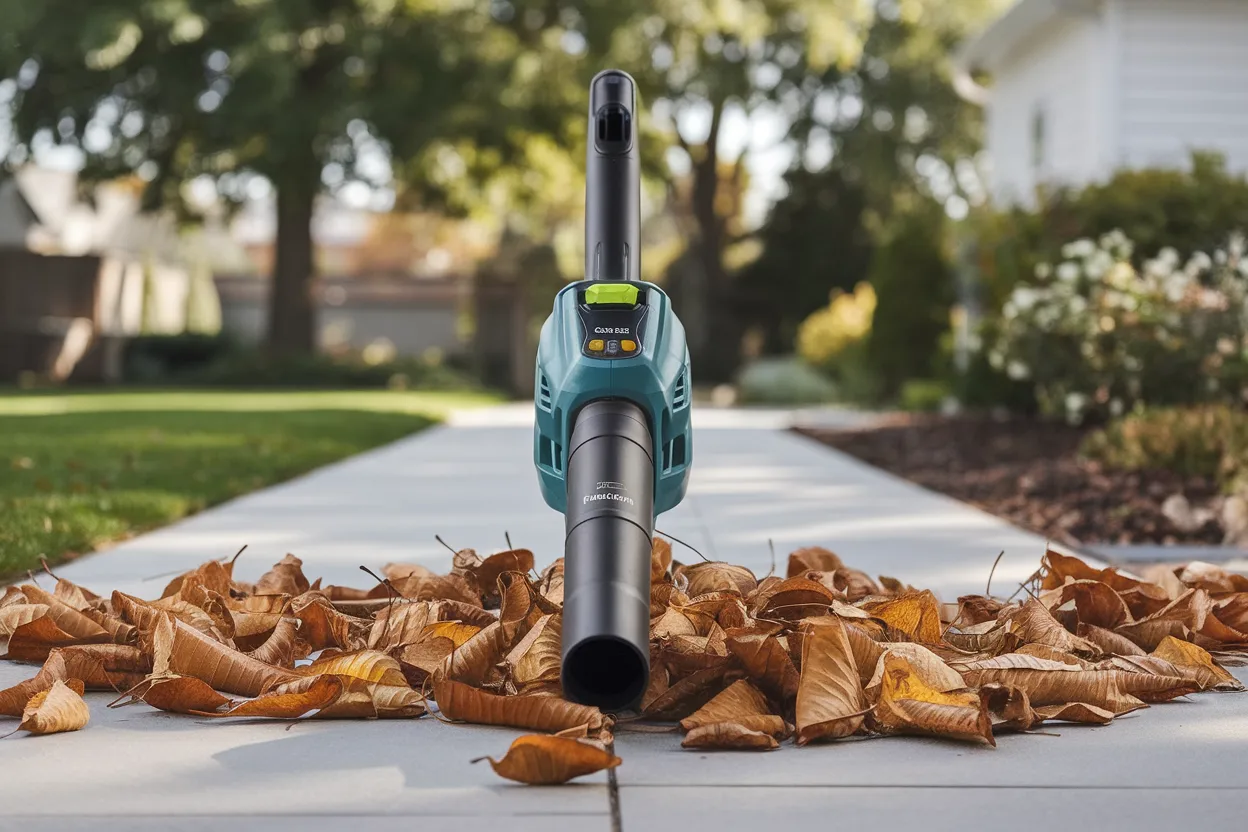
CFM means cubic feet per minute. It tells me how much air the blower moves. MPH means miles per hour. It tells me how fast that air moves. I tell buyers to think of CFM as "coverage" and MPH as "impact." If a blower has good CFM but weak MPH, it can move loose dry leaves but may struggle with wet leaves stuck on grass. If a blower has strong MPH but low CFM, it may blast a narrow path but clear slowly in wider spaces.
For small home garden users, I often prefer balanced airflow over extreme peak speed. For pro users, I care more about how efficiently the blower moves dense debris in real working conditions. That is why I always ask for test videos7, not just printed specs.
I match airflow balance to real use cases
Different debris types8 need different airflow behavior. Dry leaves on pavement are not the same as wet leaves in a garden bed. Pine needles between stones are different again. I have seen buyers in Europe choose a blower based on the wrong debris assumption. Then the product reviews become mixed because the blower performs well only in one setting.
| Debris Type | CFM Need | MPH Need | My Usual Advice |
|---|---|---|---|
| Dry leaves on driveway | Medium to high | Medium | Balanced consumer model |
| Wet leaves on grass | Medium | High | Stronger nozzle force matters |
| Pine needles in corners | Medium | High | Good nozzle design is key |
| Dust and workshop debris | Medium | Medium to high | Compact blower can work |
| Large garden cleanup | High | Medium to high | Higher battery demand expected |
I watch for fake spec logic in OEM sourcing
This is where OEM buyers need to be careful. Some suppliers present peak no-load airflow that looks impressive in a catalog. Real airflow at the nozzle, under load, with a production battery pack, may be very different. I always ask how the test was done. I want to know battery voltage under use, nozzle installed or not, and whether turbo mode lasts more than a few seconds.
For Italy, Spain, and Germany, buyers also need to think about customer expectations. European buyers are not only looking at "big numbers." They want products that feel honest. If the spec sheet promises too much and the real user experience9 feels weak, the brand loses trust fast. I would rather sell a blower with believable numbers and strong user satisfaction than a blower with inflated catalog claims.
How much blower power do new brands actually need?
New brands often think they need the strongest blower first. I usually disagree. Too much power too early can hurt the battery platform, raise cost, and make the first SKU harder to sell.
Most new brands do not need maximum blower power. They need enough real clearing power for common home and light commercial use, with stable runtime, safe battery stress, and a price that supports repeat sales.
I usually recommend a mid-range first blower
When a new buyer enters cordless tools, I usually do not suggest starting with the most aggressive blower. I suggest a mid-range platform that covers 70% to 80% of common user needs. That is often the safest move. A blower that clears patios, driveways, walkways, and small garden areas well can become a strong entry product. It is easier to price, easier to explain, and easier to support.
The first goal is not to win a spec war. The first goal is to build trust in the cordless platform. If the first blower is too weak, customers feel disappointed. If it is too power-hungry, runtime complaints start quickly. I want the first model to feel "strong enough" without pushing the battery too hard.
I separate homeowner power from pro power
A lot of confusion happens because buyers mix consumer and pro positioning. A homeowner blower and a professional landscaping blower should not be treated the same. The battery cost, charger speed, pack size, motor load, and price expectations are all different.
| Brand Stage | End User | Suggested Power Strategy | Why I Like It |
|---|---|---|---|
| New entry brand | Homeowner | Mid-range 20V or light 40V | Safer launch, lower risk |
| Growing private label | Homeowner + prosumer | Strong 20V dual-pack or 40V | Better upgrade path |
| Established tool line | Light commercial | Higher-output 40V | Better job-site credibility |
| Pro-focused range | Landscaping contractor | High-output 40V or higher | Needed for demanding tasks |
I look at the full margin story, not just output
More blower power often means more than a bigger motor. It can mean higher cell cost, stronger controller, thicker wiring, better cooling, more plastic reinforcement, and a larger charger expectation. That changes the margin story. New brands sometimes underestimate this. They approve a strong sample, but later they find that retail price becomes hard to control.
I have seen cases where a buyer wanted a "hero blower" as the first model. After testing, we found that the blower only felt truly good with a large battery pack that pushed the kit price too high for the target market. That is exactly why I say the safest first blower is not the strongest blower. It is the one that gives the best real-world value inside the battery platform you can support.
Is 20V enough, or should you start with 40V?
This is one of the most common questions I get. Buyers often assume 40V is always better. That is not always true. Voltage alone does not decide success.
20V is often enough for a new brand if the target user is homeowner or light prosumer. I recommend 40V when the brand wants stronger airflow, longer demanding use, or a more serious garden tool platform from the start.
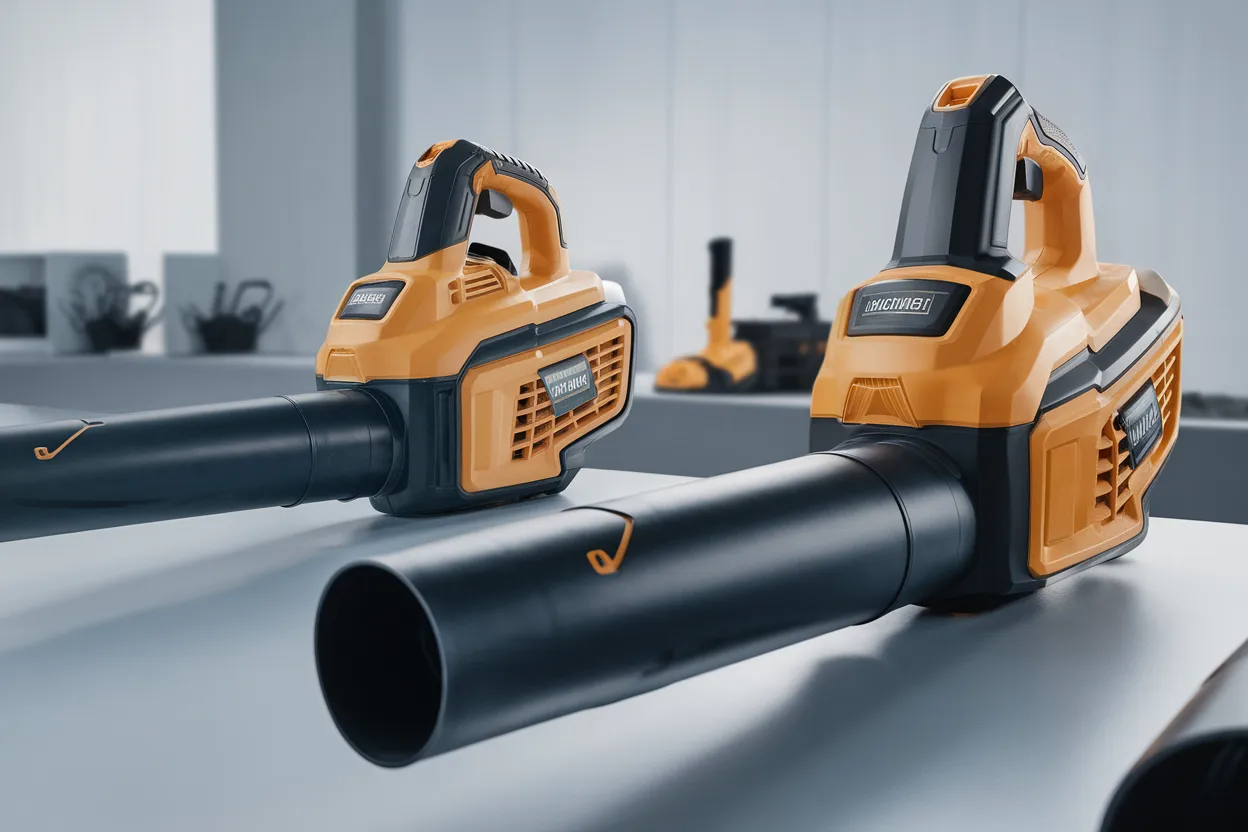
I treat voltage as platform strategy, not a single product choice
A lot of buyers ask me, "Should I choose 20V or 40V for the blower?" I usually answer with another question: "What else will you sell on the same battery?" That is because voltage should be a platform decision first. A blower is only one part of the line.
If the brand wants a starter range with drill, small chainsaw, pruning shear, blower, and grass trimmer, a 20V or 21V platform can be a smart entry path. It is simpler, lower risk, and easier to expand. If the brand wants stronger garden tools like a bigger chainsaw, stronger hedge trimmer, and more serious blower performance, a 40V platform can create a better long-term garden identity.
I compare voltage choices by market reality
Many European buyers care about battery rules, transport costs, and shelf pricing. A higher-voltage system can look more premium, but it also needs better planning. Battery packs may become larger, heavier, and more expensive. That affects MOQ, shipping cost, and product bundle design.
| Platform | Best For | Main Benefit | Main Risk |
|---|---|---|---|
| 20V / 21V | Entry brands, homeowner use | Lower cost, easier platform expansion | May feel weak if badly configured |
| 20V dual battery | Growing brands | Stronger output without full 40V shift | More complexity |
| 40V | Garden-focused brands | Better blower and outdoor tool image | Higher battery and kit cost |
| Mixed 20V + 40V | Mature brands | Wider product ladder | Harder for new brands to manage |
I watch how voltage affects compliance and shipping
For buyers in Germany, Italy, and Spain, battery-related compliance is part of the decision. I always remind buyers that lithium products involve more than just performance. You need to think about battery labeling, UN38.3 readiness, carton design, transport planning, and after-sales battery replacement logic. If the battery platform becomes too complex too early, the launch becomes harder than it needs to be.
I have found that many new brands do well with a carefully chosen 20V system first, especially if they want lower MOQ pressure and faster product line building. A 40V line can be excellent, but only if the brand is ready to support the battery story properly. I never choose voltage based on ego. I choose it based on what the brand can sustain for the next three to five SKUs.
Why runtime matters more than peak airflow?
A blower can impress someone for ten seconds. That does not mean it will satisfy them for ten minutes. This is where many products fail after launch.
Runtime matters more than peak airflow because users judge a blower by how long it stays useful under real work, not by the highest turbo number it can hit for a short burst.
I care about usable runtime, not marketing runtime
I always ask one simple question: how long does the blower stay effective at the mode people actually use? Some factories show runtime on low speed only. That number can be technically true, but it does not help the buyer. If users spend most of their time on high mode or turbo bursts, the real runtime is much shorter.
I like to separate runtime into three levels: low mode, working mode, and turbo mode. The working mode is the most important one. That is the mode where the blower should still feel useful and productive. If the blower only feels strong in a short turbo burst, users notice that very quickly.
I connect runtime to battery reputation
For a new cordless brand, runtime is not just a blower issue. It becomes a battery reputation10 issue. If the first blower drains the battery too fast, customers start doubting the whole system. That affects future sales of hedge trimmers, chainsaws, grass trimmers, and other tools.
| Runtime Metric | What I Want to See | Why It Matters |
|---|---|---|
| Low mode runtime | Useful but not misleading | Good for reference only |
| Working mode runtime | Stable and realistic | Core user experience |
| Turbo duration | Honest and limited | Prevents false expectations |
| Battery temperature rise | Controlled | Protects pack life |
| Recharge time | Reasonable for kit users | Helps daily usability |
I test whether airflow drops too fast under load
Another issue many buyers miss is airflow fade11. Some blowers start strong with a full battery, then feel much weaker as voltage drops. I always want to know how the controller manages output over the discharge curve. A blower that feels stable for most of the battery is usually better than one that feels exciting at first and weak later.
I remember one project where the sample looked great in a short video. During longer testing, the airflow12 dropped enough that the user had to work slower after a few minutes. That kind of product creates disappointment. In Europe, especially with more demanding buyers and stricter review culture, that can hurt a new brand quickly. I would always rather approve a blower with slightly lower peak airflow if it holds performance longer and protects the battery better.
Should your first blower be brushed or brushless?
Many new brands assume brushless13 is always the right answer. Sometimes it is. Sometimes it is too early. I have seen both good and bad decisions here.
Your first blower should be brushless only if your target market, battery platform, price position, and product roadmap can support it. For many new brands, a well-built brushed blower can still be the safer first launch.
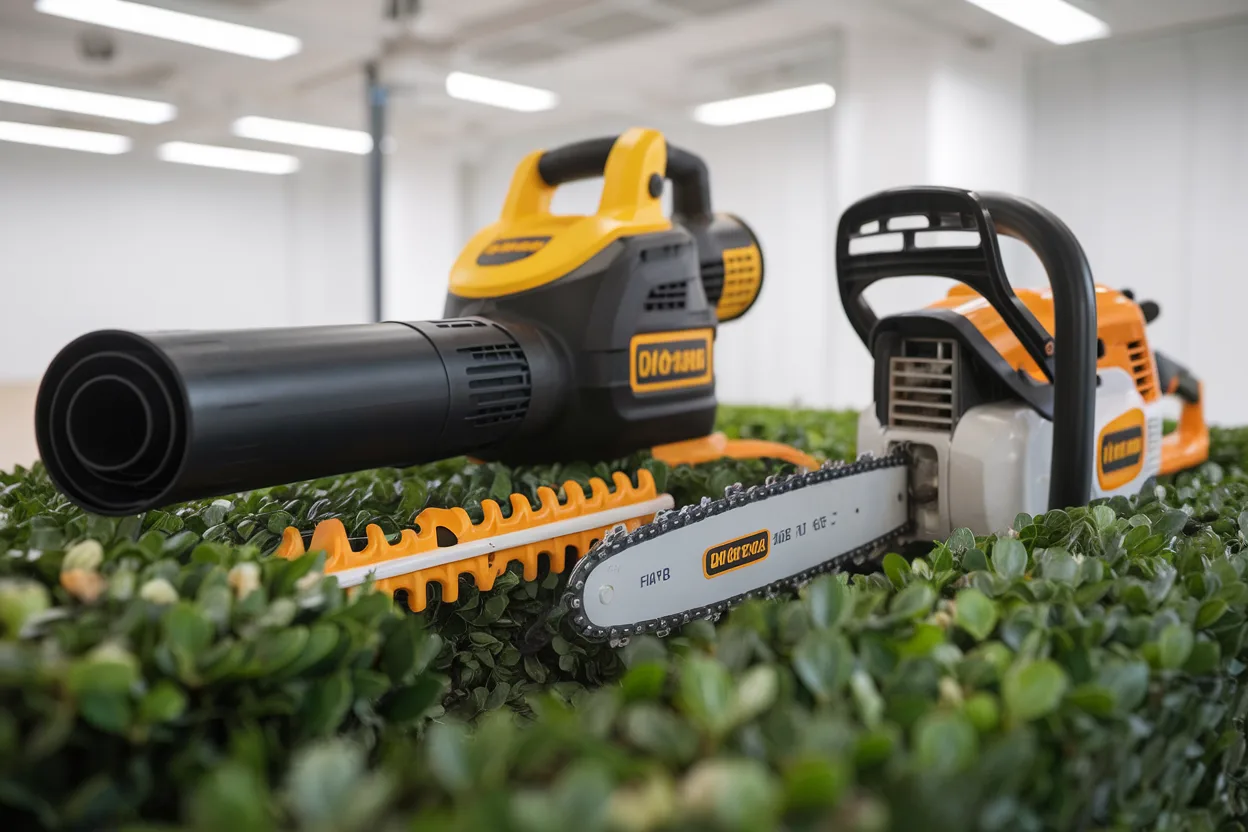
I do not choose brushless just because it sounds better
Brushless motors are efficient. They usually run cooler, last longer, and support better control. That is all true. But brushless also raises the system cost. It often needs a better controller, tighter tuning, and clearer product positioning14. If the market is price-sensitive and the brand is still testing demand, a brushed blower15 can still make sense.
I have seen buyers use "brushless" as a shortcut for premium positioning before they had a stable battery story. That creates pressure on retail price and margin. It can also create a product line mismatch if the rest of the platform is still entry-level.
I match motor type to launch stage
The right motor depends on where the brand is in its growth path. A new brand does not always need to launch with the most advanced version. Sometimes the smart move is to start with a solid brushed blower, learn the market, and then upgrade to brushless once the battery platform and customer demand are proven.
| Motor Type | Best For | Benefit | Risk |
|---|---|---|---|
| Brushed | Entry brands, value retail | Lower cost, simpler launch | Lower efficiency, weaker premium image |
| Brushless | Premium homeowner, prosumer | Better efficiency, stronger positioning | Higher BOM and pricing pressure |
| Mixed line | Growing brands | Clear product ladder | Needs stronger SKU planning |
I use brushless when the platform can truly support it
If the buyer wants to build a serious cordless garden line, brushless often becomes the better long-term choice. It helps on runtime, heat management16, and premium brand image. It also makes more sense when the same battery platform supports products like hedge trimmers, chainsaws, and stronger grass trimmers.
But I only recommend brushless when the platform can support it without forcing bad compromises. If the battery pack is too small, if the price ceiling is too tight, or if the MOQ is already stressful, brushless can become a burden instead of an advantage. I want the first blower to succeed in the market, not just look advanced in the catalog.
What design details affect real user satisfaction?
A blower can have good specs and still get bad feedback. That usually happens because the design team ignored how the tool feels in real use.
Real user satisfaction depends heavily on weight balance, grip angle, trigger feel, nozzle design, sound quality, battery placement, and how easy the blower feels during actual cleanup work.
I pay close attention to balance and fatigue
One of the biggest hidden issues in blowers is balance. A blower that is too nose-heavy feels tiring very quickly. A blower with a bad grip angle can make the wrist work harder than it should. These things do not always show up in a spec sheet, but they show up in customer reviews.
When I test a blower, I pay attention to how it feels after several minutes, not just the first minute. I ask whether the battery position helps balance the tool. I check whether the handle shape suits both smaller and larger hands. For European markets, comfort matters a lot because many buyers compare products closely and care about real usability.
I treat nozzle design as a performance part
Many people underestimate nozzle design17. A bad nozzle can waste airflow. A good nozzle can improve real clearing performance without changing the motor. I always look at air channel smoothness, outlet shape, and assembly fit. If the nozzle wobbles or leaks, the blower feels cheaper and performs worse.
| Design Detail | Why I Check It | What Can Go Wrong |
|---|---|---|
| Weight balance | Reduces fatigue | Feels heavy and awkward |
| Grip angle | Improves wrist comfort | User discomfort |
| Trigger feel | Controls speed naturally | Cheap or unstable feel |
| Nozzle design | Improves real airflow use | Weak clearing effect |
| Battery lock | Prevents movement | Rattle and poor confidence |
| Sound profile | Affects quality perception | Harsh noise complaints |
I look at sound, vibration, and small details buyers miss
Sound matters more than many factories admit. Two blowers can have similar airflow, but one sounds smoother and more controlled while the other sounds harsh and cheap. Users notice that. Retail buyers notice that. I also check vibration, switch response, and whether the tool feels stable when changing speed.
I once had a buyer focus only on performance numbers. During testing, the product had a small battery rattle and a harsh motor sound. The airflow was acceptable, but the quality feel was wrong. We changed the battery lock tolerance and internal support. The blower immediately felt more premium. These small design details can decide whether a first-time buyer becomes a repeat buyer.
What OEM buyers should check before approving a blower?
Many OEM buyers approve a blower sample too early. That is risky. A nice sample is not enough. I need to know whether the production version will behave the same way.
Before approving a blower, OEM buyers should check real airflow testing, battery compatibility, controller stability, heat rise, assembly consistency, certifications, packaging fit, spare parts, and mass production repeatability.
I never approve based on one sample alone
A single hand-built sample can hide many production problems. I want to know how the blower performs across multiple units. I ask for consistency in airflow, current draw18, noise, and fit quality. If one sample feels good but the second sample feels weaker or louder, I stop and ask why.
This is especially important for buyers entering cordless tools from adjacent categories. They may know sourcing, packaging, and sales well, but they may not know where a blower can fail. I always tell them that the risk is not only "does it work?" The risk is "does it keep working the same way after 1,000 or 5,000 units?"
I use a structured OEM approval checklist
I prefer a simple but strict review system before mass production. This helps buyers in Italy, Spain, Germany, and other European markets reduce uncertainty before launch.
| Approval Check | What I Want | Why It Matters |
|---|---|---|
| Airflow test method | Clear and repeatable | Prevents fake comparisons |
| Current draw | Stable under working load | Protects battery platform |
| Heat test | Safe temperature rise | Prevents warranty issues |
| Battery fit | Secure across batches | Avoids rattle and returns |
| Controller behavior | Smooth power delivery | Better user feel |
| Certification status | CE, EMC, RoHS as needed | Import and retail readiness |
| Packaging drop test | Safe transport | Reduces freight damage |
| Spare parts plan | Fan, switch, nozzle support | Better after-sales handling |
I also check what happens after the sale
A good OEM decision includes after-sales logic. Can the blower use the same charger as the rest of the line? Can the buyer get spare nozzles, switches, or battery connectors later? Are carton dimensions efficient for sea freight, air shipment, and European warehouse handling? If truck freight is used for Europe, does the packaging hold up well in mixed loading conditions?
I also pay attention to lead time and MOQ. Some buyers approve a product that looks great but needs a battery pack MOQ or packaging MOQ that does not fit their launch plan. That can delay the project or create inventory pressure. A good blower is not only technically acceptable. It must also be commercially manageable.
How to choose a blower that fits your battery platform?
A blower that does not fit the battery platform can damage the whole product line. I have seen this mistake more than once.
The right blower should match the battery platform in voltage, current demand, runtime expectation, charger logic, and future cross-selling potential across your cordless range.
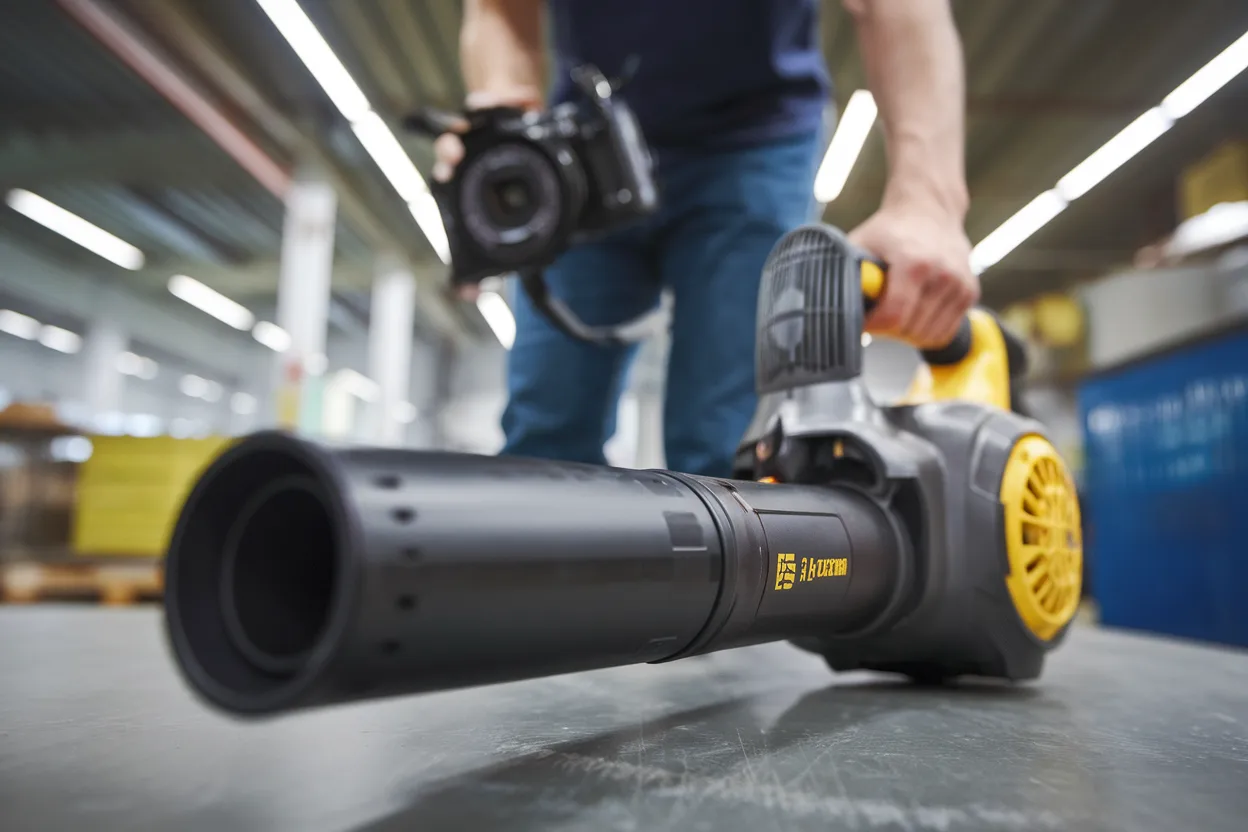
I start with platform logic, not single-SKU logic
I always ask what the brand wants to sell next. If the blower is part of a 20V platform that also includes drills, pruning shears, and compact chainsaws, then the blower must respect that battery system. It should not require a battery so large or so expensive that the rest of the line becomes awkward.
A blower is often one of the highest-drain tools in a cordless entry lineup. That is why it can expose battery weakness quickly. If the platform is not ready, the blower becomes the product that reveals the problem first.
I test whether the blower helps or hurts cross-selling
A strong battery platform should create confidence. If a customer buys the blower and likes it, they should feel safe buying another tool on the same battery. If the blower drains too fast, runs too hot, or feels unstable, that confidence disappears.
| Platform Question | What I Ask | Why It Matters |
|---|---|---|
| Same battery for multiple tools? | Which tools share this pack? | Supports bundle growth |
| Same charger? | One charger or multiple? | Simpler user experience |
| Pack size options? | 2.0Ah, 4.0Ah, 5.0Ah? | Better kit flexibility |
| Current demand fit? | Can the pack handle blower load? | Protects cell life |
| Future tool roadmap? | More garden tools coming? | Avoids platform dead end |
I align blower choice with long-term brand structure
For new brands, I often recommend a blower that fits a clear battery ladder. For example, a smaller battery can be used for light tools, and a larger battery can be recommended for the blower and grass trimmer. That gives the user choice without forcing a totally different platform.
I have worked with buyers who wanted to launch too many battery systems too early. That creates confusion, higher stock pressure, and more service risk. A cleaner strategy is better. One stable platform with a carefully chosen blower can do more for a young brand than three scattered platforms with no clear logic. This is one reason I always say the blower should support the platform story, not break it.
What is the safest blower strategy for a new tool brand?
New brands do not need the boldest blower strategy. They need the safest one that still feels competitive. That is how they reduce risk and keep room to grow.
The safest blower strategy for a new tool brand is to launch a balanced mid-range model on a stable battery platform, with honest performance, solid runtime, clear OEM quality control, and room for a premium upgrade later.
I recommend a staged launch, not an aggressive launch
If I were advising a new brand today, I would not start with the most extreme blower. I would start with a product that can sell well, perform honestly, and create trust in the cordless system. That usually means a balanced homeowner or prosumer blower with clean positioning, stable runtime, and good comfort.
The first blower should not try to do everything. It should do the most common jobs well. That makes the sales story easier. It reduces warranty risk. It also helps the buyer learn what the market really wants before investing in a more advanced version.
My safest launch formula for Europe and global OEM buyers
For many private label buyers in Europe, especially in Italy, Spain, and Germany, I usually see the safest path as a controlled launch with clear boundaries.
| Launch Element | My Safer Choice | Why It Works |
|---|---|---|
| Product position | Mid-range homeowner / prosumer | Broad demand and lower complaint risk |
| Battery platform | Stable 20V or well-planned 40V | Easier line expansion |
| Motor type | Brushed or value brushless based on margin | Better pricing control |
| Kit setup | Tool + 1 battery + charger, optional bigger pack | Easier upsell path |
| MOQ strategy | Moderate MOQ with repeat-ready packaging | Reduces inventory pressure |
| Compliance | CE, EMC, battery transport readiness | Smoother import process |
| Upgrade path | Premium brushless version later | Keeps future growth open |
I leave room for version two from the beginning
A smart blower strategy includes version two before version one even launches. I want to know what the upgrade path19 will be. Maybe version one is a solid 20V model for homeowners. Version two can be a stronger brushless or 40V model once the brand sees demand. This staged thinking reduces pressure on the first order.
I often tell buyers that the safest first blower is the one that teaches the market, protects the battery platform, and creates confidence for the next tool. If the blower can do that, the brand is in a much stronger position. That is how I think about risk. I do not try to remove all risk. I try to make it manageable and useful.
Conclusion
When I help a new brand choose its first cordless leaf blower, I do not chase the biggest spec. I look for the safest product that can build trust. That means honest airflow, stable runtime, sensible battery load, and design that feels right in the hand. For most new buyers, the first blower should support the battery platform, not test its limits. I have seen brands save time, money, and reputation by choosing a balanced model first and leaving room for a stronger upgrade later. If you are entering cordless tools from outside the category, that caution is not weakness. It is smart planning. If you want, you can send me your target market, battery plan, and price level, and I can help you narrow the safest blower direction before you commit to tooling or your first OEM order.
-
Explore top-rated cordless leaf blowers to find the best options for your needs. ↩
-
Understanding airflow claims can help you make informed decisions when purchasing a leaf blower. ↩
-
Learn about runtime issues to avoid making costly mistakes when choosing a blower. ↩
-
Discover how battery platforms impact performance and compatibility in cordless tools. ↩
-
Discover why a mid-range blower can be the best choice for new brands and users. ↩
-
Understanding spec monsters can help you avoid products that may not perform well in real-world conditions. ↩
-
Discover how test videos can provide real-world insights into blower performance. ↩
-
Explore how different debris types affect the performance of leaf blowers. ↩
-
Learn about the key factors that enhance user experience with leaf blowers. ↩
-
Explore the importance of battery reputation for long-term customer satisfaction. ↩
-
Understanding airflow fade can help you choose a blower that maintains performance under load. ↩
-
Understanding airflow is crucial for evaluating blower performance and user satisfaction. ↩
-
Explore the benefits of brushless technology for better efficiency and longevity in blowers. ↩
-
Effective product positioning helps attract the right customers and enhances market success. ↩
-
Learn why a brushed blower might be a safer choice for new brands entering the market. ↩
-
Effective heat management is crucial for maintaining performance and extending tool life. ↩
-
Learn how effective nozzle design can enhance airflow and clearing efficiency. ↩
-
Understanding current draw is essential for protecting battery life and ensuring performance. ↩
-
An upgrade path allows brands to plan for future improvements and maintain customer interest. ↩