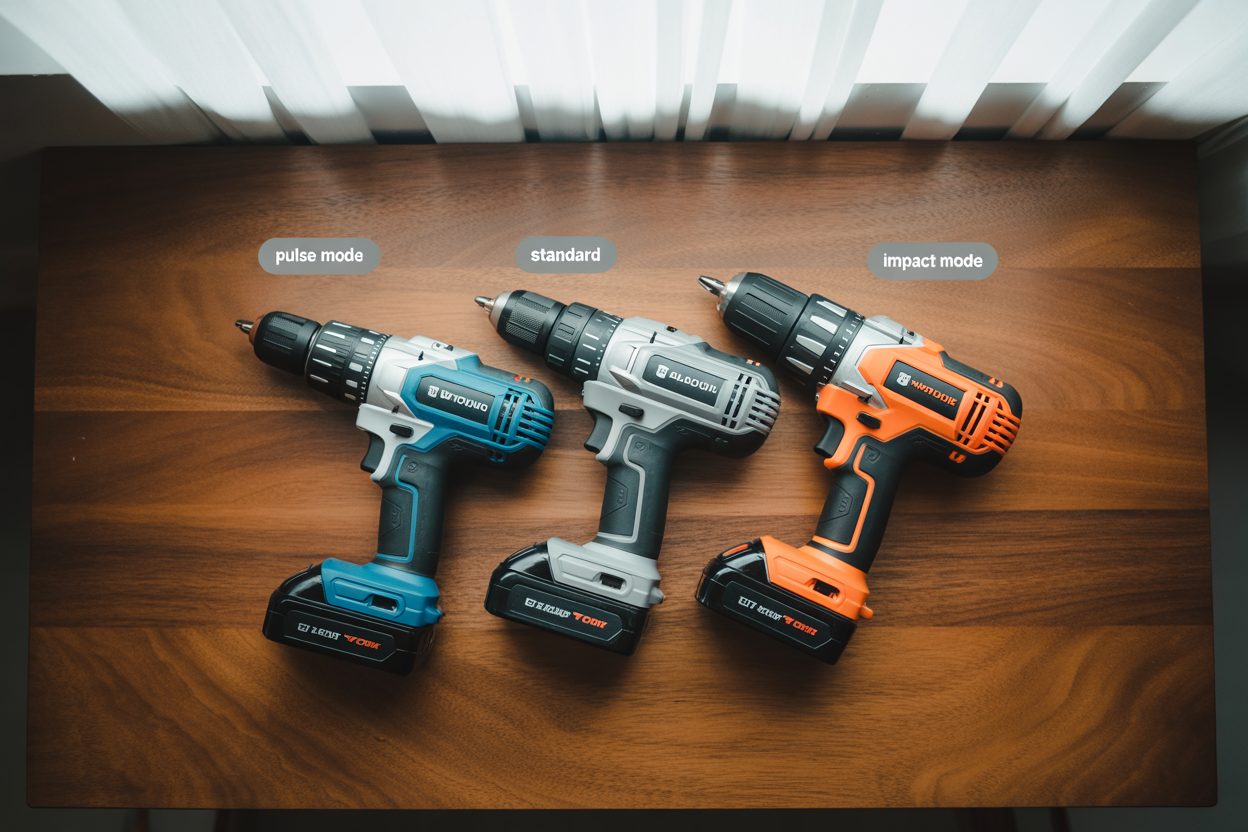
I meet many buyers who try to work with small screws or sensitive materials and feel the drill slips or damages the surface. I understand this pain because I see the same issue when I test new products in our factory.
The pulse function on a power drill helps control torque in short bursts. It reduces slipping and protects screws and bits when you work with delicate tasks.
When I test tools in Italy or Germany with buyers, they often ask why a drill needs this mode. I tell them that it helps in real work, not just on paper. Many European installers, mechanics, and furniture makers ask for better control. Pulse mode answers this need with simple, stable torque steps.
What exactly is the “pulse mode / impulse function” on a power drill?
Some users first hear about pulse mode and think it works like impact mode1. It does not. The idea behind pulse mode is control, not force. I see this confusion often when I explain drill features to new OEM clients2.
Pulse mode delivers quick, small torque bursts that help the bit stop slipping while keeping full control of the screw or bolt.
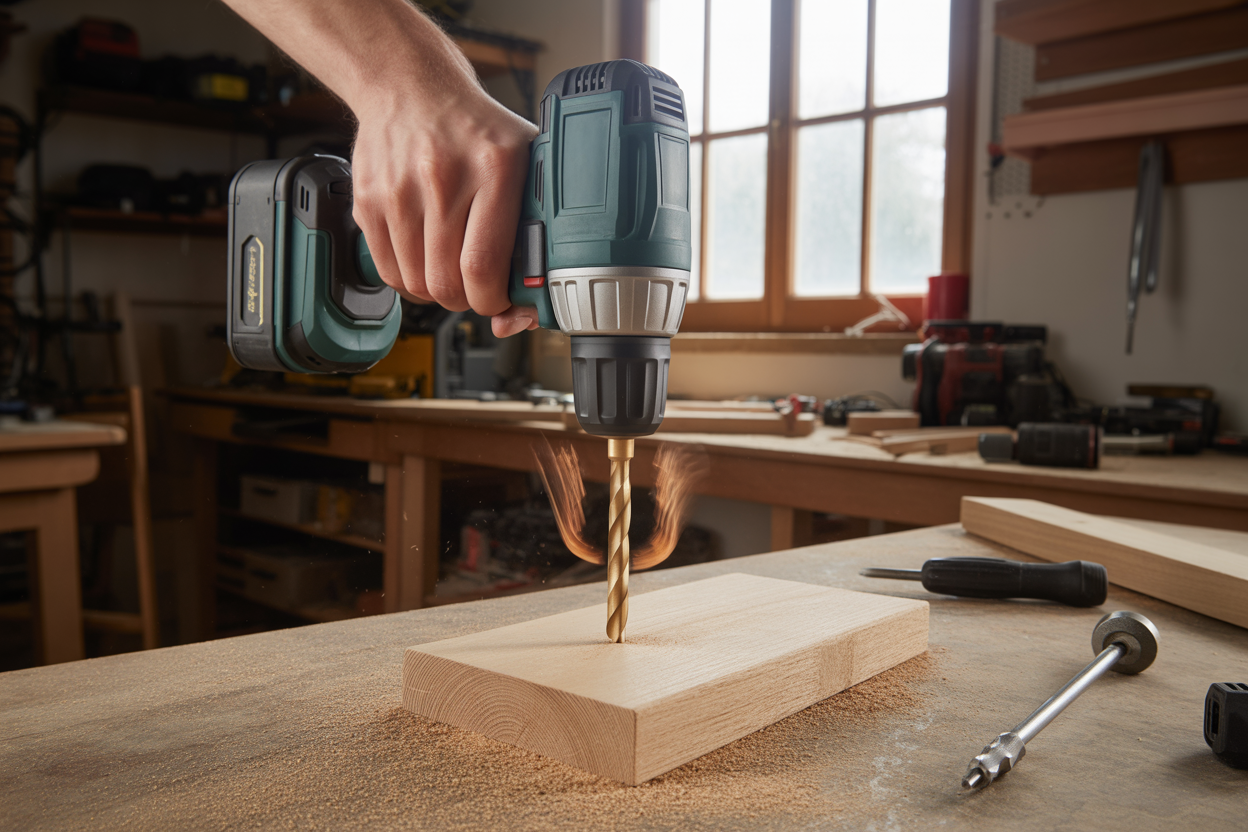
I use this mode when I need to work on delicate surfaces. I also use it when my hand position is not stable. Many European buyers from Spain and Germany tell me they need this feature for furniture assembly3, machine covers, and thin metal work4. The control is the key value here.
How the mechanism works
The drill changes the motor output into short steps. These steps slow down the rotation and create a small stop-and-go effect. This helps the bit hold the screw head5. The motor does not hit like an impact wrench. It only reduces slip.
| Feature | Pulse Mode | Impact Mode | Standard Drill |
|---|---|---|---|
| Torque style | Short bursts | Strong hits | Smooth output |
| Best for | Control | Hard materials | General use |
| Noise | Low | High | Low |
| Risk of damage | Low | Higher | Medium |
Why buyers ask for it
Importers in Italy and Germany work with customers who expect precision. They want screws to be tight but not damaged. I see this need when I help brands develop OEM versions for kitchen installers or electric panel builders. Pulse mode gives them a simple tool with better control.
When should you use (or avoid) the pulse mode on a drill?
Many users think they should use pulse mode all the time. I explain to them that this mode is helpful only in certain jobs. It is not the best option for every task.
Use pulse mode when you want more control and less slipping. Do not use it when you need high torque or fast work.
Best situations to use pulse mode
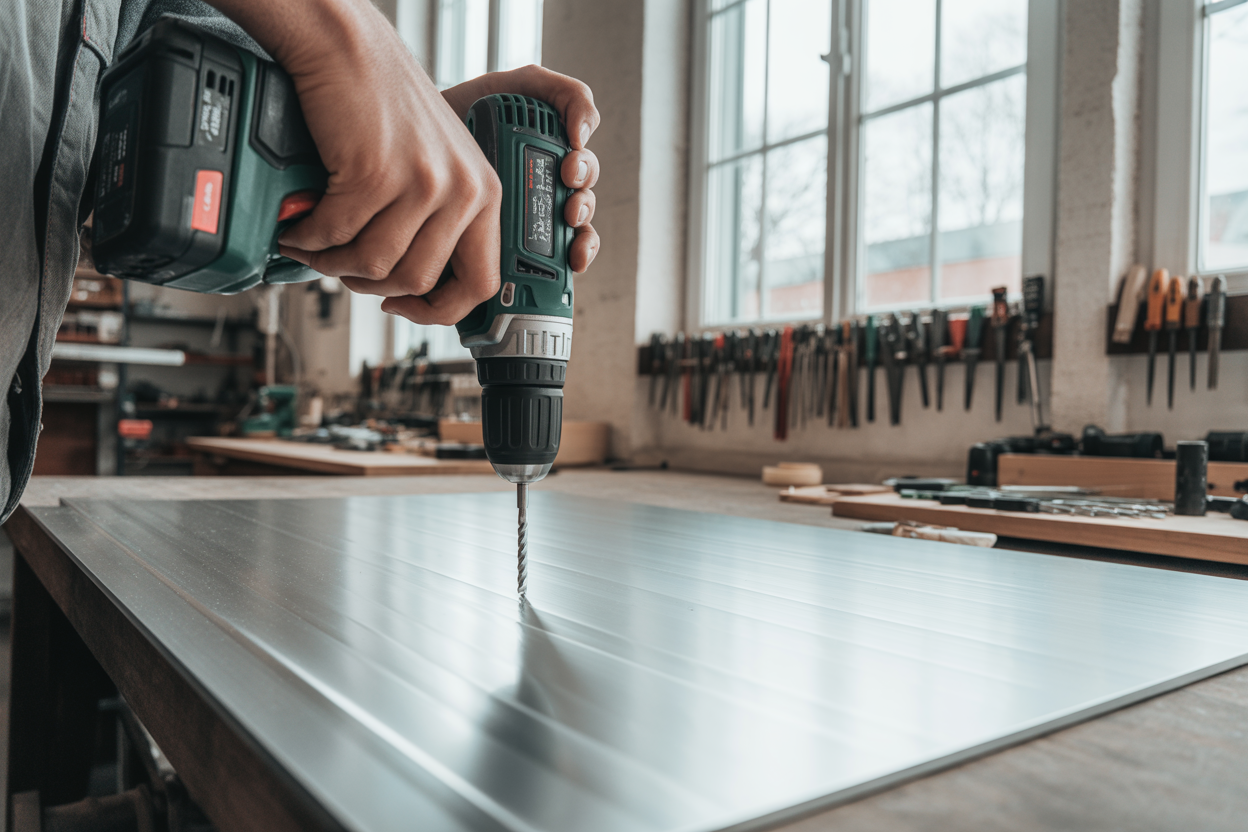
I use pulse mode when I fix small screws. I also use it when I work with thin sheet metal. Some buyers in France use it during HVAC installation. It stops the screw from walking on the surface. It also reduces wear on bits.
| Best Use Case | Why It Helps |
|---|---|
| Soft wood | Prevents over-tightening |
| Thin metal | Reduces walking |
| Small screws | Low stress on threads |
| Furniture work | Keeps surface clean |
When to avoid it
I avoid pulse mode when I need strong torque. If I work on a tough material, I switch to impact mode or standard drill mode. Many buyers in Germany tell me the same. They need speed and power for heavy tasks.
What advantages does pulse mode bring compared with standard drill or impact mode?
Most importers ask this question when they compare models during OEM selection. They want clear advantages because this affects cost and consumer demand.
Pulse mode gives better control, less damage, and more accuracy than standard drilling or impact mode.

Control advantage
Pulse mode helps me keep the bit inside the screw head. This reduces stripping. When I test samples for OEM clients in Spain or Poland, this feature is often their first reason to upgrade.
Durability advantage
Bits last longer. Screws stay in better condition. Many brands in Italy use this as a selling point for professional users.
| Feature | Pulse Mode | Standard Drill | Impact |
|---|---|---|---|
| Control | High | Medium | Low |
| Damage risk | Low | Medium | High |
| Bit life | Long | Medium | Short |
| Speed | Medium | Fast | Fast |
Precision advantage
I use pulse mode when I work near delicate edges. The tool moves in small steps. This helps me keep the result clean. Installers in Germany value this because they want neat results.
Are there drawbacks or limitations to using pulse mode?
Some buyers think pulse mode improves everything. I tell them it does not. It has limits. You need to know these limits before choosing your OEM design.
Pulse mode is slower and weaker than impact mode. It is not ideal for large screws or hard materials.
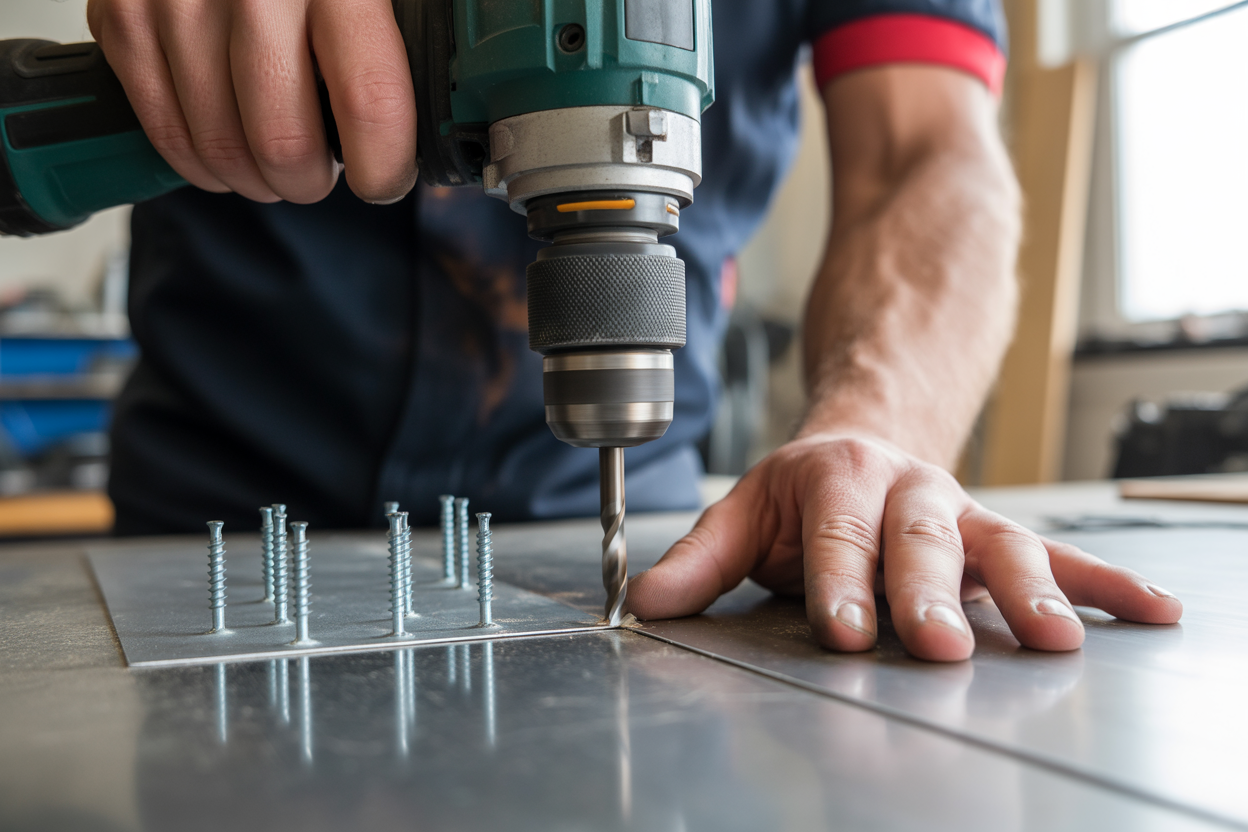
Lower speed
Pulse mode slows work. I see this clearly when I test two models side by side. Importers in Mexico also complain about this when they need fast installation tools.
Lower torque
The motor gives small steps, not full force. This limits use on big screws. Buyers in Turkey often switch to impact mode for stronger jobs.
| Limitation | Why It Happens |
|---|---|
| Slow speed | Stop-and-go output |
| Low torque | No heavy hits |
| Not for big screws | Motor cannot push enough power |
| Not ideal on concrete | Lack of force |
Heat buildup
On long jobs, the motor can heat up. I test this during R&D at our factory. The motor works harder to control torque, so heat rises faster.
How do variations of “pulse / impuls / pulse-action” across different brands/tools differ?
Buyers often notice that brands use different names. They ask me if these modes are the same. They are similar, but not always equal.
Different brands use different control algorithms. Some pulses are stronger, some softer, and some faster.

Differences between brands
I test many models for OEM and ODM projects. I see clear variations. Japanese brands use softer pulses. European brands prefer faster pulses. Chinese brands often offer adjustable levels6.
| Brand Region | Pulse Style | User Feedback |
|---|---|---|
| Japan | Soft, slow | Precise |
| Germany | Fast, sharp | Strong control |
| Italy | Medium speed | Smooth |
| China OEM | Adjustable | Flexible |
Why these differences exist
Each market has different needs. For example, Italian installers want smoother action. German installers want stronger grip. This affects how brands design their control chips.
What this means for OEM buyers
If you order OEM from China, you can choose the pulse style. I help many clients tune this during sample testing. This affects user experience, retail performance, and return rate.
Conclusion
Pulse mode is a simple function but brings strong value for control, accuracy, and protection. It fits real work needs in Europe and helps brands offer a more refined tool.
-
Understanding the differences can help you choose the right mode for your specific drilling needs. ↩
-
Gain insights into the needs of OEM clients to better cater to their requirements. ↩
-
Find out which tools are best suited for furniture assembly to achieve professional results. ↩
-
Learn techniques for drilling into thin metal to avoid damage and ensure precision. ↩
-
Understanding this can help you avoid stripping screws and improve your drilling accuracy. ↩
-
Find out how adjustable levels can enhance your drilling experience and versatility. ↩