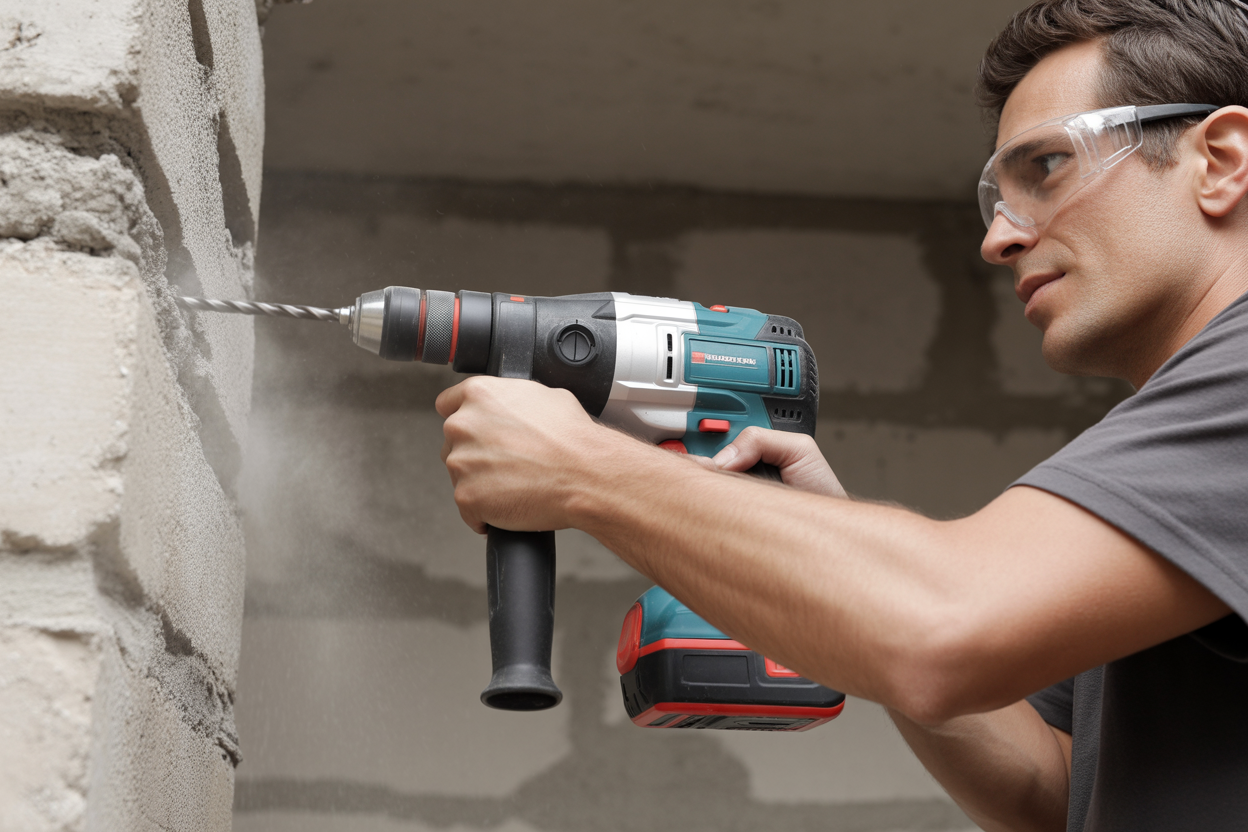
I often meet buyers who get confused when they see different cordless tools1. They ask me why a hammer drill2 and an impact wrench3 look similar but feel very different in use. This confusion can cost time and money.
A hammer drill is for drilling into hard materials like concrete, while an impact wrench is for tightening or loosening nuts and bolts with high torque.
I remember testing tools with a client in Italy. He wanted to drill into a stone wall and then tighten bolts on his equipment. He first picked the wrong tool. I could see how quickly he realized why understanding the difference is important. Let me guide you through both tools, so you know when to use each one.
What is a hammer drill and how does it work?
Many buyers struggle when they see a hammer drill. They think it is just a stronger drill. The hammer drill has a special mechanism that makes drilling easier in hard materials.
A hammer drill uses rapid forward and backward motion combined with rotation to break concrete, brick, or stone while drilling.
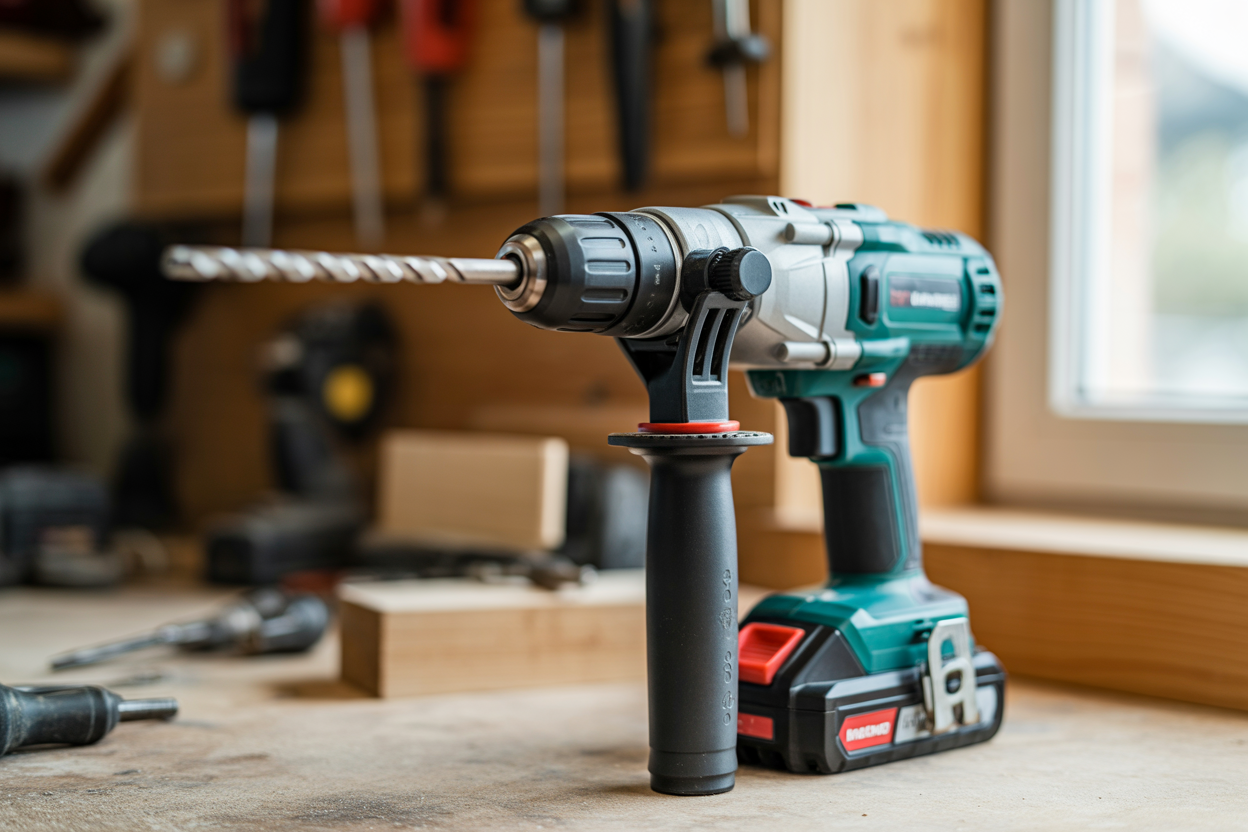
How it works
Hammer drills have two main actions. The first is rotation, like a regular drill. The second is hammering. This motion hits the material many times per second. It helps the drill bit move through tough surfaces faster than a standard drill. Some hammer drills let you turn off the hammer function, so you can drill into wood or metal too.
Types of hammer drills
| Type | Voltage | Material Focus | Notes |
|---|---|---|---|
| Corded | 500W+ | Concrete, stone | Stronger, continuous power |
| Cordless | 12V-21V | Light masonry | Portable, easy to move |
| SDS Drill | 18V-36V | Heavy concrete | Uses SDS bits, high torque |
Real experience
I often see European importers choosing hammer drills for construction jobs4. They need tools that can handle stone or brick. One client in Germany tested our 21V cordless hammer drill. He drilled several concrete blocks without overheating. He was impressed by how smooth it worked. The hammer motion is what made the difference.
What is an impact wrench and how does it work?
Many people confuse impact wrenches with drills. They look similar, but impact wrenches are all about torque, not drilling.
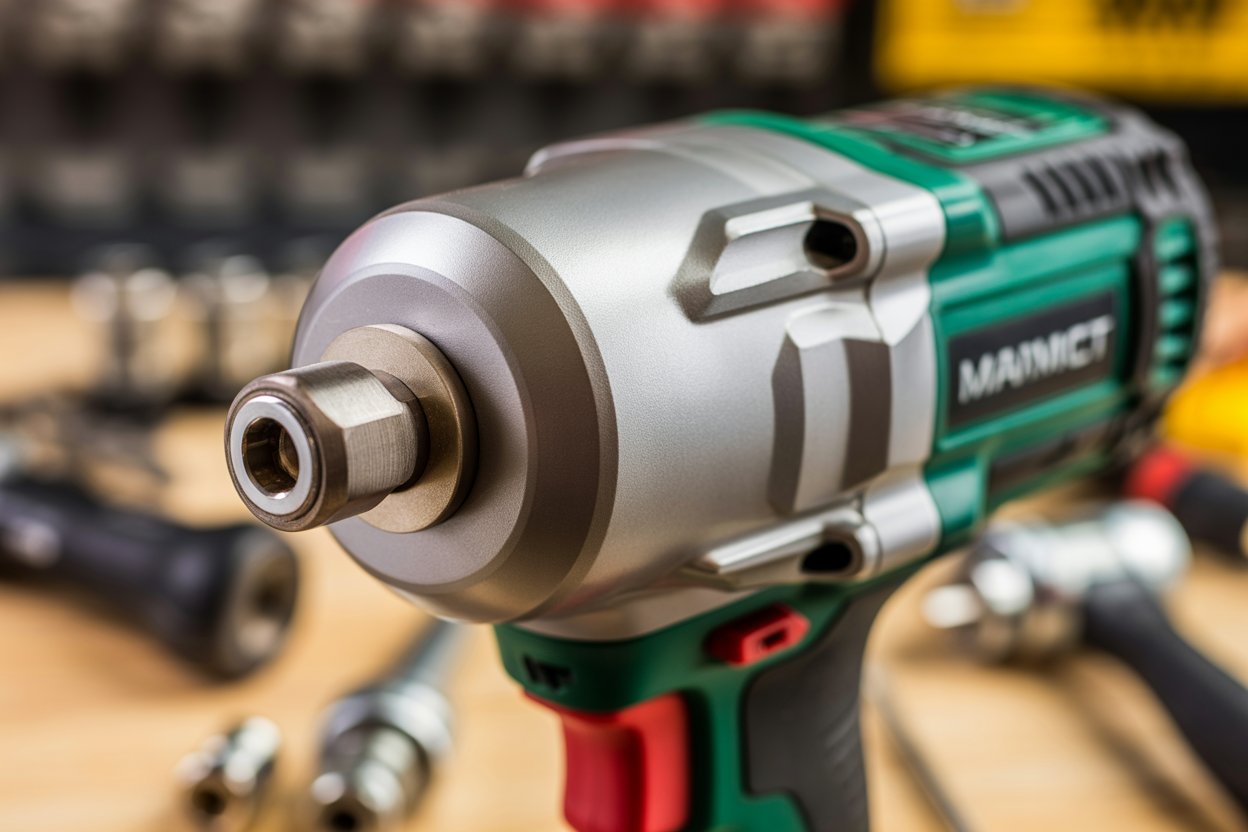
An impact wrench delivers strong rotational force in short bursts to tighten or loosen bolts quickly.
Mechanism of impact wrenches
Impact wrenches have an internal hammer and anvil. When you press the trigger, the hammer spins and hits the anvil repeatedly. This creates short bursts of high torque5. The result is a fast, strong rotation that tightens or loosens bolts without stripping them.
Types of impact wrenches
| Type | Voltage | Torque Range | Notes |
|---|---|---|---|
| Cordless | 12V-21V | 50-200Nm | Portable, easy to use |
| Corded | 400-800W | 150-600Nm | Continuous high torque |
| Pneumatic | Air powered | 200-1000Nm | Heavy duty, workshop use |
Practical insights
When I visited Spain, a client asked about automotive tools6. He needed something that could remove wheel bolts fast. I gave him a 16.8V cordless impact wrench. He finished in minutes without damaging nuts. Impact wrenches save a lot of effort in repeated fastening tasks. European buyers value this highly for workshop efficiency.
Key differences between a hammer drill and an impact wrench
It is easy to get confused. Both tools rotate, both look strong, but their functions are different.
Hammer drills drill and chip hard materials. Impact wrenches tighten or loosen bolts with high torque.
Function comparison
| Feature | Hammer Drill | Impact Wrench |
|---|---|---|
| Primary Use | Drilling concrete, brick | Tightening/loosening bolts |
| Motion | Rotation + hammering | Rotational impact bursts |
| Torque | Moderate | High |
| Bits/Sockets | Drill bits | Sockets |
| Common Users | Construction, masonry | Automotive, assembly |
Tool design
Hammer drills are heavier at the front for stability. Impact wrenches are compact but have a strong internal hammering mechanism. Ergonomics matter for long jobs. I always check European buyers’ preferences. Comfort and balance are crucial for repetitive tasks.
Power and battery
Cordless hammer drills usually use 12V to 21V batteries. Impact wrenches often need similar voltages but may require higher discharge for torque. I recommend matching the battery to the tool use. Wrong power reduces performance and can damage components.
When to use each tool
Choosing the wrong tool costs time. Buyers often pick a hammer drill for bolt jobs or an impact wrench for masonry. Both fail in those cases.
Use hammer drills for drilling walls and masonry. Use impact wrenches for bolts, nuts, and screws needing high torque.
Hammer drill scenarios
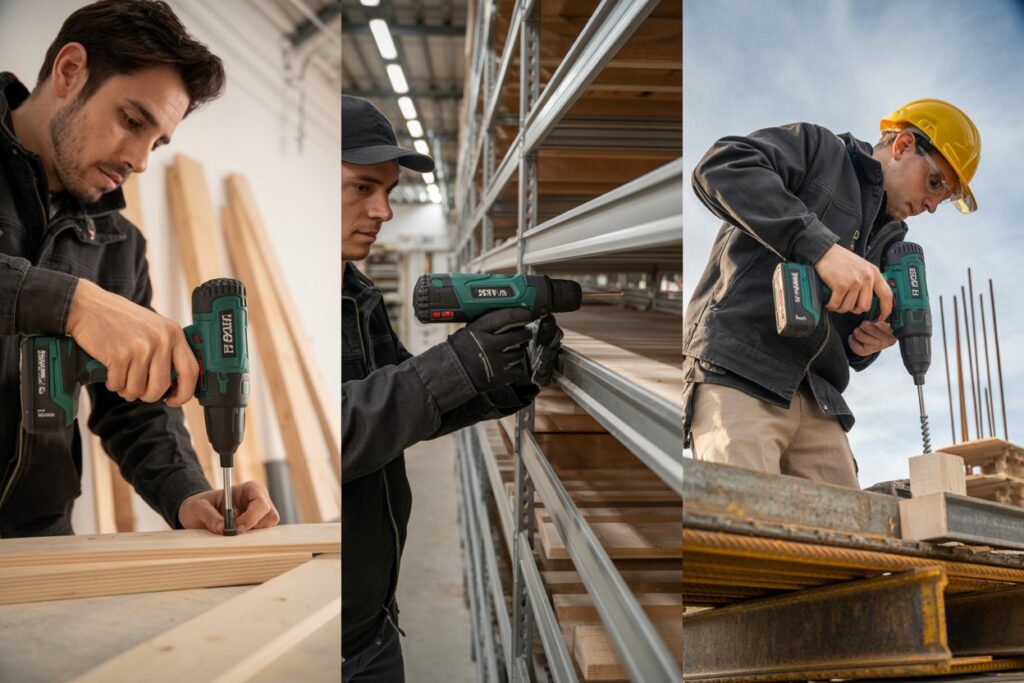
I advise using hammer drills for construction sites. Drilling into brick, stone, or concrete requires hammering motion7. Cordless versions help in areas without electricity. One client in Italy drilled outdoor stone pillars with ease using our 21V hammer drill.
Impact wrench scenarios
Impact wrenches excel in automotive, assembly lines, and maintenance. One client in Germany replaced truck wheel bolts quickly. Torque is controlled, reducing nut stripping. Cordless impact wrenches offer flexibility for workshops without air compressors.
Choosing the right voltage
| Task | Recommended Tool | Voltage |
|---|---|---|
| Masonry drilling | Hammer drill | 12V-21V |
| Concrete wall | Hammer drill | 18V+ |
| Car wheel bolts | Impact wrench | 12V-21V |
| Heavy machinery bolts | Impact wrench | 18V+ |
Safety considerations
Both tools can be dangerous if misused. I always remind buyers about safety. Hammer drills can throw debris. Impact wrenches can spin fast and injure hands.
Always wear safety glasses, gloves, and follow manufacturer instructions. Disconnect batteries before changing bits or sockets.
Protective gear
I recommend gloves that allow grip but protect fingers. Safety glasses prevent dust and small stone fragments from hitting eyes. Ear protection matters if you drill for long periods. These are simple, effective precautions.
Handling tips
Hold hammer drills firmly. Use both hands to control movement. Keep impact wrenches balanced. Avoid over-torquing bolts. European buyers often request torque-limiting features8 for safety. I have seen beginners strip bolts without it.
Maintenance tips
| Tool | Maintenance | Notes |
|---|---|---|
| Hammer drill | Clean bits, check hammer mechanism | Keep vents clear |
| Impact wrench | Lubricate hammer-anvil, check sockets | Avoid overuse in high torque |
Regular maintenance extends tool life. I remind all clients to follow simple routines. Europe buyers especially care about long-lasting, certified tools.
Conclusion
Hammer drills drill and chip materials. Impact wrenches tighten or loosen bolts with high torque. Choosing correctly improves efficiency and safety. Proper knowledge helps you save time and money.
-
Find out why cordless tools are preferred for their portability and convenience. ↩
-
Explore this link to understand the unique features and benefits of hammer drills for your projects. ↩
-
Learn about impact wrenches and their advantages for automotive and assembly tasks. ↩
-
Get insights into the best tools for construction and how to choose them. ↩
-
Understand the significance of high torque in tools and how it affects performance. ↩
-
Find out which tools are essential for automotive work and their uses. ↩
-
Understand the mechanics behind hammering motion and its benefits in drilling. ↩
-
Learn how torque-limiting features enhance safety and performance in tools. ↩