I get this question a lot, especially from buyers who want to source tools that truly work in the field. And honestly, I get it. “Cutter” and “trimmer” sound similar, but in real life, they behave very differently. Let me walk you through it in a simple, human way.
A cutter is designed for heavy-duty tasks like removing thick branches or shaping dense hedges, while a trimmer is made for lighter tasks such as maintaining hedge surfaces or creating clean outlines. The key difference is cutting strength, blade design, and the type of material each tool can handle.
I remember one of my early sourcing trips when a buyer told me, “Lynn, I bought a trimmer and expected it to cut 3 cm branches.” I smiled, because we’ve all been there. Understanding the distinction saves money, reduces returns, and—most importantly—keeps your customers happy. Let's break things down step by step.
What is a hedge cutter?
When I talk about hedge cutter1s, I’m talking about tools built with muscle. These are the machines we pick up when hedges are thick, overgrown, and a little intimidating—like the ones you avoid all winter.
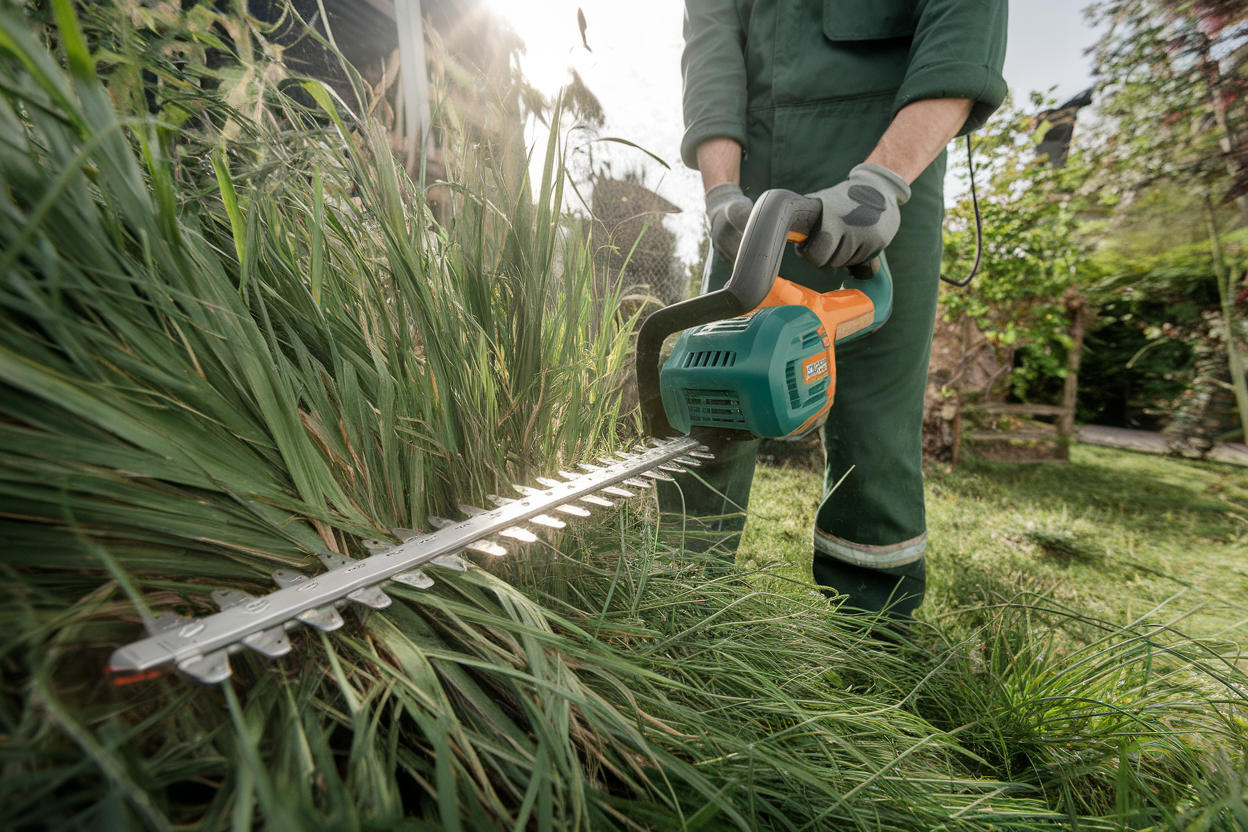
A hedge cutter is a heavy-duty tool used for cutting thick branches and dense hedge growth. It usually has longer blades, stronger motors, and higher cutting capacities than hedge trimmers. Hedge cutters are designed for reshaping hedges, removing old growth, and handling tougher vegetation.
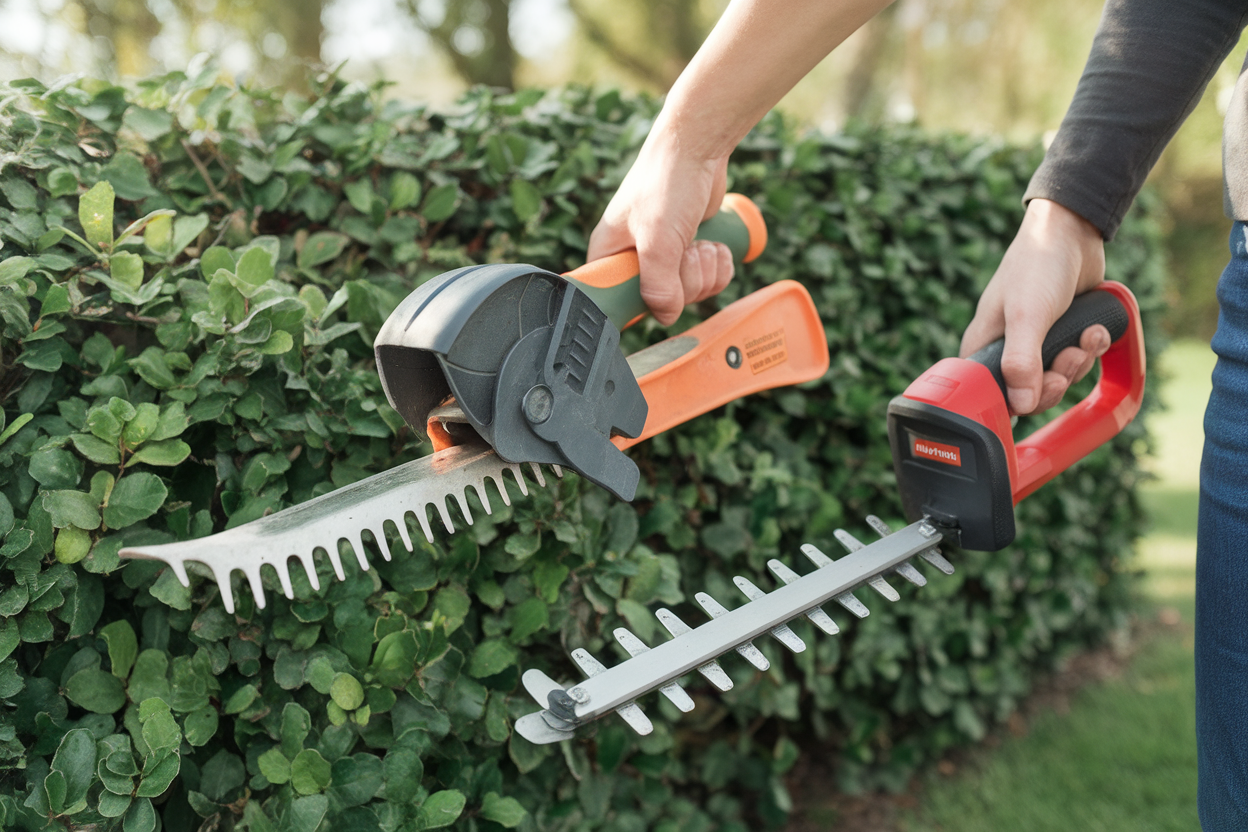
When I first started working with European buyers, many assumed a hedge cutter was simply a “bigger trimmer.” But once you see one in action, you immediately understand why they are in a different league.
A hedge cutter is engineered for force. Its blades are typically spaced wider, allowing it to grip and slice through thick, woody branches. When I'm inspecting tools in the factory, I always check the tooth spacing2 first—it tells me exactly what the machine is capable of. For example, a 20 mm spacing is fine for everyday trimming, but 28–34 mm means you’re dealing with a real cutter.
Here’s a simple comparison:
| Feature | Hedge Cutter |
|---|---|
| Main use | Removing thick branches |
| Typical tooth spacing | 28–34 mm |
| Motor strength | High |
| Ideal for | Old, dense, or overgrown hedges |
What I love most about hedge cutters is the feeling of taking something wildly overgrown and giving it structure again. It’s a bit like fixing a messy problem in business—you push through the tough parts first, and suddenly everything falls into place.
If you're sourcing these tools for your customers, remember this: hedge cutters aren’t for neatness; they’re for power. When a hedge has been ignored for too long or your clients need to shape a garden from scratch, this is the tool they’ll trust.
What is the difference between a hedge cutter and a hedge trimmer?
This is where most people mix things up. The names sound similar, but their jobs couldn’t be more different. Think of them as cousins—one strong and serious, the other light and quick.
A hedge cutter handles heavy work like cutting thick branches, while a hedge trimmer maintains hedge surfaces and shapes softer growth. Hedge cutters offer higher cutting capacity and power, whereas trimmers provide precision and lighter handling for regular maintenance tasks.
I still remember a customer telling me, “Lynn, the trimmer I bought last season keeps getting stuck.” When I checked the specs, the tooth spacing was only 18 mm, yet he was cutting branches thicker than a finger. That’s when you realize how important it is to match tools with the job.
Hedge cutters and hedge trimmer3s serve completely different moments in the gardening cycle. A hedge cutter is like the tough friend who helps you move heavy furniture—it gets the hard work done. A hedge trimmer is the friend who helps you reorganize the living room—more delicate, more precise.
Here’s a quick breakdown:
| Feature | Hedge Cutter | Hedge Trimmer |
|---|---|---|
| Cutting strength | High | Medium |
| For thick branches | Yes | No |
| Weight | Heavier | Lighter |
| Skill needed | Moderate | Easy |
| Best use | Reshaping and clearing | Surface trimming |
If you’re sourcing these for resale, understanding this difference helps you guide your clients honestly and confidently. It also helps you avoid one of the biggest issues European buyers face: returns caused by “wrong expectations.” I’ve been in this industry long enough to know that even one incorrect purchase can create a chain reaction—refunds, complaints, and damage to your brand.
Helping buyers pick the right tool is like giving them clarity. And clarity builds trust, which is something no factory can mass-produce.
Conclusion
Both tools matter, but for different reasons. A cutter gives strength; a trimmer gives precision. Once you understand what each one does, your sourcing choices—and your customers’ gardens—get a whole lot clearer.
-
Explore this link to understand the power and capabilities of hedge cutters, essential for tackling tough gardening tasks. ↩
-
Find out how tooth spacing impacts cutting efficiency, crucial for selecting the right tool for specific tasks. ↩
-
Learn about hedge trimmers and their precision in maintaining garden aesthetics, perfect for regular upkeep. ↩