
I meet many buyers from Italy, Spain, and Germany who compare these tools because they look similar in photos. I see the same question from importers who plan OEM1 or ODM2 projects with us. They want one clear answer. I understand this pain because both tools cut wood, metal, and plastic, but they behave in very different ways.
A circular saw uses one round blade for fast straight cuts, while a band saw uses a long continuous blade for curved cuts, precise shapes, and controlled material removal.
Many European buyers tell me that they need this answer before they choose which model to import. I see this all the time when they ask for MOQ, lead time, CE rules3, and battery platform4 choices. I also face this question when I work on product sourcing for new brands.
I want to explain the differences in simple words, based on my years in OEM and ODM projects for cordless tools. I want to help you make the right choice for your market, your pricing level, and your certification plan. I also want you to understand how users see these tools in Europe so you can make a better buying decision.
Overview: Two Very Different Cutting Tools?
Many importers think these two saws can replace each other. I see this often during sample selection. The confusion comes from the fact that both saws cut wood. The truth is very different.
A circular saw is a fast, aggressive cutting tool, while a band saw is a slow, controlled, and precise cutting tool.
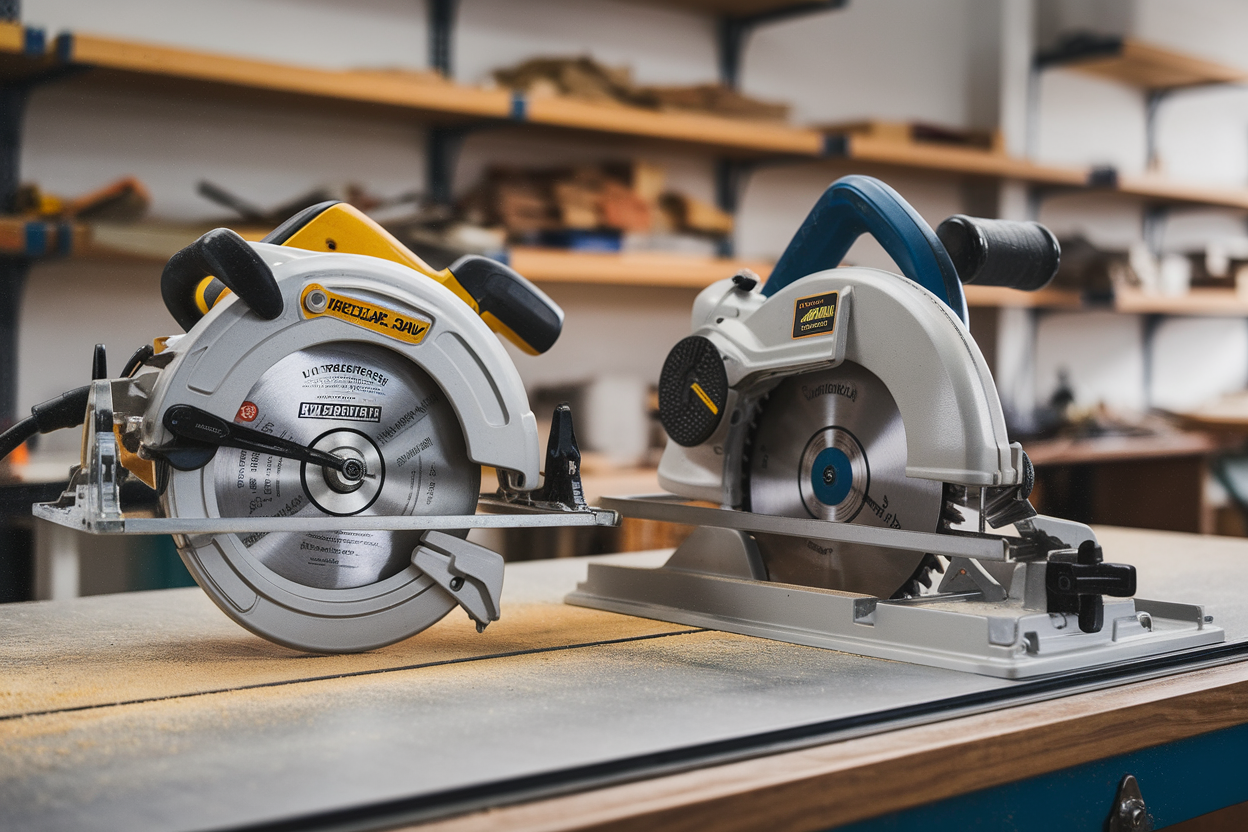
I want to explain this difference from several angles: speed, power, control, blade style, user habits5, price range6, and OEM design limits. I also want to show real cases from my overseas buyers. These stories help explain how the tools behave in real use.
Main Purpose
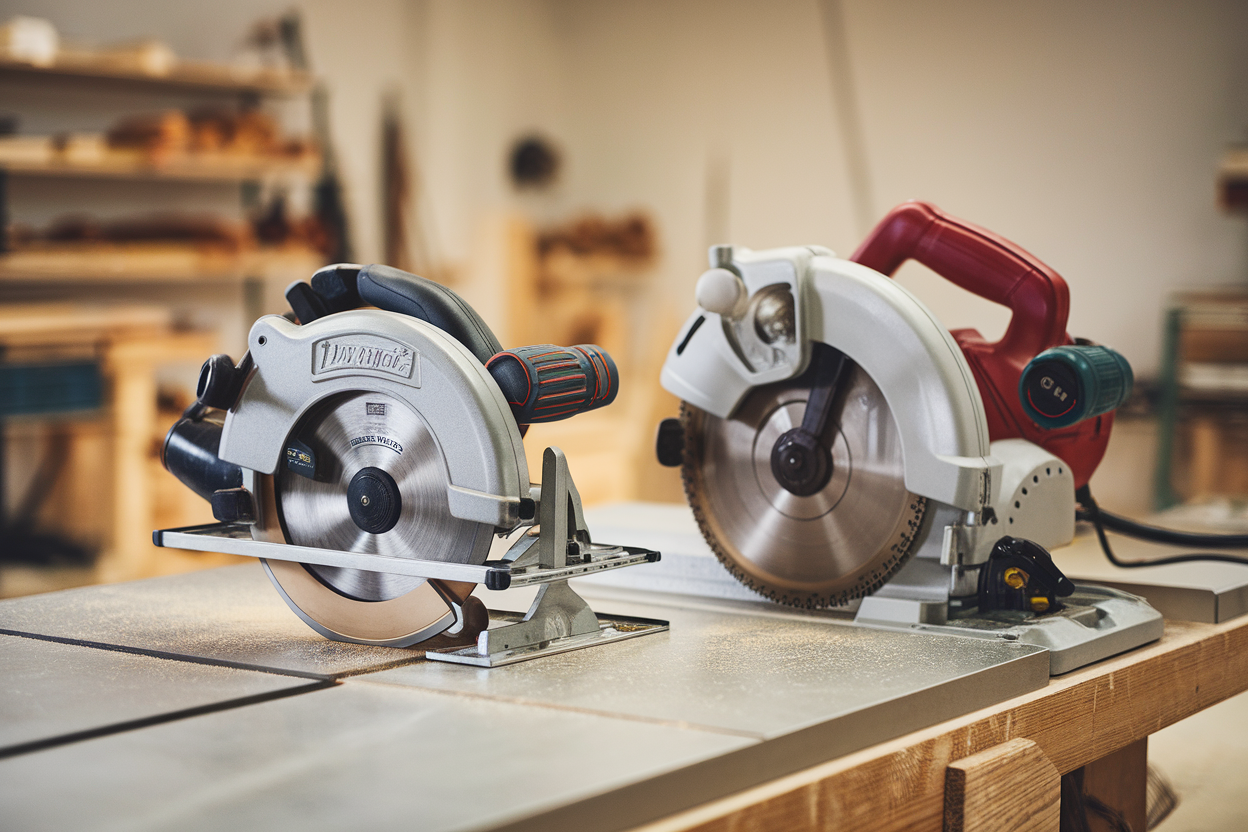
A circular saw7 is mainly for straight cuts. It works fast and removes a lot of material in a short time. A band saw8 is for curved lines and detailed shapes. It cuts slower but with more control.
Blade Structure
A circular saw blade is one solid disc. A band saw blade is a long steel band on two wheels. This difference shapes the entire user experience.
Speed and Safety
Circular saws move fast and feel aggressive. Band saws move slower and feel more stable. Importers must know this because different countries have different safety expectations9.
| Feature | Circular Saw | Band Saw |
|---|---|---|
| Cutting speed | Fast | Slow to medium |
| Cut shape | Straight | Curved or straight |
| User control | Medium | High |
| Blade style | Round disc | Continuous band |
| Ideal user | DIY and construction | Woodworkers and detail users |
What Is a Circular Saw?
Importers often ask me if a circular saw is only for wood. It is not. With the right blade, it cuts many materials. But the most important thing is that it uses one round blade.
A circular saw is a handheld cutting tool with a round blade that spins at high speed to make straight cuts in wood, plastic, and some metals.
I use circular saws when I test new batteries or torque performance because the load is high and shows battery quality. Many European buyers prefer brushless versions because they meet CE and noise requirements better.
How Users See It
Most users in Europe buy circular saws for building, flooring, and general renovation. They want speed more than precision.
OEM Impact
A circular saw design limits how much curve it can cut. The motor and guard design aim for straight cuts only.
Blade Cost and Sourcing
Circular saw blades are low cost and easy to source in China. This matters for buyers who want accessories inside the color box.
| Factor | Circular Saw Notes |
|---|---|
| Blade price | Low |
| Motor type | Brushed or brushless |
| Battery need | High discharge |
| CE impact | Noise test required |
How a circular saw works?
Many buyers only see product photos, so they miss how the tool behaves. I always explain the working principle because it affects user safety and OEM design choices.
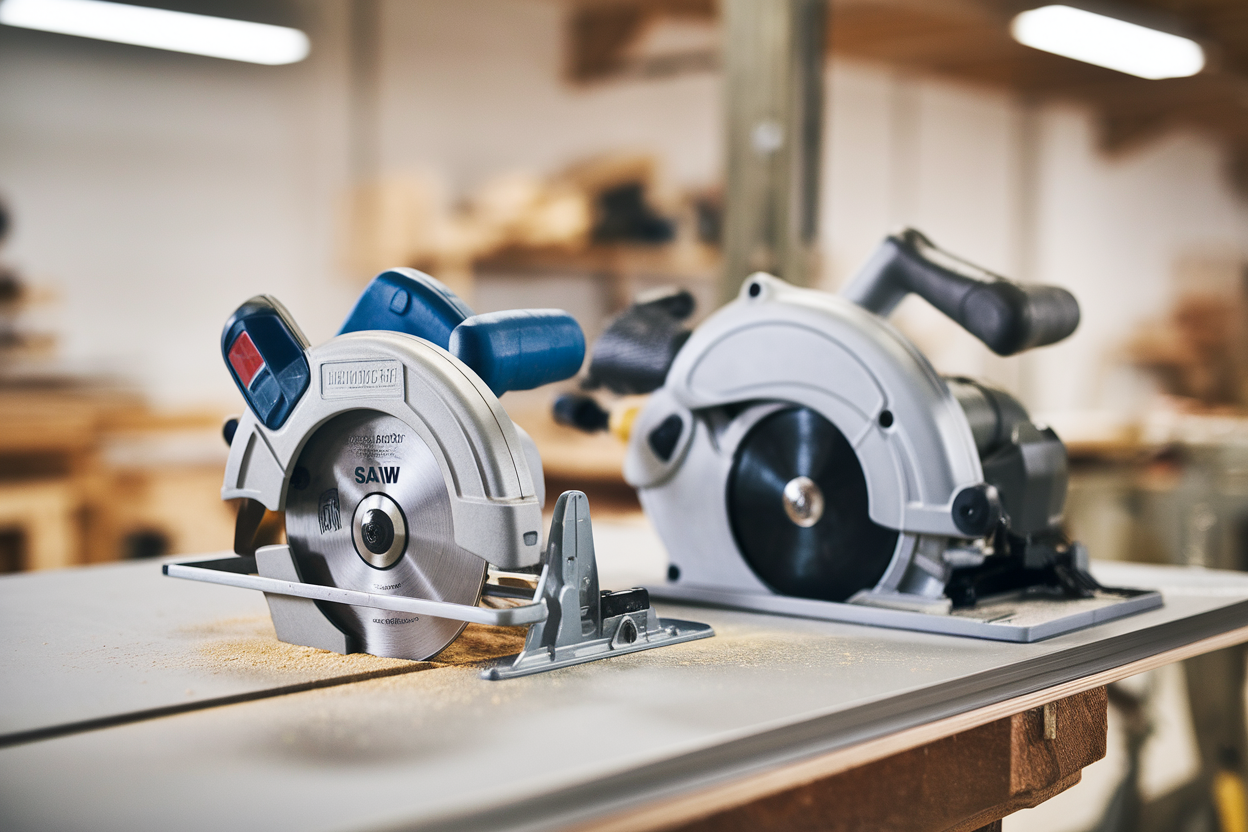
A circular saw works by spinning a round blade at high speed so the teeth remove material in a straight line when the user pushes the tool forward.
Blade Rotation
The blade spins toward the front. This pulls the tool into the material. It is why users must hold the saw firmly.
Motor Load
The motor faces high torque spikes. This is why some cheap imports fail after cutting hardwood. Many buyers learn this the hard way.
Guide Support
A circular saw depends on a flat base plate. This limits curves. It forces straight cutting.
| Component | Role | Importer Note |
|---|---|---|
| Motor | Drives blade | Brushless preferred in EU |
| Base plate | Keeps straight line | Impacts cutting accuracy |
| Blade guard | Protects user | CE requires testing |
What Is a Band Saw?
A band saw looks gentle but cuts with very high control. I see more interest from Germany and Italy because their markets value woodworking.
A band saw uses a long steel band stretched over two wheels, allowing slow, controlled, curved or straight cuts with high precision.
I help many buyers compare handheld band saws and bench band saws. Both use the same blade principle.
Purpose
A band saw is for shape cutting. It removes less material at once and gives smooth control.
OEM Impact
It needs a strong frame to keep the blade stable. It also needs precise wheel alignment.
User Expectation
Users expect clean, safe cutting. They often buy it for detail work.
| Feature | Notes |
|---|---|
| Blade width | Defines curve ability |
| Wheel size | Defines stability |
| Target users | Detail workers |
How a band saw works?
Band saw buyers often ask about blade tracking and stability. This is because the cutting experience10 depends on blade tension.
A band saw works by moving a continuous blade in one direction while keeping it under tension, which allows stable straight or curved cuts with smooth control.
Blade Tension
The blade must stay tight. If tension is low, the cut wanders.
Wheel Alignment
Two wheels guide the blade. This keeps the blade stable.
Material Removal
The blade removes thin layers. This avoids tear-out.
| Component | Role | Buyer Impact |
|---|---|---|
| Wheels | Guide blade | Needs stable design |
| Frame | Holds tension | Impacts cost |
| Guides | Control blade path | Needs quality parts |
Key Differences Between a Circular Saw and a Band Saw?
This is the main part most importers want. It affects user habits, pricing, safety, and OEM decisions.
A circular saw cuts fast and straight with a round blade, while a band saw cuts slow and controlled with a continuous blade and allows curved shapes.
Cutting Style
Circular saw: aggressive straight cuts
Band saw: controlled curved cuts
Battery Load
Circular saws use more power. Band saws use less.
User Market
Circular saw sells well in Spain and Poland for construction.
Band saw sells well in Italy and Germany for woodworking.
| Factor | Circular Saw | Band Saw |
|---|---|---|
| Cut type | Straight | Curved and straight |
| Power need | High | Medium |
| Market focus | DIY and construction | Woodcraft |
| Safety feel | Aggressive | Soft |
Which One Should You Choose?
Buyers face this decision when planning their SKU list. They ask me which model fits their market.
Choose a circular saw for fast straight cuts and construction tasks. Choose a band saw for controlled, curved, and detailed cuts.
If Your Market Values Speed
Choose a circular saw. It fits builders.
If Your Market Values Detail
Choose a band saw. It fits woodworkers.
OEM Decision Guide
Consider battery platform, CE rules, MOQ, price level, and user habits.
| Market Type | Best Choice | Reason |
|---|---|---|
| Construction | Circular saw | Fast work |
| Woodcraft | Band saw | Precision |
| DIY mix | Both | Wide use |
| OEM brand building | Both | Full line |
Conclusion
Both tools serve different users. I see this clearly in every OEM and ODM project I manage. A circular saw gives speed. A band saw gives control. The right choice depends on your market, battery system, and brand strategy. If you need advice, I can guide you based on your country and target users.
-
Understand the concept of OEM and how it impacts product design and sourcing in the tool industry. ↩
-
Discover the role of ODM in creating customized products and how it can benefit your business strategy. ↩
-
Understand the CE certification process and its importance for safety and compliance in the European market. ↩
-
Discover how battery platforms affect tool compatibility and performance in cordless tools. ↩
-
Discover how user habits shape the design and functionality of cutting tools in the market. ↩
-
Understand how price influences the choice of tools for different markets and user needs. ↩
-
Explore the benefits of circular saws for fast and efficient cutting, ideal for construction and renovation projects. ↩
-
Learn how band saws provide precision and control for detailed woodworking tasks, making them essential for artisans. ↩
-
Learn about the safety standards and expectations for power tools in the European market. ↩
-
Explore the various factors that affect the cutting experience and user satisfaction with saws. ↩