When people ask me, “What’s the best cordless trimmer1 on the market?”, I always smile a little. Because the real answer isn’t one single model—it’s figuring out what you want from a tool and how it fits into your daily work.
The best cordless trimmer is the one that balances power, runtime, weight, and cutting system to match your job needs. A good option should offer stable voltage, long battery life, low vibration, and easy maintenance. Most users choose 20V or 40V systems based on yard size and workload.
Before you pick a trimmer just for the specs on paper, let me walk you through the real questions I usually ask my European buyers. Over the years at YOUWE, I’ve seen how the “best choice” changes depending on the land you maintain, your price goals, and even how many returns you can accept during peak season.
What is the difference between a 20V and 40V trimmer?
Sometimes customers ask me this with a confused look—like these numbers are hiding some secret code. Honestly, I used to feel the same when I first stepped into the factory floor with Candy. But once you get the basics, it all becomes pretty clear.
A 20V trimmer suits light to medium yard work, offering lower weight and easier handling. A 40V trimmer delivers more power, longer runtime, and better performance for thick grass or larger areas. Most small gardens work well with 20V, while bigger properties benefit from 40V systems.
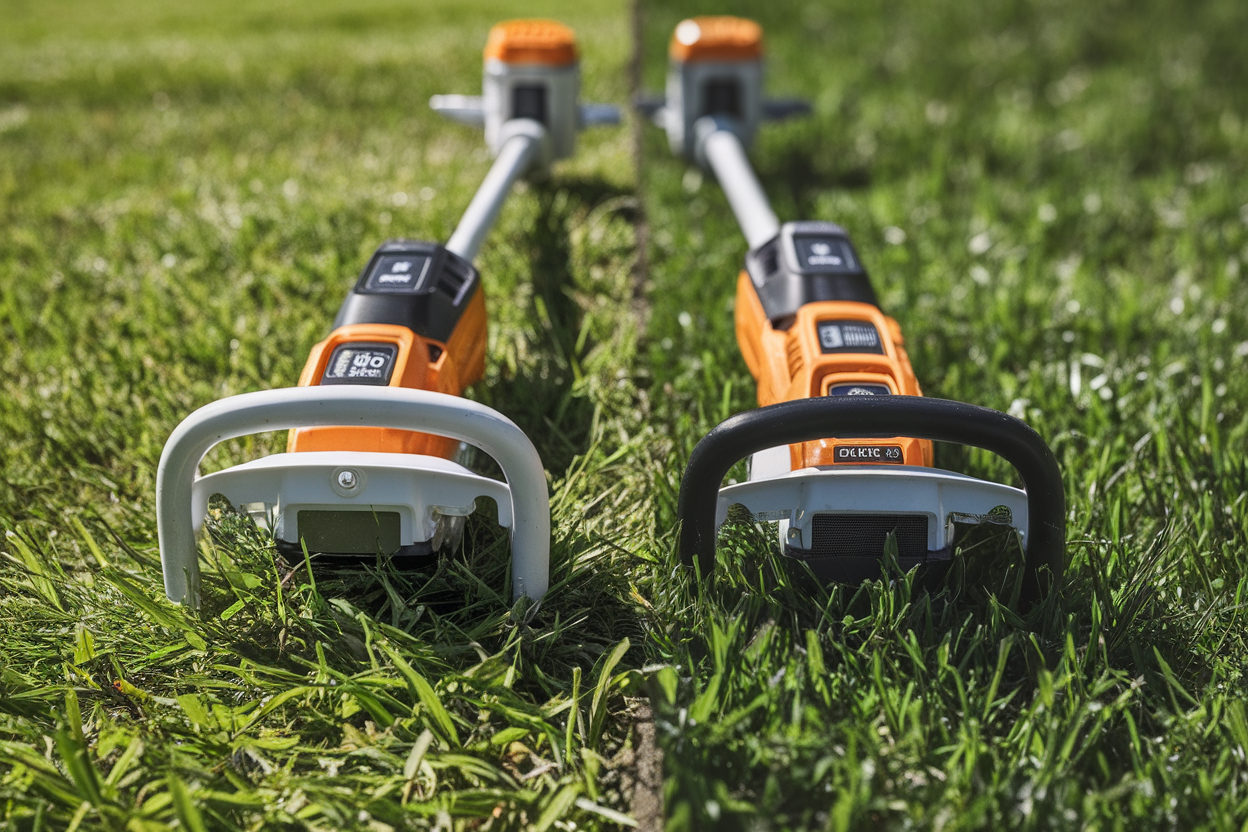
How Voltage Shapes Real-World Performance
I still remember a buyer from Italy calling me after switching from 20V to 40V tools. He said, “Lynn… why didn’t I do this earlier? My workers stopped complaining.” And it’s true—voltage changes everything from power delivery to the vibration you feel through your arms.
Here’s what I usually explain:
🌱 Understanding Power and Grass Type
- 20V: Works well on soft, short grass, routine trims, and tidy edges.
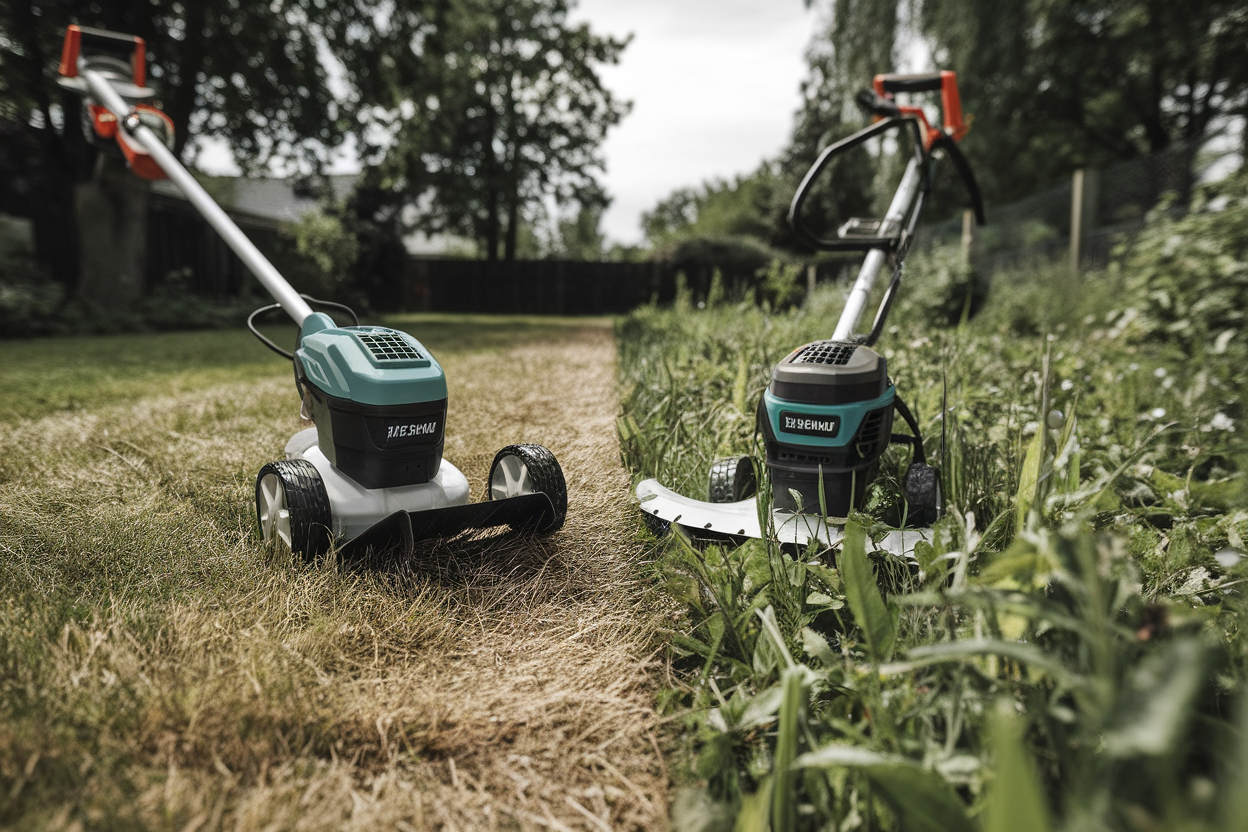
- 40V: Handles tall, wet, or stubborn grass—situations where a 20V tool starts to struggle.
⚡ Runtime Differences
| Voltage | Typical Runtime | Suitable For |
|---|---|---|
| 20V | 20–35 minutes | Homes, small gardens |
| 40V | 40–60+ minutes | Large yards, commercial tasks |
🧰 Tool Weight and Handling
20V trimmers feel lighter. I’ve seen many buyers choose them simply because their end customers prefer something easy and not tiring.
40V trimmers weigh more because of bigger battery packs—but the power gain often makes the trade-off worth it.
🔌 Battery Platform Consideration
A point many wholesalers forget:
Choosing the right voltage ecosystem also affects future sales—batteries, chargers, multi-tools. A 40V line usually brings higher profit per unit.
In short, voltage is not just a number. It’s tied to yard size, workload time, and how many complaints your customers will call you about during summer.
Which is better, a blade or a string trimmer?
This debate comes up a lot—usually right after someone ruins their string head on a rock. I’ve done it too. Once, while testing a prototype, I hit a buried metal rod and the string vanished instantly. That’s when I learned: sometimes a blade is your best friend.
String trimmers are better for light grass, edges, and flexible trimming with fewer safety risks. Blade trimmers are better for thick weeds, brush, and tough vegetation where string quickly wears out. Choose a string head for everyday use; choose a blade for heavy-duty clearing.
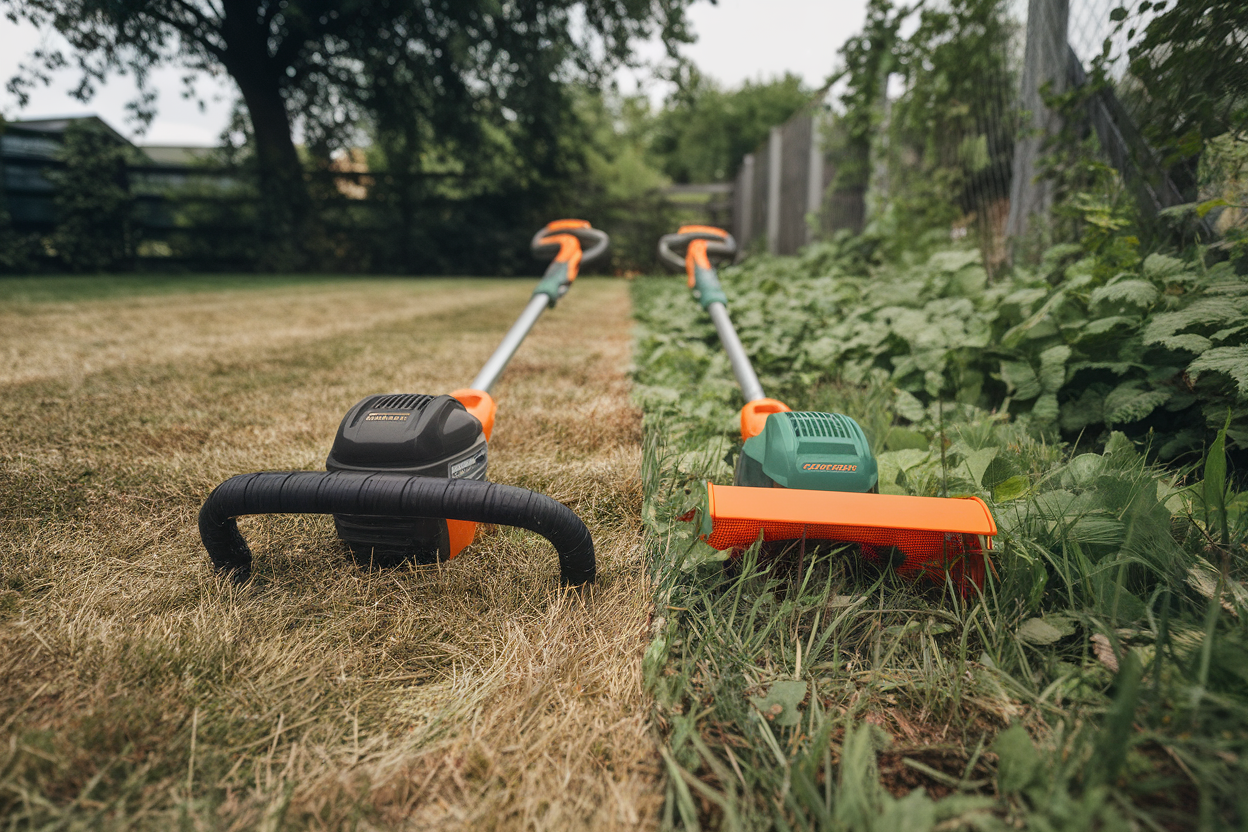
Choosing the Cutting System That Matches the Job
Cutting systems shape the whole trimming experience—speed, control, maintenance, even noise. Over the years, I’ve watched European buyers split into two clear groups: “string people” and “blade people.” And both have their reasons.
🌿 String Trimmer Strengths
- Great for normal lawn grass
- Forgiving around walls, fences, and stone
- Cheap and easy to replace
- Lighter and safer for beginners
🌵 Blade Trimmer Strengths
- Cuts thick weeds and woody stems
- Much longer cutting life2
- Handles rough, abandoned, or overgrown areas
- Fewer interruptions to replace worn string
🔍 Side-by-Side Comparison
| Feature | String Trimmer | Blade Trimmer |
|---|---|---|
| Best For | Grass, edges | Weeds, brush |
| Safety Level | Higher | Lower |
| Durability | Low–Medium | High |
| Cost | Lower | Higher |
| Skill Required | Low | Medium–High |
✨ A Practical Example
One of my Polish distributors sells both systems. He told me:
“Urban homes? Always string. Farm areas? Always blade.”
This simple rule has boosted his customer satisfaction3 because he finally matched the cutting head to the real work people do.
Conclusion
The “best cordless trimmer” depends on your yard, your workload, and how much power you need. Choose your voltage and cutting system wisely, and the right tool will feel like it was made just for you.