When I first started using cordless tools, I was overwhelmed by all the battery options. Picking the right battery isn’t just about power—it affects how long your tool runs, how fast it works, and even your workflow. Let me break down what I’ve learned.
Cordless tool batteries vary in voltage, capacity (Ah), and chemistry. Choosing the right one depends on your usage: higher Ah batteries last longer but may be heavier, while lower Ah batteries are lighter and recharge faster. Understanding these basics ensures better performance, fewer interruptions, and longer battery life.
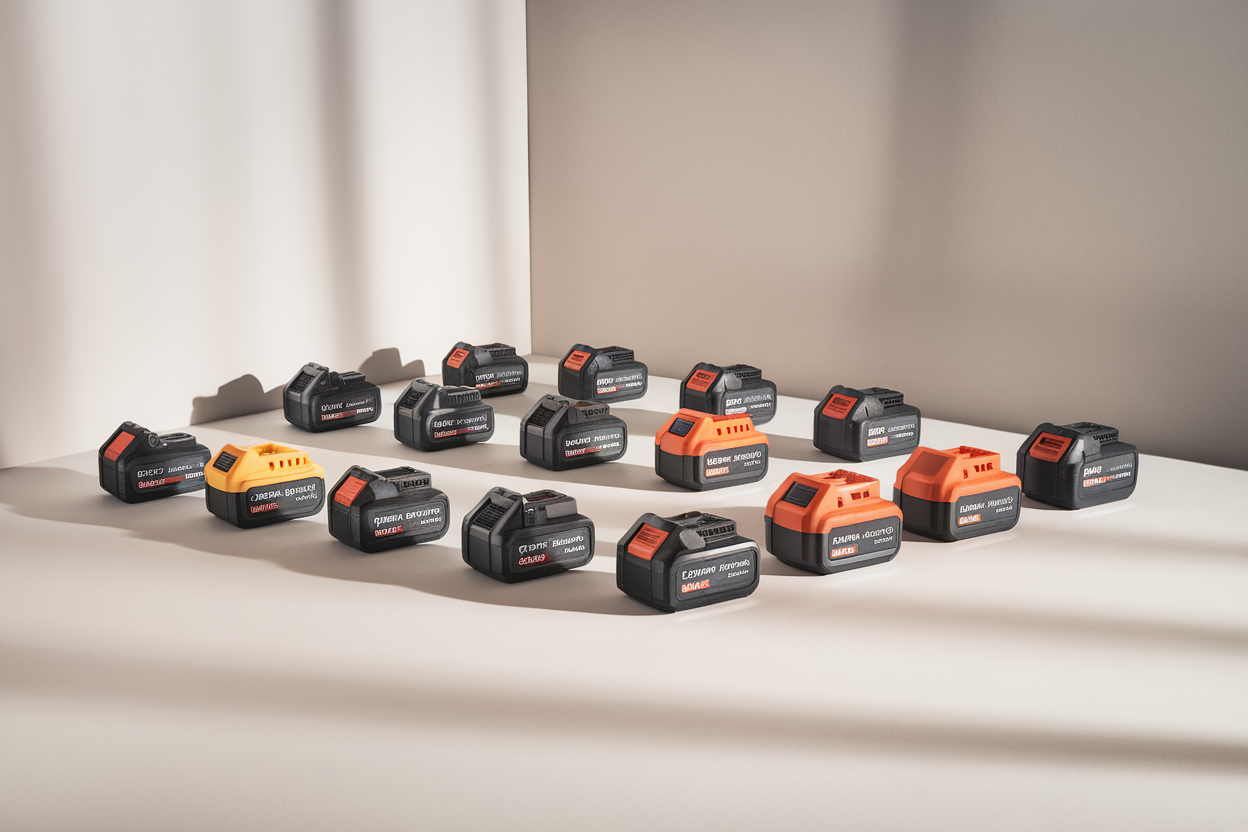
I’ve tried all sorts of batteries, from tiny 1.5 Ah packs to bulky 5.0 Ah monsters, and I’ve noticed patterns. Some deliver long runtime but slow down your hand, others are lightweight but need constant recharging. To make sense of it, let’s look at three key questions buyers like me always ask when choosing cordless tool batteries1.
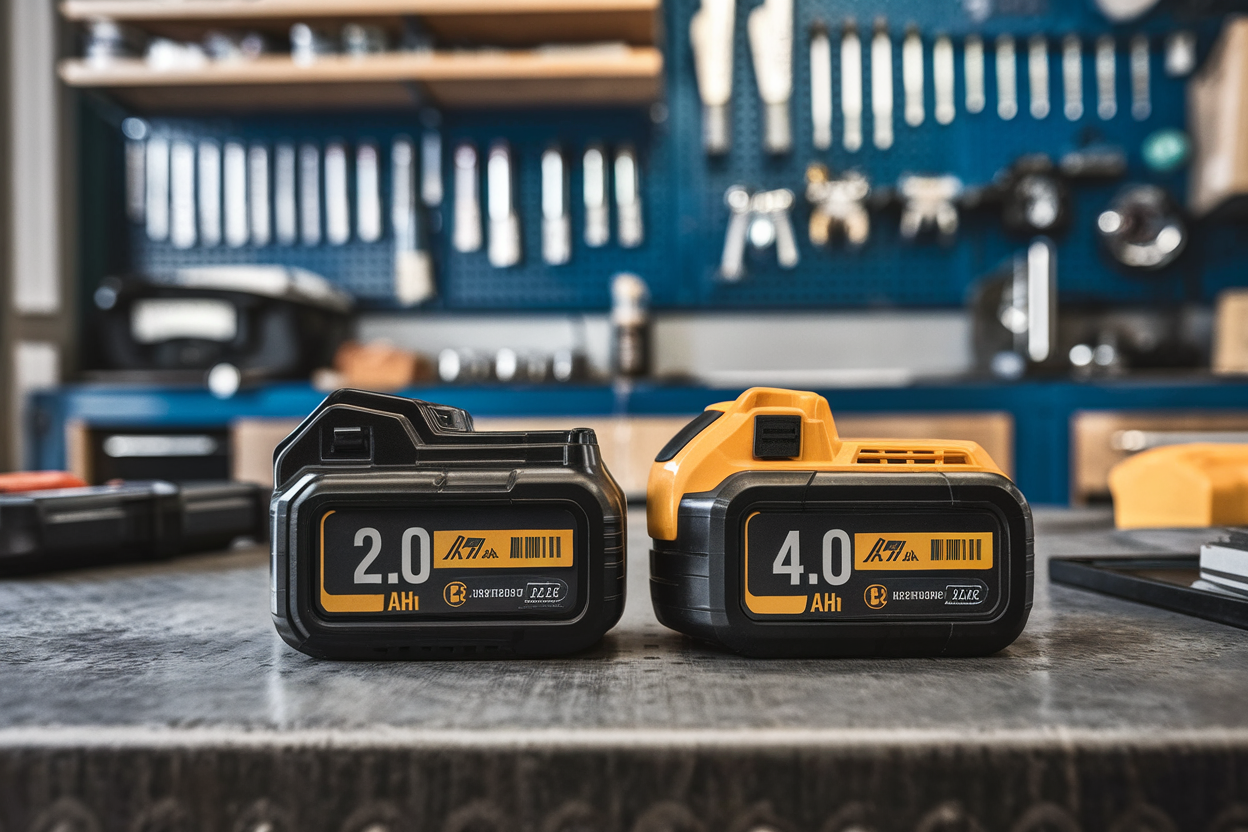
Which is better, 2.0 Ah or 4.0 Ah battery?
A 2.0 Ah battery2 is lighter and charges quickly, while a 4.0 Ah battery3 gives you longer runtime but adds weight. The right choice depends on how long you need to work without swapping batteries and whether comfort or extended runtime matters more.
2.0 Ah batteries weigh less, recharge faster, and are ideal for short tasks or light DIY work. 4.0 Ah batteries last roughly twice as long on continuous use, making them better for long jobs or professional tasks. Balance runtime, weight, and recharge speed based on your work style.

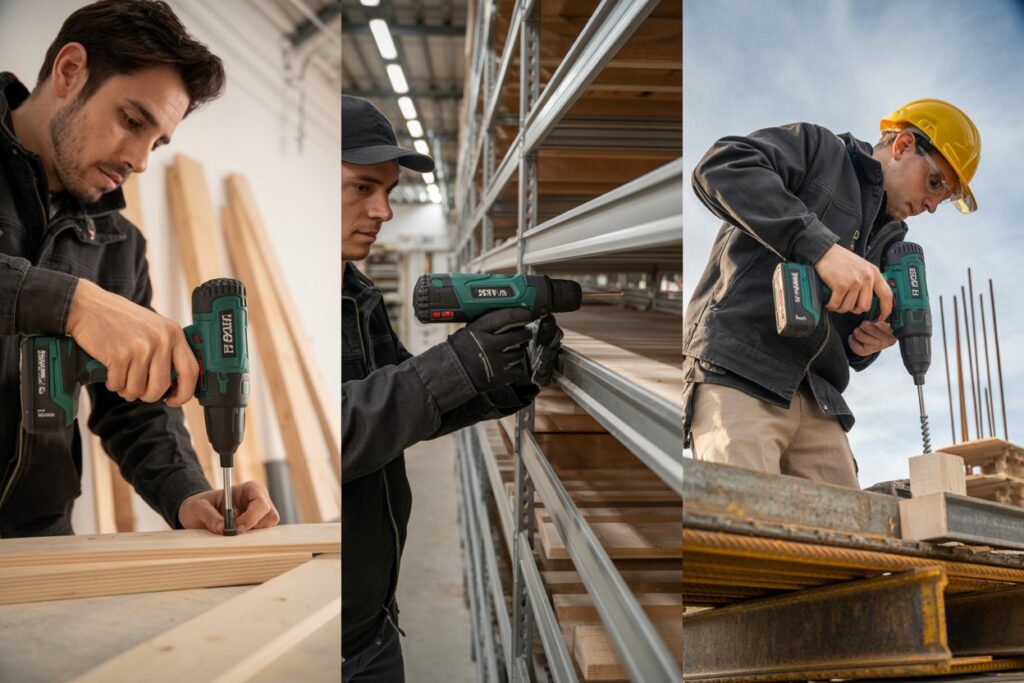
When I use my cordless drill for quick home projects, a 2.0 Ah battery feels just right. It’s light on my wrist, so I don’t get tired quickly. But during a full day at the workshop, I swap to a 4.0 Ah battery because it runs longer and lets me drill, cut, or screw without constant interruptions.
| Battery | Typical Runtime | Weight | Best For |
|---|---|---|---|
| 2.0 Ah | 30-60 min | Light | Short DIY jobs, easy handling |
| 4.0 Ah | 60-120 min | Medium | Extended work, professional use |
I also noticed that higher Ah batteries sometimes heat up more during heavy use, so I make sure to rotate them or take short breaks. Another tip: if your tool supports fast charging, a 2.0 Ah battery can be fully ready in less than an hour, which helps if you have a backup on hand.
Choosing between 2.0 Ah and 4.0 Ah isn’t just about numbers—it’s about your workflow. For occasional home projects, lighter batteries keep your arms fresh. For professional or continuous work, higher Ah is more efficient even if it means a bit of extra weight. For more tips on choosing batteries, check out cordless tool battery guide.
How many years do cordless tool batteries last?
Batteries don’t last forever. The lifespan depends on how often you charge, store, and use them. Proper care can stretch a battery’s life significantly, but eventually, every battery will lose capacity and need replacing.
Cordless tool batteries typically last 2-5 years with normal use. Lithium-ion batteries degrade over time due to charge cycles. To maximize lifespan, avoid full discharge, store in cool dry places, and recharge regularly. Proper care maintains performance and reduces early replacements.
I learned the hard way: leaving a battery fully drained overnight is a fast track to a dead battery. Lithium-ion cells are sensitive to extreme conditions. Storing batteries in very hot or very cold environments can permanently reduce their capacity. My routine now is simple: charge them when they drop to around 20-30%, keep them at room temperature, and avoid letting them sit unused for months.
| Factor | Impact on Lifespan |
|---|---|
| Full Discharge | Reduces cycles |
| High Temperature | Permanent capacity loss |
| Storage Over 6 Months | Slight self-discharge |
| Frequent Use | Normal degradation |
Even with careful use, expect your battery to lose about 20% of its capacity over two years. I also rotate batteries for my workshop, so I don’t rely on a single pack too heavily. Some professional users keep a battery replacement schedule4, swapping packs after 3-4 years to maintain consistent power. Learning to read battery indicators5 helps me plan work without sudden downtime.
For detailed advice on battery care, see [battery maintenance tips](https://www.grainger.com/know-how/equipment/kh-5-tips-maximize-power-tool-batteries)6.
Does a higher Ah battery mean the tool will last longer or be more powerful?
Higher Ah means longer runtime but doesn’t automatically make the tool stronger. Power depends on voltage and motor design7. Ah mainly affects how long the tool can run before needing a recharge.
A higher Ah battery increases runtime, not tool power. Voltage defines the force or torque the tool delivers. High Ah is ideal for long projects, while voltage ensures the tool’s effectiveness. Choose Ah for work duration, voltage for performance.
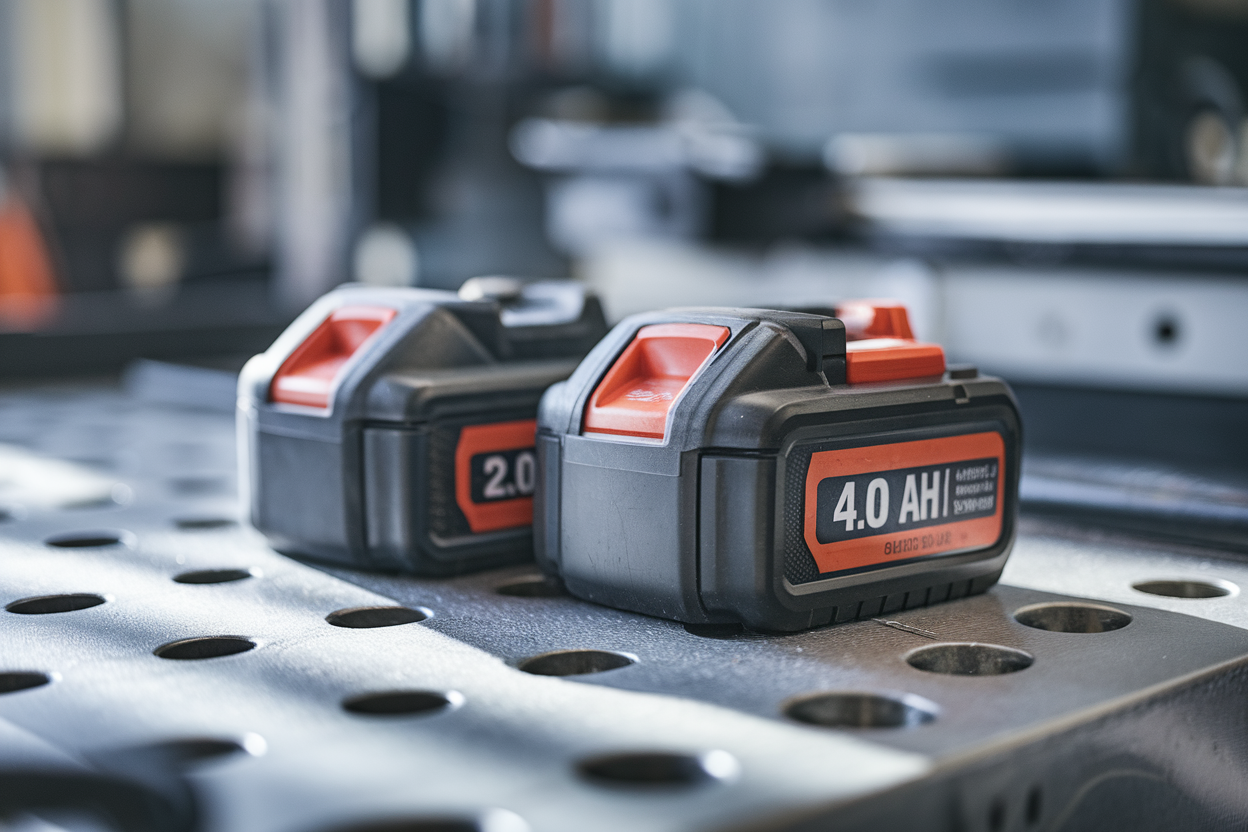
I’ve seen buyers get confused, thinking a 5.0 Ah battery will drill faster or cut thicker wood. It won’t—unless the voltage is higher, the motor works the same. Ah just tells you how much energy is stored. More Ah equals longer working time, but the drill’s torque or the saw’s speed stays the same.
| Battery Attribute | Effect on Tool |
|---|---|
| Voltage (V) | Determines power and torque |
| Capacity (Ah) | Determines runtime |
| Chemistry | Affects charging, weight, heat |
For example, my 18V drill with a 2.0 Ah battery and the same drill with a 4.0 Ah battery both deliver the same torque, but the 4.0 Ah version can drill twice as many holes before needing a recharge. That’s why professionals often carry multiple high Ah batteries to keep the workflow smooth without increasing tool power.
Understanding the distinction between Ah and voltage saved me from wasted money and wrong purchases. If you want more insights on battery specs, I’ve put together a simple checklist I use every time I choose a battery.
Conclusion
Choosing the right battery is about balance. Higher Ah extends runtime, voltage determines power, and proper care ensures longevity. Know your workload, handle batteries wisely, and you’ll get reliable performance from your cordless tools every day.
-
Explore this link to discover top-rated cordless tool batteries that enhance performance and efficiency. ↩
-
Learn about the benefits of using a 2.0 Ah battery for lightweight tasks and quick recharging. ↩
-
Find out why a 4.0 Ah battery is ideal for extended work and professional use. ↩
-
Learn about the importance of a battery replacement schedule for consistent power. ↩
-
Find out how to interpret battery indicators to avoid downtime during projects. ↩
-
Get expert advice on maintaining your batteries to extend their life and performance. ↩
-
Explore how voltage impacts the effectiveness and power of your tools. ↩