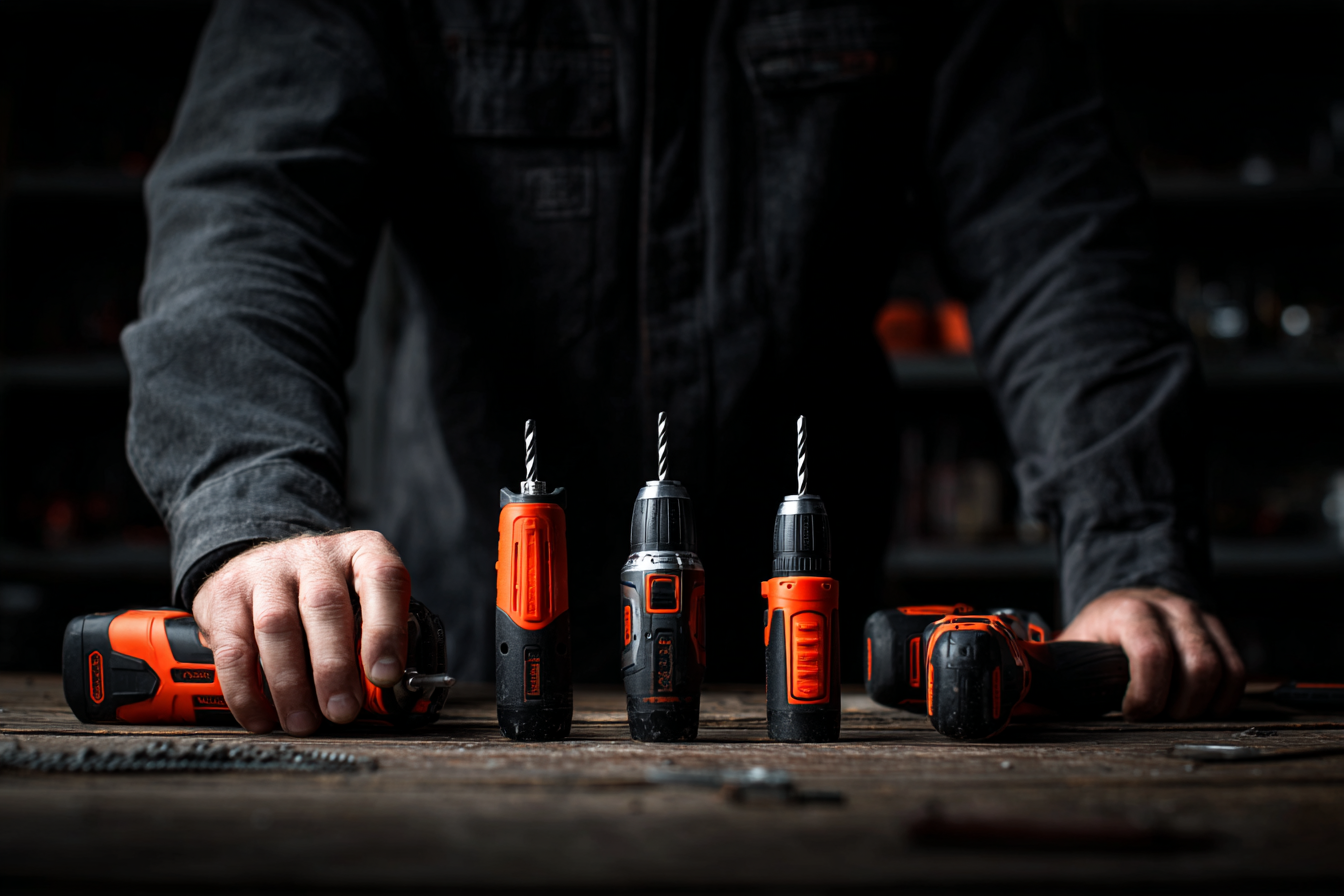
Cordless screwdrivers1 come in many shapes and powers—but which one fits you best? Whether you’re assembling furniture, working in construction, or managing a wholesale tool line, understanding the types helps you choose smarter and sell better.
Cordless screwdrivers are mainly classified by their power level, shape, and purpose. The three common types are inline, pistol-grip, and multifunctional models. Each type serves different needs—from light household tasks to heavy-duty industrial applications.
Choosing the right one isn’t just about voltage; it’s about knowing how the tool feels in your hand, how long it lasts, and whether it keeps up with your pace. Let’s walk through how to choose—and why those little design details matter more than most people think.
How to choose a cordless screwdriver?
When I first started working with cordless tools, I learned quickly that “more voltage” doesn’t always mean “better.” Comfort, torque2, and battery life often decide how useful a screwdriver really is.
To choose a cordless screwdriver, consider torque, battery type, grip comfort, and speed settings. Look for adjustable torque for precision, lithium batteries for longer life, and ergonomic grips for comfort during long use.
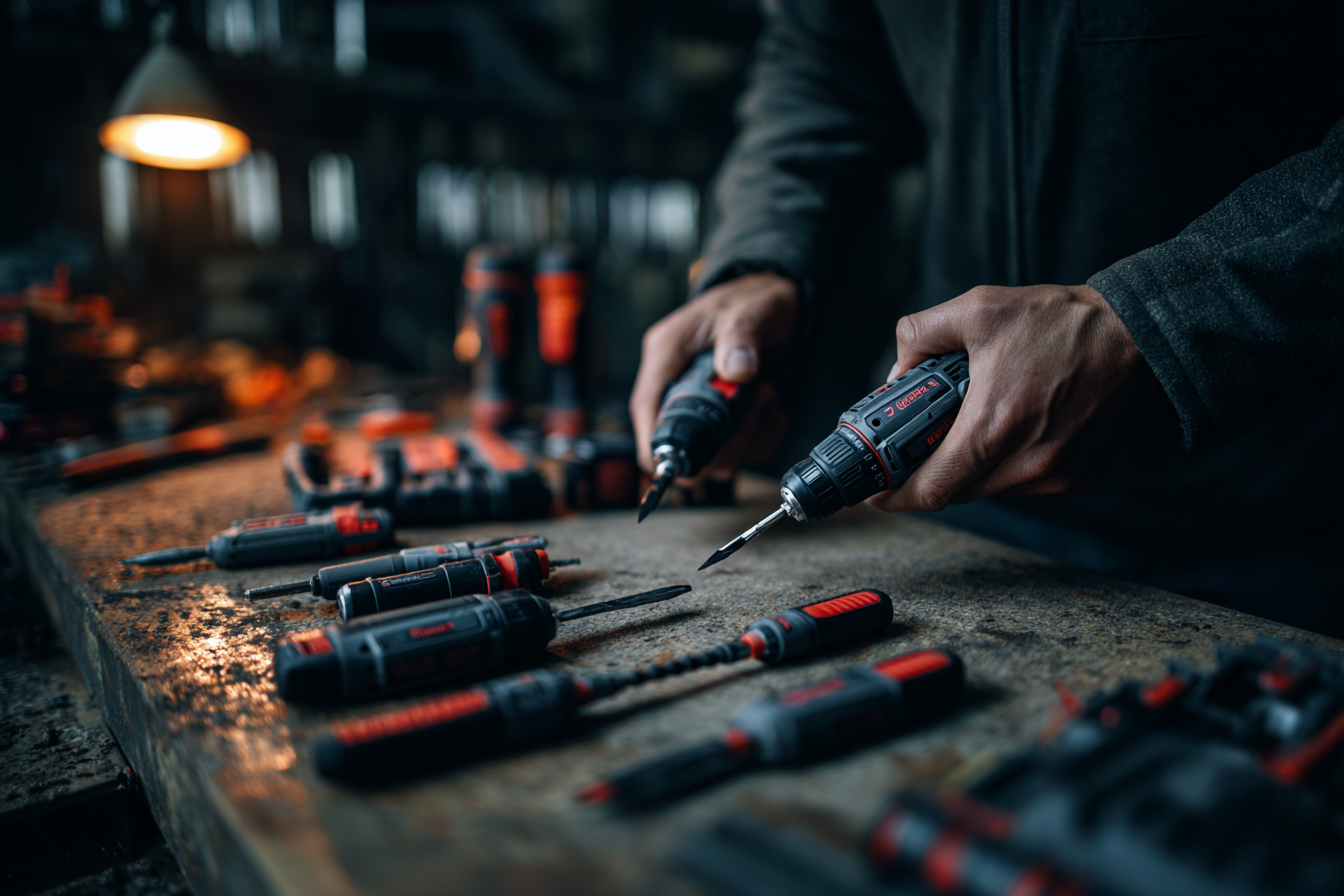
Dive deeper: What makes a good cordless screwdriver?
The right cordless screwdriver feels like an extension of your hand. It shouldn’t strain your wrist after long use or leave screws half-driven.
Here’s what I’ve learned from years in the power tools business:
- Torque (Nm): Determines how much force you can apply. For most assembly jobs, 3–5Nm is plenty; for tougher materials, you’ll need 10Nm or more.
- Battery: Lithium-ion beats Ni-Cd every time—it charges faster, lasts longer, and holds charge when stored.
- Speed settings: Dual speed (low/high) gives better control over delicate versus fast-driving tasks.
- Grip design: A soft rubber handle makes a big difference when you’re assembling all day.
| Feature | Ideal Specification |
|---|---|
| Torque | 3–10Nm adjustable |
| Battery | Lithium-ion 12V–21V |
| Speed | 200–600 RPM |
| Charging Time | 1–1.5 hours |
So when you’re choosing, think less about “power” and more about balance. The best tool is one that fits your workflow—not the one with the biggest number on the box.
What are the three main types of screwdrivers?
At first glance, all cordless screwdrivers may look alike—but under the hood, their design speaks volumes about how they perform.
The three main types of cordless screwdrivers are inline, pistol-grip, and multifunctional. Inline models are slim for light tasks, pistol-grip types offer higher torque, and multifunctional models combine multiple angles for versatile use.

Dive deeper: A closer look at each type
Let me break it down the way we do when sourcing tools at YOUWE.
Inline Screwdrivers
They look like a pen—perfect for tight or awkward spots. Ideal for electronics or light fixtures. Lightweight, yes, but not for heavy-duty3 use.
Pistol-Grip Screwdrivers
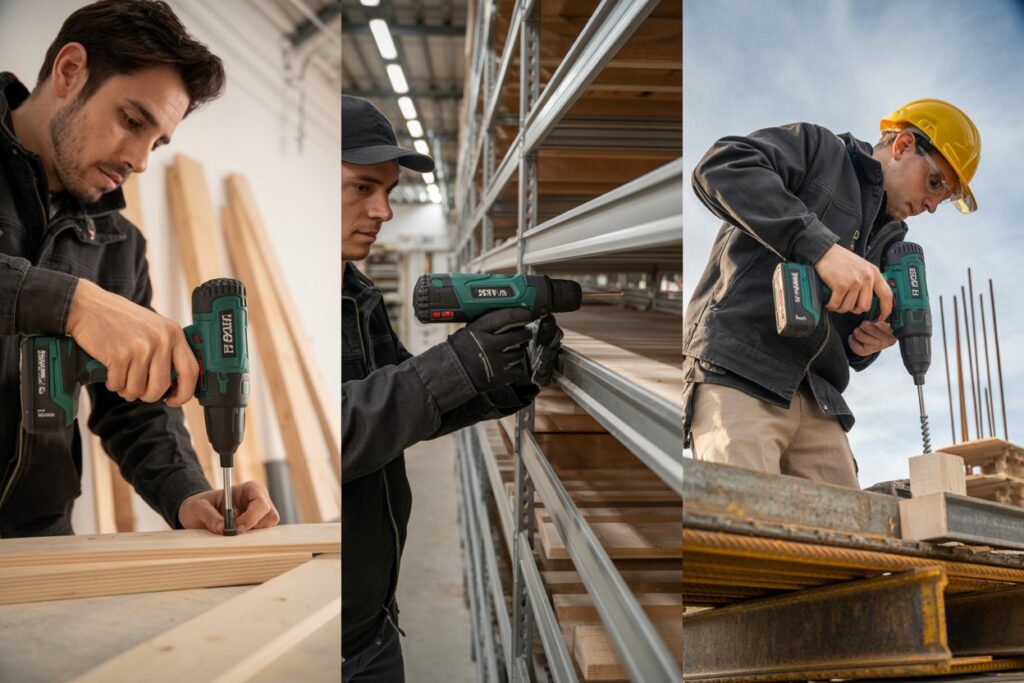
These resemble small drills and often have variable speed control. Great torque, easy to handle, and built for medium-duty work like furniture assembly or metal fittings.
Multifunctional Screwdrivers
Think of these as hybrids. Some can switch between inline4 and pistol shapes, and a few even double as drill drivers. They’re a favorite among buyers who need flexibility for diverse tasks.
| Type | Ideal Use | Pros | Cons |
|---|---|---|---|
| Inline | Electronics, small repairs | Lightweight, precise | Low torque |
| Pistol-Grip | Furniture, general use | Strong torque, ergonomic | Heavier |
| Multifunctional | Multi-purpose projects | Versatile, adjustable | Slightly costlier |
When I talk with buyers, I always say: “The screwdriver you pick should fit your business model.”
If you’re selling to DIY enthusiasts, go for the inline. For professionals, the pistol-grip or hybrid types sell faster and last longer.
Is 18V or 21V better?
Here’s a question I hear all the time—and it’s not as simple as picking the higher number.
18V cordless screwdrivers offer balanced power and lighter weight, while 21V models deliver higher torque for demanding jobs. Choose 18V for regular work, and 21V for heavy-duty or professional use.
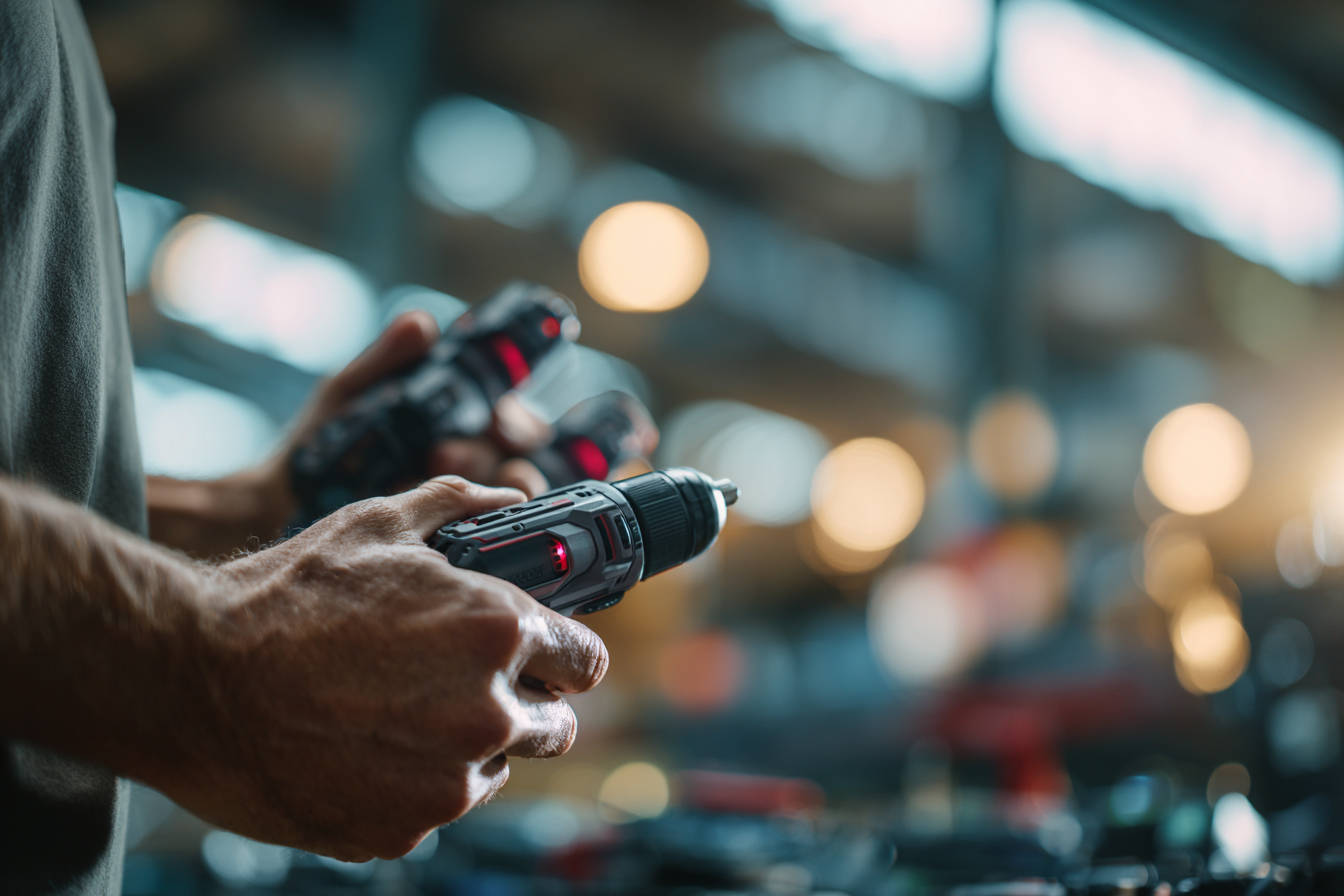
Dive deeper: Voltage vs. performance
Voltage tells you how much potential power the motor can draw—but torque and battery quality matter too.
In YOUWE’s lineup, our 18V models are perfect for day-to-day use in workshops or furniture assembly. They’re lighter, easier to handle, and still strong enough for most screws.
The 21V models, on the other hand, are for people who push tools hard—installers, contractors, or mechanics who need to work non-stop without slowdown.
| Voltage | Torque Range | Battery Capacity | Typical Use |
|---|---|---|---|
| 12V | 3–5Nm | 1500mAh | Light household use |
| 18V | 6–10Nm | 2000–2500mAh | Medium-duty, workshop |
| 21V | 10–15Nm | 3000–4000mAh | Heavy-duty, industrial |
If you’re reselling cordless screwdrivers in Europe, you’ll notice that 18V models have broader appeal—because they strike the sweet spot between performance and price.
Still, I always advise buyers to stock a few 21V models, especially for customers who prioritize strength over weight.
Conclusion
Cordless screwdrivers may look small, but their impact on productivity is massive. Choose based on comfort, torque, and purpose—not just numbers. When you understand the types, you’re not just buying a tool—you’re investing in smoother work and smarter sourcing.
-
Explore the advantages of cordless screwdrivers for various tasks and how they can enhance your efficiency. ↩
-
Understand the importance of torque in choosing the right screwdriver for your projects. ↩
-
Learn about the applications that demand heavy-duty screwdrivers for optimal performance. ↩
-
Learn about the specific applications and benefits of inline screwdrivers for tight spaces. ↩