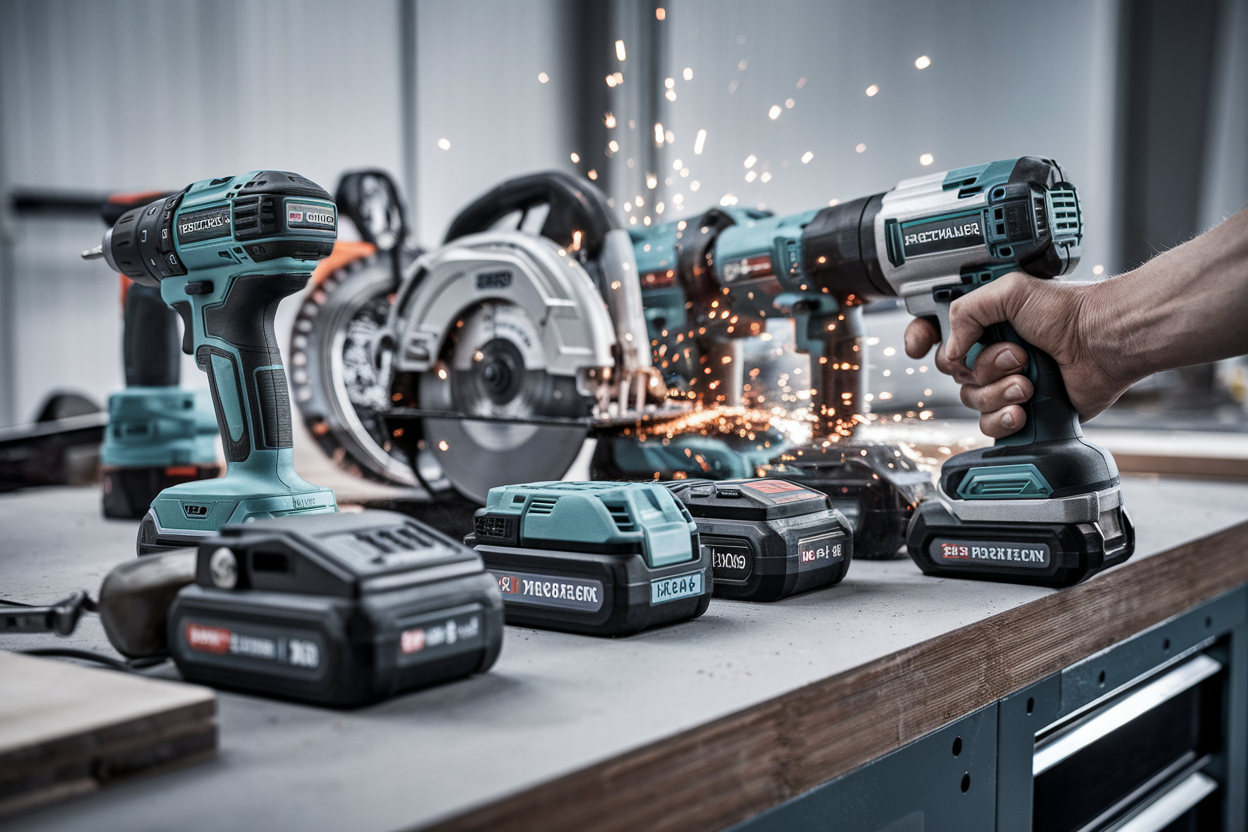
Power tools are like trusted partners — they save time, boost efficiency, and turn impossible jobs into easy wins. Whether you’re tightening bolts, cutting wood, or polishing metal, the right power tool can make all the difference.
Power tools are devices driven by an external power source, such as electricity or battery, designed to perform mechanical tasks like cutting, drilling, grinding, and fastening. They reduce manual effort and increase precision across construction, woodworking, and repair industries.
I’ve worked around power tools1 for years — sometimes in the factory, sometimes in the field — and I’ve learned one thing: it’s not about having every tool; it’s about knowing which one gets the job done best.
What is the most common power tool?
When people talk about power tools, one name always pops up — the drill.
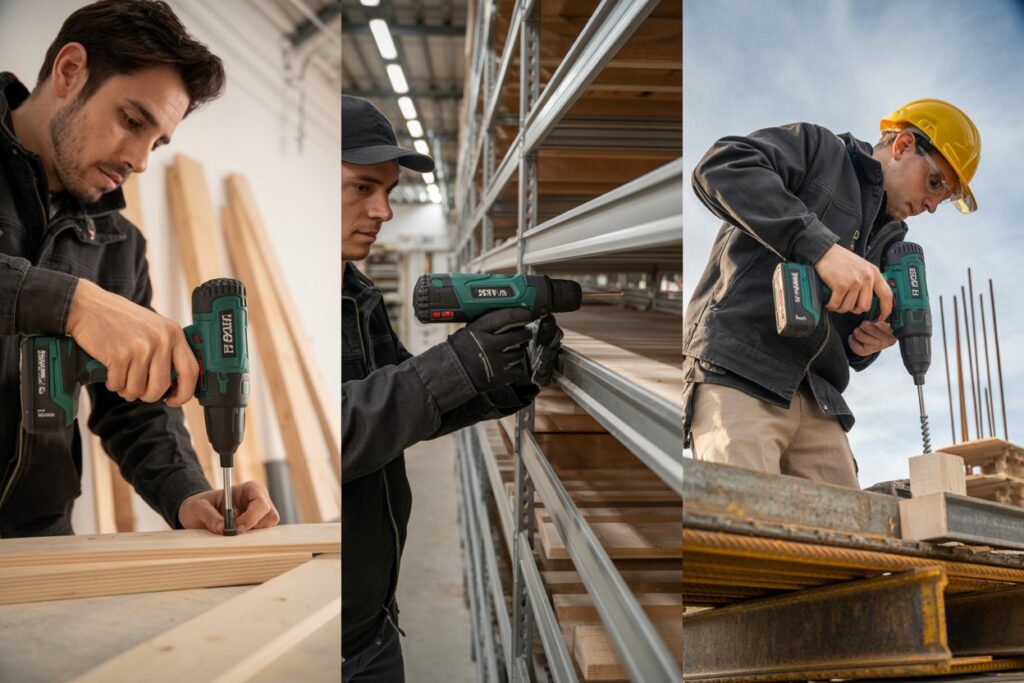
The drill is the most common power tool because it’s versatile, used for drilling holes, driving screws, and even sanding or mixing when fitted with attachments. It’s found in nearly every home and workshop due to its multifunctional design.
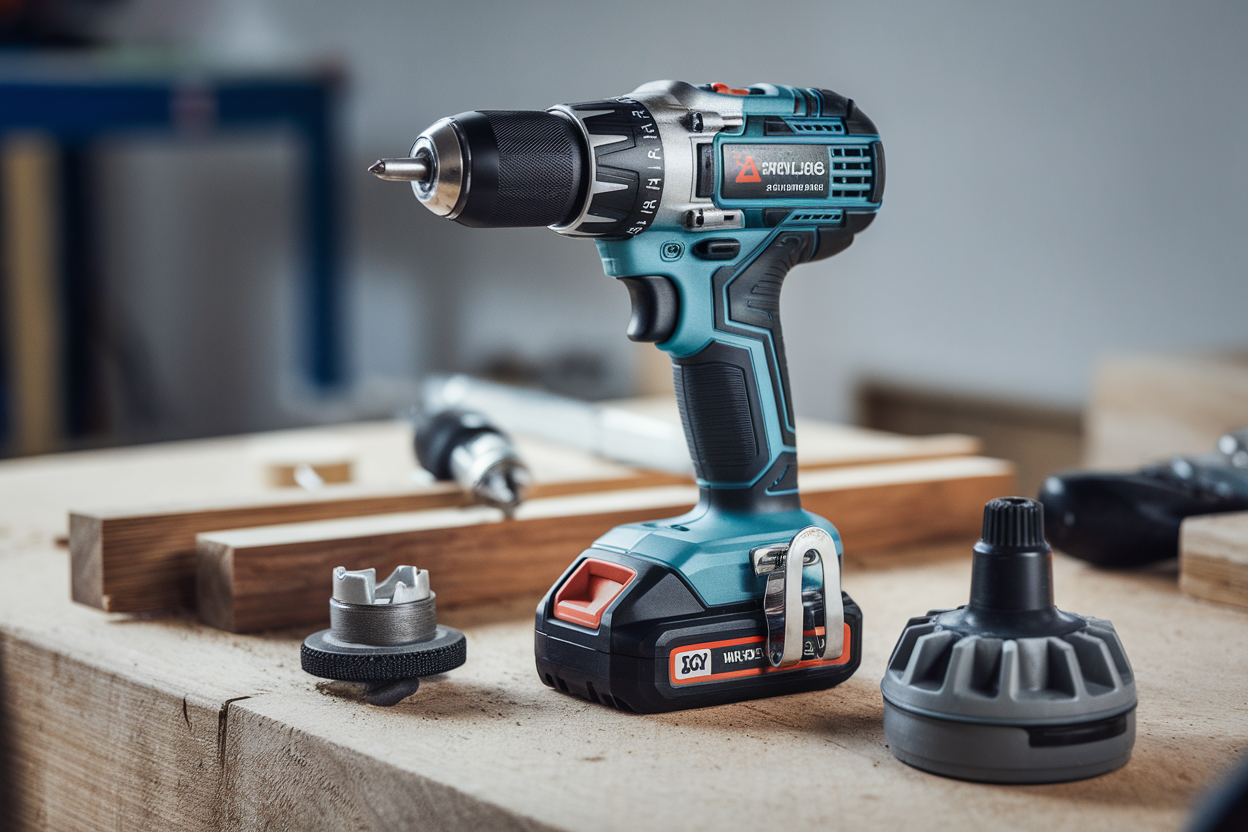
If I had to choose just one tool to bring to a job site, it’d be my cordless drill2 — no question. I’ve used it to build furniture, hang shelves, and even fix my kid’s bike once (don’t ask how many bits I lost in the process).
Why drills dominate the toolbox
Drills are the go-to because they blend power and control. Cordless versions give you freedom of movement, while corded models pack continuous strength. Here’s a quick comparison:
| Type | Advantage |
|---|---|
| Cordless Drill | Portable, flexible, no cords |
| Corded Drill | Constant power, ideal for long projects |
A drill isn’t just about speed; it’s about precision3. A good one feels like an extension of your hand — it hums softly when balanced and bites through material when needed. Once you’ve mastered it, you’ll realize why it’s called “the gateway tool” for any DIYer or pro.
What are the three main types of tools?
Every workshop4 or toolbox can be divided into three main categories: hand tools5, power tools, and machine tools6.
The three main types of tools are hand tools (manually operated), power tools (driven by electric or battery power), and machine tools (used in manufacturing and operated mechanically or digitally). Each type serves a specific level of precision and production need.
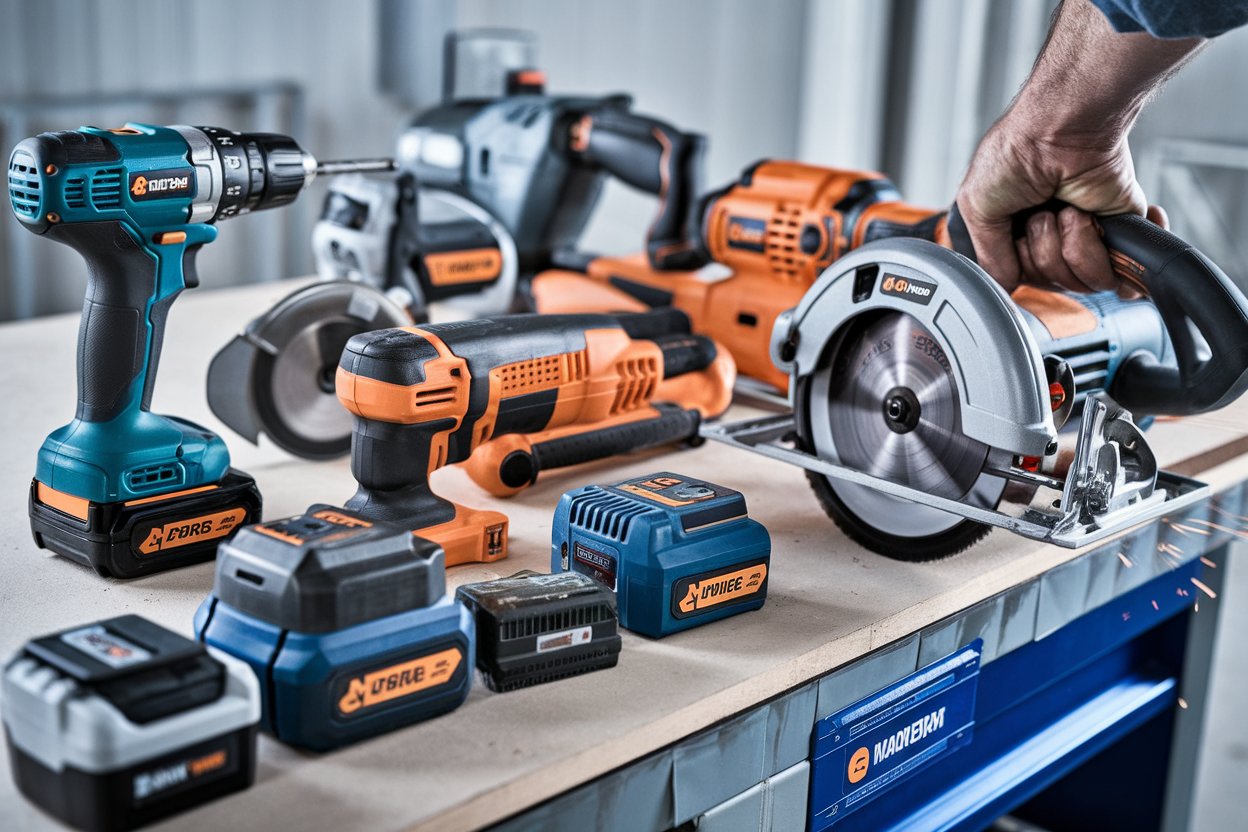
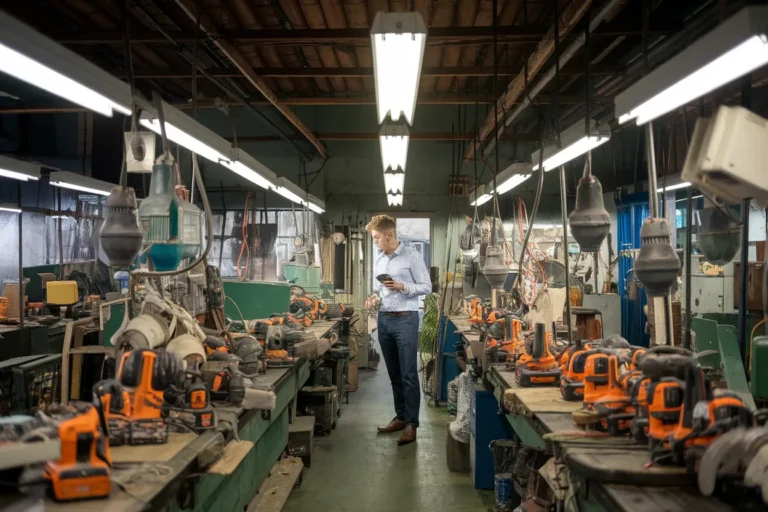
I remember the first time I walked into a full-scale tool production line — the rhythm of machines cutting steel, the workers testing drills, and the hum of motors told a story. Tools are evolution in motion, from muscle to motor to machine.
Breaking down the three categories
| Tool Type | Description | Example Use |
|---|---|---|
| Hand Tools | Operated manually | Screwdriver, wrench |
| Power Tools | Run by electricity or battery | Drill, grinder, chainsaw |
| Machine Tools | Industrial precision tools | Lathe, milling machine |
What’s fascinating is how power tools bridge the gap — they bring machine-level efficiency into your hands. You don’t need a factory to cut, drill, or shape anymore; you just need the right cordless gear and a little bit of know-how.
What power tools are good for beginners?
When you’re starting out, it’s tempting to buy everything you see online. Trust me — I’ve been there. My first purchase was a fancy-looking angle grinder7 that I barely used. What I should have started with was a small, versatile toolkit.
Good power tools for beginners include a cordless drill, impact driver, jigsaw, and angle grinder. These tools cover most home and workshop needs like drilling, fastening, cutting, and surface finishing without requiring advanced skills.
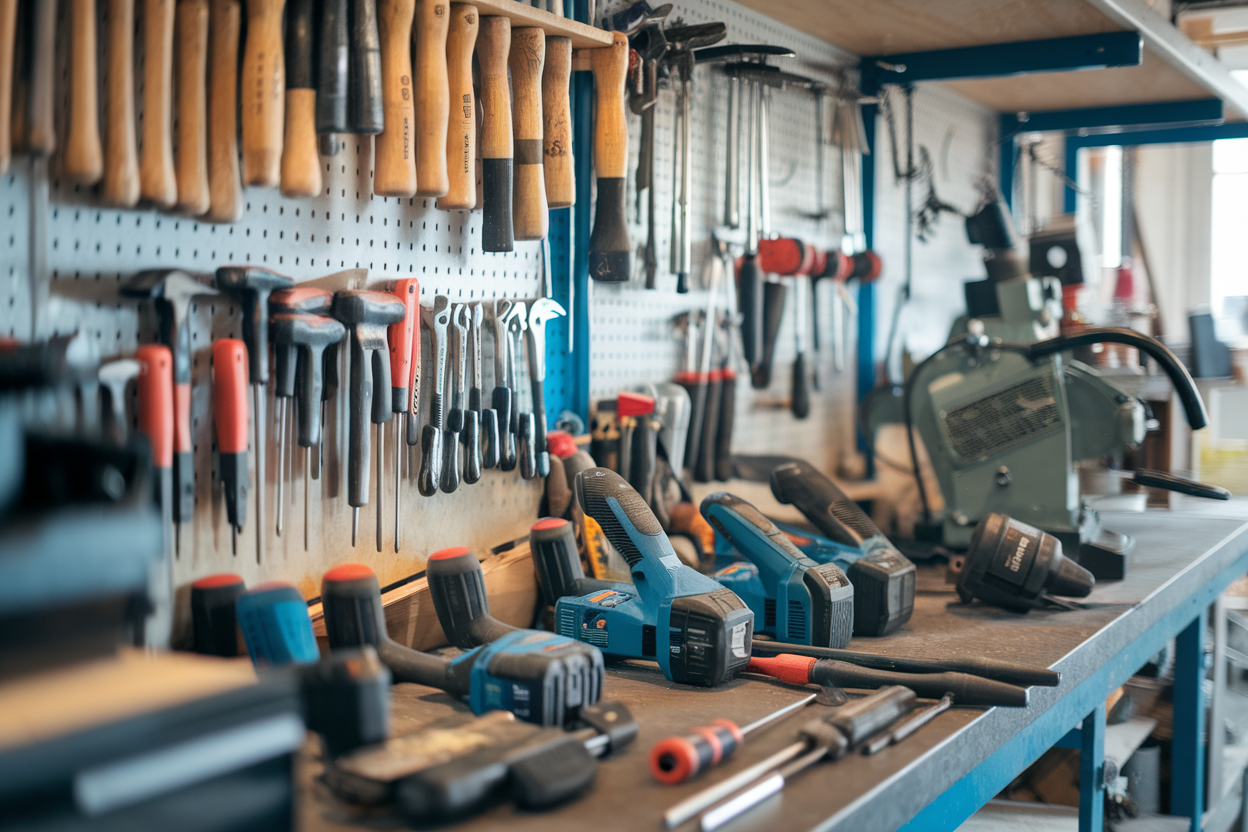
Let’s walk through them like friends at a hardware store:
- Cordless Drill: Your multitasker — drilling, driving, mixing.
- Impact Driver: For tougher screws and bolts.
- Jigsaw: Perfect for creative cuts and curves.
- Angle Grinder: For polishing, cutting, and shaping.
Why start small?
When I first helped a European buyer select his private-label line, we began with these four basics. Within six months, his sales doubled — not because he offered everything, but because he offered what most people actually use.
Power tools are like cooking knives — you don’t need twenty; you need the right three or four that feel good in your hands.
| Beginner Tool | Main Function | Battery Voltage (Common) |
|---|---|---|
| Cordless Drill | Drilling & driving | 12V – 21V |
| Impact Driver | Fastening screws | 16.8V – 21V |
| Jigsaw | Cutting wood/plastic | 12V |
| Angle Grinder | Grinding/cutting | 21V |
Conclusion
Power tools make work faster and more enjoyable — but only when you know which ones fit your needs. Start with the essentials, learn their rhythm, and build your collection over time. That’s how professionals — and smart buyers — truly grow their tool game.
-
Explore the advantages of power tools to understand how they can enhance your efficiency and precision in various tasks. ↩
-
Discover top-rated cordless drills that offer versatility and convenience for your DIY projects. ↩
-
Understand the significance of precision in power tools and how it affects the quality of your work. ↩
-
Learn tips for organizing a workshop that maximizes the use of power tools for various projects. ↩
-
Explore essential hand tools that complement power tools and enhance your DIY capabilities. ↩
-
Gain insights into machine tools and their role in precision manufacturing processes. ↩
-
Uncover the various applications of angle grinders and how they can be a valuable addition to your toolkit. ↩