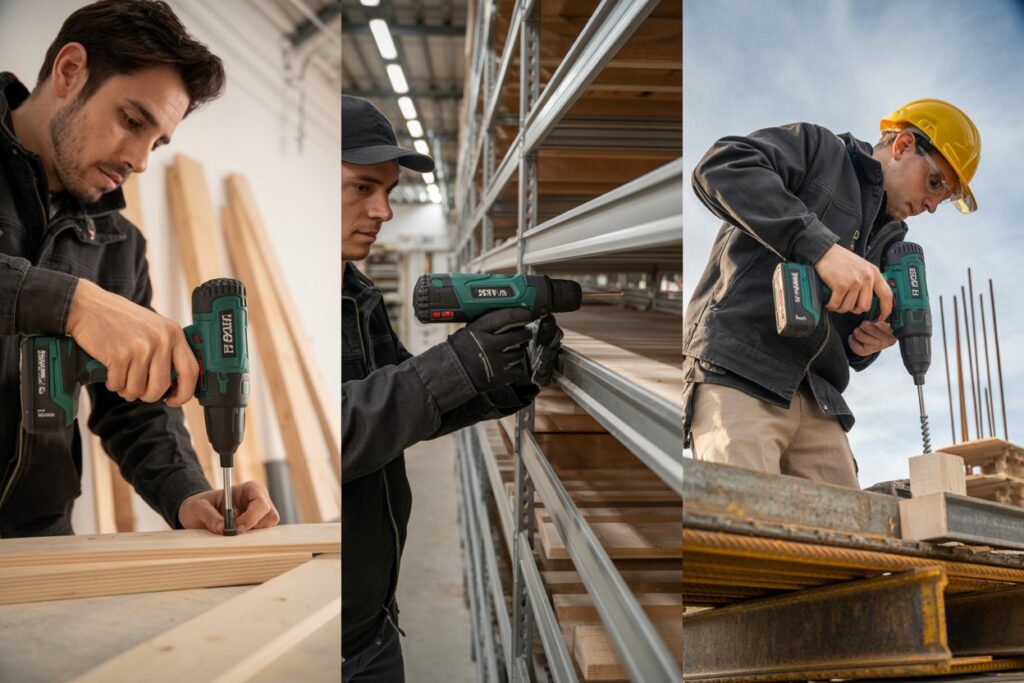
I talk with buyers who feel excited and stressed at the same time. They see cordless tools1 everywhere. They fear missing the chance. They also fear one wrong step that burns cash and trust.
Launching a cordless tool brand is possible and profitable, but the risks are real. The biggest risks are not price or marketing. The real risks hide in batteries, planning, compliance, and after-sales control.
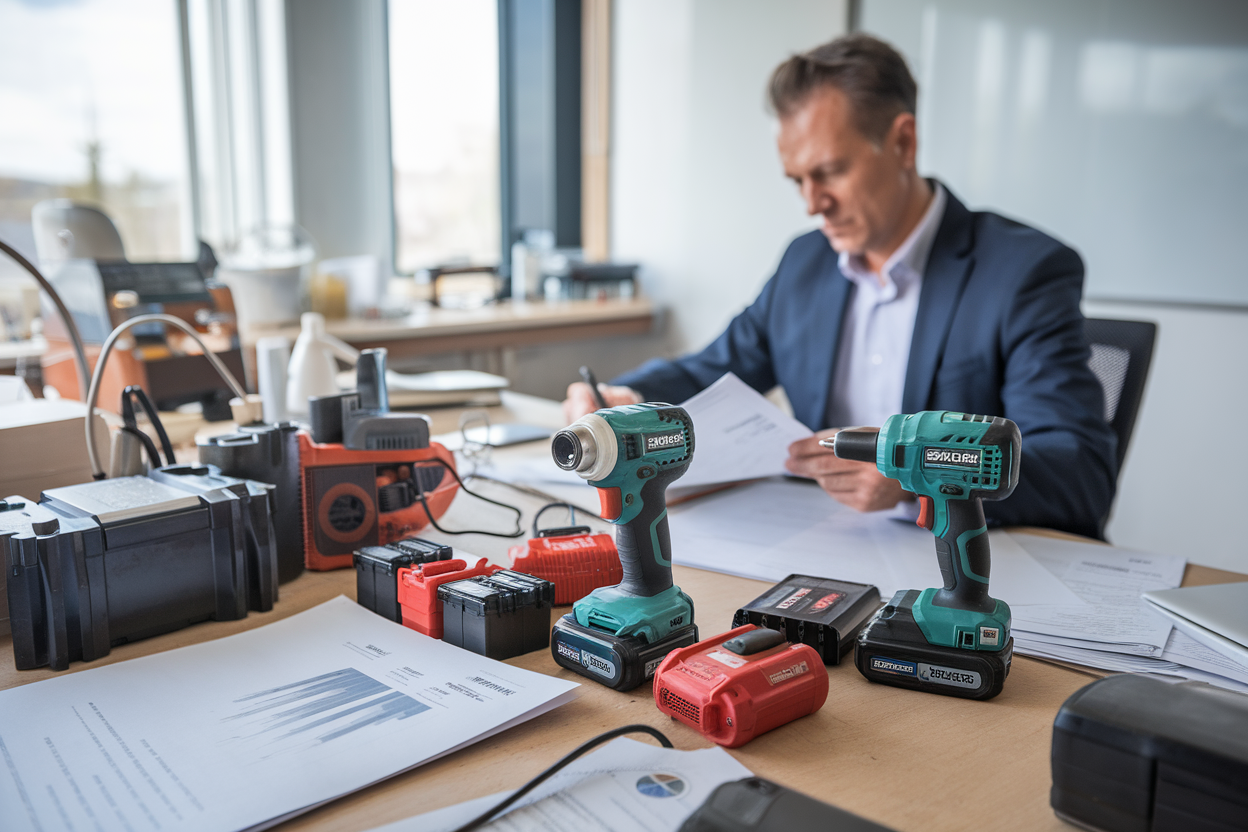
I remember my first long call with a European importer. He sold hardware for years. He knew margins well. He did not know batteries, certifications, or user expectations2. That gap almost killed his first launch. Many new brands stand at the same point today.
Many buyers think the risk is factory quality or price. I see different risks every week. Most risks stay hidden until orders ship and users complain.
The biggest hidden risks come from weak system thinking. Battery rules, product mix, certification gaps, and service planning fail quietly at first, then explode after launch.
Most new brands focus on single products
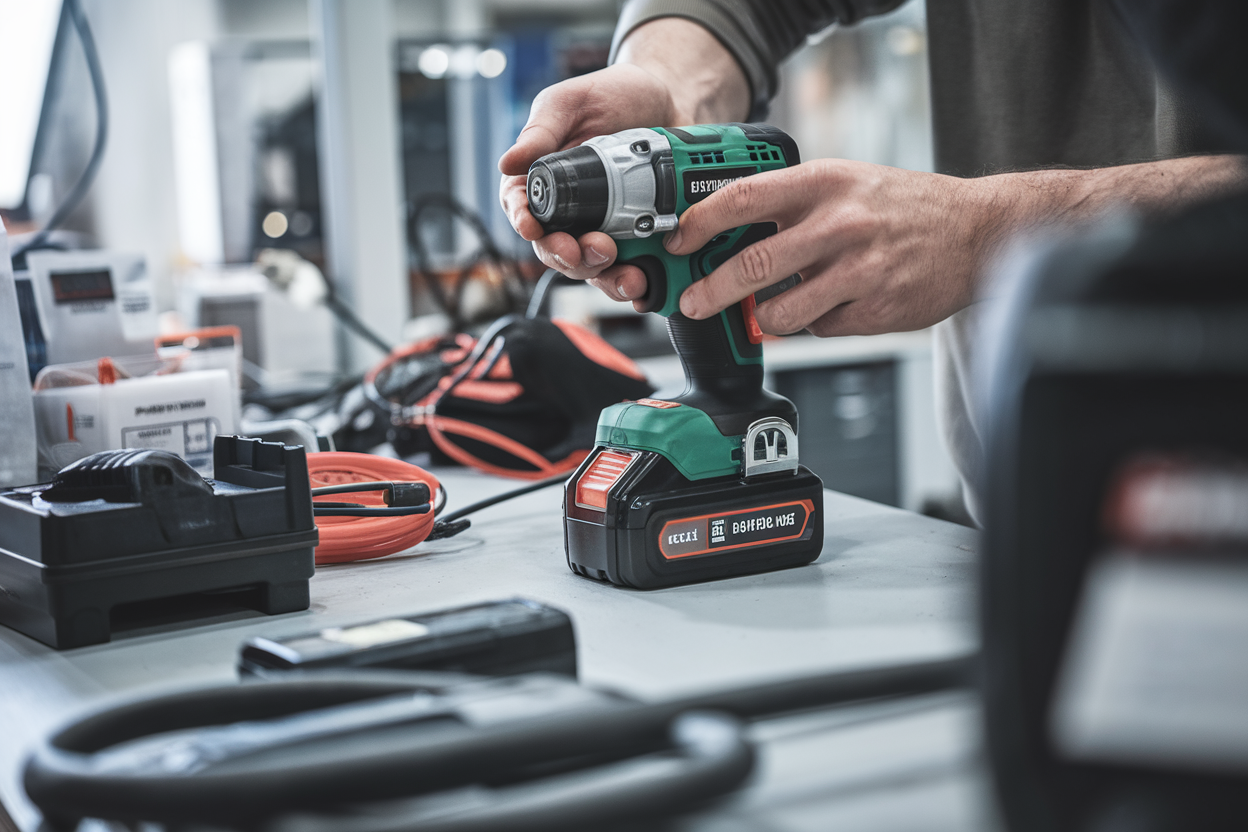
I see many new buyers start with one hot model. They choose a drill or a chainsaw. They focus on power and price. They ignore the system behind the product. Cordless tools never work alone. They depend on batteries, chargers, packaging, manuals, and spare parts.
A single product launch looks simple. The problems appear after six months. Users ask for another tool that fits the same battery. Distributors ask for a full shelf plan. Retailers ask about future models. At this point, the brand has no answer.
Hidden risks appear after the first shipment
Most risks do not show during sampling. Samples work fine. Certifications pass. The danger starts after mass sales. I see these problems often:
- Battery complaints after winter use
- Charger mismatch issues
- Spare parts missing
- No clear warranty rule
These issues cost more than product defects. They damage trust. Trust is hard to rebuild in Italy, Spain, or Germany once lost.
Typical hidden risks vs visible risks
| Risk Type | Visible at Start | Appears Later | Damage Level |
|---|---|---|---|
| Product price | Yes | No | Medium |
| Tool performance | Yes | Sometimes | Medium |
| Battery responsibility | No | Yes | High |
| Certification scope | No | Yes | High |
| After-sales system | No | Yes | Very High |
I always tell new buyers that visible risks feel scary but stay controllable. Hidden risks stay quiet and grow.
Why battery responsibility is the biggest long-term risk?
Most buyers think the factory owns the battery problem. That belief creates serious trouble later.
In most markets, the brand owner carries battery responsibility, not the factory. This includes safety, recycling, labeling, and long-term supply.
Battery rules in Europe are strict and personal
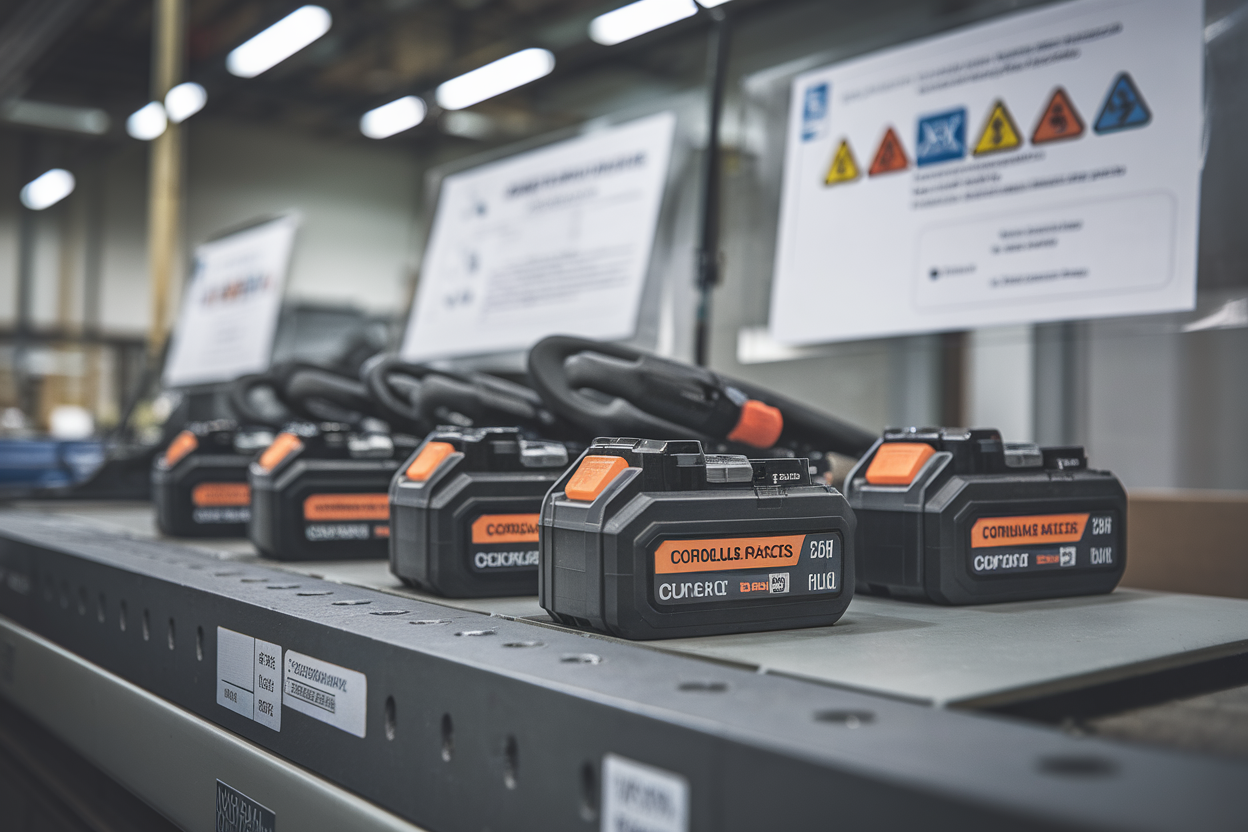
In Europe, battery rules keep changing. Germany, France, Italy, and Spain all enforce extended producer responsibility. This means the brand name on the box matters. Customs, platforms, and authorities look at the brand owner.
Many new brands only ask one question. Is the battery CE certified? This question is not enough. Buyers must ask:
- Who registers the battery?
- Who handles recycling?
- Who pays future compliance cost?
Battery platform decisions lock you for years
Once a brand chooses a battery platform, change becomes painful. Tool molds, chargers, packaging, and manuals all depend on it. If the platform is unstable or not scalable, the brand hits a wall fast.
I saw one buyer choose a cheap battery solution. The price looked good. Two years later, cells disappeared from the market. He had tools but no batteries. Sales stopped overnight.
Battery risk comparison
| Battery Choice | Short-Term Cost | Long-Term Risk | Brand Control |
|---|---|---|---|
| Cheap open pack | Low | Very High | Low |
| Shared OEM platform | Medium | Medium | Medium |
| Stable private platform | Medium | Low | High |
At YOUWE, I push buyers to think five years ahead. Batteries decide survival, not the first order margin.
How poor product line planning destroys new cordless brands?
Many brands fail not because tools are bad, but because the line makes no sense.
A weak product line confuses distributors, blocks repeat orders, and kills brand value before scale appears.
Distributors think in shelves, not single SKUs
Importers in Italy or Poland do not want one tool. They want a clear plan. They ask:
- What comes next?
- Which tools share batteries?
- Can I bundle sets?
If a brand cannot answer, distributors3 lose interest. They need structure. They need predictability.
Too many models too fast also kills brands
Some buyers rush into the opposite mistake. They launch ten models in one year. They overload cash flow. They lose focus on quality and service. Inventory becomes heavy.
A good product line grows step by step. It starts with core tools. Then it expands along one battery system.
Healthy vs risky product line planning
| Planning Style | Early Sales | Inventory Risk | Brand Growth |
|---|---|---|---|
| One random SKU | Low | Low | Very Low |
| Too many SKUs | Medium | Very High | Low |
| Core platform first | Medium | Medium | High |
I always advise new brands to design the second and third product before launching the first.
Why after-sales expectations are higher than you think?
Cordless tools look simple. Users expect them to work like appliances. When they fail, anger comes fast.
After-sales issues damage new cordless brands faster than price or performance problems.
Users blame the brand, not the factory
End users never contact factories. They contact the brand or seller. A dead battery feels personal to them. They want fast answers.
In Europe, response speed matters. Silence feels like refusal. Even a small issue can become a platform complaint or a bad review.
Spare parts and batteries define service cost
Many brands forget spare parts planning4. They sell tools without extra batteries or switches. Later, service becomes impossible.
Good after-sales planning includes:
- Battery replacement policy
- Charger stock
- Wear part availability
- Clear warranty terms
After-sales readiness check
| Item | Ready at Launch | Cost Impact | Risk Level |
|---|---|---|---|
| Warranty rule | Yes | Low | Low |
| Spare batteries | No | Medium | High |
| Local repair plan | No | High | Very High |
I tell buyers that after-sales cost is part of product cost, not an extra problem.
Is competing on price alone a dangerous strategy?
Many new brands try to win with price. This strategy feels safe at first. It rarely works long term.
Price-only competition removes all buffers. One problem in cost, battery, or service can destroy the business.
Low price attracts the hardest customers
Price-driven buyers complain more. They switch faster. They forgive less. They push warranty claims harder.
When margins stay thin, brands cannot fix problems calmly. Stress grows fast.
Real buyers compare value, not only price
Professional buyers in Germany or France ask about:
- Certification
- Battery life
- Platform future
- Brand stability
A fair price with a clear system wins more trust than the cheapest offer.
Price strategy comparison
| Strategy | First Orders | Long-Term Profit | Stress Level |
|---|---|---|---|
| Lowest price | Fast | Very Low | Very High |
| Balanced value | Medium | Medium | Medium |
| System driven | Steady | High | Low |
I prefer slower growth with control. It keeps brands alive.
Conclusion
I have seen many buyers succeed and many fail. Most failures come from unseen risks, not from bad tools. Batteries, planning, service, and structure decide the outcome. If you want to enter cordless tools, do not rush. Find a manufacturer who thinks in systems, not in cartons. Talk through the risks before you ship the first order. That single step saves years of trouble.
-
Explore the advantages of cordless tools, including convenience and portability, to understand why they are a popular choice. ↩
-
Explore the typical expectations users have for cordless tools and how brands can meet them. ↩
-
Gain insights into what distributors expect from brands to ensure successful partnerships. ↩
-
Understand the importance of spare parts planning in ensuring customer satisfaction and service efficiency. ↩