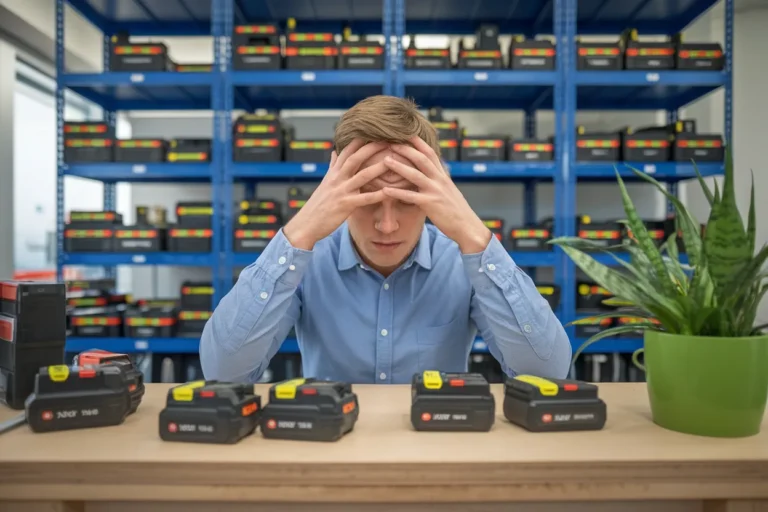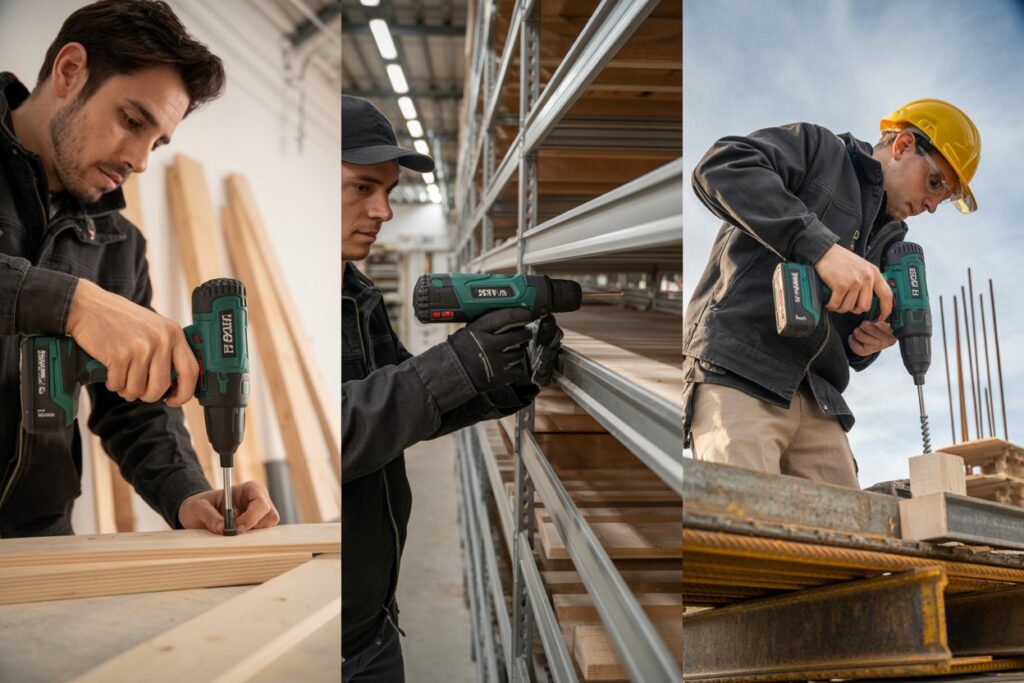
Many buyers compare cordless blowers1 by voltage only. They see 20V and 40V and assume bigger voltage means better product. This simple comparison often leads to expensive mistakes.
The biggest mistake buyers make is choosing blower voltage based only on power numbers. The right choice depends on real use, battery platform strategy, cost control, and long term product line planning.
I remember speaking with a distributor from Spain. He planned to launch a cordless garden tool line. He believed 40V must sell better because it sounded stronger. After a long call, we reviewed his market. His best sellers were small garden tools for home users. The discussion changed his plan completely.
Why voltage alone doesn’t tell the full story?
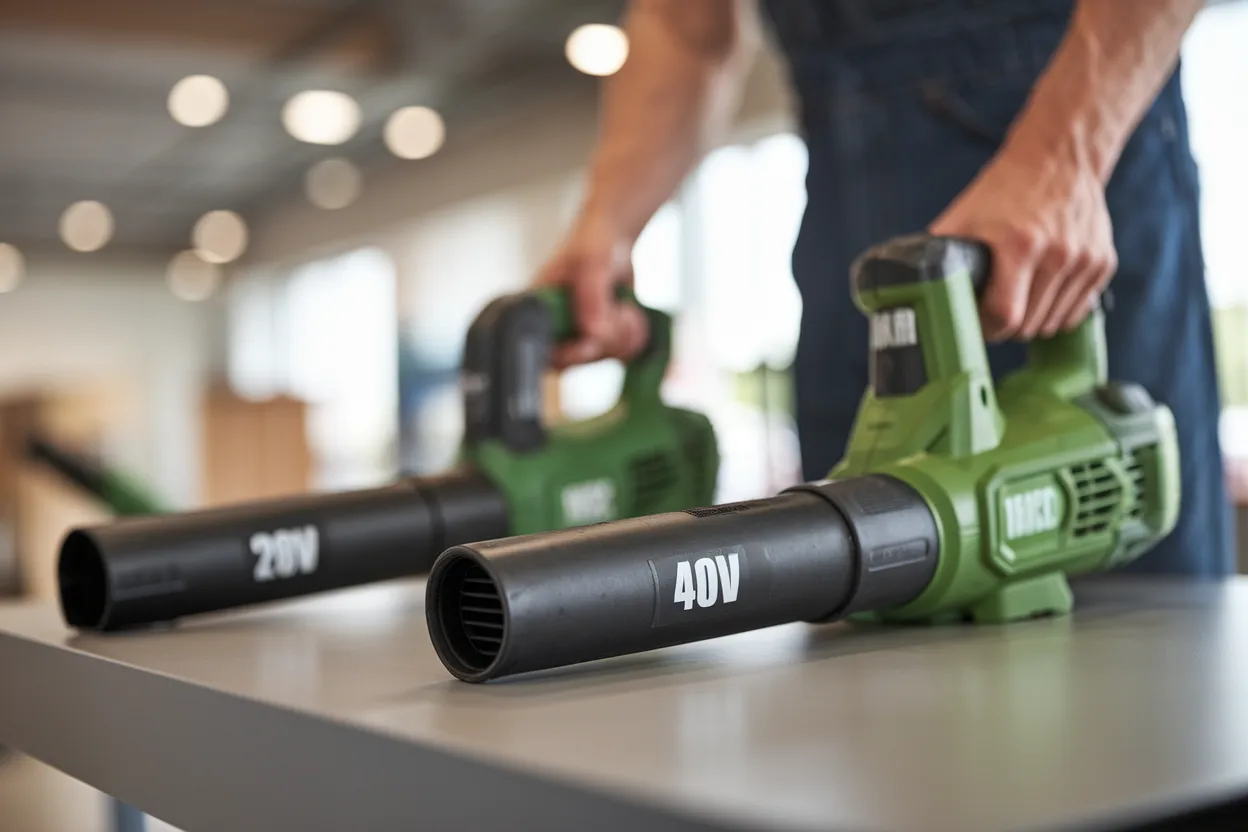
Many buyers compare blower voltage like a simple number game. They think higher voltage always means stronger performance. This view ignores several key factors that affect real performance.
Voltage alone does not show the full performance of a cordless blower. Motor design, air volume, battery capacity, and efficiency all affect real blowing power.
Voltage is only one part of power
I often explain this to new buyers. Voltage only shows the electrical platform. It does not show how well the blower actually moves air.
Real blower performance usually depends on two numbers.
CFM
Air speed
CFM shows air volume2. Air speed shows how fast the air moves. Both numbers matter more than voltage alone.
Many 20V blowers today can reach strong airflow because brushless motors improved a lot.
Motor technology changes the result
Brushless motors changed cordless tool performance in the last ten years. A well designed brushless 20V blower can sometimes perform close to entry level 40V models.
I have seen buyers ignore motor design3. They only focus on voltage printed on the box. That approach often leads to wrong product selection.
Battery capacity also matters
Battery size changes how long the blower works and how stable the power stays.
| Battery | Typical Runtime | Weight | Cost |
|---|---|---|---|
| 20V 2.0Ah | Short | Light | Low |
| 20V 4.0Ah | Medium | Medium | Medium |
| 40V 4.0Ah | Long | Heavy | High |
When buyers only compare voltage, they ignore runtime and battery cost. These two factors strongly affect product success in retail markets.
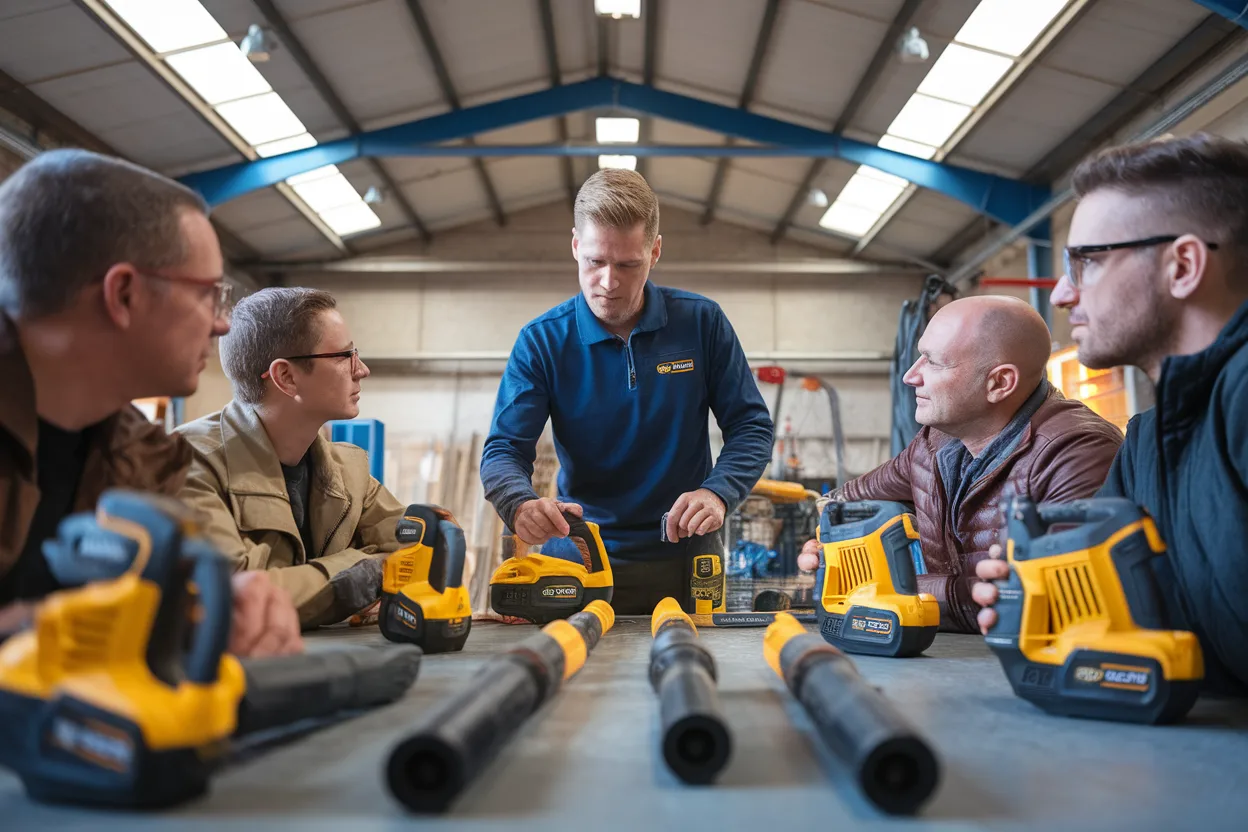
In my factory meetings with buyers from Italy and Germany, this topic always appears. Many distributors realize that voltage numbers alone do not explain the whole product value.
The most common buyer mistake: buying power they don’t need?
Some buyers assume stronger tools will always sell better. They choose high voltage tools even when their customers do not need that level of power.
The most common mistake is choosing a stronger blower than the market actually needs. This increases product cost, weight, and battery price without improving real sales.

Understanding the real user
Most homeowners use blowers for simple tasks.
Dry leaves
Light grass
Small yards
Garage cleaning
These tasks do not require extreme power.
In many European markets like Italy or Spain, typical home gardens are small. A light 20V blower often fits these users better.
If the tool feels too heavy or expensive, customers simply do not buy it.
Retail price pressure
Higher voltage platforms require larger batteries and stronger electronics. This raises retail price quickly.
| Platform | Tool Cost | Battery Cost | Retail Risk |
|---|---|---|---|
| 20V | Lower | Lower | Lower |
| 40V | Higher | Higher | Higher |
Retailers care about shelf price.
I once worked with a distributor in Eastern Europe. He ordered a strong 40V blower line. After six months, sales slowed. Customers kept choosing cheaper 20V tools.
The problem was not performance. The problem was market positioning4.
Weight affects user experience
Another issue is tool weight.
Stronger platforms often require larger batteries. Larger batteries increase tool weight.
Home users usually prefer lighter tools. Professional users accept heavier equipment.
This difference is very important when choosing product platforms.
When a 40V blower actually makes sense?
Some buyers think 40V is always unnecessary. That idea is also wrong. In certain markets, 40V tools create strong value.
A 40V blower makes sense for professional use, large gardens, landscaping work, and markets where buyers expect high power positioning.
Professional landscaping work
Professional users clear large areas.
Parks
Hotels
City streets
Large properties
These tasks require higher airflow and longer runtime.
A 40V system can support stronger motors and larger batteries. This helps professionals work faster.
Brand positioning strategy
Some brands use 40V tools to build a professional image.
Higher voltage platforms help position a brand above entry level tools.
| Market Position | Typical Platform |
|---|---|
| Entry DIY | 20V |
| Mid Level | 20V Brushless |
| Professional | 40V |
This strategy works well for brands targeting landscaping contractors.
Large property markets
In some countries, home gardens are much larger.
Australia
United States
Parts of Germany
Customers in these markets often prefer stronger blowers.
When I speak with buyers from these regions, 40V products appear more often in their product plans.
Voltage choice must match the real environment where the tool will be used.
Another mistake: ignoring the battery ecosystem?
Many buyers treat each tool as a separate product. They select a blower without thinking about the battery platform behind it.
Ignoring the battery ecosystem is a major mistake. Successful cordless brands grow by building one battery platform that supports many tools.

Battery platform drives repeat sales
A strong cordless brand depends on battery compatibility.
Customers buy one battery. Then they buy more tools that use the same battery.
This creates repeat business.
A single blower product cannot create this system alone.
Tool ecosystem planning
When we work with OEM clients, we often plan a full tool lineup.
Example 20V platform:
| Tool | Typical Market |
|---|---|
| Drill | Household |
| Grass trimmer | Garden |
| Blower | Garden |
| Hedge trimmer | Garden |
| Chainsaw | Light cutting |
One battery platform supports many tools.
This approach reduces development risk for new brands.
Inventory and logistics impact
Battery systems affect supply chain planning.
Different voltage platforms require different batteries, chargers, and spare parts.
More platforms increase warehouse complexity.
Many first time buyers underestimate this issue.
In my experience, smart brands focus on building one strong battery platform first.
How buyers should actually decide between 20V and 40V?
Choosing between 20V and 40V should not start with power numbers. Buyers should begin with market strategy.
The best way to choose between 20V and 40V is to analyze target users, product line plans, battery strategy, and retail pricing before selecting the voltage platform.
Step 1: Identify the target customer
Buyers should first ask a simple question.
Who will use the tool?
| Customer Type | Recommended Platform |
|---|---|
| Homeowners | 20V |
| DIY hobby users | 20V brushless |
| Landscapers | 40V |
| Commercial cleaning | 40V |
User type often makes the decision clear.
Step 2: Plan the future tool line
Smart buyers think beyond one product.
They ask:
What other tools will follow?
Drills
Chainsaws
Trimmers
Hedge trimmers
A good platform supports multiple tools.
Step 3: Evaluate cost and retail strategy
Product success depends on retail positioning.
| Factor | 20V | 40V |
|---|---|---|
| Entry cost | Lower | Higher |
| Tool weight | Light | Heavier |
| Market size | Large | Smaller |
| Professional appeal | Medium | Strong |
I usually suggest that new brands begin with a stable 20V ecosystem. Then they expand to higher voltage systems when the market grows.
This step by step approach reduces risk.
Conclusion
After many years working with cordless tool buyers, I see the same pattern. Voltage numbers attract attention, but real product success depends on understanding users, planning battery platforms, and controlling risk.
Many brands rush into high power tools because they look impressive in catalogs. The market often proves them wrong.
Smart buyers move step by step. They test the market. They build a stable battery platform first. They expand the lineup only after real sales data appears.
When new partners contact me, our first discussion is rarely about voltage. We talk about the market, the product plan, and the long term battery system.
Those early conversations usually prevent expensive mistakes.
If you are planning to launch a cordless tool line, especially for European markets like Italy, Spain, or Germany, this decision becomes even more important because certification rules, battery transport regulations, and retail price expectations all affect the final product choice.
A good manufacturing partner should help you analyze these questions before production even starts.
-
Explore top-rated cordless blowers to understand their features and performance. ↩
-
Learn about air volume and its significance in blower performance. ↩
-
Understand the impact of motor design on the efficiency and effectiveness of cordless tools. ↩
-
Learn effective market positioning strategies to attract the right customers. ↩