
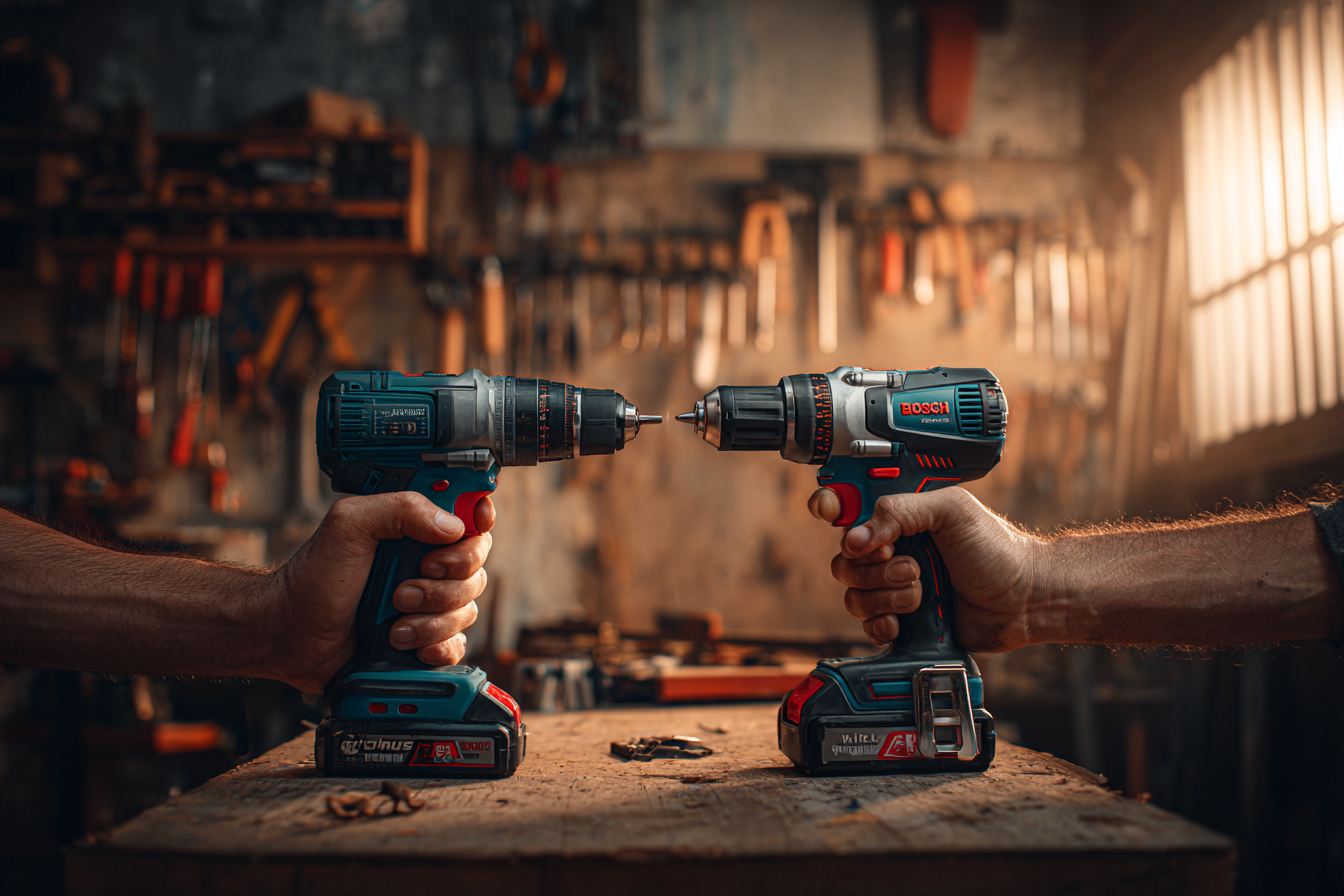
When I first started working with drills, I didn’t even know what “brushless” meant. It just sounded high-tech. But once I got my hands on both types, I realized — this little word hides a big difference in how drills feel, sound, and perform.
Brushless drills are generally more efficient, longer-lasting, and require less maintenance compared to brushed drills. However, they are also more expensive, and for light-duty or budget projects, a brushed drill can still be a smart choice.
If you’ve ever stood in front of two similar-looking drills, one cheaper and one labeled “brushless,” wondering if it’s worth the extra cost — you’re not alone. Let’s break it down together, one question at a time.
What are the disadvantages of a brushless drill?
At first glance, brushless drills1 seem flawless — powerful, efficient, modern. But nothing is perfect, right?
The main disadvantages of brushless drills are higher cost, complex repairs, and inconsistent performance in low-load applications. They are also more dependent on electronic control systems, which can fail under extreme conditions.
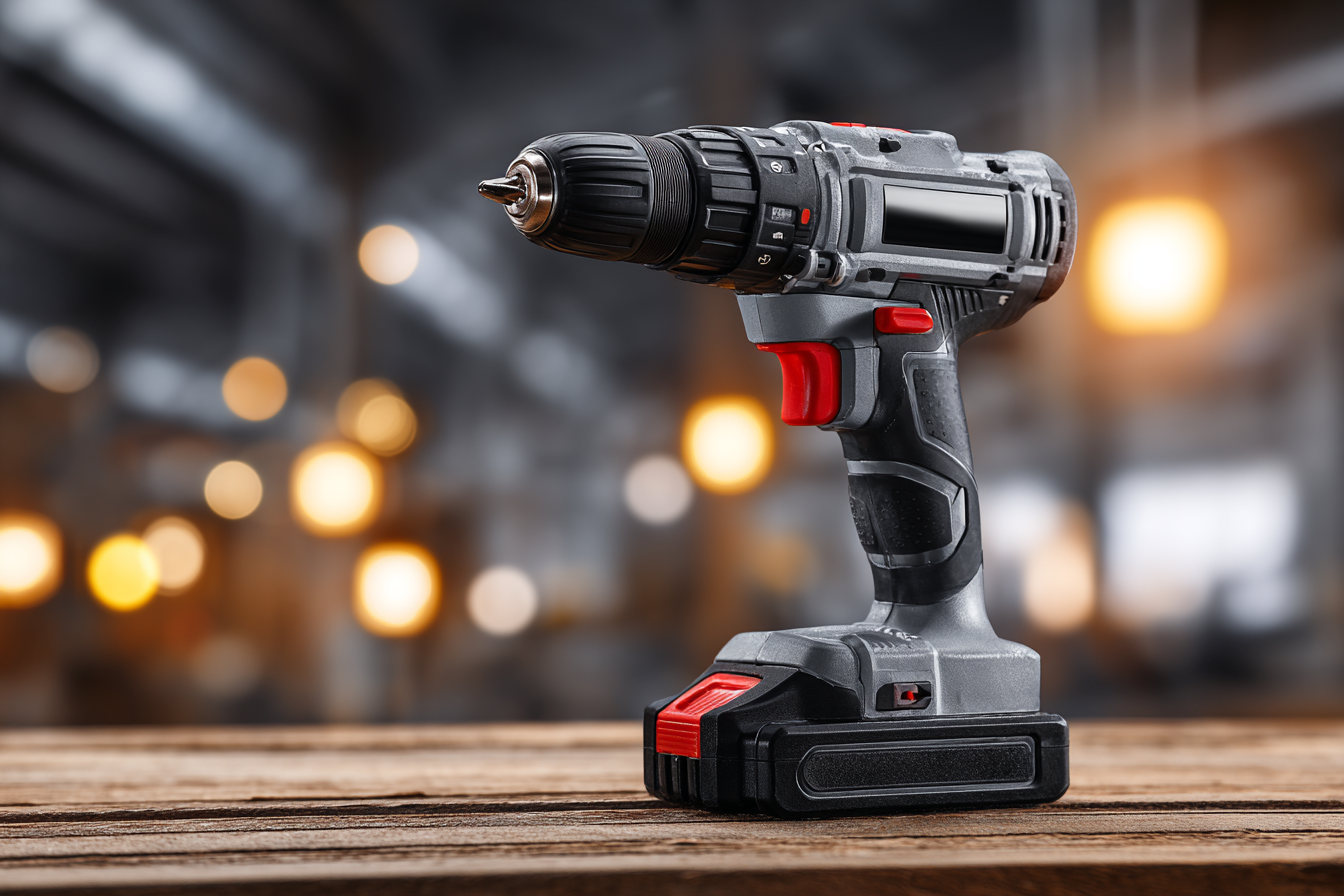
When I first switched to brushless, I loved the smooth start-up and power control. But the price tag hit hard — and when one of my early brushless drills stopped working, the repair cost almost matched a new unit. That’s the trade-off.
Let’s look at this clearly:
| Aspect | Brushless Drill |
|---|---|
| Price | 30–50% higher |
| Maintenance | Low, but costly if damaged |
| Repair Complexity | High — needs specialized service |
| Performance at Light Load | Sometimes unstable |
| Electronics Sensitivity | Can fail in harsh environments |
In a dusty construction site or a small workshop, electronics can act up. Sometimes, a simple brushed drill just keeps going, even when things get rough. So while brushless is impressive, it’s not always the most practical choice if your environment is tough or your margins are thin.
Do brushless drills overheat easily?
Heat is the silent killer of tools — but not all motors handle it the same way.
Brushless drills generate less heat than brushed drills because they don’t use friction-based carbon brushes. However, poor ventilation, long continuous use, or high ambient temperatures can still cause overheating.

I remember one summer job in a warehouse — 38°C inside, no fans, and my drill felt like it could fry an egg. The brushed motor began to smell faintly burnt. That’s when I truly understood the value of brushless efficiency.
How brushless motors stay cool
Brushless motors use electronic sensors to switch power, eliminating brush friction. That means less wasted energy as heat. However, the built-in electronics still get warm — and if you block ventilation holes with dust or press the trigger non-stop, any drill can overheat.
| Condition | Overheating Risk |
|---|---|
| Continuous drilling for >15 mins | Medium |
| Blocked air vents | High |
| High ambient temperature | High |
| Light, intermittent drilling | Low |
So, no, brushless drills don’t overheat easily — but they’re not magic. Regular breaks and clean vents go a long way toward keeping that motor humming smoothly.
Which motor type lasts longer?
This is the question everyone eventually asks — because longevity2 means value.
Brushless motors last longer than brushed ones due to their lack of physical brushes, which wear out over time. While a brushed motor may last around 1,000 hours, a brushless motor can easily exceed 5,000 hours with proper care.

When I think about longevity, I picture an old brushed drill my father used — scarred, noisy, yet somehow still alive after decades. But even that tough old thing needed new brushes twice a year. My first brushless drill, on the other hand, has been with me for years — quiet, reliable, and low-maintenance3.
Why brushless lasts longer
In a brushed motor, tiny carbon brushes press against a spinning commutator to create motion. Over time, this friction causes wear and tear. Brushless motors remove this weak point entirely by using smart electronic control instead.
Here’s a quick comparison:
| Feature | Brushed | Brushless |
|---|---|---|
| Moving parts | More (brushes & commutator) | Fewer |
| Wear components | Brushes | None |
| Maintenance | Regular | Minimal |
| Expected lifespan | ~1,000 hours | 3,000–5,000+ hours |
The real winner? Brushless. It’s like comparing a bicycle chain that needs oiling every week to a belt drive that just runs quietly for years.
Conclusion
In short — brushless drills bring smoother power, longer life, and less maintenance, while brushed ones keep things simple and affordable. The right choice depends on what matters more to you: price or performance. Personally, I go brushless — because I’ve learned that fewer headaches are worth every penny.
-
Explore the advantages of brushless drills, including efficiency and longevity, to make an informed purchase decision. ↩
-
Explore the lifespan differences between brushless and brushed motors to evaluate long-term value. ↩
-
Find out if brushless drills truly require less maintenance and what that means for your usage. ↩