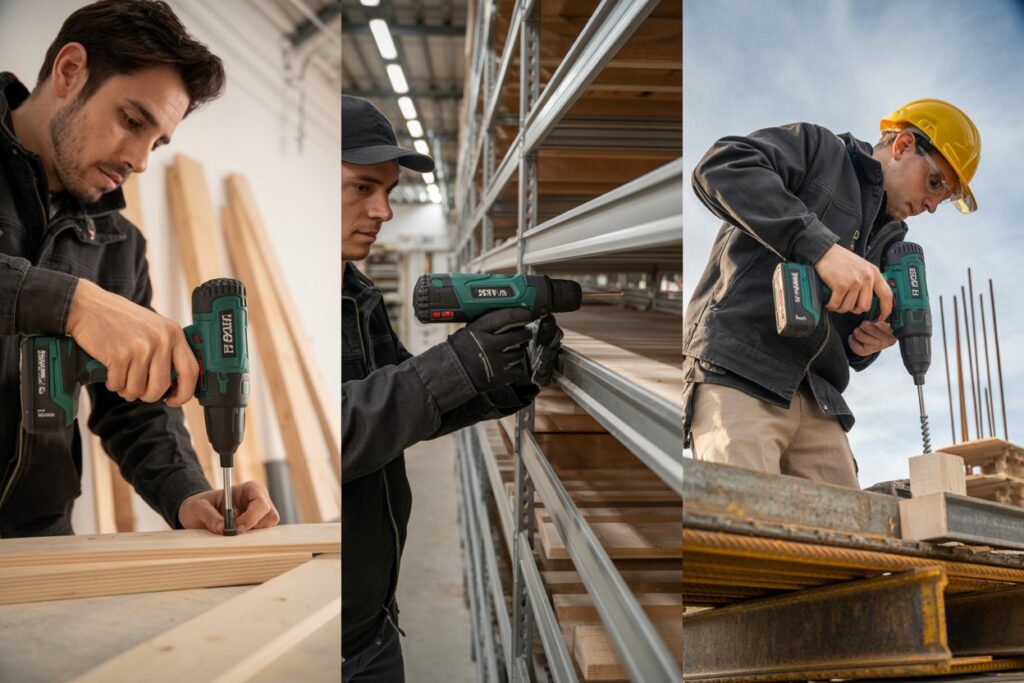

Sometimes, when I’m polishing a car or restoring an old tool, I just want freedom—no cables tugging at my arm, no plugs in sight. That’s when a cordless polisher feels like a breath of fresh air. But is it actually worth it?
A cordless polisher is worth it if you need mobility, lighter handling, and quick jobs without relying on power outlets. It offers flexibility for outdoor work, small detailing tasks, and spot polishing. However, corded polishers deliver stronger, consistent power for long, heavy-duty polishing sessions.
I’ve used both types—on dusty job sites, in crowded workshops, and even in a customer’s backyard. And honestly, the answer isn’t one-size-fits-all. The choice depends on how you work, how much power you need, and how long you typically polish in a day. Let’s break it down together.
Are corded or cordless polishers better?
I’ve switched between corded and cordless more times than I can count. Each has its strengths, and the differences matter a lot when you’re in the middle of a job that demands both patience and power1.
Corded polishers are better for long, heavy-duty polishing because they deliver continuous power. Cordless polishers are better for mobility and convenience during light to medium tasks. Corded tools suit long sessions; cordless suits quick jobs, outdoor work, and tight spaces.
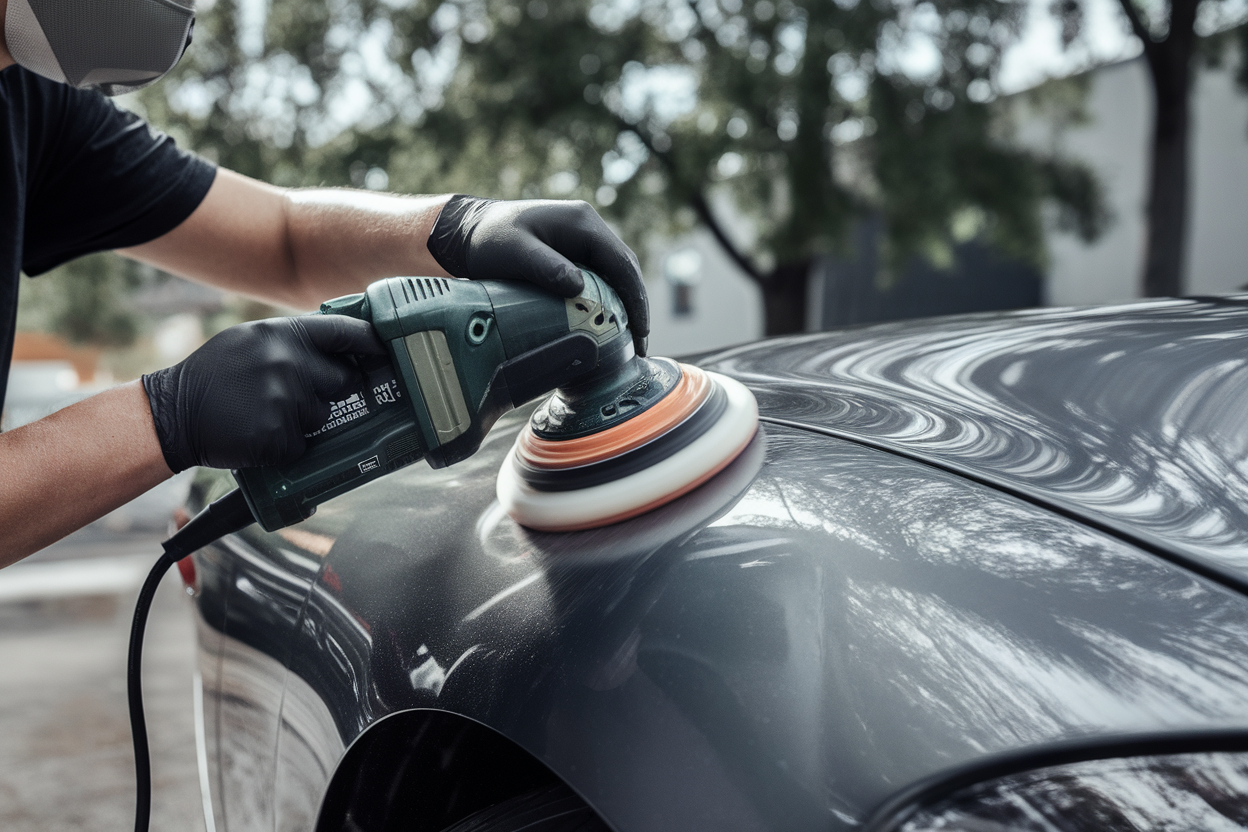
When I first tried a cordless polisher2, I felt like someone had finally cut the leash. No cord dragging on paintwork. No extension cable knotting itself like it had a personal grudge against me. But after about 20 minutes on a tough surface, I also felt the battery slowing down.
Here’s the honest truth: corded3 and cordless polishers live in completely different worlds.
Corded polishers are steady and stubborn—they keep going as long4 as you do. If you’re restoring an oxidized hood or buffing a full car for resale, the constant power saves time and nerves. You also get higher torque, which means the machine won’t stall when you push harder. For shop owners, that reliability often feels priceless.
Cordless polishers, on the other hand, feel like freedom in your hands. When I’m working on boats on the dock, or polishing areas where a cable would be dangerous, cordless becomes the obvious choice. It’s also a lifesaver for vertical surfaces; without a cable pulling down, my shoulders complain a little less.
To give a clearer picture:
| Feature | Corded Polisher | Cordless Polisher |
|---|---|---|
| Power consistency | High | Medium |
| Runtime | Unlimited | Limited by battery |
| Mobility | Limited | Excellent |
| Weight | Usually heavier | Often lighter |
| Best for | Long jobs | Quick tasks/outdoor work |
If your daily work is long, demanding polishing sessions, corded makes economic and practical sense. But if you move around a lot—detailing5, mobile service, light refinishing—a cordless model feels like the tool you reach for without thinking.
Still unsure? You can compare user reviews or spec charts from trusted suppliers like detailer forums or browse cordless tool categories from manufacturers such as YOUWE at our polisher section.
How long does a cordless polisher last?
This was my biggest question before I bought my own. And after testing dozens of cordless tools for YOUWE’s lineup, I’ve learned that runtime6 depends on battery7 size, motor efficiency, and—most importantly—how hard you push the tool.
A cordless polisher typically lasts 20–60 minutes per battery, depending on battery capacity and workload. Light polishing extends runtime, while heavy cutting reduces it. Using larger batteries or carrying spares allows continuous use for longer sessions.
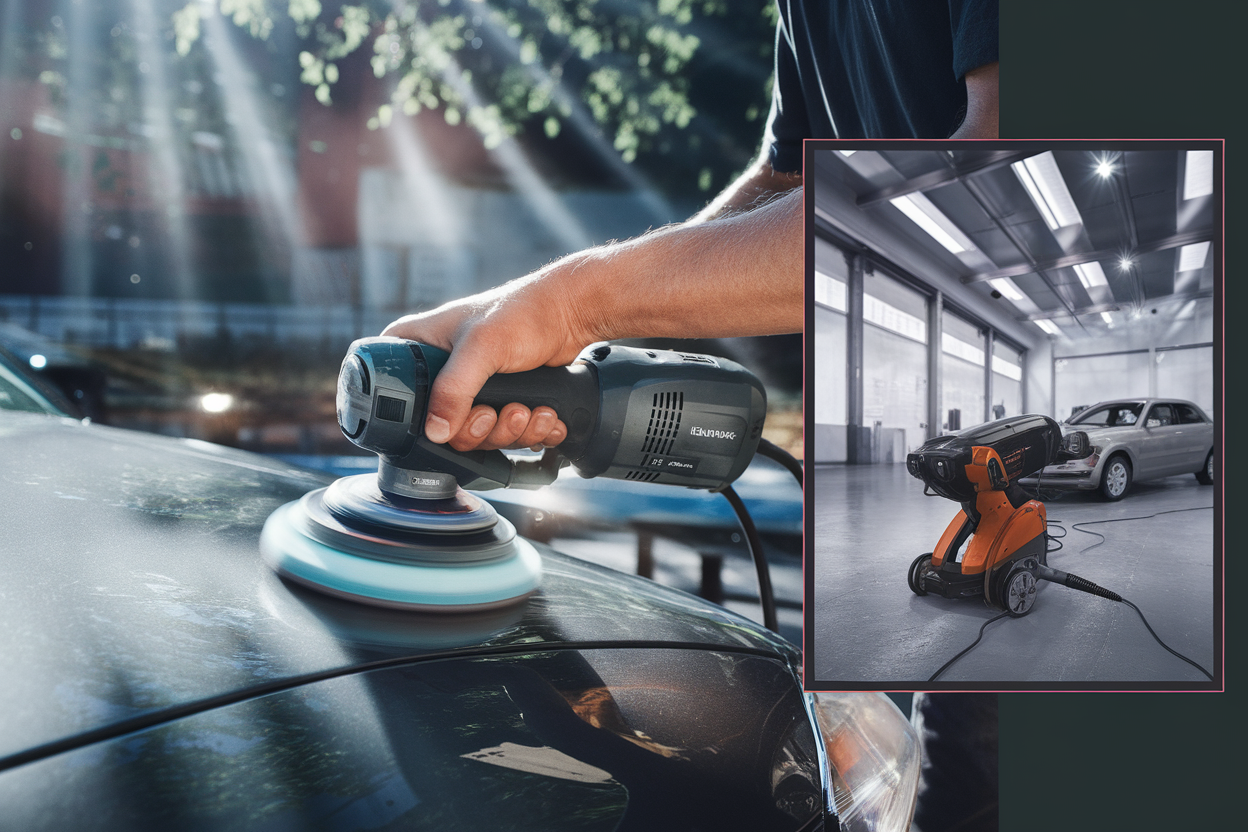
Let me share a quick story: I once took a cordless polisher to a customer visit in Greece. I had only one battery with me, and the sun was brutal. The moment I switched from light polishing8 to heavy cutting9, the battery drained noticeably faster. That day taught me something every cordless-user eventually learns—runtime isn’t fixed; it’s shaped by your working habits.
Runtime shifts based on:
- How much pressure you apply
- The speed setting
- The type of pad
- The battery voltage and Ah rating
For example, with a 4.0Ah battery, I typically get:
| Task Type | Approx Runtime |
|---|---|
| Light polishing | 45–60 minutes |
| Medium polishing | 30–40 minutes |
| Heavy cutting | 20–25 minutes |
This is normal for most cordless polishers in the market, not just ours. Higher Ah batteries (like 5.0Ah or 6.0Ah) stretch those numbers nicely, but they add weight10—which your wrist will remind you about later.
For professionals who polish all day, the usual setup is simple:
Two batteries, one charger, and a rhythm—one battery works while the other charges.
If you’re mobile, this rhythm becomes second nature. If you’re working in a shop, the convenience of cordless is nice but not essential unless you often polish difficult angles or delicate surfaces.
If you’d like, you can explore battery comparisons on communities like detailing blogs or review technical notes11 on cordless platforms from suppliers like YOUWE at our power tool battery guide.
Conclusion
A cordless polisher is worth it if you value freedom, mobility, and quick, flexible polishing. For long, power-hungry jobs, corded still wins. The best choice depends on your workflow—and once you understand that, picking the right tool becomes effortless.
-
Understanding power dynamics can help you choose the right polisher for your needs. ↩
-
Explore the advantages of cordless polishers for mobility and convenience in various tasks. ↩
-
Discover why corded polishers are preferred for heavy-duty tasks and long sessions. ↩
-
Learn about the runtime of cordless polishers to make informed purchasing decisions. ↩
-
Explore expert tips for effective detailing using cordless polishers. ↩
-
Understanding runtime factors can help you optimize your polishing tasks. ↩
-
Find out how battery capacity impacts the efficiency and runtime of cordless tools. ↩
-
Discover the benefits and techniques of light polishing for effective results. ↩
-
Understand the implications of heavy cutting on battery performance and runtime. ↩
-
Learn how the weight of polishers impacts handling and user comfort. ↩
-
Access valuable technical resources to enhance your knowledge of cordless tools. ↩