Many buyers entering the cordless tool market face the same confusion. Brushless drills are everywhere. Marketing says they are better. But many successful tools still use brushed motors1.
A brushless drill is usually more efficient, durable, and modern. However, brushed drills are still useful for many markets because they cost less and perform well for light to medium tasks. The best choice depends on the product strategy and target users.
I often talk with importers from Italy, Spain, and Germany who want to launch a cordless drill line. Many of them ask the same question during the first call. They want to know if brushless is always the right choice. The real answer depends on the business model, the price range, and the target user.
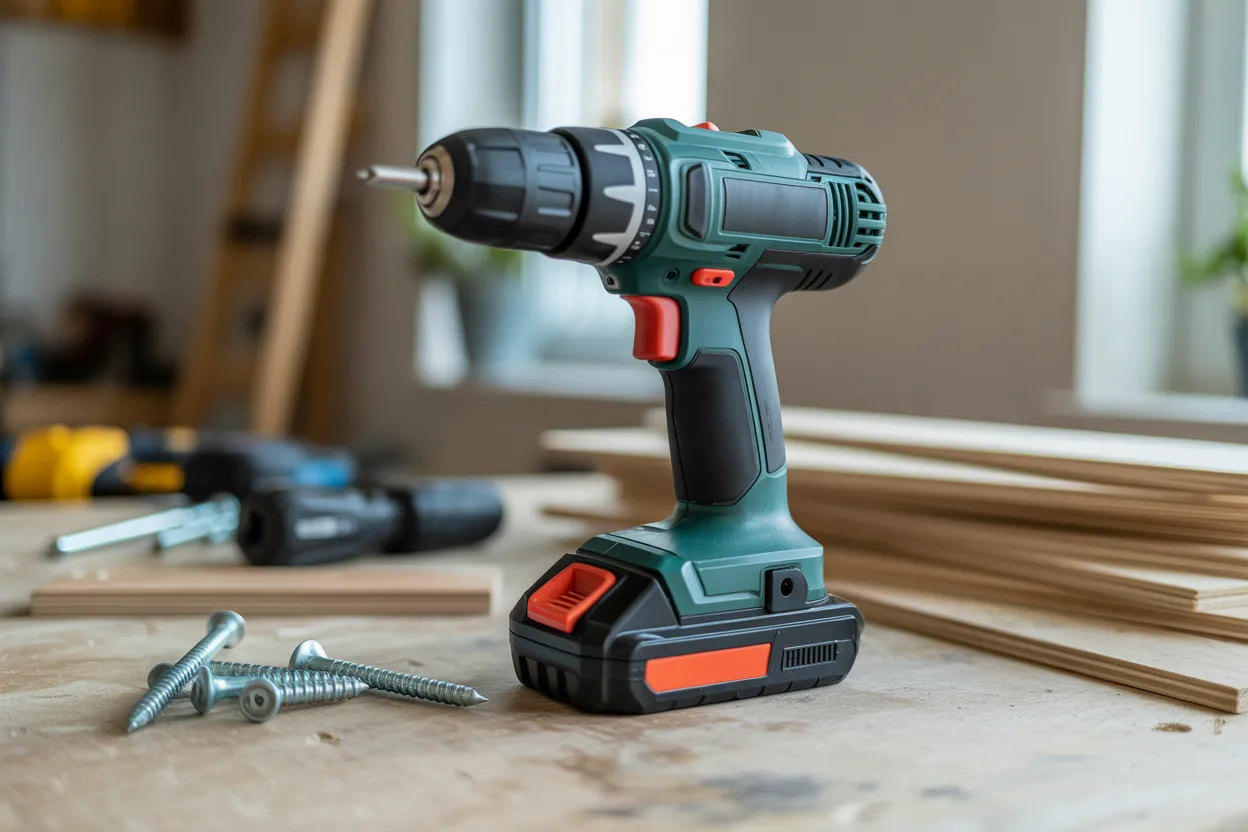
What is the difference between a brushed and brushless drill motor?
Many new buyers assume both motors are almost the same. They look similar from the outside. But the internal design and performance are very different.
The main difference is how the motor transfers power. Brushed motors use carbon brushes to deliver electricity to the rotor. Brushless motors use electronic controllers instead of physical brushes.
How brushed motors work
A brushed motor uses carbon brushes and a commutator. These parts touch the spinning rotor. The brushes transfer electricity to create motion.
This system is simple. It has been used for many years. The production cost is low. Many entry level drills still use this system.
But the brushes create friction. Friction creates heat. Heat reduces efficiency. The brushes also wear out over time.
Typical issues of brushed motors include:
| Factor | Brushed Motor |
|---|---|
| Energy efficiency | Lower |
| Heat generation | Higher |
| Maintenance | Brushes wear out |
| Manufacturing cost | Lower |
| Motor control | Basic |
How brushless motors work
A brushless motor removes the carbon brushes. Instead, it uses electronic control boards. These boards manage the magnetic field inside the motor.
This design reduces friction. It also improves efficiency. The motor can run cooler and last longer.
Brushless motors also allow better speed control. The electronics adjust power depending on the load.
| Factor | Brushless Motor |
|---|---|
| Energy efficiency | Higher |
| Heat generation | Lower |
| Maintenance | Very low |
| Manufacturing cost | Higher |
| Motor control | Intelligent |
Why the difference matters for cordless tools
Cordless tools depend heavily on battery performance2. Efficiency directly affects runtime.
A brushless drill can usually deliver:
- longer battery runtime
- stronger torque under load3
- longer motor life
But the electronics add cost. The controller board also requires better engineering.
When I work with European private label brands, the decision is rarely just technical. The real question is product positioning4. Some brands want a professional series. Others want a competitive entry level tool.
That choice often determines the motor type.
Why brushless drills are becoming more popular?
Ten years ago, most cordless drills were brushed. Today the situation has changed quickly.
Brushless drills are becoming popular because they offer longer runtime, higher efficiency, better durability, and stronger performance. Battery technology and electronics have also become cheaper, making brushless tools more accessible.
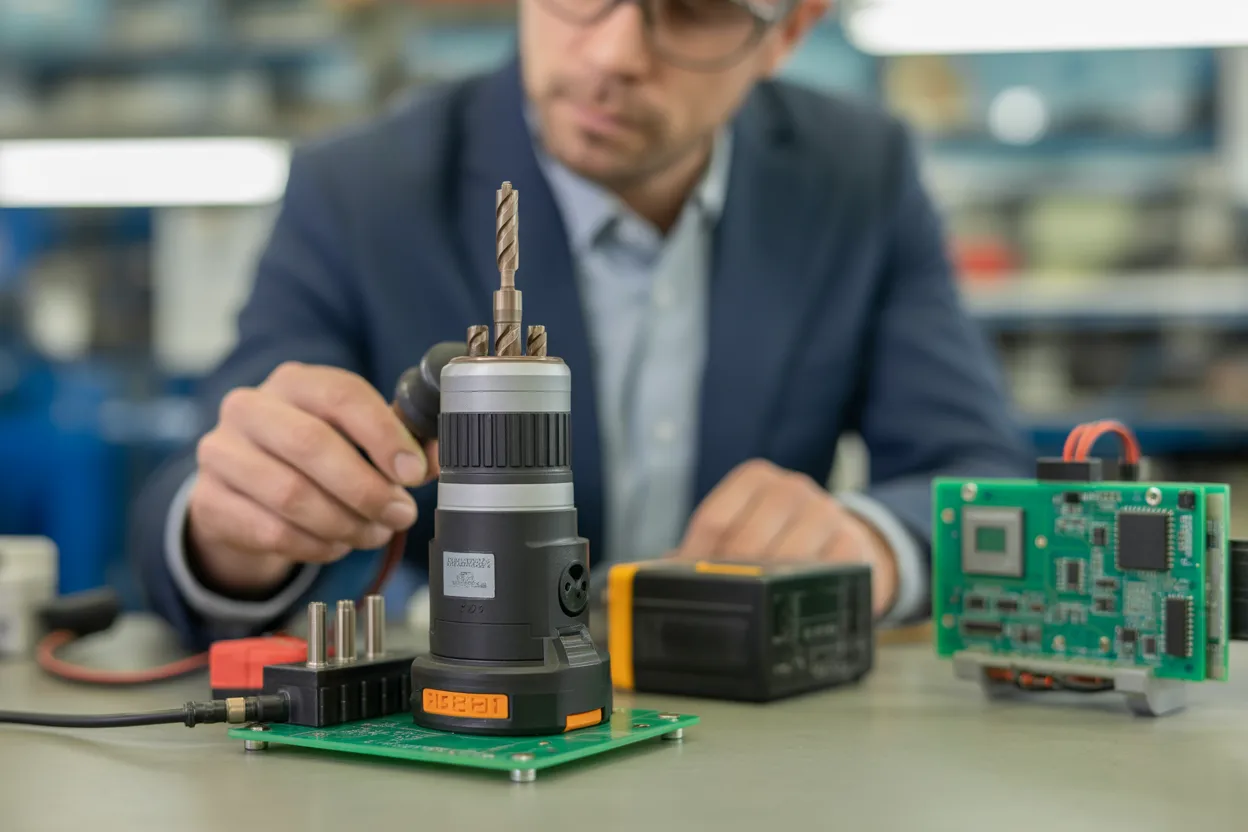
Battery efficiency drives the change
Cordless tools rely on lithium batteries. Battery performance is critical.
Brushless motors use energy more efficiently. Less energy turns into heat. More energy becomes mechanical power.
This means the same battery can run longer.
| Feature | Brushed Drill | Brushless Drill |
|---|---|---|
| Runtime | Shorter | Longer |
| Heat | Higher | Lower |
| Power output | Moderate | Higher |
| Battery efficiency | Lower | Higher |
For users who work many hours, this difference matters.
Professional users prefer durability
Professional users care about reliability. They cannot afford downtime.
Brushless motors have fewer wearing parts. No brushes means less mechanical contact.
Many contractors and installers now expect brushless tools as standard.
In many European markets, retailers even promote brushless drills5 as premium products.
Brand positioning in modern tool markets
I have noticed another reason during OEM projects.
Many brands want to appear more advanced. Brushless technology helps them build that image.
For example:
| Market Strategy | Preferred Motor |
|---|---|
| Entry level retail tools | Brushed |
| Mid range cordless line | Mixed |
| Professional tool line | Brushless |
When a buyer launches a new cordless tool brand, brushless models often become the flagship products.
Are brushed drills still useful?
Many people think brushed drills are outdated. I do not agree with that idea.
Brushed drills are still useful because they are cheaper to produce, easier to repair, and good enough for light duty applications such as DIY use and occasional work.
Price sensitive markets still need brushed tools
Not every market demands premium tools.
Many distributors in South America, Eastern Europe, and Africa still sell large volumes of brushed drills.
Lower manufacturing cost6 makes a big difference.
| Cost Factor | Brushed Drill | Brushless Drill |
|---|---|---|
| Motor cost | Low | Higher |
| Electronics | Minimal | Required |
| Production complexity | Lower | Higher |
| Retail price | Lower | Higher |
Some markets simply prioritize price over technology.
DIY users rarely need maximum performance
Many end users drill only a few holes per month.
For simple home tasks, brushed drills perform well.
Typical DIY tasks include:
- furniture assembly
- wall anchors
- light wood drilling
These tasks do not require high efficiency motors.
Brushed tools help new brands test the market
I often advise new buyers not to launch too many expensive models in the beginning.
Testing the market with simple tools is often safer.
Some brands launch a small brushed drill series first. Later they add brushless models after the brand grows.
This strategy reduces risk and inventory pressure.
When choosing a brushless drill makes the most sense?
Brushless drills are not always necessary. But in some cases they make strong business sense.
A brushless drill makes the most sense when the target market expects professional performance, longer battery runtime, and higher product durability.
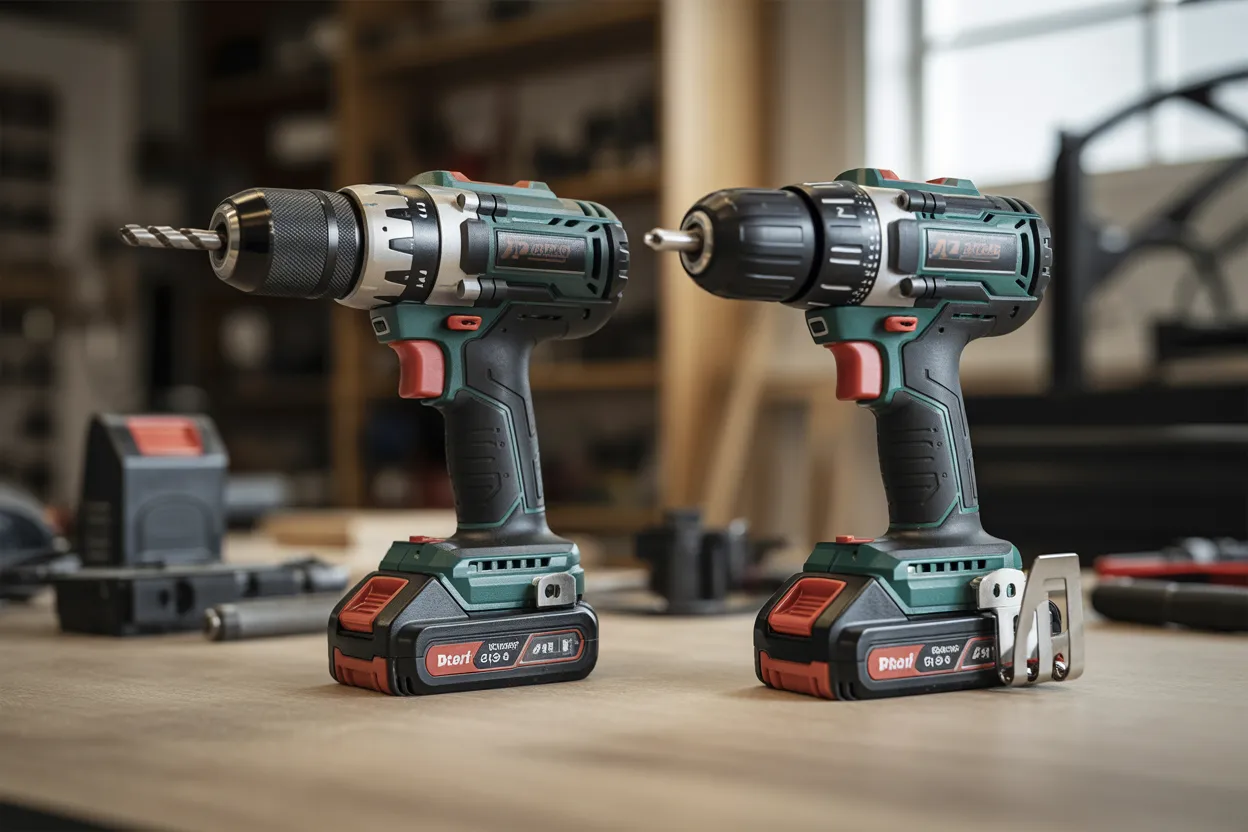
Professional market positioning
Professional users push tools harder.
They often drill metal, wood, and concrete in one day.
A brushless motor handles these workloads better.
| Usage Type | Recommended Motor |
|---|---|
| Home DIY | Brushed |
| Light maintenance | Brushed |
| Professional installation | Brushless |
| Industrial use | Brushless |
Battery platform strategy
Many modern cordless tool brands build battery platforms.
For example:
- 21V drill
- 21V impact driver
- 21V angle grinder
Brushless motors help maximize battery performance across multiple tools.
At YOUWE, we often help brands build a full cordless platform around one battery system.
Premium product differentiation
Retail competition is intense.
Brushless technology gives brands a simple marketing message.
Consumers often associate brushless with:
- higher quality
- longer lifespan
- modern design
Many European retailers also prefer brushless models for higher margin products.
What buyers should really consider when comparing drills?
Many buyers focus only on the motor type. That is only one piece of the puzzle.
When comparing drills, buyers should consider the motor type, battery platform, target price, certifications, and long term supply support from the manufacturer.
Motor type is only one factor
A good drill depends on many components.
Important elements include:
- gearbox quality
- battery cells
- electronic protection systems
- ergonomic design
Even a brushless motor cannot compensate for weak components.
Certification requirements for European markets
European importers must also consider compliance.
Typical certifications include:
| Certification | Purpose |
|---|---|
| CE | Safety compliance |
| EMC | Electromagnetic compatibility |
| GS | German safety standard |
| RoHS | Environmental compliance |
Without these certifications, products cannot enter many EU markets.
Supply chain reliability matters more than specs
In my experience, the biggest risk for buyers is not motor technology.
The real risk is unstable supply.
Buyers should check:
- factory experience
- production capacity
- lead time stability
- battery platform support
These factors determine long term success for a cordless tool brand.
Conclusion
I have worked with cordless tools for many years. I have seen both brushed and brushless drills succeed in the market. The right choice depends on the business plan. Some brands need a competitive entry level tool. Others need a professional flagship model. Many successful product lines actually include both. When buyers think carefully about the target market, battery platform, and long term supply support, the decision becomes much clearer. I often tell new partners that choosing the right manufacturer matters as much as choosing the right motor. A good partner helps you build the product line step by step and reduce the risk when entering the cordless tool market.
-
Understanding the differences can help you choose the right tool for your needs. ↩
-
Learn how battery performance impacts tool efficiency and runtime. ↩
-
Discover the importance of torque in determining drill effectiveness. ↩
-
Explore how product positioning influences consumer perception and sales. ↩
-
Explore the benefits of brushless drills, including efficiency and durability, to make informed purchasing decisions. ↩
-
Understand the relationship between manufacturing costs and retail pricing. ↩