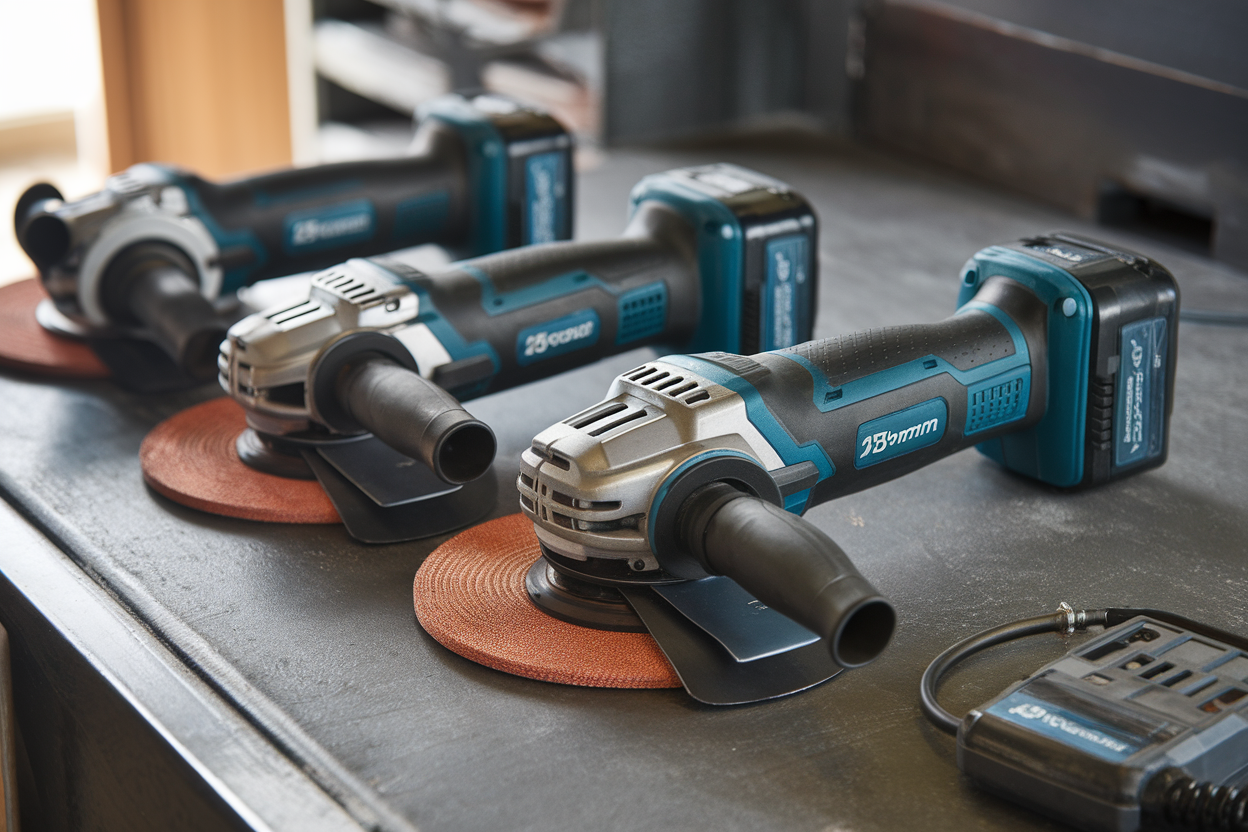
When I bought my first cordless angle grinder1 years ago, I had no clue what actually mattered. I only knew I needed something that wouldn’t die halfway through a cut. Since then—factory tests, customer feedback, and my own mistakes—I’ve learned how to pick one without overthinking.
A cordless angle grinder should be chosen based on motor type, battery voltage, disc size, safety features, and the type of material you cut most often. Focus on power, control, runtime, and durability to make sure the grinder works smoothly for both metal and construction tasks.
Buying a grinder can feel like standing at a crossroads: too many specs, too few clear answers. Let me walk you through what actually matters, in simple words, so you can choose confidently—and skip the pain I learned from.
What to consider when buying an angle grinder?
Before I understood grinders, I bought one only because it “looked strong.” Big mistake. Later, working with YOUWE’s production team, I started to see what really decides whether a grinder helps you—or frustrates you.
You should consider disc size, motor type, battery voltage, speed range, safety features, and grip comfort. A good cordless angle grinder should match your cutting needs, offer stable speed, and provide enough runtime to finish a task without frequent battery changes.
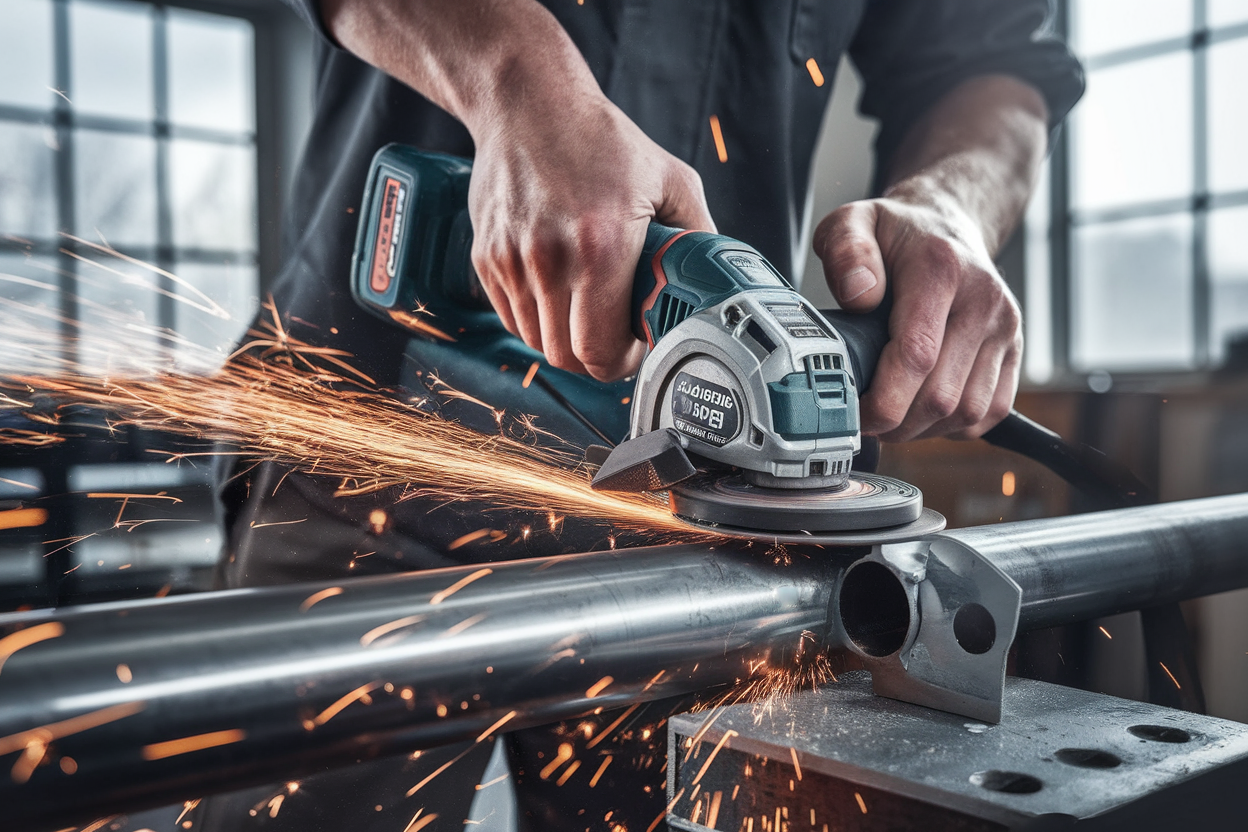
When I visit factories or test tools in the yard, I always check how the grinder responds under pressure. A grinder might look powerful, but once you start cutting steel pipe, you immediately know whether the motor and battery can hold up. So here’s a deeper look at the points that actually matter:
Disc Size
- 100–125mm (4–5 inch) is the most common.
- Ideal for metal work, tile cutting, and daily tasks.
- Larger discs cut deeper but reduce portability.
Motor Strength & Speed
Brushless motors keep speed more stable, especially when the wheel hits resistance. If RPM drops too easily, your cuts will feel rough and slow.
Battery Voltage & Runtime
- 21V gives the strongest performance.
- 16.8V is balanced.
- 12V works for light sanding or small cuts.
Safety Features (Often Ignored)
Many buyers forget this part—until sparks get too close.
- Soft-start
- Anti-kickback
- Quick-stop brakes
These make a huge difference in control.
Example Comparison
| Feature | Light Use | Professional Use |
|---|---|---|
| Disc Size | 100mm | 125mm |
| Battery | 12V | 21V |
| Motor | Brushed | Brushless |
| Safety | Basic | Full set |
And if you need more technical breakdowns later, I can guide you. Choosing the right grinder is like choosing the right shoes—you need the one that fits your work rhythm.
Which is better brushless or brushed angle grinder?
I remember the day I stood in the workshop watching two grinders—one brushed, one brushless—cut through rebar. The brushed one sounded like it was begging for mercy. The brushless? It stayed calm, steady, almost bored.
A brushless angle grinder is generally better because it offers longer motor life, stronger torque, higher efficiency, and more stable speed under load. A brushed grinder is cheaper and easier to repair, but it wears out faster and is less efficient.
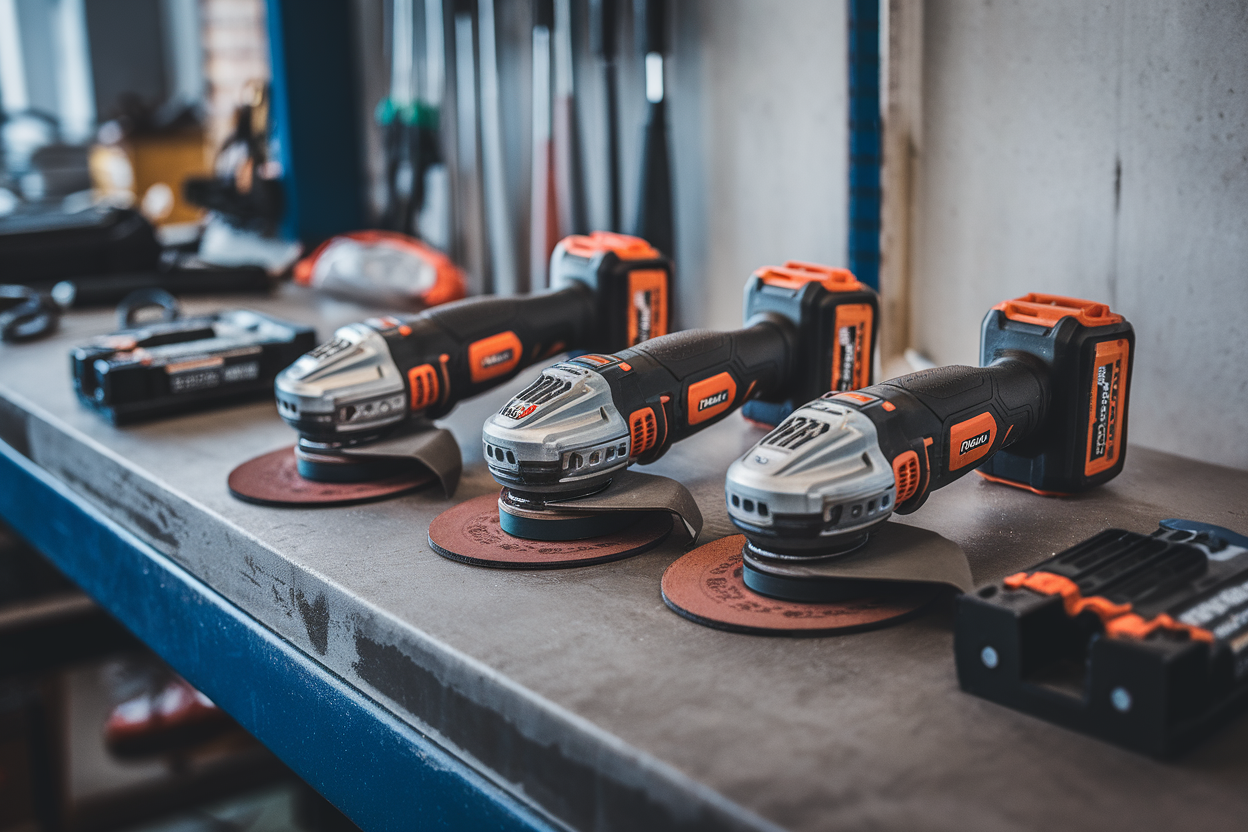
If you're cutting metal pipes or doing long grinding sessions, brushless motors2 help you avoid heat buildup3 and sudden performance drops. But I won’t pretend brushed motors are useless—they’re affordable and often good for hobby work.
H3: Why Brushless Feels "Smarter"
A brushless motor adjusts power automatically. You don’t need to think; it reads the resistance and responds. That’s why many pros prefer it.
Brushless vs. Brushed (My Observation Table)
| Feature | Brushless | Brushed |
|---|---|---|
| Durability | High | Medium |
| Runtime | Longer | Shorter |
| Maintenance | Low | High |
| Price | Higher | Lower |
| Power Stability | Strong | Moderate |
When I recommend grinders to European buyers—especially those sourcing from China—brushless is usually the long-term value pick. But if your customers want low price first, brushed still has a market.
What is one common mistake to avoid when using an angle grinder?
I’ll be honest—I learned this the embarrassing way. Years ago, I was cutting a piece of metal, felt rushed, ignored the guard angle… and the sparks flew right onto my shirt. Nothing serious happened, but that was the moment I understood why so many accidents happen.
One common mistake is removing or misplacing the safety guard. The guard shields you from sparks, debris, and accidental kickback. Using a grinder without the guard increases risks of cuts, burns, and wheel breakage during operation.
When I work with new buyers or team members, this is the first habit I check. People think the guard “gets in the way,” but it’s designed to keep the most dangerous part of the grinder pointed away from you.
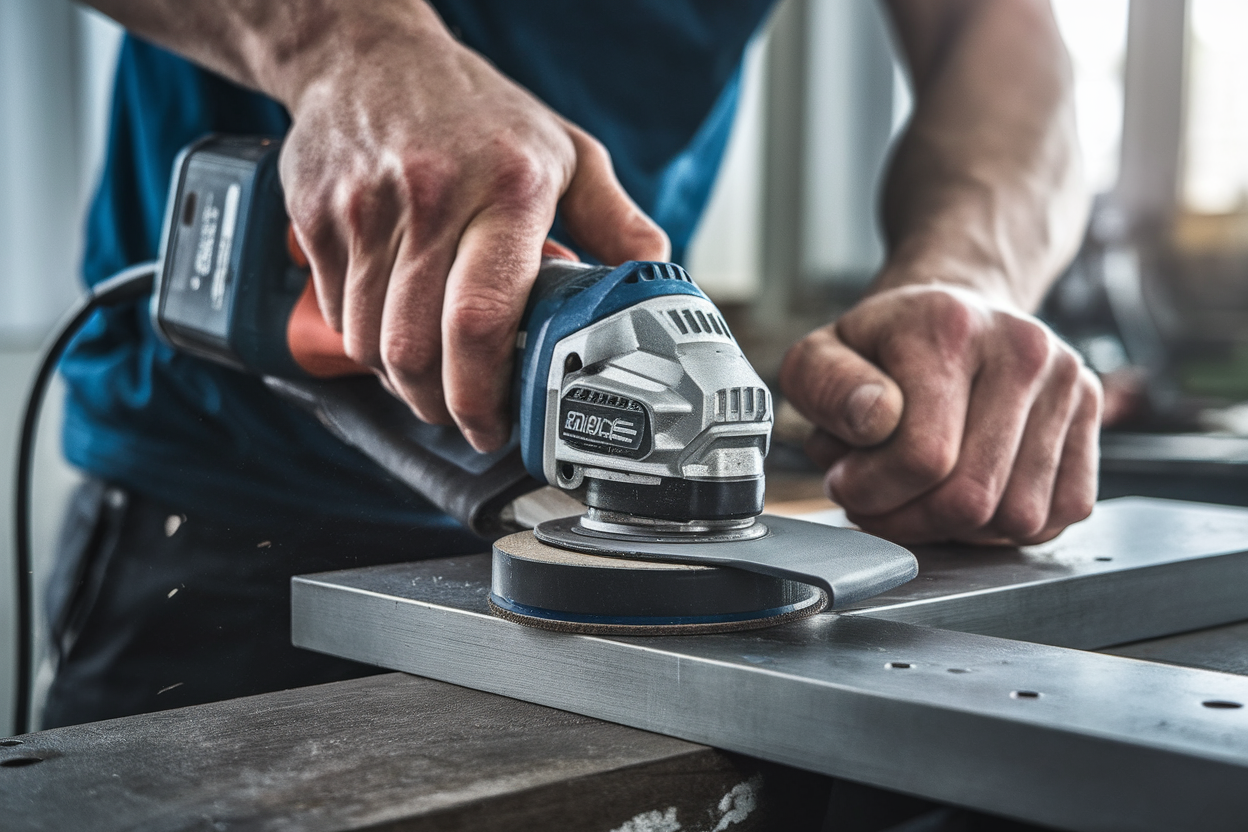
Let’s break down why this matters more than most people think:
What the Guard Actually Protects You From
- Broken wheel fragments
- Sparks
- Dust
- Sudden kickbacks
Why People Remove It
- “Better visibility”
- “More angle to cut”
- “Just a quick job”
Every excuse I’ve heard ends with the same pattern: risky habits that never seem risky until something goes wrong.
Safer Usage Tips
- Keep both hands on the tool
- Hold the grinder below chest height
- Check disc tightness before every use
- Keep batteries away from metal shavings
If you’re sourcing grinders for your customers in Europe, reminding them of proper usage4 is a small step that builds trust—and reduces complaints.
Conclusion
Choosing a cordless angle grinder becomes simple when you focus on power, safety, and how you actually work. If you match the grinder to your tasks, it becomes a tool that feels natural in your hands—steady, reliable, and ready whenever you are.
-
Explore the advantages of cordless angle grinders for flexibility and ease of use in various tasks. ↩
-
Brushless motors offer superior performance; learn why they are preferred by professionals. ↩
-
Understanding heat buildup can help you maintain your grinder's performance and longevity. ↩
-
Adopting proper usage habits can enhance safety and efficiency while using an angle grinder. ↩