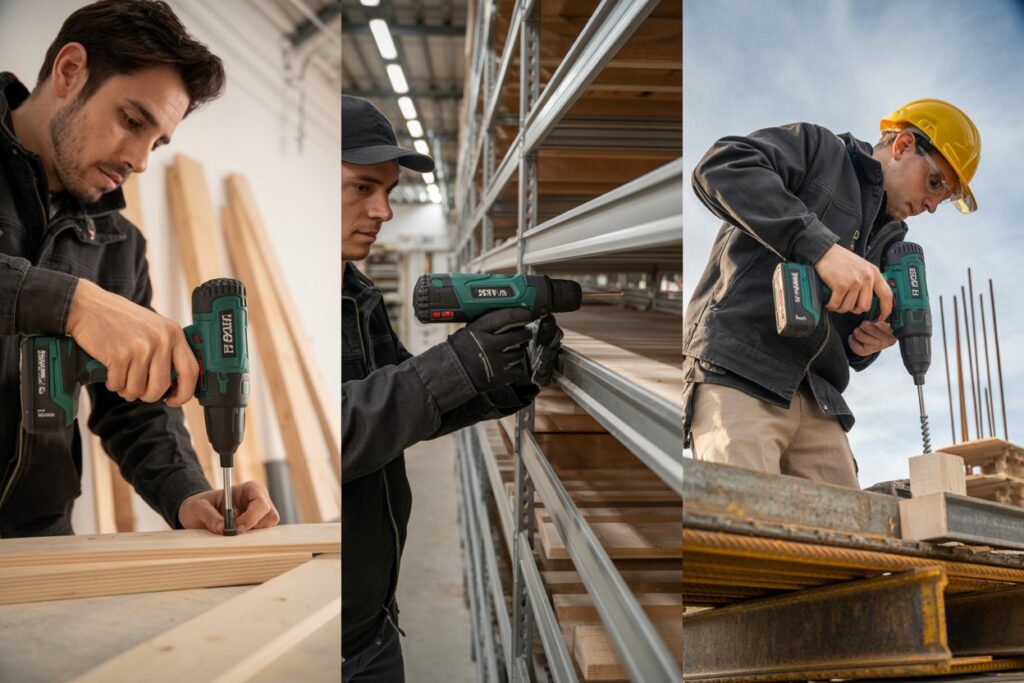
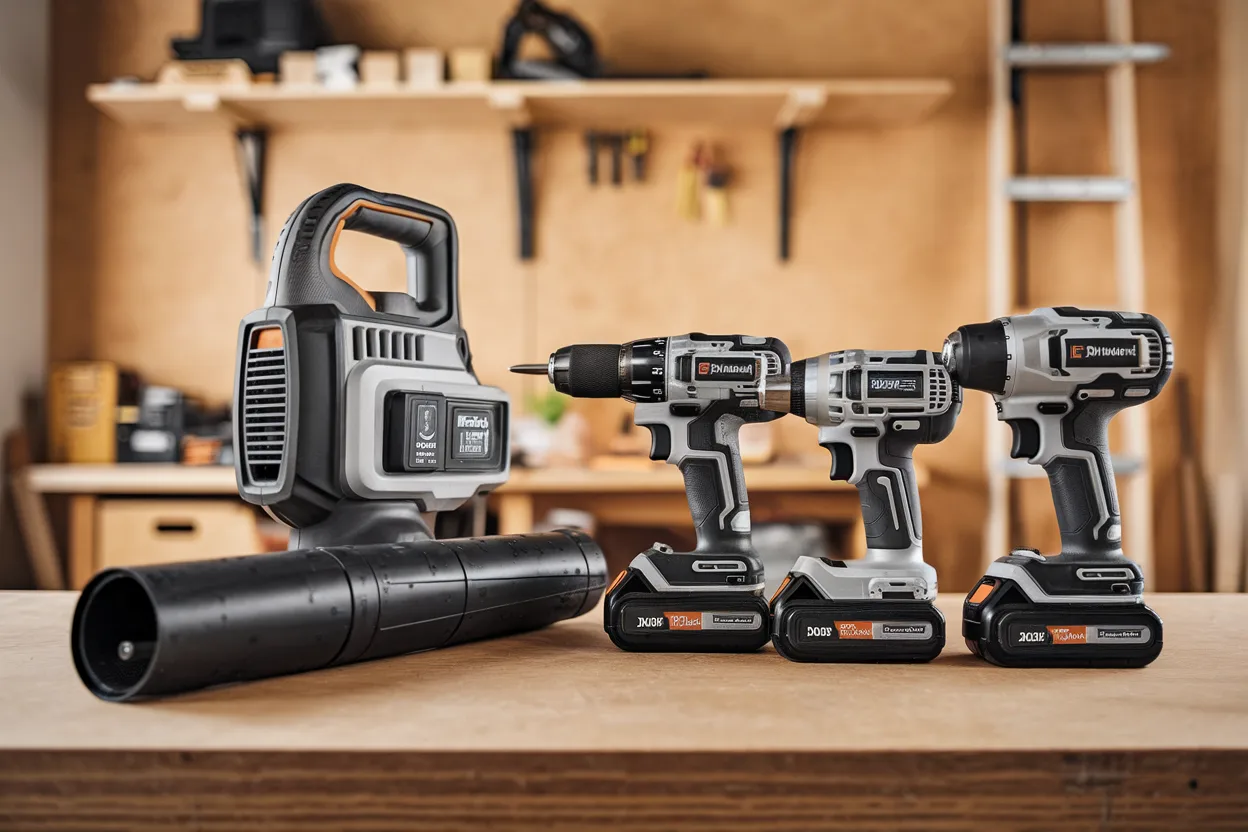
Many new tool brands want to launch cordless garden tools1. The blower is often the first product they choose. Many buyers only compare voltage numbers. That decision can create problems later.
The best way to build your first cordless blower line is not only choosing between 20V or 40V. The real decision is choosing the right battery platform for your future tool range. That choice affects cost, product expansion, and long term brand strategy.
I speak with many buyers from Spain, Italy, and Germany every year. Many already sell garden tools or hardware. They want to add cordless tools. Most of them ask the same question first. Should we start with 20V or 40V2 blowers? I usually explain that the first blower decision shapes the entire product line.
Why the first blower line matters more than most buyers expect?
Many buyers treat the blower as a simple product. They think it is only one SKU. In reality, the first blower often decides the battery system of the whole brand.
Your first blower line usually defines your battery platform. Once customers buy batteries, they expect more tools that use the same system. That first decision can shape your product roadmap for years.
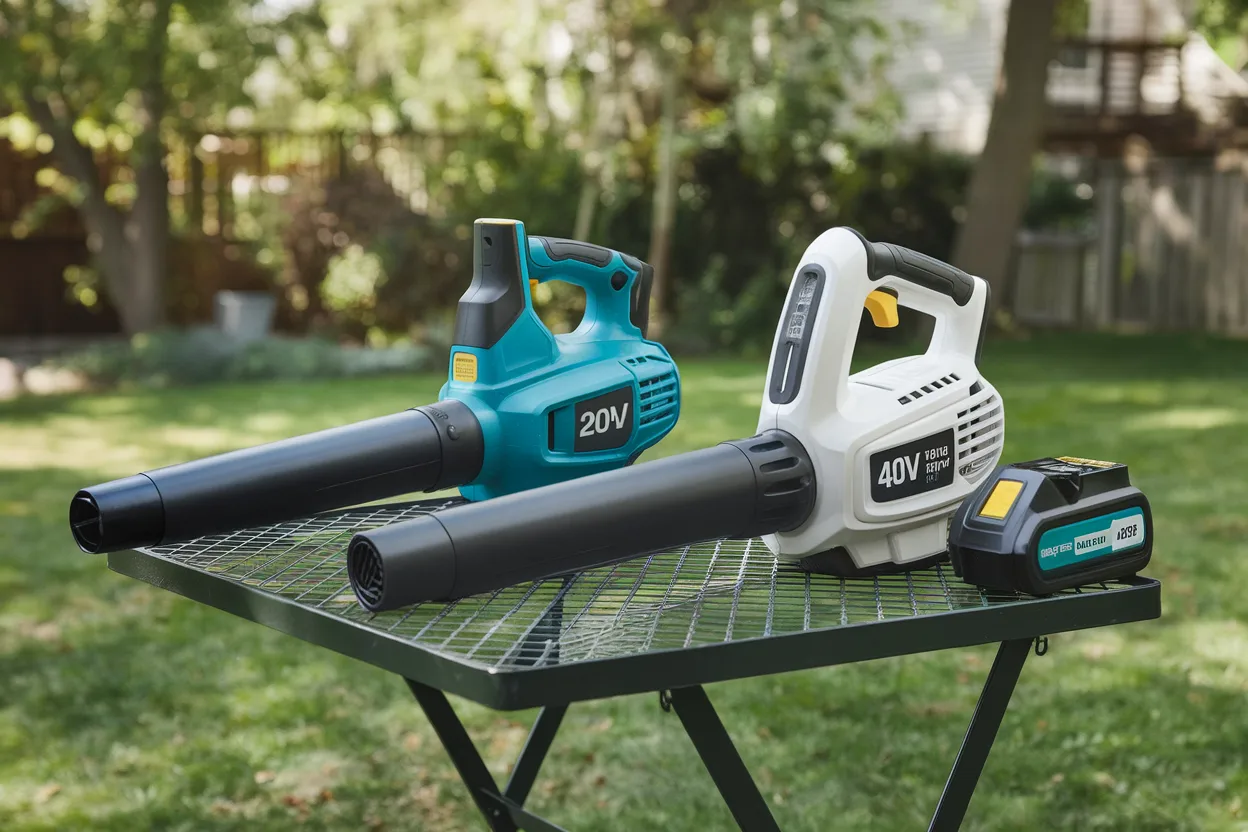
The battery platform effect
When a buyer launches a cordless blower, the battery becomes the center of the system. Customers do not buy only the blower. They buy the battery and charger.
Once the battery enters the market, customers want more tools using that battery.
Typical expansion path looks like this:
| Step | Product |
|---|---|
| Step 1 | Cordless blower |
| Step 2 | Grass trimmer |
| Step 3 | Hedge trimmer |
| Step 4 | Chainsaw |
| Step 5 | Additional garden tools |
If the battery platform3 is weak, the whole product line becomes difficult to expand.
Retail shelf strategy
European retailers often prefer tool families instead of single tools.
Buyers in Germany or Italy often ask factories one key question.
Do you have a full battery platform?
Retail buyers want product consistency.
| Retail concern | What they expect |
|---|---|
| Shelf display | Multiple tools sharing one battery |
| Customer value | Buy once, use battery for many tools |
| Brand perception | Complete product ecosystem |
If a brand launches only one blower model without a platform plan, expansion becomes slow.
Certification and compliance planning
Battery platforms also affect certification work.
European markets require:
| Certification | Purpose |
|---|---|
| CE | Safety compliance |
| EMC | Electrical compatibility |
| RoHS | Material safety |
If a battery platform changes later, the certification work may repeat.
I often tell buyers one simple thing.
Your first blower is not just a tool. It is the start of your battery ecosystem4.
Understanding the difference between 20V and 40V blower platforms?
Many buyers compare voltage numbers. They assume 40V always means stronger tools. The reality is more complex.
20V blowers focus on light weight and shared battery platforms. 40V blowers focus on higher air volume and professional garden work. Both systems serve different market needs.
Basic technical differences
Voltage affects motor power and airflow potential.
However, motor design and fan design also matter.
| Specification | 20V blower | 40V blower |
|---|---|---|
| Power level | Medium | High |
| Weight | Light | Heavier |
| Typical use | Home garden | Large garden |
| Battery cost | Lower | Higher |
A well designed 20V blower can perform very well for residential gardens.
Air volume vs air speed
Two performance numbers matter in blowers.
| Metric | Meaning |
|---|---|
| Air volume (CFM) | How much air moves |
| Air speed (MPH) | How fast air moves |
40V blowers usually produce higher CFM.
That makes them better for wet leaves or large spaces.
20V blowers usually have lower air volume but still good air speed.
They are suitable for daily garden cleaning.
Battery cost impact
Battery cost is a major factor for importers.
| Platform | Battery cells | Cost level |
|---|---|---|
| 20V | 5 cells | Lower |
| 40V | 10 cells | Higher |
A 40V battery usually doubles the cell count.
That affects product pricing and MOQ planning.
For many new brands, battery cost becomes the first business risk.
When starting with a 20V blower makes sense?
Many new brands should start with a simpler platform. In many cases, the 20V blower is the safer first step.
A 20V blower makes sense when buyers want lower entry cost, wider tool expansion, and easier market testing. This platform works well for new cordless tool brands.
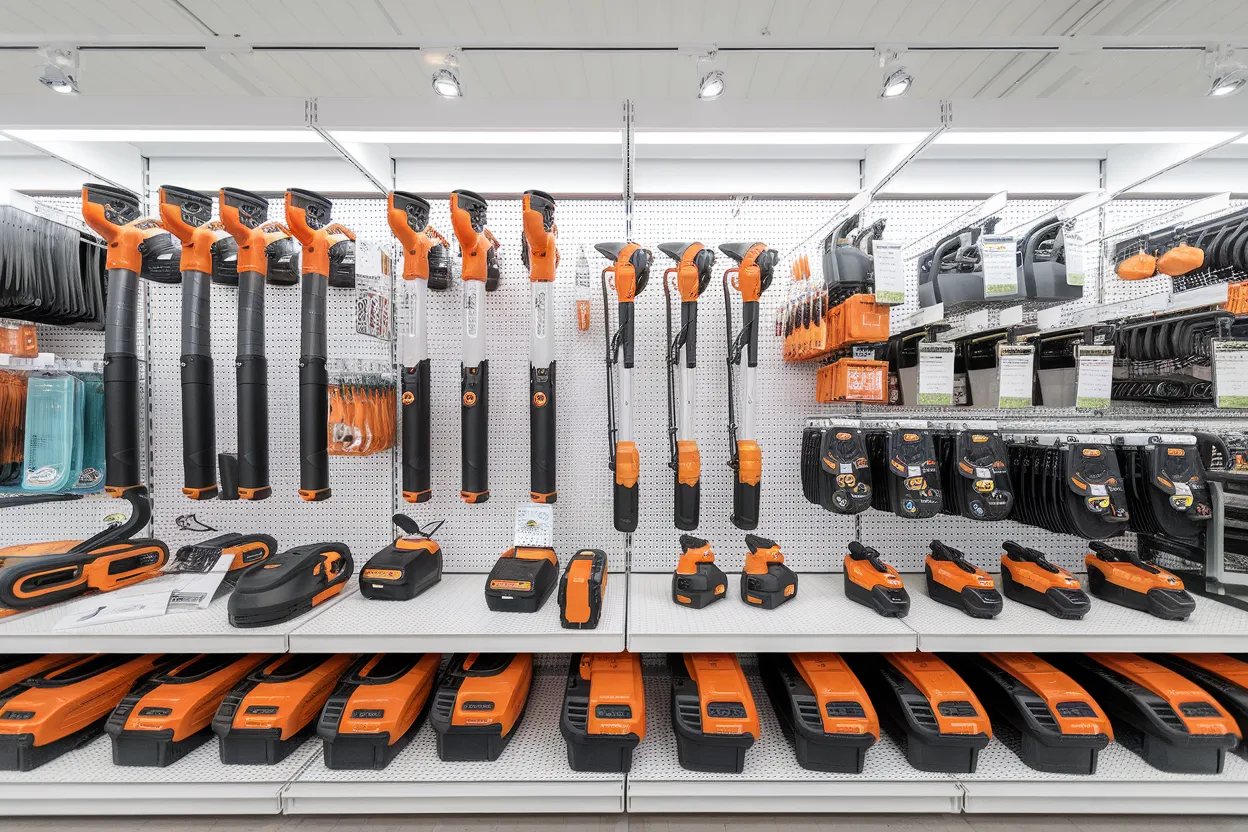
Lower investment risk
When buyers test a new category, they want lower risk.
A typical starter order may look like this.
| Item | Quantity |
|---|---|
| Blower | 500 units |
| Battery | 1000 units |
| Charger | 500 units |
With a 20V system, the total investment stays manageable.
Battery production cost is lower. Shipping cost is lower too.
More tool expansion options
The 20V platform supports many tools.
| Tool type | Compatible with 20V |
|---|---|
| Drill | Yes |
| Angle grinder | Yes |
| Blower | Yes |
| Grass trimmer | Yes |
| Chainsaw | Yes |
This flexibility helps distributors build product bundles.
Retailers like tool families.
One battery system supports many SKUs.
Good fit for European garden sizes
Many gardens in Europe are small to medium.
This is common in:
| Country | Typical garden size |
|---|---|
| Spain | Small urban gardens |
| Italy | Medium residential gardens |
| Germany | Small private gardens |
A strong 20V blower is usually enough.
Many buyers discover this only after market testing.
When a 40V blower line is the better strategy?
Some markets demand stronger machines. In those cases, starting with a 40V system may be better.
A 40V blower line works best when targeting professional landscaping users, large gardens, and premium retail positioning. Higher performance justifies higher price.
Professional user expectations
Professional users expect strong performance.
They often compare tools with gasoline blowers.
| User type | Expectation |
|---|---|
| Landscapers | High airflow |
| Garden contractors | Long runtime |
| Municipal workers | Durable machines |
A 40V platform can deliver stronger airflow.
Premium product positioning
Some brands want to enter the premium segment.
Higher voltage platforms support this strategy.
| Strategy | Result |
|---|---|
| Higher power | Higher retail price |
| Bigger battery | Longer runtime |
| Premium design | Strong brand image |
Retailers sometimes prefer premium models because margins are higher.
Large property markets
In some countries, garden size is larger.
| Region | Garden size trend |
|---|---|
| Germany suburbs | Medium to large |
| France rural areas | Large |
| Australia | Very large |
In these markets, stronger blowers become attractive.
The smarter approach: start with a platform, not just a blower?
Many buyers think they are launching a blower. In reality, they are launching a battery ecosystem.
The smarter strategy is choosing a battery platform first. The blower becomes the entry product, but the real goal is building a compatible cordless tool family.
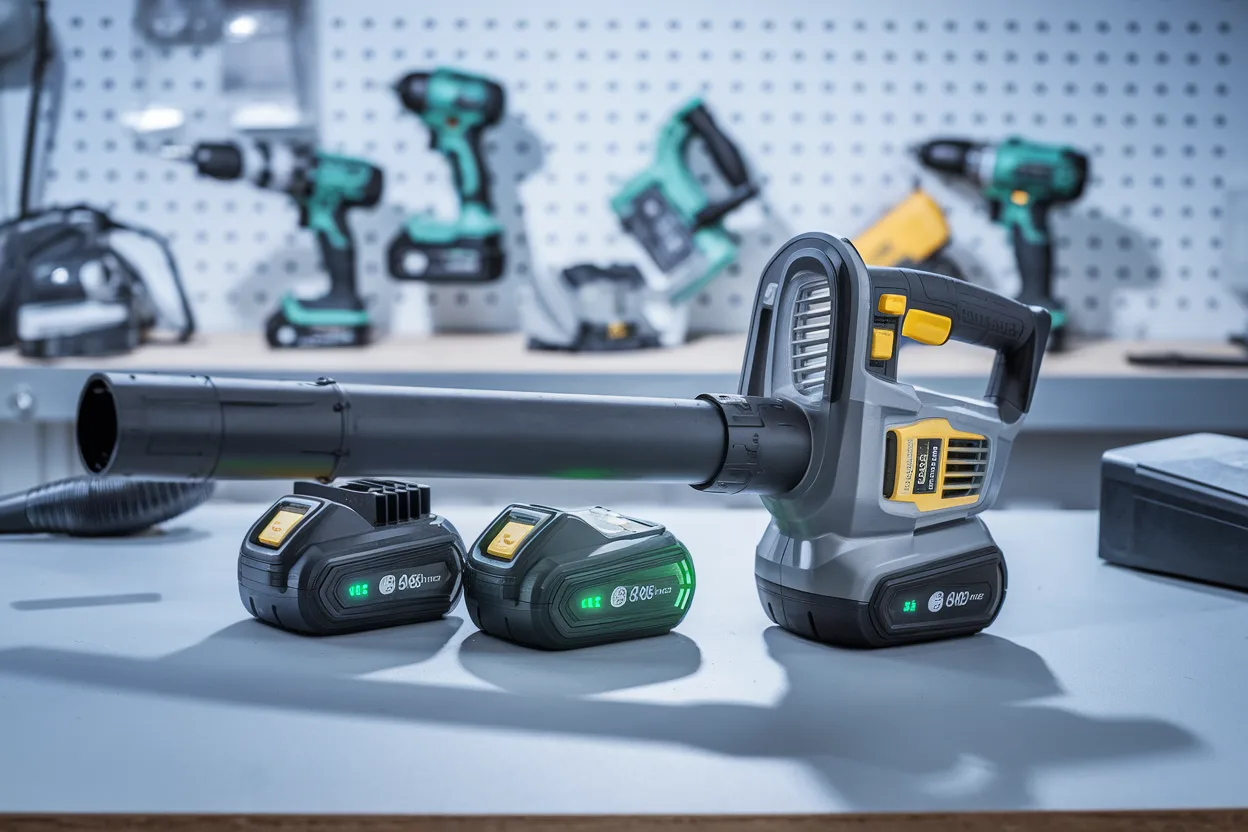
Battery ecosystem thinking
I often draw this simple map for buyers.
| Platform | Future tools |
|---|---|
| 20V | drills, saws, garden tools |
| 40V | high power garden tools |
The platform decision decides the expansion path.
Supply chain efficiency
Factories also benefit from platform thinking.
| Advantage | Impact |
|---|---|
| Shared battery | Lower production cost |
| Shared charger | Simpler logistics |
| Shared packaging | Better brand consistency |
When a brand builds one platform, operations become easier.
Long term brand value
Brands grow stronger when customers stay in the ecosystem.
| Customer action | Result |
|---|---|
| Buy second tool | Higher loyalty |
| Buy extra battery | Higher revenue |
| Recommend system | Brand growth |
A good platform creates repeat customers.
How many blower models should you launch first?
Many buyers want many models immediately. I usually advise them to start smaller.
Most new cordless tool brands should launch one or two blower models first. This keeps inventory simple and allows faster market testing.
The risk of too many SKUs
Too many models create operational problems.
| Problem | Result |
|---|---|
| More molds | Higher cost |
| More spare parts | Complex service |
| Inventory pressure | Cash flow risk |
Simple product lines reduce risk.
Typical starter lineup
Many successful brands begin with a simple structure.
| Model | Purpose |
|---|---|
| Standard blower | Core model |
| Brushless blower | Premium option |
This covers two price levels.
Retailers understand this structure easily.
Real example from my experience
One distributor from Southern Europe once planned five blower models.
I suggested starting with two.
They launched:
| Model | Platform |
|---|---|
| Entry blower | 20V |
| Brushless blower | 20V |
After one year, they added more tools.
The battery platform already had customers.
Conclusion
When buyers plan their first cordless blower line, voltage is only one part of the decision. Battery platform planning matters more. A clear platform strategy reduces risk and makes future tool expansion much easier.
-
Explore the advantages of cordless garden tools for convenience and efficiency in gardening. ↩
-
Understand the key differences between 20V and 40V tools to make informed purchasing decisions. ↩
-
Learn how selecting the right battery platform can impact your tool range and brand strategy. ↩
-
Explore the concept of a battery ecosystem and its importance for long-term brand success. ↩