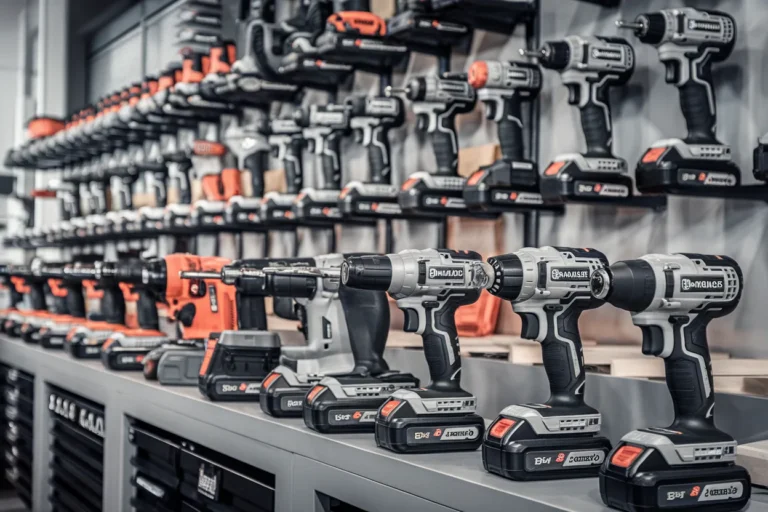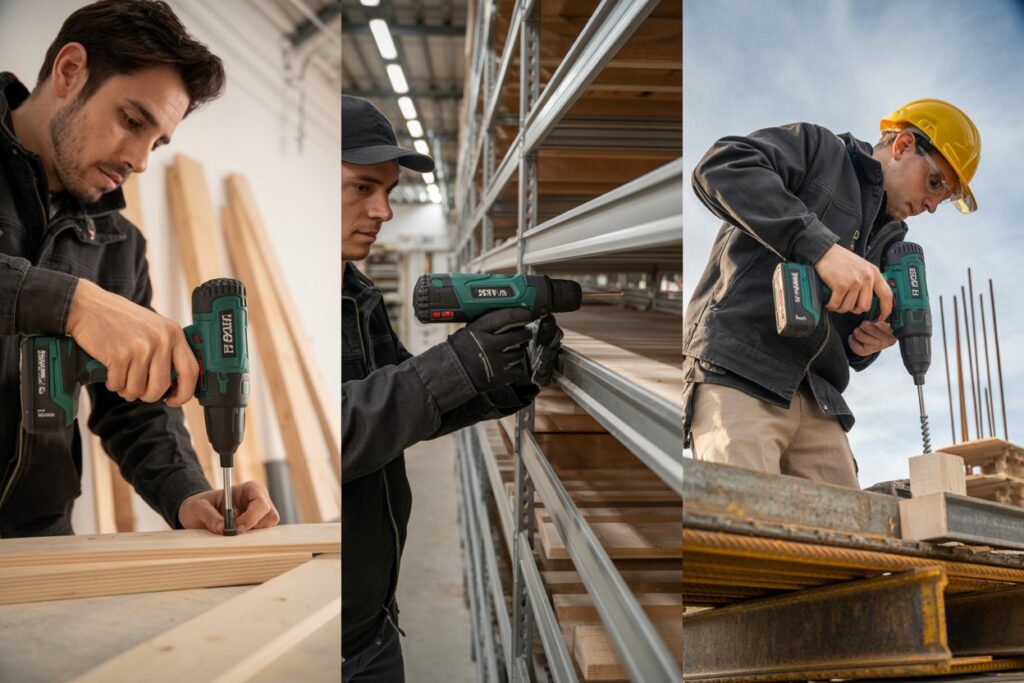
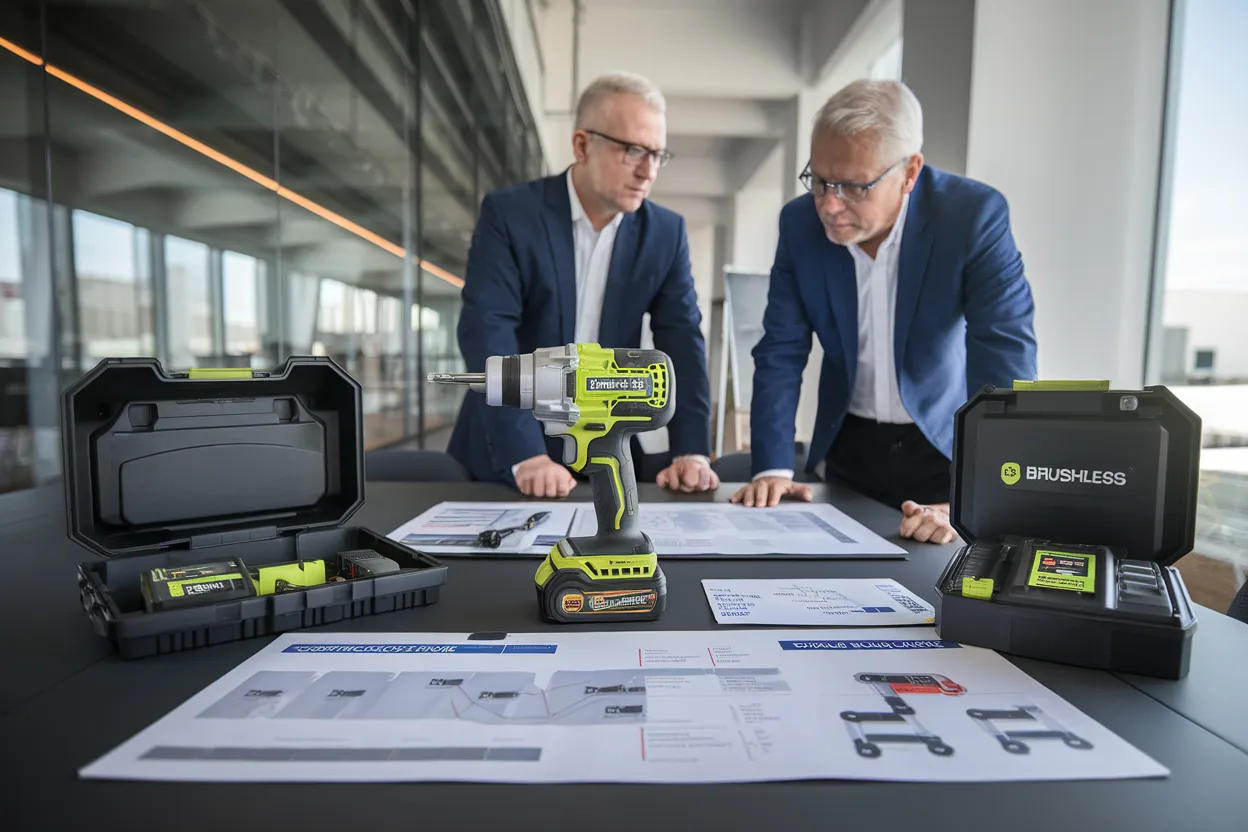
Many buyers think a brushless label means the tool is already good enough. I have seen that mistake many times. It often leads to weak performance, unstable quality, and expensive after-sales problems.
A brushless motor matters, but it is only one part of the system. In cordless tools, the battery pack and controller often decide real power, runtime, heat, safety, and long-term reliability more than the motor label alone.
I have worked with many buyers in Italy, Spain, Germany, and other export markets who wanted to enter cordless tools fast. Most of them first asked me, "Is this model brushless?" Very few asked about cell discharge rate1, BMS logic2, or controller tuning3. That is where many product decisions go wrong. If I only compare motor type, I miss the real reason why one tool sells well and another one creates complaints.
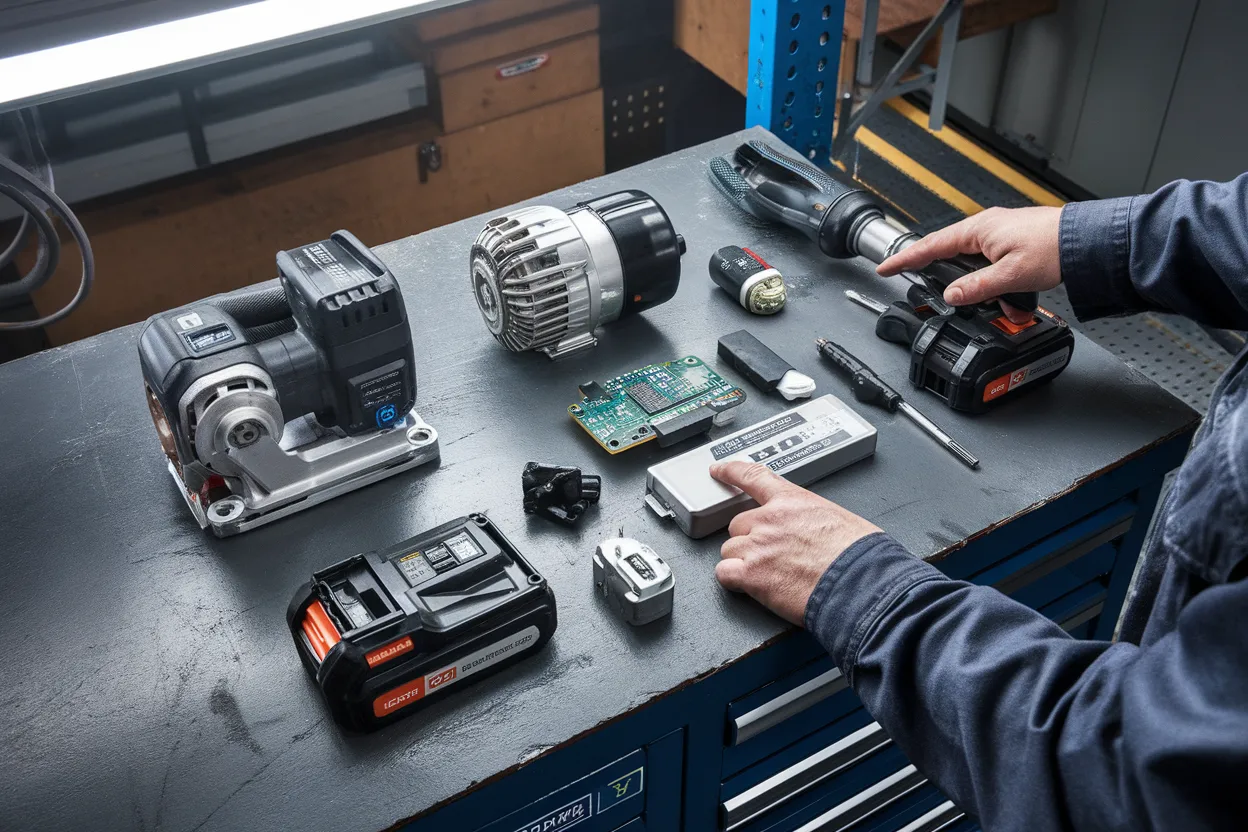
Why isn’t a brushless motor enough by itself?
Many buyers stop at the motor label. I understand why. Brushless sounds advanced. But I have seen many brushless tools fail in real work because the rest of the system was weak.
A brushless motor is only the actuator. It cannot deliver stable torque, clean speed control, or safe runtime by itself. The battery pack and controller decide how well that motor actually works under load.
The motor is only one part of a power chain
When I explain this to new buyers, I usually draw a simple chain:
Battery cells -> BMS/protection -> controller -> motor -> gearbox -> output
If one link is weak, the whole tool feels weak.
A brushless motor4 can be efficient. It can also last longer. But it still depends on how much current the battery can release, how the controller sends power, and how the load is managed. If the controller is too conservative, the tool feels soft. If the battery sags under load, the motor cannot hold torque. If the BMS cuts too early, runtime becomes short even if the motor is good.
I have seen importers compare two 21V brushless drills and ask why one feels stronger. In many cases, the motor is not the main answer. The real answer is system design.
| Tool Part | What Many Buyers Think | What I Usually Check First |
|---|---|---|
| Brushless motor | Main quality signal | Only one core component |
| Battery cells | Just capacity label | Discharge rate, consistency, heat behavior |
| Controller | Hidden electronics | Torque curve, soft start, protection logic |
| BMS | Basic safety board | Cutoff threshold, current release, balance |
| Gearbox | Standard mechanical part | Efficiency, durability, torque transfer |
Why the brushless label can be misleading
In many OEM and ODM projects, I see "brushless" used as a sales shortcut. It is easy to print on the color box. It is easy to use in online listings. But brushless does not tell me:
- What MOSFET grade is used in the controller
- What current peak the pack can really support
- Whether the controller is tuned for torque or smoothness
- Whether the tool is built for intermittent DIY use or heavy duty work
- Whether the battery platform is shared across the product line
This matters a lot for European buyers. A retailer in Spain may get returns because a brushless angle grinder stalls under hard cutting. A distributor in Germany may see customer complaints because a brushless chainsaw overheats too fast. A private label buyer in Italy may think the issue is the motor. I often find the real issue in the battery pack5 or the controller logic.
What I tell first-time cordless buyers
If a buyer is entering cordless tools from hardware, garden, or industrial distribution, I usually tell them one simple thing: do not buy the word "brushless." Buy the full system.
That changes the conversation from marketing to engineering and from surface comparison to risk control. That is how I reduce mistakes before mass production, especially when the buyer is still testing market demand and wants lower uncertainty.
How does the battery pack affect cordless tool performance more than most buyers realize?
Many buyers focus on voltage and amp-hours because those are visible. I understand that. But those numbers alone do not tell me how the tool will behave under real work.
The battery pack affects power delivery, voltage stability, heat, runtime, safety, and cycle life. In many cordless tools, the battery pack changes real performance more than the brushless motor itself.
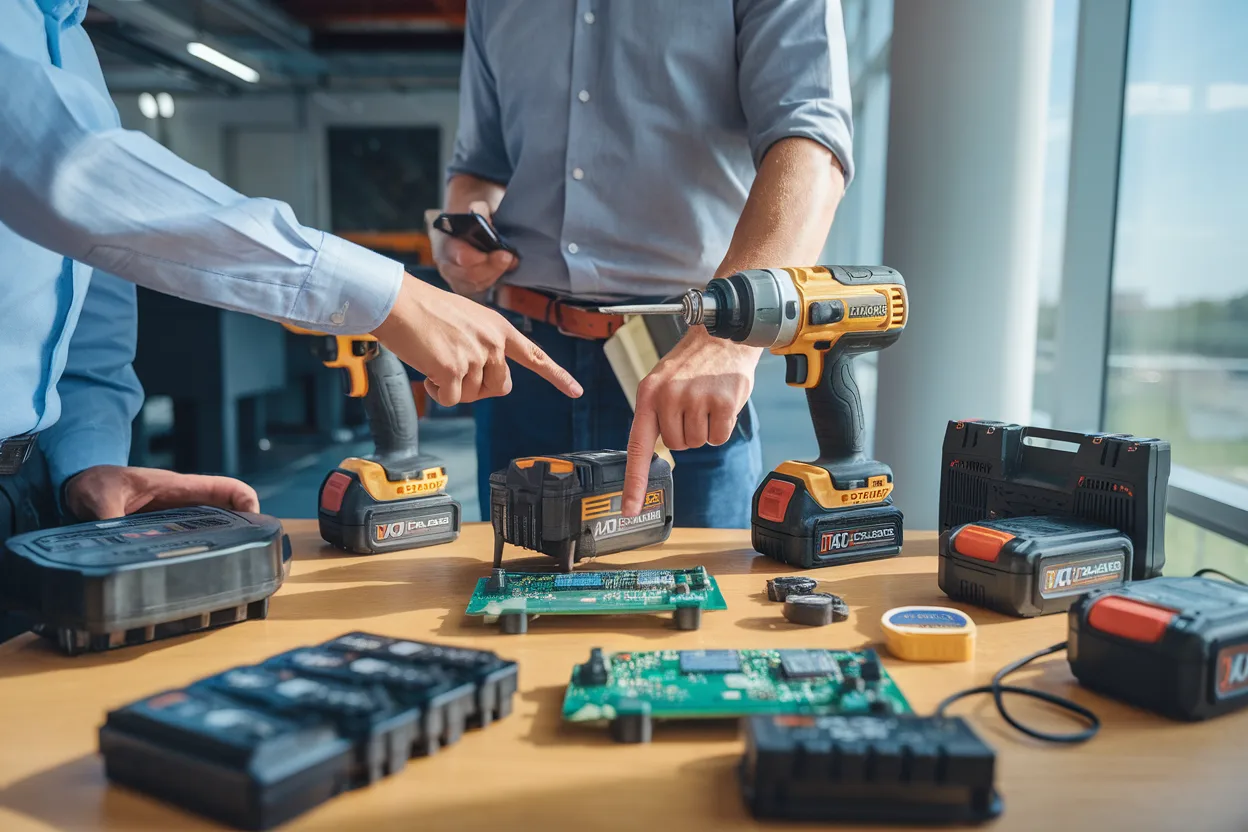
Voltage label is not the full story
A 21V label does not mean two tools perform the same. I have seen many buyers assume that if both tools are 21V brushless, the stronger one should only have a better motor. That is often wrong.
I care about:
- Cell type
- Cell quantity and arrangement
- Continuous discharge current
- Peak discharge current
- Internal resistance
- Temperature rise
- BMS cutoff strategy
- Nickel strip quality
- Connector resistance
A pack with weak cells may show the right voltage at rest. Under load, it drops fast. The motor then gets less usable power. The user feels this as bogging, stalling, weak startup, or unstable cutting speed.
| Battery Factor | What It Changes | What Buyers Often Miss |
|---|---|---|
| Cell discharge rate | Peak torque and load response | Ah is not enough |
| Internal resistance | Voltage sag under load | Tool feels weak during hard work |
| BMS cutoff setting | Whether tool stops early | Short runtime complaints |
| Thermal behavior | Heat and protection trips | Good on demo, bad in real use |
| Cell consistency | Pack life and stability | Early failure in batch sales |
High load tools expose weak battery packs fast
In my experience, some tools hide battery weakness better than others. A screwdriver or light drill may still feel acceptable. But high load tools expose the truth fast.
For example:
- Cordless chainsaw
- Angle grinder
- Rotary hammer
- Impact wrench
- Hedge trimmer in thick branches
- High-torque pruning shear
- Circular saw
I once discussed a brushless chainsaw project with a buyer who only wanted the lowest battery cost. On paper, the tool still looked good. During short demo cuts, it was fine. In longer cutting sessions, chain speed dropped, heat rose, and the protection triggered too early. The buyer first blamed the motor. After testing, the pack was the real problem.
Why battery platform matters for OEM and ODM buyers
For private label brands and importers, I do not only think about one tool. I think about the whole line.
If I build a cordless product line around a stable 21V or 40V battery platform, I get:
- Better cross-selling
- Lower accessory confusion
- Easier packaging logic
- Lower spare battery SKU risk
- Better customer retention
- Faster future product expansion
This is especially important in Europe. Buyers in Italy, Spain, and Germany often want a practical path into cordless tools, not a random single-SKU experiment. A strong battery platform reduces risk. It also helps when buyers ask about MOQ, future product expansion, and long-term service.
What does the controller actually do in a brushless cordless tool?
Many buyers cannot see the controller, so they ignore it. I understand that. But in a brushless tool, the controller is often the "brain" of the entire system.
The controller manages power delivery, speed response, startup behavior, torque feel, heat control, protection logic, and overall tool character. In many cases, it decides whether a brushless tool feels professional or disappointing.
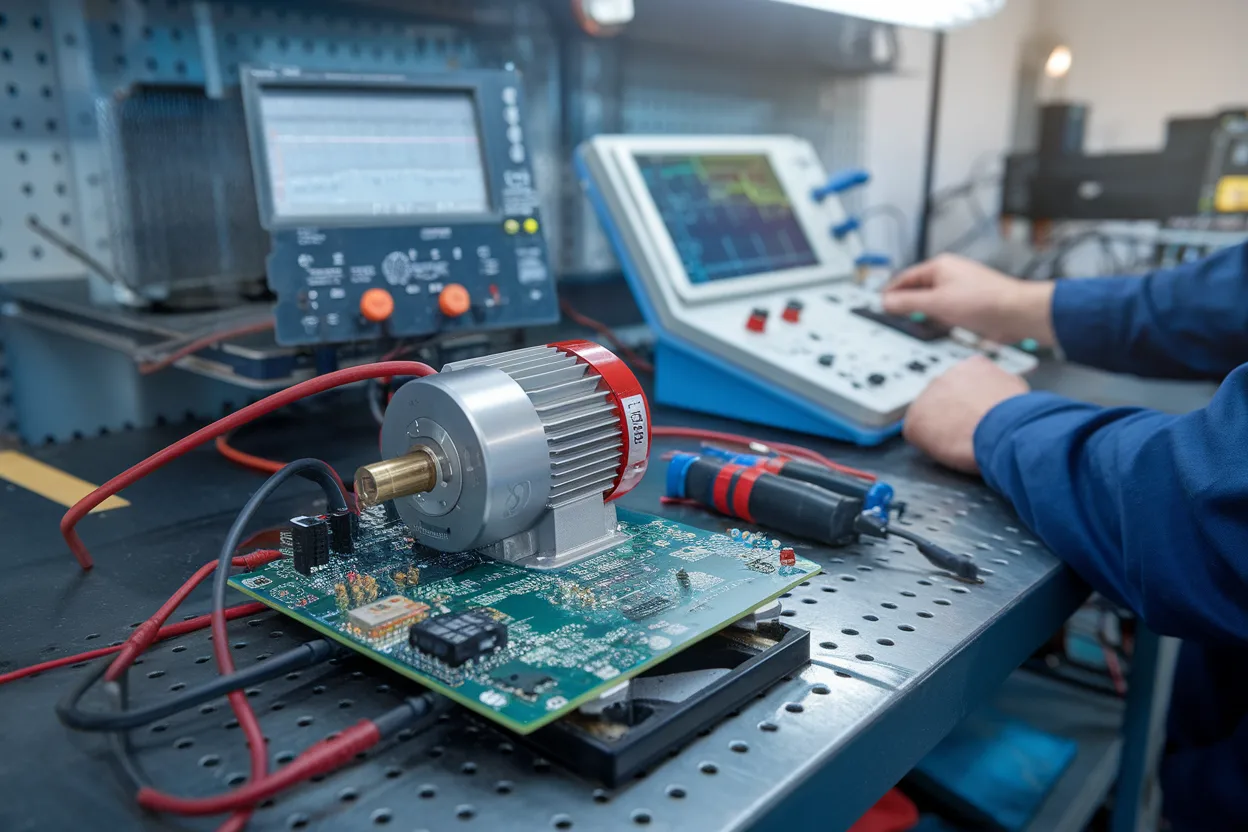
The controller makes a brushless motor usable
A brushed motor can run with simple direct power control. A brushless motor cannot. It needs electronic commutation. That means the controller must tell the motor when and how to energize the phases.
This directly affects:
- Startup smoothness
- Trigger response
- Torque rise
- RPM stability
- Stall recovery
- Current draw
- Heat buildup
- Battery drain
That is why I always say the controller is not a small detail. It is the operating logic of the tool.
| Controller Function | What User Feels | Common Risk if Weak |
|---|---|---|
| Commutation timing | Smoothness and efficiency | Rough feel, low efficiency |
| Current control | Torque delivery | Weak output or overheating |
| Trigger mapping | Fine speed control | Jerky or delayed response |
| Protection logic | Safety and durability | Early cut-off or damage risk |
| Thermal strategy | Stable heavy use | Power fade during work |
Controller tuning changes product positioning
This is something many new brands do not realize.
The same motor can feel different with different controller tuning.
If I tune for:
- Fast aggressive startup, the tool feels powerful
- Softer startup, the tool feels refined and safer
- Higher current release, the tool cuts harder but runs hotter
- Lower current release, the tool lasts longer but may feel weak
- Higher speed holding, the tool feels premium in demanding cuts
- Conservative protection, the tool survives abuse but may trigger complaints
This matters a lot in OEM and ODM work. A buyer who sells to professional users in Germany may need a different feel from a buyer who targets DIY retail in Spain. If I use the same brushless label for both, I miss the real product strategy.
Why I ask about use case before I quote
When buyers ask me for a price first, I often ask back:
- Who is the end user?
- What material will they cut, drill, or fasten?
- How long is one typical work cycle?
- Are you selling online or through distribution?
- Do you need a premium feel or entry-level value?
I ask these because controller design should match the market, not just the spec sheet.
That is how I avoid the classic mistake: a tool that looks competitive in catalog specs but creates returns after launch.
Why can two brushless tools with the same voltage feel completely different?
This confuses many buyers. They see the same voltage, same brushless claim, and sometimes even similar RPM. Then one tool feels strong and one feels disappointing.
Two brushless tools with the same voltage can feel completely different because of battery discharge ability, controller tuning, gearbox efficiency, current limits, thermal design, and load strategy. Voltage alone does not predict real-world performance.
Voltage is only a headline number
I treat voltage as a category marker, not a full performance answer.
For example, two 21V brushless drills may both show:
- 0 to 450 / 0 to 1800 RPM
- 13 mm chuck
- 2-speed gearbox
- Brushless motor
- 2.0Ah battery
Still, one may feel:
- Faster under load
- More stable in masonry or hardwood
- Less hot after repeated use
- More responsive at trigger pull
- Better at holding speed during long drilling
Why? Because the hidden parts are different.
| Visible Spec | What It Tells Me | What It Does Not Tell Me |
|---|---|---|
| 21V | System class | Real current delivery |
| Brushless | Motor type | Controller quality |
| 2.0Ah | Capacity label | Cell output strength |
| RPM | No-load speed | Loaded speed behavior |
| Torque claim | Marketing direction | Test method consistency |
The "feel" comes from system balance
In real use, users do not judge a tool by labels. They judge by feel.
They notice:
- Does it start with confidence?
- Does it slow down too fast?
- Does it vibrate under load?
- Does it stop early?
- Does it get hot in 5 minutes?
- Does it keep cutting cleanly?
- Does the battery drain too fast?
This "feel" is the result of system balance. When I help a new private label buyer build a cordless line, I spend a lot of time here because this is where repeat orders are won or lost.
Why European buyers should test under real load
For buyers in Italy, Spain, and Germany, I always recommend testing beyond tabletop demos.
Good tests include:
- Repeated cutting, not just one short cut
- Hot weather and cold weather checks
- Multiple battery cycles
- Different branch sizes for chainsaws and pruning shears
- Hard material load for grinders and hammers
- Continuous use until thermal behavior appears
Many weak products look acceptable in the first 60 seconds. Real problems appear after 5 to 15 minutes. That is where the battery and controller reveal the truth.
What should tool brands and importers ask before choosing a brushless OEM/ODM product?
Many importers ask only for voltage, motor type, MOQ, and price. Those are valid questions. But they are not enough if I want a stable product line and fewer returns.
Before choosing a brushless OEM or ODM tool, buyers should ask about battery cell quality, controller tuning, BMS logic, protection thresholds, platform compatibility, certifications, load testing, spare parts, and real production consistency.
The questions I wish more buyers asked
When I work with new brands, I prefer when they ask deeper questions. It tells me they want a long-term product, not just a cheap sample.
Here are the questions I recommend:
- What battery cells are used, and what is the continuous discharge rate?
- Is the BMS tuned for high output or conservative protection?
- What controller current limit is set?
- Is the controller tuned for torque, runtime, or smoothness?
- How does the tool perform after repeated heavy load?
- What is the temperature rise during test?
- Can the battery platform support future tools?
- What certifications are available for the target market?
- What is the MOQ by color box, logo, and battery configuration?
- What is the real lead time in peak season?
- What spare parts can be supplied?
| Buyer Question | Why It Matters | Risk if Ignored |
|---|---|---|
| Cell brand and discharge rate | Power and runtime stability | Weak field performance |
| Controller current limit | Torque feel and heat | Soft or unstable tool |
| BMS cut-off logic | Runtime and safety | Early stop complaints |
| Shared battery platform | Product line expansion | Fragmented SKU system |
| CE/EMC/GS/RoHS docs | EU import readiness | Delay, customs risk |
| MOQ and lead time | Launch planning | Margin and stock issues |
What European buyers should check beyond specs
For Europe-focused buyers, I always tell them to think about compliance and channel fit early.
I usually discuss:
- CE
- EMC
- GS when needed
- RoHS
- User manual language
- Label format
- Packaging compliance
- Battery transport requirements
- Replacement battery plan
- After-sales part support
This matters because a good tool can still fail commercially if the import process or retail readiness is weak.
Buyers in Germany often ask for stricter documentation. Buyers in Italy may care more about practical private label packaging speed and launch timing. Buyers in Spain often want balance between price and stable performance. The product decision should reflect that.
What I would never choose by price alone
If I am helping a buyer enter cordless tools, I do not choose these by lowest price only:
- Battery cells
- BMS logic
- Controller board
- MOSFET grade
- Gearbox durability
- Charger quality
These are the parts that often create hidden after-sales costs. A few dollars saved at purchase can become much bigger losses in returns, reputation, and repeat order failure.
Which cordless tools are most affected by battery and controller quality?
Some tools are more forgiving. Others expose weak system design very fast. Buyers need to know which ones carry higher risk.
Battery and controller quality matter most in high-load, high-current, and heat-sensitive cordless tools such as chainsaws, angle grinders, rotary hammers, impact wrenches, hedge trimmers, and high-torque pruning shears.

High current tools show the truth fast
In my factory discussions, these tools usually need the most attention:
- Cordless chainsaw
- Cordless angle grinder
- Cordless rotary hammer
- Cordless impact wrench
- Cordless circular saw
- Cordless reciprocating saw
- Cordless hedge trimmer
- Cordless pruning shear for thick branches
Why? Because they demand fast current release, stable speed under load, and good heat control.
| Tool Type | Why Battery Matters | Why Controller Matters |
|---|---|---|
| Chainsaw | Chain speed drops under load if pack sags | Needs stable torque and overload control |
| Angle grinder | High surge current and heat | Needs safe current and speed stability |
| Rotary hammer | Heavy pulse load | Needs torque management and protection |
| Impact wrench | Peak burst demand | Needs sharp but controlled output |
| Hedge trimmer | Continuous resistance in thick cuts | Needs smooth current delivery |
| Pruning shear | Cutting force consistency | Needs precise actuation timing |
Lower load tools can hide weak design longer
Tools like these may hide system weakness better:
- Cordless screwdriver
- Light-duty drill
- Small blower
- Compact glue gun
- Basic vacuum cleaner
That does not mean the battery and controller do not matter. They still do. It just means the failure is less obvious in short demos.
This is why I often tell new buyers not to judge a platform only by testing the easiest tool in the line. If I want to validate a 21V system, I should test one demanding tool too.
What this means for product line strategy
If I am building a new cordless line for a buyer who is entering from another category, I usually suggest:
- Start with one or two hero tools
- Use a shared battery platform
- Include at least one demanding tool in validation
- Avoid launching too many battery types at once
- Choose tools that show real value, not just low entry price
This is especially useful for buyers who want to reduce uncertainty before scaling. It is not about making the catalog big on day one. It is about making the first launch stable and believable.
How should buyers judge a cordless tool beyond the “brushless” label?
Many buyers want a simple filter. I understand that. But "brushless" is not a full buying standard. It is only a starting point.
Buyers should judge a cordless tool by system performance, battery platform quality, controller tuning, real-load testing, certifications, consistency, spare parts support, and whether the product fits their channel and end-user positioning.
Use a system checklist, not a motor checklist
When I evaluate a cordless tool for OEM or ODM, I use a system view.
My practical checklist includes:
- What is the target user?
- What job is the tool built for?
- How strong is the battery pack under load?
- How is the controller tuned?
- How stable is output after repeated use?
- How hot does it get?
- What is the battery platform roadmap?
- What certifications are ready?
- What is the MOQ for launch?
- What is the lead time for scale?
- What parts can be supplied after sale?
| Evaluation Area | What I Look For | Why It Matters for Buyers |
|---|---|---|
| Real-load performance | Output under repeated work | Reduces false confidence |
| Battery platform | Shared use across tools | Better product line growth |
| Controller tuning | Tool feel and protection | Fewer user complaints |
| Compliance docs | EU market readiness | Smoother import process |
| MOQ and lead time | Launch flexibility | Better cash flow planning |
| Spare parts | Long-term service | Better distributor trust |
Think like a brand owner, not just a buyer
This is the shift I try to help new customers make.
If I only buy a tool, I compare price.
If I build a product line, I compare:
- Return risk
- Market fit
- Platform logic
- Certification readiness
- Packaging flexibility
- Future expansion
- Margin stability
- Service burden
That is why a slightly higher cost tool can be the safer choice. It may protect the brand better. It may also make the second and third SKU much easier to launch.
My rule for new cordless entrants
If a buyer is entering cordless tools from another category, my advice is simple:
Do not ask only, "Is it brushless?"
Ask:
- How does it behave under load?
- What battery system supports it?
- What controller logic shapes the output?
- Can this platform grow into a real line?
- Can my customers trust it after six months, not just after one demo?
That is the difference between buying a sample and building a business.
Conclusion
When I look at a cordless tool, I never stop at the brushless label. I look at the whole system because the market will judge the whole system. A strong motor can help, but it cannot fix a weak battery pack, a poorly tuned controller, or a platform with no long-term logic. I have seen many buyers in Europe and other export markets lose time because they focused on the visible spec and ignored the hidden parts that actually shape user experience. If you are entering cordless tools, especially as a private label brand, importer, or distributor, I believe the safest path is not to chase the cheapest brushless claim. I would test real load, ask better technical questions, and choose a manufacturer that can explain the battery platform, controller behavior, compliance documents, MOQ, and lead time in a clear way. That is usually where better product decisions begin.
-
Discover the significance of cell discharge rates for optimal tool performance and longevity. ↩
-
Understanding BMS logic can help you choose tools with better safety and performance features. ↩
-
Learn about controller tuning to understand how it impacts tool performance and user experience. ↩
-
Understanding the benefits of brushless motors can help you make informed decisions when purchasing tools. ↩
-
Explore how battery packs influence power delivery and runtime in cordless tools for better performance. ↩