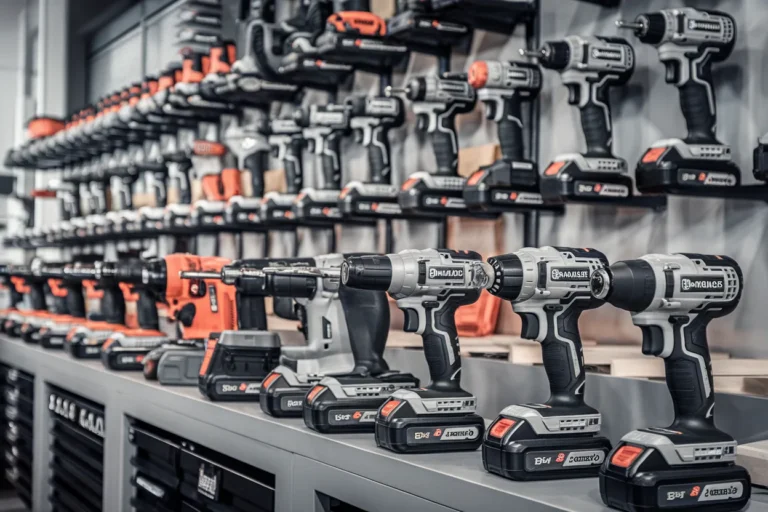
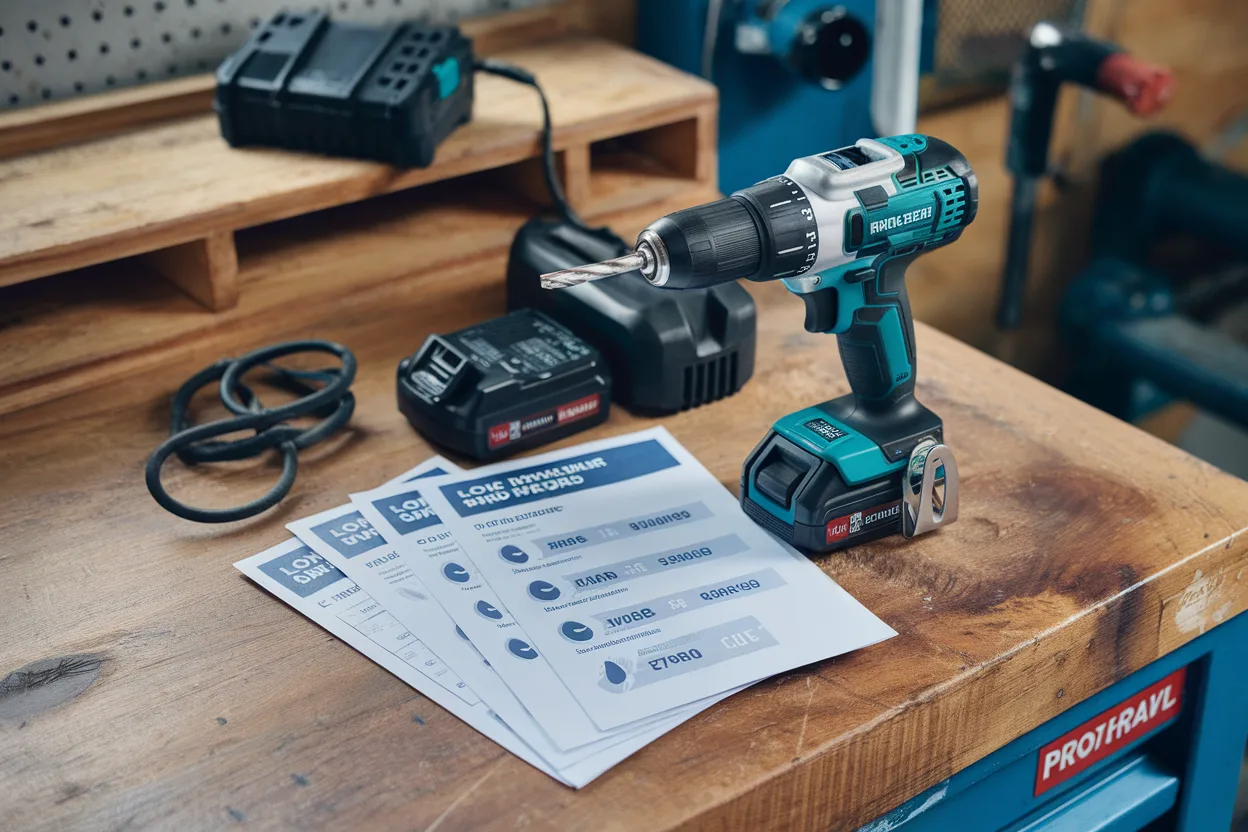
Many buyers enter the cordless drill market with one thought: price is king. They often overlook how motor type1 affects battery life2, durability, and tool performance.
Brushless drills cost more upfront but save money through longer lifespan, better efficiency, and less maintenance. Choosing brushless can improve both work quality and total cost over time.
I have seen many first-time buyers hesitate when they see brushless drills priced higher. From my years at YOUWE, I know the decision is not just about price. It’s about understanding long-term value, usage scenarios, and your clients’ expectations. Let’s dive into what really matters.
How brushless drills save money in the long run?
Many buyers focus on the upfront price and ignore maintenance and battery costs. Brushless drills3 change this math completely.
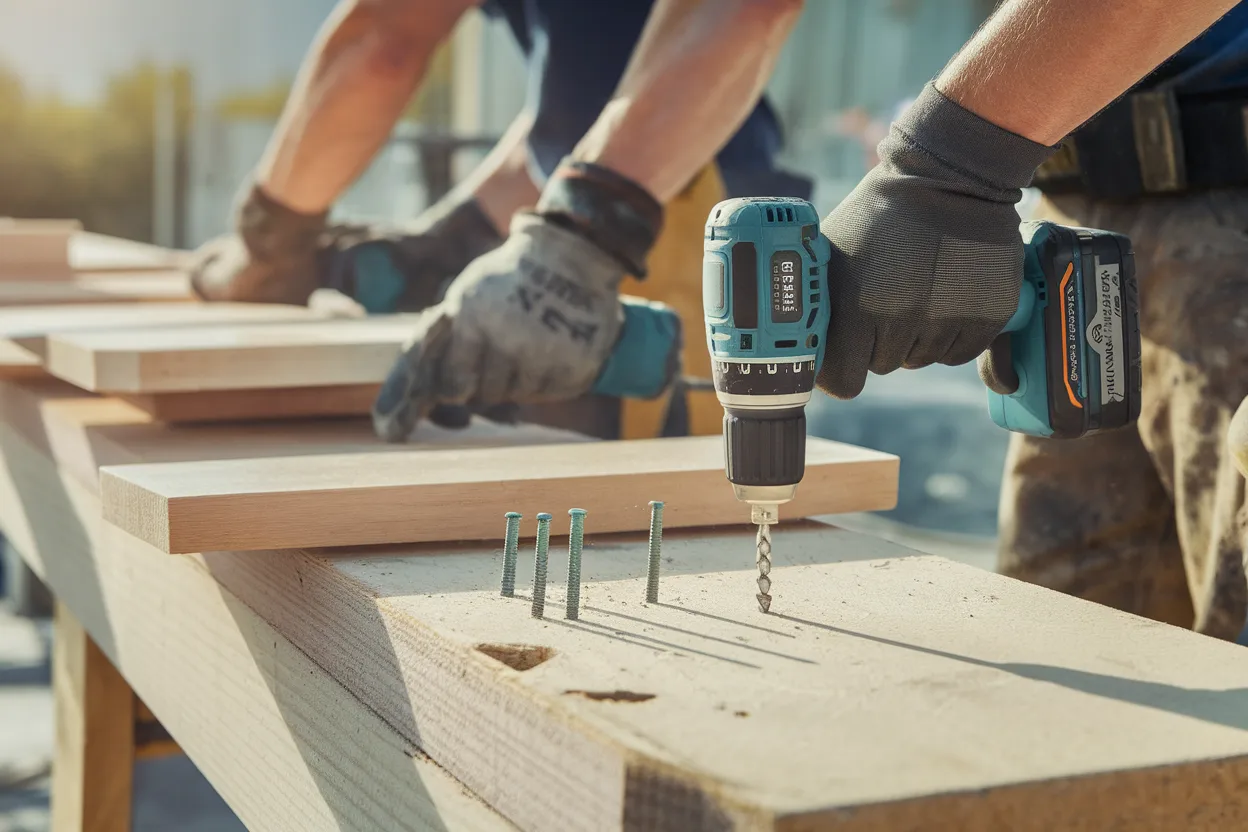
Brushless motors reduce energy waste and need less maintenance, saving you money over the tool's life.
Energy Efficiency
Brushless motors have no brushes that create friction. Less friction means less energy lost. The battery lasts longer per charge. On long job sites, this reduces downtime and costs for extra batteries.
Maintenance Costs
Traditional brushed drills require brush replacement after some use. Brushless drills avoid this. Over a year, this can save dozens of dollars per drill.
Tool Longevity
Fewer moving parts mean less wear. Brushless drills often last twice as long as brushed ones. For distributors or OEMs, this reduces warranty claims and replacement orders.
| Cost Aspect | Brushed Drill | Brushless Drill |
|---|---|---|
| Initial Price | $50-$80 | $90-$150 |
| Annual Maintenance | $10-$20 | $0 |
| Battery Replacement | 1-2 times/year | Less frequent |
| Expected Lifespan | 2-3 years | 4-5 years |
From my experience working with European buyers, these savings become very noticeable in bulk purchases. Energy savings, fewer replacements, and less downtime justify the higher price.
When brushless drills are especially valuable?
Some applications make brushless motors clearly worth the cost. High-demand environments show the benefits fast.
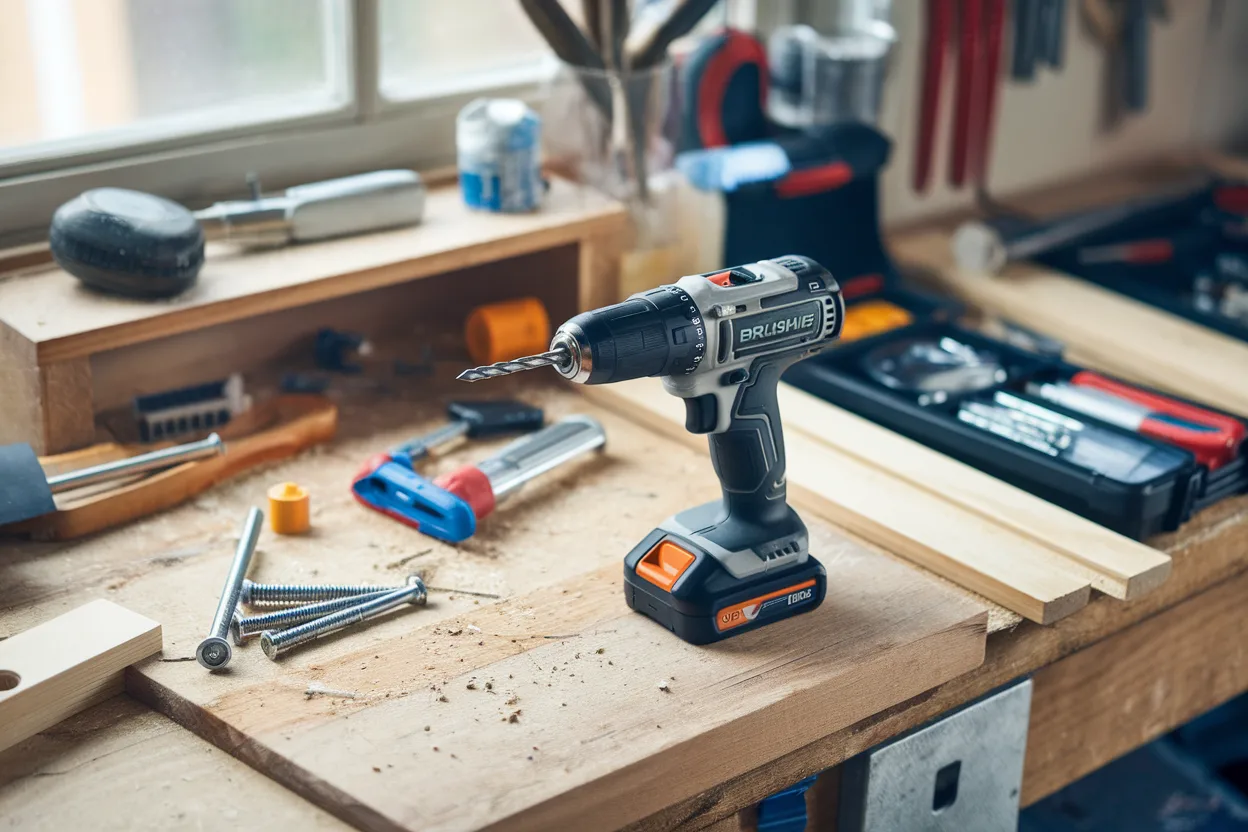
Brushless drills excel in heavy-duty, frequent use, and professional scenarios. They keep jobs smooth and reliable.
Continuous Use Jobs
If a tool runs several hours a day, heat build-up matters. Brushless motors run cooler. This prevents motor burnout and improves user comfort.
Professional Settings
For construction, industrial, or European import clients, brushless drills provide consistent torque and speed. They reduce complaints from end-users and distributors.
Battery Platform Integration
Brushless drills often integrate with multi-tool battery platforms (21V/40V). For OEM brands, this means fewer batteries, easier inventory management, and a professional brand image.
| Scenario | Benefit of Brushless |
|---|---|
| Construction site | Long runtime and less heat |
| OEM brand line | Easier battery sharing |
| Industrial user | High torque consistency |
From working with importers in Italy and Germany, I saw brushless tools increase customer satisfaction and reduce returns.
When brushed drills might still make sense?
Not every buyer needs a brushless drill. Some situations justify choosing the lower-cost option.
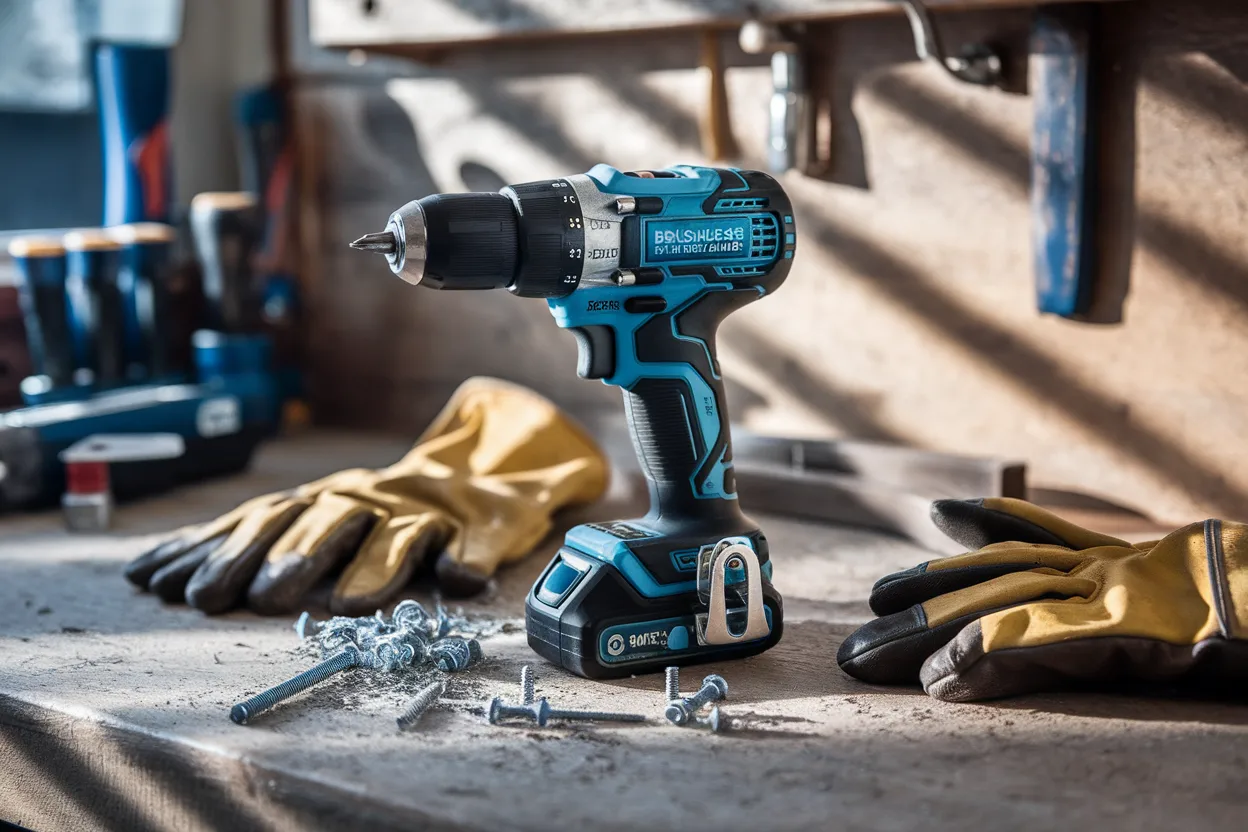
Brushed drills remain viable for occasional use, light DIY, and low-frequency applications.
Light Duty Jobs
For homeowners or small-scale tasks, a brushed drill performs well enough. The initial savings may outweigh long-term benefits.
Lower Budget Projects
If a project or client prioritizes upfront cost and won’t demand heavy usage, brushed drills keep costs low while delivering adequate performance.
Simpler Maintenance
Brushed motors are easier to repair locally. For small distributors without specialized support, this can be convenient.
| Situation | Brushed Drill Advantage |
|---|---|
| DIY homeowner | Low initial cost |
| Light workshop | Easy maintenance |
| Small import orders | Less upfront investment |
In my discussions with European importers, they sometimes choose brushed drills for test markets before investing in a full brushless line.
Factors to consider before spending extra on a brushless drill?
Buying decisions should consider more than motor type. Factors like cost, usage, certification, and client needs matter.
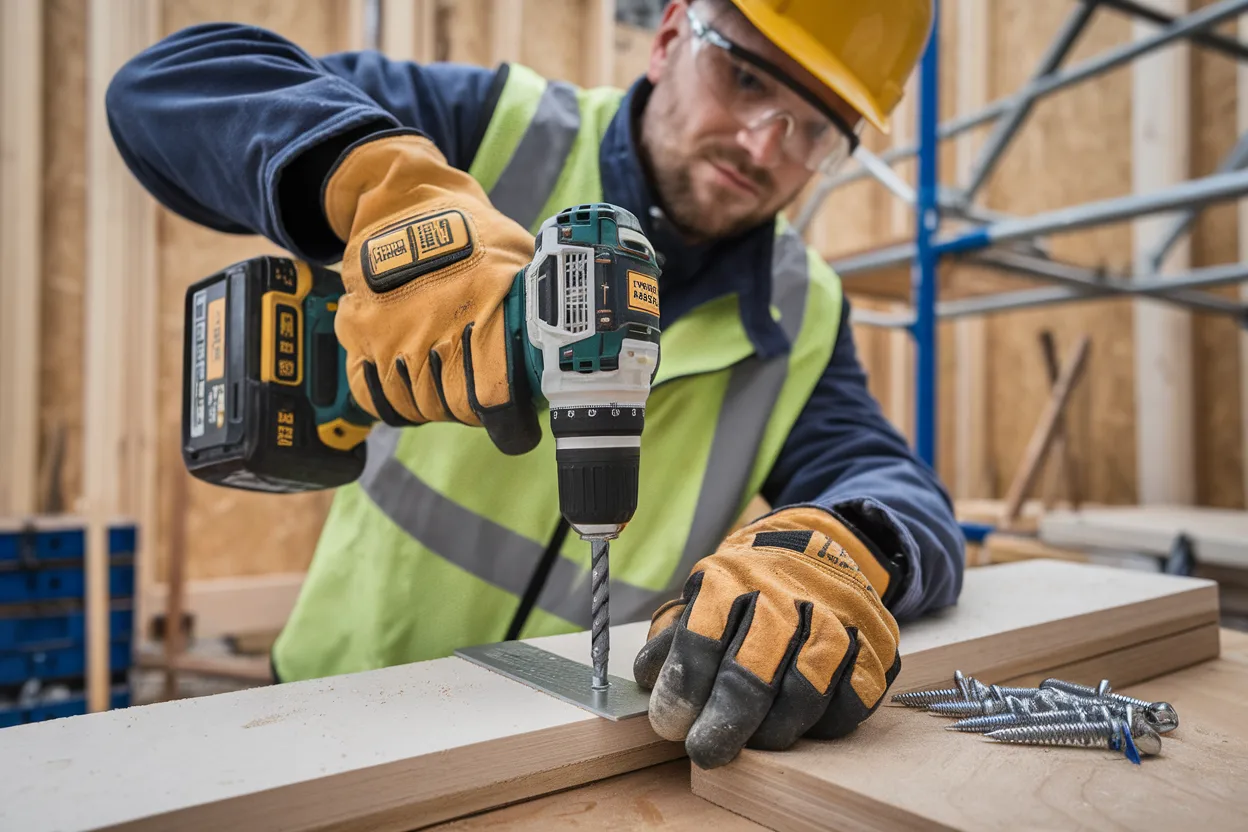
Brushless drills are worth it if your business needs longevity, professional performance, and integrated battery platforms.
Cost vs. Lifetime Value
I always advise buyers to calculate total cost of ownership4. Upfront cost is higher, but lifespan, fewer replacements, and battery savings matter more.
Certification & Compliance
For European markets, CE, GS, and EMC compliance5 is critical. Brushless drills are often already designed with better compliance support.
Supply Chain & OEM Planning
If you plan private label products6, brushless drills allow integration with multi-tool batteries, unified packaging, and less inventory hassle.
| Factor | Consideration |
|---|---|
| Price | Calculate long-term savings |
| Usage | Heavy vs light duty |
| Compliance | CE/GS/EMC certification |
| Battery System | Multi-tool platform compatibility |
| Maintenance | Reduced replacement needs |
From my experience at YOUWE, I help European buyers analyze these factors. It makes the investment safer and more predictable.
Conclusion
Brushless drills cost more but save money, reduce maintenance, and improve performance for professional users. Smart buyers see value beyond the sticker price. Contact me to plan your next OEM line.
-
Understanding motor types can help you choose the right drill for your needs and maximize performance. ↩
-
Learn how to extend battery life and improve tool efficiency with the right choices. ↩
-
Explore the advantages of brushless drills, including efficiency and longevity, to make an informed purchase. ↩
-
Calculating total cost of ownership helps you make smarter purchasing decisions. ↩
-
Learn about important certifications that ensure safety and quality in power tools. ↩
-
Explore strategies for planning private label products to enhance your brand's offerings. ↩