When I first switched from gas tools to battery-powered blowers, I honestly wasn’t sure if they could keep up. But over the years, after testing them in my own yard and during factory trials at YOUWE, I’ve learned they’re far more capable than most people think.
Battery-powered blowers are worth it if you want low maintenance, quieter operation, and enough power for most daily cleanup tasks. They’re easier to handle, start instantly, and work well for homeowners and professionals who don’t need extreme heavy-duty runtime.
If you’ve ever felt frustrated by noisy engines, fumes, or tools that won’t start when you need them, you’re not alone. Many of my European customers tell me they made the switch simply because they wanted something easier—and battery blowers quietly checked all the boxes.
Are battery-powered blowers any good?
Before I tried battery blowers myself, I thought they were “weaker versions” of gas tools. But once I used them daily in the workshop—testing airflow, runtime1, and durability—I realized they handle 80% of common tasks perfectly.
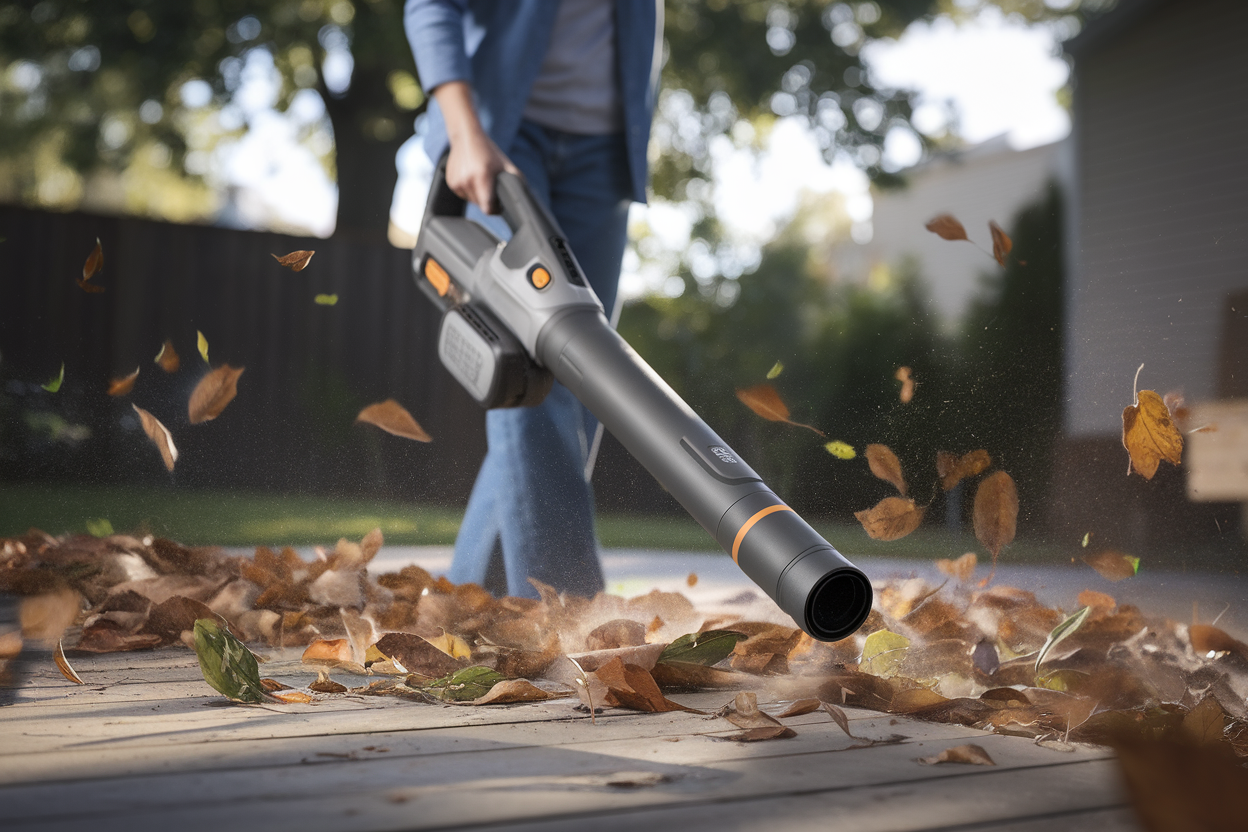
Battery blowers are good for everyday jobs like clearing leaves, dust, and sidewalks. They provide steady airflow, low noise, and zero maintenance. They work well for small to medium areas and deliver enough power for most professional and home tasks without relying on fuel.
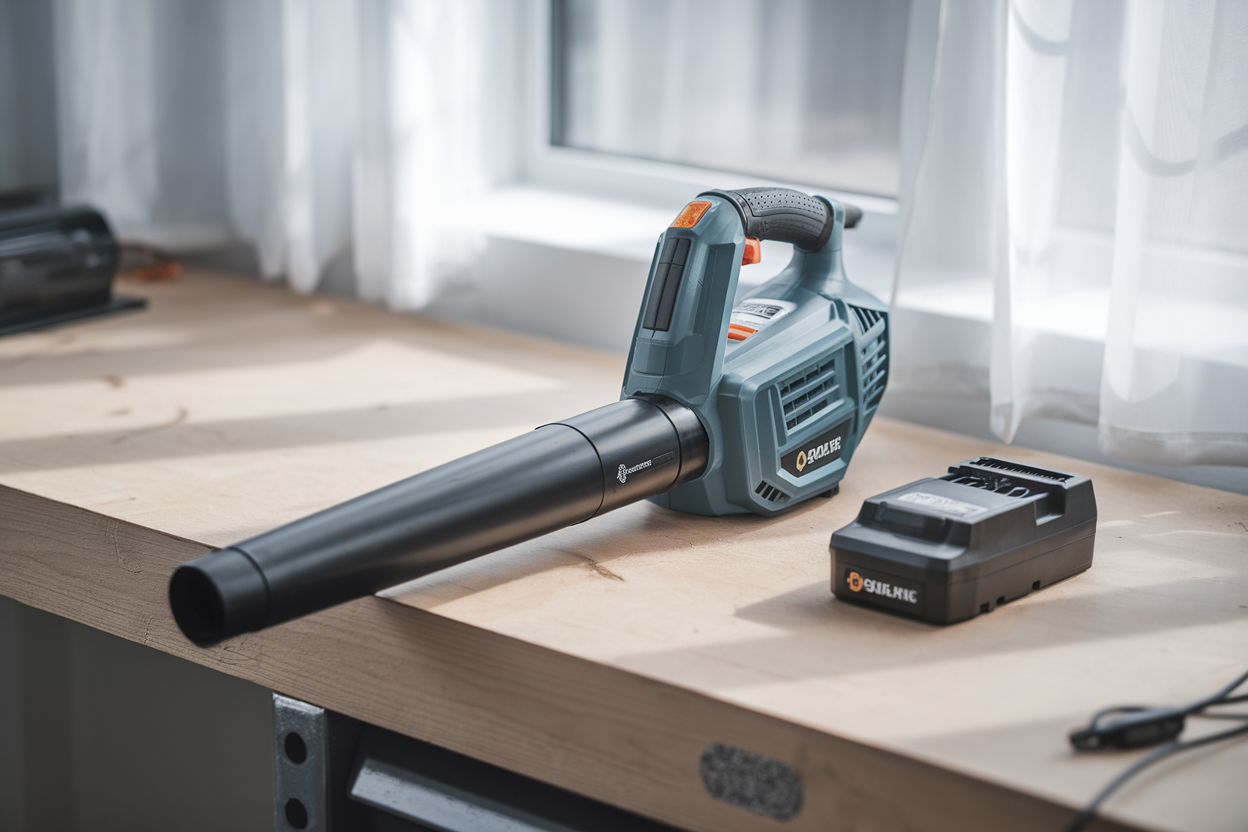
When I test tools at the YOUWE factory, I pay attention to two things: feel and flow. How a tool feels in your hands tells you more than any specification sheet ever will. A good battery blower should feel light enough to use one-handed but strong enough that you feel that rush of air pushing forward.
Battery blowers shine because they don’t make your day harder. No mixing fuel. No stubborn pull-starts. No burning smell on your clothes. I can grab one, press a button, and be cleaning in seconds. For many of our European buyers, that simplicity is the real value—not just the performance numbers.
What They Handle Well
| Task | Battery Blower Performance |
|---|---|
| Dry leaves | Very good |
| Garage/warehouse dust | Excellent |
| Light debris | Excellent |
| Wet leaves | Moderate |
| Large heavy piles | Limited |
I once had a buyer from Italy tell me, “I used to spend more time starting my blower than actually cleaning.” He laughed—but it was true. After switching to a battery model, he cut his cleanup time almost in half simply because the machine never fights him.
If you’re handling seasonal cleaning, regular yard work, or light commercial use, a battery blower fits perfectly. Gas still wins for extreme workloads, but honestly, most people don’t need that level of power every day.
How long do battery-powered blowers last?
Runtime is always the first thing buyers ask me about at tradeshows. And I get it—you don’t want a blower that quits halfway through the job.
Battery blowers typically run 20–60 minutes per charge depending on speed settings, battery size, and workload. Most use lithium-ion batteries designed to last 300–500 charge cycles, which usually means several years of use under normal conditions.
There’s a simple formula I use when explaining battery life to new customers: heavy air = heavy drain. If you push a blower at full speed all the time, of course the battery drops faster. But when you adjust the speed as you work—like I do during testing—you get much better runtime.
What Affects Runtime?
- Battery voltage (higher voltage = more power + more consumption)
- Amp-hour rating (Ah = how big the “fuel tank” is)
- Speed level (Turbo mode drains batteries fast)
- Debris type (wet leaves require more power)
- Ambient temperature (cold reduces performance slightly)
Here’s a quick reference table I use with buyers:
| Battery | Light Use | Medium Use | Heavy Use |
|---|---|---|---|
| 2.0Ah | 20–25 min | 15–20 min | 10–12 min |
| 4.0Ah | 40–50 min | 30–40 min | 20–25 min |
| 6.0Ah | 60–70 min | 45–55 min | 30–35 min |
Over the years, our YOUWE team has seen that a good lithium battery usually lasts 2–4 years with normal use. I had one customer in Poland who used his blower almost daily for workshop dust cleanup and still got 3 years out of his original pack. Consistent charging habits make a huge difference.
And if you’re like me—always juggling tools—having two batteries is a lifesaver. One on the tool, one on the charger. Simple.
Is a higher CFM or MPH better for a leaf blower?
I remember standing in the production line years ago asking this exact question. The engineers laughed—they said, “Robert, stop trying to choose one. You need both.” And they were right.
CFM measures how much air the blower moves, while MPH measures how fast the air comes out. Higher CFM is better for moving large amounts of leaves, while higher MPH improves lifting power. A good blower balances both for strong, efficient performance.
Think of CFM2 as the “push” and MPH3 as the “speed.” If you only focus on one number, you’ll misunderstand how the tool actually performs.
- High CFM feels like a strong, wide push—great for big piles.
- High MPH feels like a sharp, fast air stream—great for stuck debris.
Together? That’s where the magic happens.
At YOUWE, our engineers often tweak internal tube design or impeller angles to hit that sweet spot. One small adjustment can shift the airflow by 10% or more. I’ve watched our prototypes send piles of wet leaves sliding across concrete like they were nothing—simply because we found the right airflow balance.
Here’s a simple breakdown:
| Scenario | What Matters More |
|---|---|
| Large leaf piles | Higher CFM |
| Wet or stuck leaves | Higher MPH |
| Long-distance blowing | Higher MPH |
| Wide-area cleanup | Higher CFM |
If you’re buying for resale, this is something your customers will ask about. And when you explain it clearly, they instantly trust you more. Because once they understand CFM vs MPH, they understand the blower.
Conclusion
Battery-powered blowers are easy to use, low-stress tools that cover most daily cleanup needs. With balanced airflow, solid runtime, and no fuel hassles, they offer a practical and comfortable experience for both homeowners and professionals.