Battery-operated chainsaws1 are changing how we work outdoors. But are they truly worth the switch from traditional gas models? Let’s break it down honestly—from power to convenience, and from real-life performance to cost over time.
Battery-operated chainsaws are worth it for users who value convenience, low maintenance, and quieter operation. They’re ideal for light to medium cutting tasks, though not always suitable for large or continuous commercial work.
When I first tried one, I didn’t expect much. But it surprised me—quick start, no fumes, and much lighter on my arms. Still, there’s a balance to consider. Let’s explore where cordless chainsaws2 truly shine and where they might not meet expectations.
How big of a tree can you cut with a cordless chainsaw?
A cordless chainsaw can handle surprisingly thick logs, depending on voltage, bar length, and battery quality.
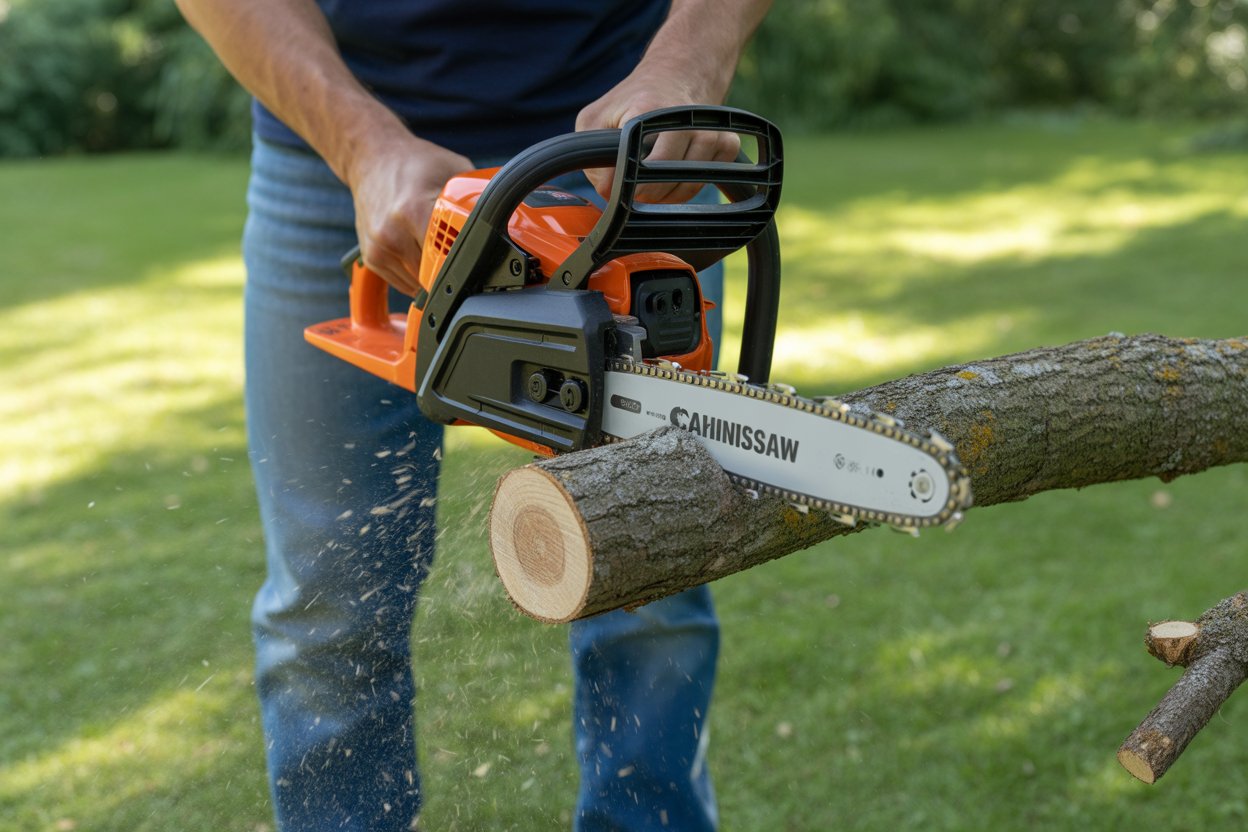
Most cordless chainsaws can cut trees up to 10–14 inches in diameter. High-voltage models (like 40V–60V) with 16–18-inch bars can manage trees around 16 inches, though cutting speed slows as the wood gets denser.
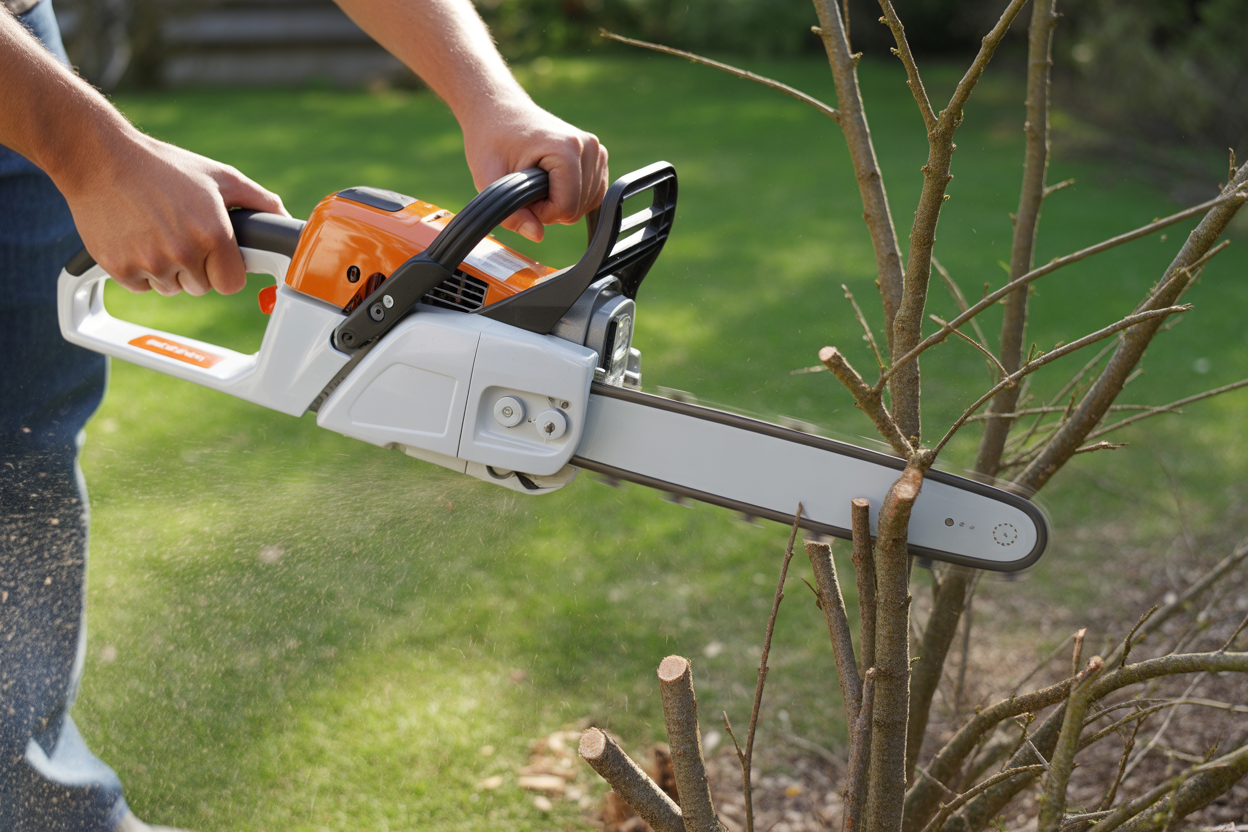
When I cut down my first old mulberry tree, my 16-inch cordless saw did the job—but not in a single pass. The key is patience and letting the saw do the work. Cordless models don’t have the brute torque of gas engines, but they offer steady, clean cuts with less noise.
Voltage vs. Cutting Power
| Chainsaw Voltage | Typical Bar Length | Tree Diameter Capacity |
|---|---|---|
| 12V–20V | 6–10 inches | Small branches, trimming |
| 36V–40V | 12–14 inches | Medium logs, garden trees |
| 60V+ | 16–18 inches | Larger trees, heavy-duty cutting |
Battery capacity also matters. Two 4.0Ah batteries will easily handle several medium trees before needing a recharge.
If you often cut hardwoods like oak or walnut, consider a brushless motor3 model—it maintains consistent torque even when the chain meets resistance.
What are the disadvantages of cordless chainsaws?
Like any tool, cordless chainsaws have trade-offs—some of which depend on how you use them.
Main disadvantages include limited run time, reduced torque compared to gas models, and reliance on charged batteries. They may struggle with continuous or commercial cutting, especially in remote areas without charging access.
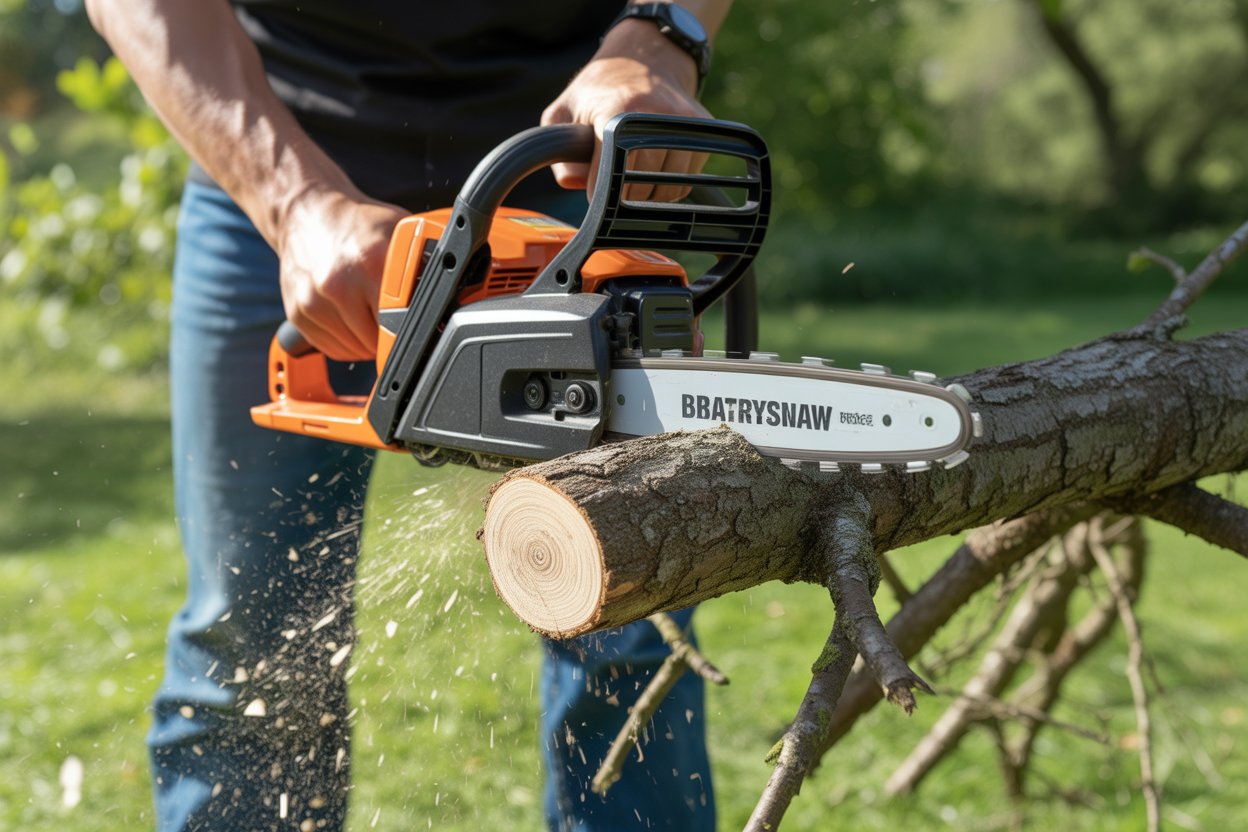
When I worked with a landscaping crew, we loved cordless saws for trimming jobs in tight gardens. But when the day stretched long, extra batteries became our lifeline. Running out of power halfway through a log pile is the kind of frustration only a user understands.
Real-World Limitations
- Battery Life – Expect 20–40 minutes of continuous cutting per charge.
- Charging Downtime – Even with fast chargers, it takes 40–60 minutes to get back to full power.
- Power Fade – As the battery drains, cutting speed drops slightly.
- Weather Impact – Extreme cold reduces battery performance.
Still, for urban users4 or property owners who cut occasionally, these “cons” are easy to live with. No fuel smell. No pull cords. Just plug, cut, and go.
Do professionals use cordless chainsaws?
It might surprise you, but yes—more and more professionals are adopting cordless models for certain jobs.
Professionals use cordless chainsaws for light-duty tasks such as pruning, roofing, and on-site maintenance. They’re preferred in noise-sensitive or indoor environments, but gas chainsaws remain dominant for continuous forestry or heavy logging.

I once watched a tree service team in Lyon use cordless saws to trim high branches near apartments. The crew moved faster without worrying about exhaust fumes or starting cords.
In many cities, regulations are even pushing landscapers toward battery-powered tools to reduce emissions and noise complaints.
Where Pros Use Cordless Chainsaws
| Application | Cordless Usage | Notes |
|---|---|---|
| Pruning & Garden Work | Very common | Lightweight, easy to maneuver |
| Roofing & Carpentry | Common | No fumes, ideal for indoor cutting |
| Forestry & Logging | Rare | Gas still leads in power |
| Urban Tree Care | Increasing | Lower noise and safer operation |
Some professionals carry both—a gas model for power, a cordless one for convenience. It’s like having a pickup and a scooter; each fits a different purpose.
Conclusion
Cordless chainsaws are worth it for most users who value simplicity, quiet operation, and low upkeep. They may not replace gas tools for heavy-duty work, but for everyday cutting, trimming, and garden tasks—they’re a breath of fresh air, literally and figuratively.
-
Explore the advantages of battery-operated chainsaws for outdoor work, including convenience and low maintenance. ↩
-
Learn about the differences between cordless and gas chainsaws to make an informed choice for your cutting needs. ↩
-
Explore the benefits of brushless motors in chainsaws for consistent performance and efficiency. ↩
-
Discover how urban users can take advantage of cordless chainsaws for convenient and quiet cutting. ↩