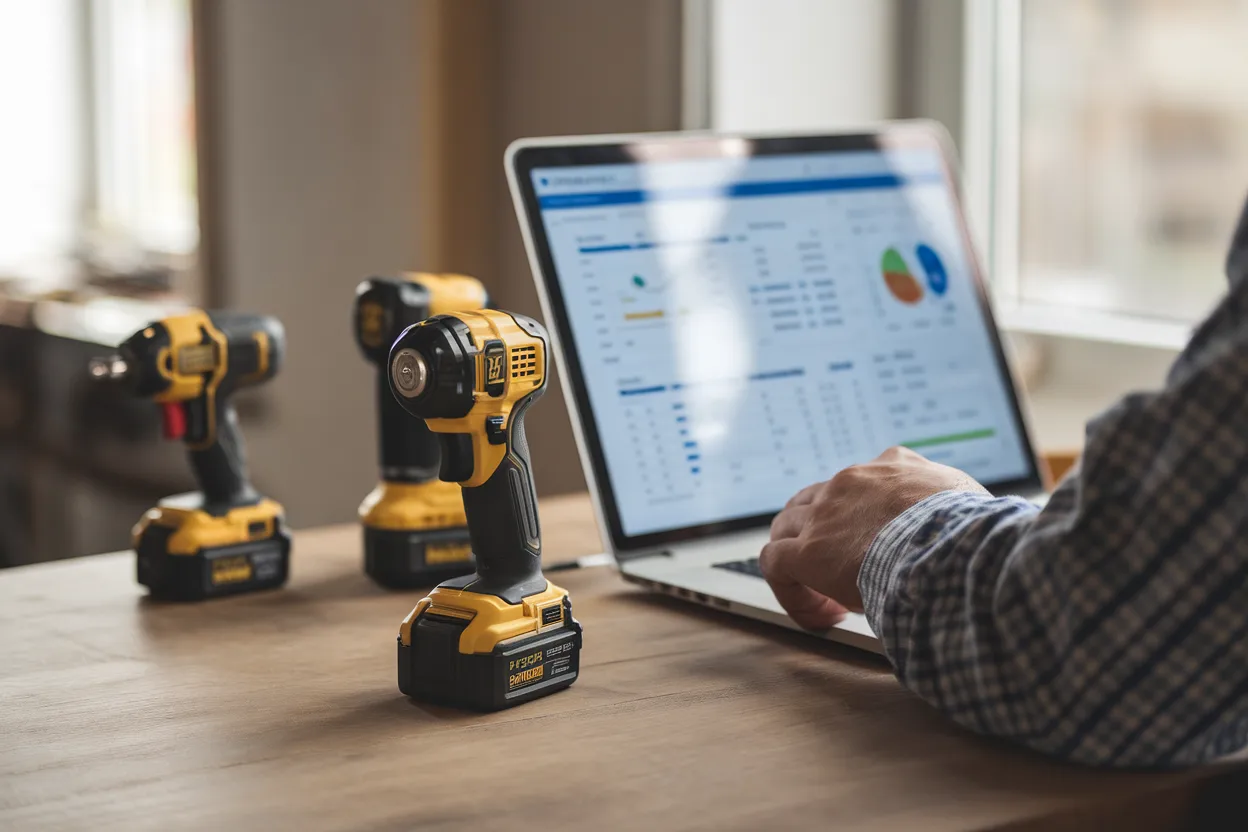
Starting a cordless tools business1 can feel risky. Many buyers enter the market excited, but they face hidden challenges like weak battery platforms2, unclear regulations3, or inconsistent suppliers. I have seen this happen many times.
The safest way to start is step by step. Focus on core products, use trusted OEM/ODM partners, and validate the market before scaling.
I remember my first European buyer. He wanted to launch a full line of cordless tools. We started with one model. We tested it in Italy and Germany. It taught him more than months of planning could.
Why Many Entrants Fail Early?
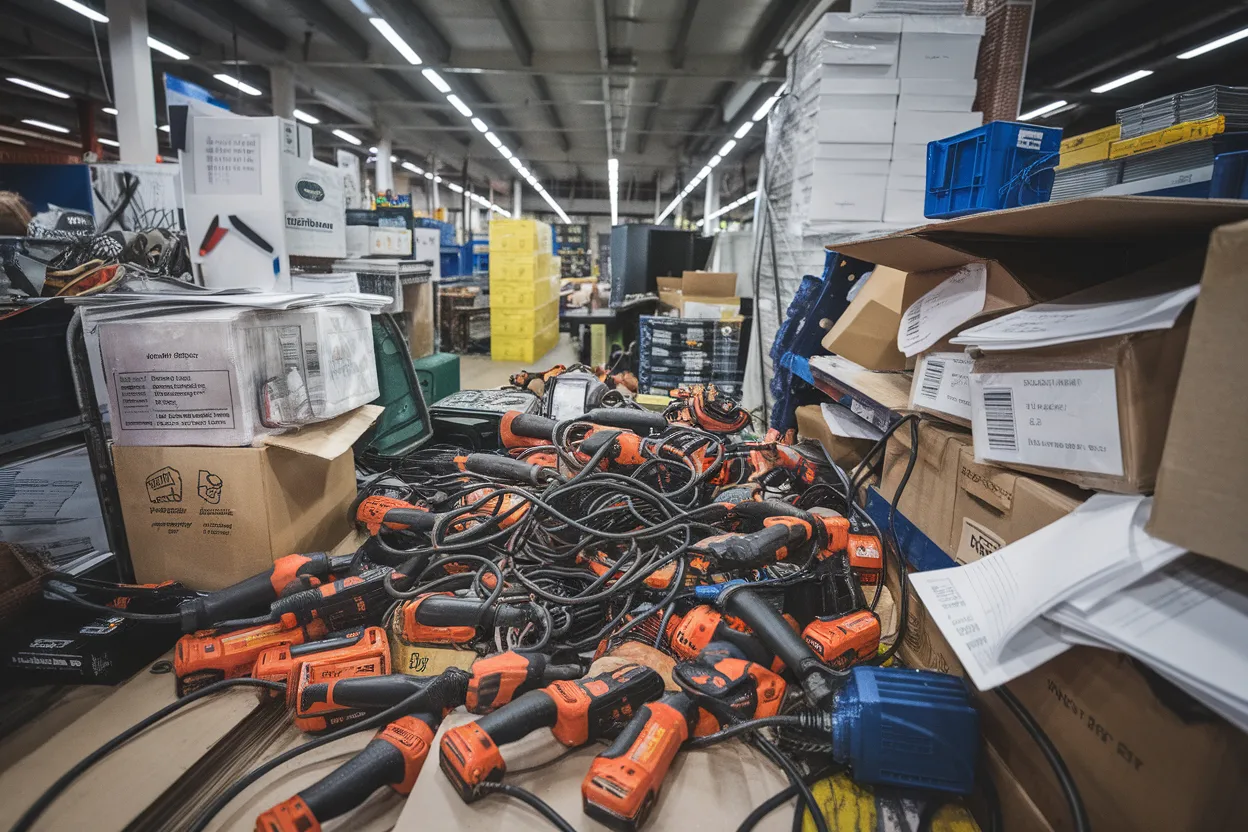
Many new entrants fail because they overcomplicate. They buy too many products at once. They ignore battery compatibility4 or certifications. They underestimate supply chain complexity.
Most early failures happen due to lack of focus, weak battery systems, and skipping compliance checks.
Overbuying and Product Confusion
New brands often try to launch many tools at once. This spreads resources thin. Warehouse costs rise. Marketing is harder. Customers get mixed messages.
Ignoring Battery Platforms
Battery systems are the backbone of cordless tools. I often see buyers pick 12V and 21V tools separately. They fail to realize cross-compatible batteries reduce returns and increase brand value.
| Problem | Risk | My Advice |
|---|---|---|
| Too many SKUs | High storage cost | Start with 1-3 core products |
| Mixed battery systems | Customer confusion | Use a unified battery platform (21V/40V) |
| Skipping certifications | Customs delays | Get CE/GS/EMC certified early |
Compliance Gaps
European buyers care about CE and EMC compliance. New entrants often assume a product is “safe.” I tell them: documentation matters. It protects your brand and avoids customs fines.
Step 1: Start with a Core Product Line
Starting with a few key products helps you learn the market. You can test Europe countries like Italy, Spain, and Germany with minimal risk. I always advise one product per category first.
Focusing on a core line reduces cost, simplifies testing, and builds brand recognition.
Choosing the Right Product
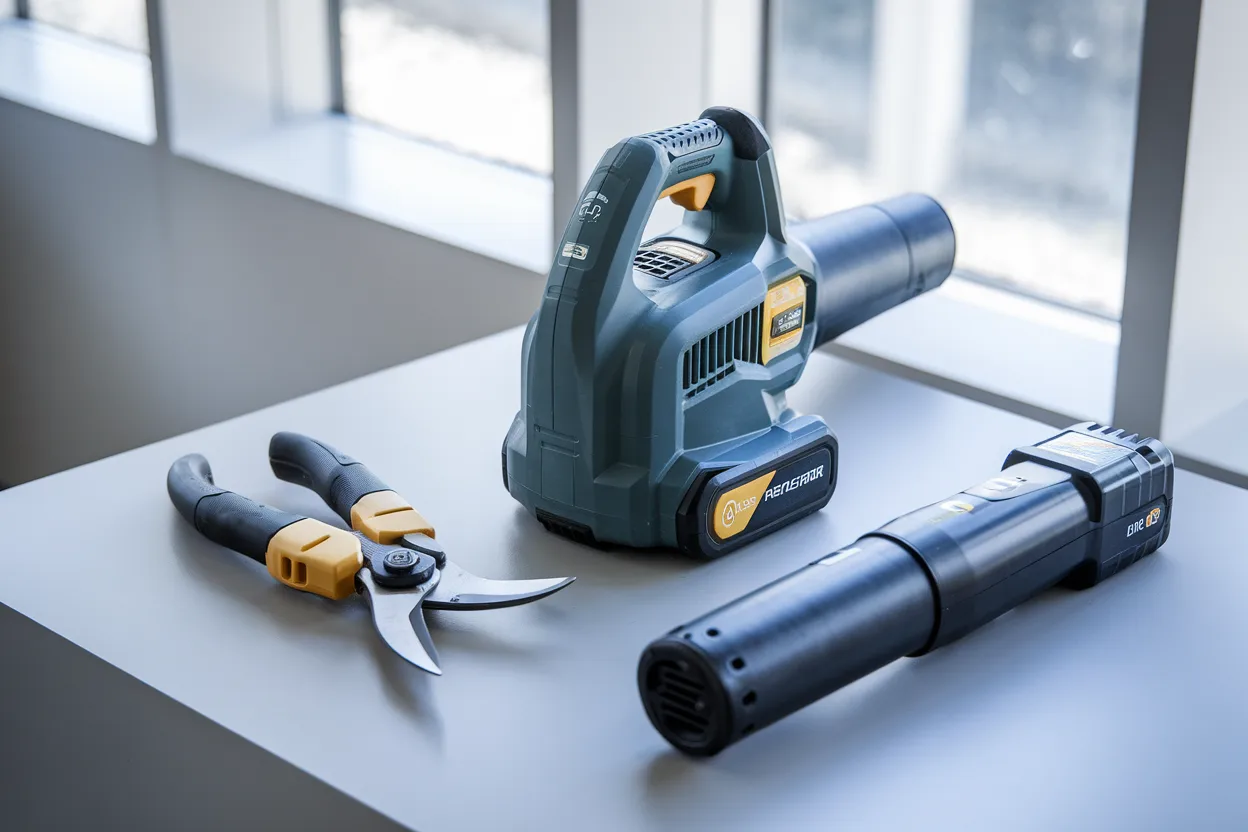
Pick a product with proven demand. For example, cordless pruning shears or 20V leaf blowers. These tools are in high demand and easy to market.
Testing in Limited Markets
Start in a small region. Track sales, feedback, and returns. Adjust features or packaging before a wider launch.
Resource Allocation
Starting small saves money. Marketing, logistics, and certifications are expensive. You avoid overcommitment.
Step 2: Use OEM/ODM Partnerships for Flexibility
OEM/ODM partnerships allow you to test without owning a factory. You can customize products, branding, and packaging. YOUWE offers full support for private label launch.
OEM/ODM provides flexibility, reduces upfront investment, and ensures product quality.
Brand Customization
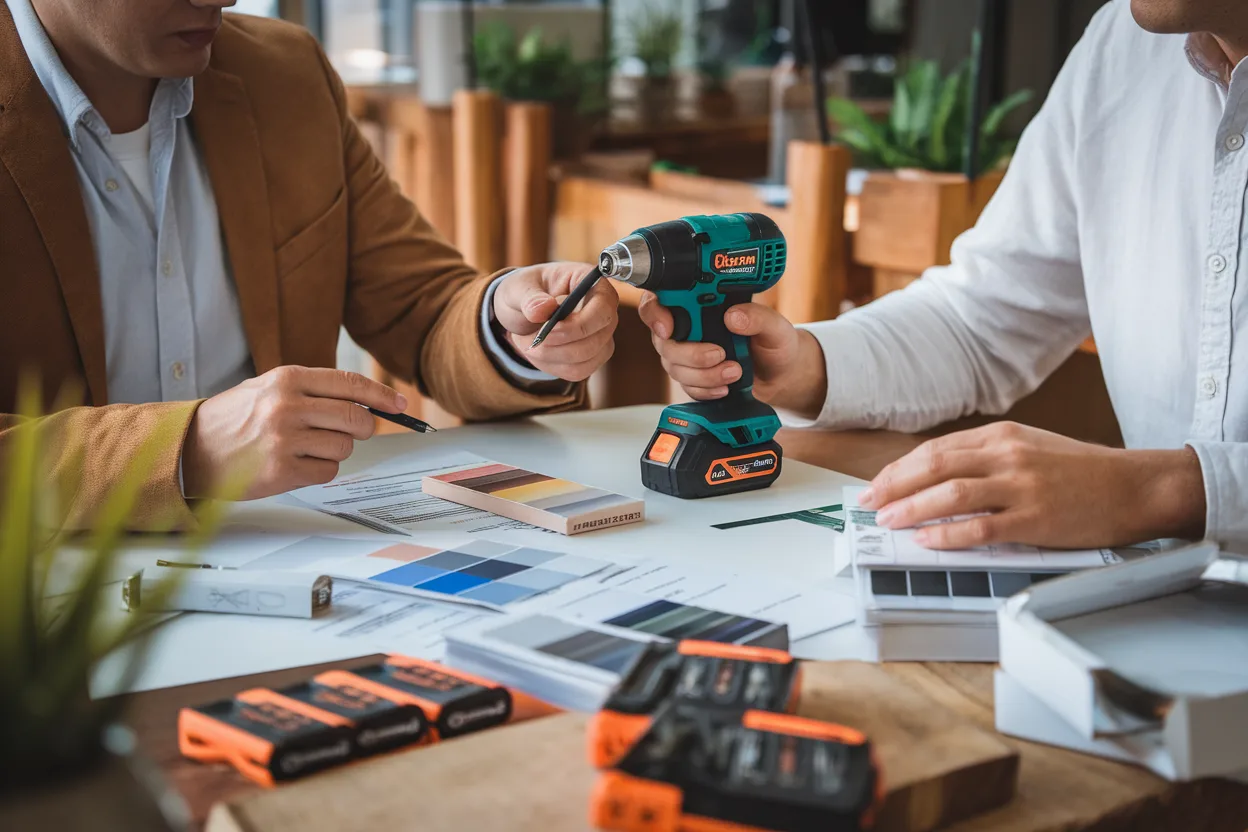
You can choose logo, color, and package design. The product quality stays high. Buyers in Spain and Italy appreciate consistency.
Faster Market Entry
OEM partners provide tested models. You avoid long R&D delays. Samples can be ready in 7–15 days. ODM models take 60–120 days, depending on complexity.
Cost Efficiency
OEM allows batch scaling. You pay for only what you need. Smaller MOQ lowers risk.
| Feature | Benefit | YOUWE Support |
|---|---|---|
| Private label | Brand recognition | Logo, packaging design |
| Tested models | Fast entry | Ready-to-use proven tools |
| Small MOQ | Lower risk | Flexible sample orders |
Step 3: Validate the Market Before Expanding
Validation means checking demand, feedback, and local regulations. I advise buyers to run small batches first. In Europe, you also need to track certifications.
Testing early prevents costly mistakes and guides future product selection.
Customer Feedback
Collect real feedback. Ask distributors or end users about ergonomics, battery runtime, and performance. Adjust your product accordingly.
Local Market Requirements
Check CE/GS/EMC rules. Germany and Italy have strict compliance requirements. Validating ensures smooth customs clearance.
Test Multiple Channels
Try online marketplaces and local retailers. Track which tools sell faster. This helps in planning inventory and marketing.
Step 4: Plan for Scalable Battery Systems
Battery systems determine the brand’s long-term success. Cross-compatible 21V or 40V platforms allow multiple tools to share the same battery.
A strong battery platform reduces returns, improves customer loyalty, and supports brand expansion.
Choosing the Right Voltage
I often see buyers comparing 20V VS 40V leaf blower. 20V is enough for light work. 40V gives higher power and runtime. Decide based on customer needs and tool type.
Compatibility Across Products
Using the same battery for drills, shears, and blowers simplifies inventory. Customers love it. It also reduces returns due to wrong battery type.
Scalable Platform Planning
Plan for future products. Add more tools without changing the battery system. This saves money and builds a consistent brand image.
Step 5: Monitor, Learn, and Scale
Monitoring helps you spot trends, improve products, and scale safely. Europe markets are fast-moving. I track sales in Italy, Spain, and Germany regularly.
Continuous learning reduces risk and guides smart expansion.
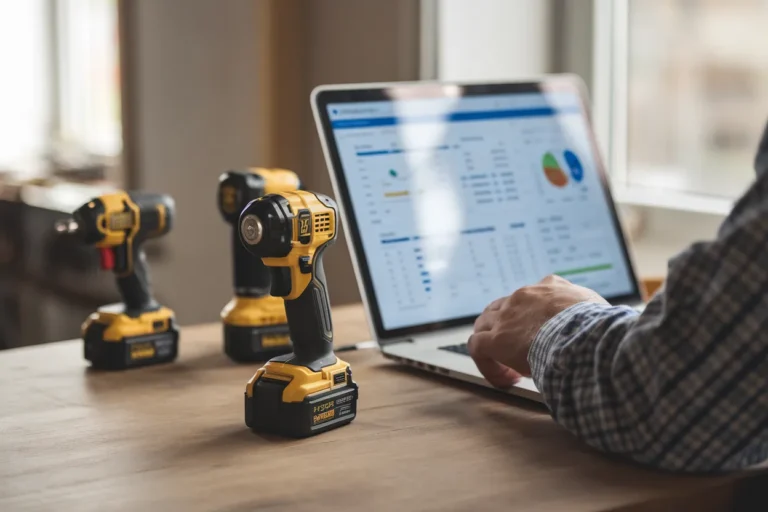
Collect Data
Track sales, customer feedback5, and returns. Review performance metrics monthly.
Adjust Offerings
Remove slow-selling items. Add new tools based on demand. For example, add a 40V leaf blower if customers request more power.
Expand Step by Step
After validation, launch in new European markets. Increase SKUs gradually. Keep battery systems consistent. This ensures smooth growth.
| Action | Benefit | My Experience |
|---|---|---|
| Track data | Reduce mistakes | Always helps avoid overstock |
| Adjust SKUs | Meet market need | Buyers respond well to updates |
| Gradual expansion | Lower risk | Scaling is smoother in EU |
Conclusion
Testing the cordless tools market safely requires focus, planning, and trusted partners. Start with a core line, validate demand, and use scalable battery systems. Step-by-step growth ensures success and reduces risk. Europe buyers appreciate quality, compliance, and reliable support.
-
Understanding the challenges can help you navigate the market effectively and avoid common pitfalls. ↩
-
Learn about the impact of battery systems on product performance and customer satisfaction. ↩
-
Familiarizing yourself with regulations can prevent costly compliance issues and ensure smooth market entry. ↩
-
Understanding battery compatibility can help you design better products and reduce returns. ↩
-
Collecting feedback is essential for refining products and meeting market demands. ↩