Selling cordless tools is not just about product specs. I see many distributors struggle because the product line is too complex or not stable. Buyers hesitate, inventory moves slowly, and margins shrink.
A cordless tool line is easy to sell when it has a unified battery platform, clear product structure, stable supply, and strong OEM support. These factors reduce risk for distributors and make market entry faster and safer.
I often talk with importers from Germany, Italy, and Spain. Many of them tell me the same thing. They do not need more products. They need fewer risks. They want something they can explain simply to their customers. That is where product design and supply system matter more than anything else.

Distributors do not fail because of demand. They fail because of complexity. In this article, I will break down what really makes a cordless tool line1 easy to sell in real markets.
What Features Make a Cordless Tool Line Easy to Sell?
Distributors often ask me why some tool lines move fast while others stay in warehouse. The answer is not only performance. It is system design.
A tool line is easy to sell when it is simple, consistent, and covers daily user needs with low learning cost for buyers and end users.
When I work with new partners, I always start from product structure2. A confusing product line always slows down sales.
Simple Product Structure
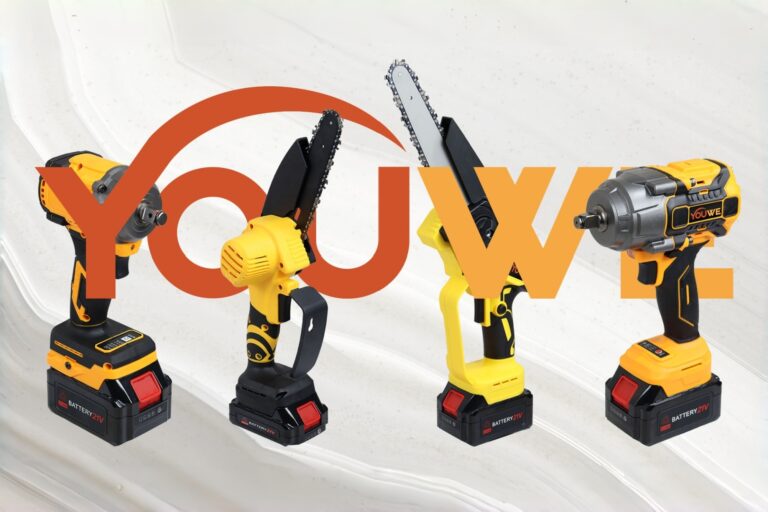
A good line should not overload distributors. I usually suggest starting with 6 to 10 core SKUs. For example: drill, angle grinder, chainsaw, blower, and hedge trimmer.
Too many models create confusion. Buyers cannot explain differences. Retailers also avoid stocking too many variations.
Clear Application Use
Each tool must have a clear job. A pruning shear must cut branches. A blower must clean leaves. If one tool has unclear use, it slows down sales.
Stable Battery System
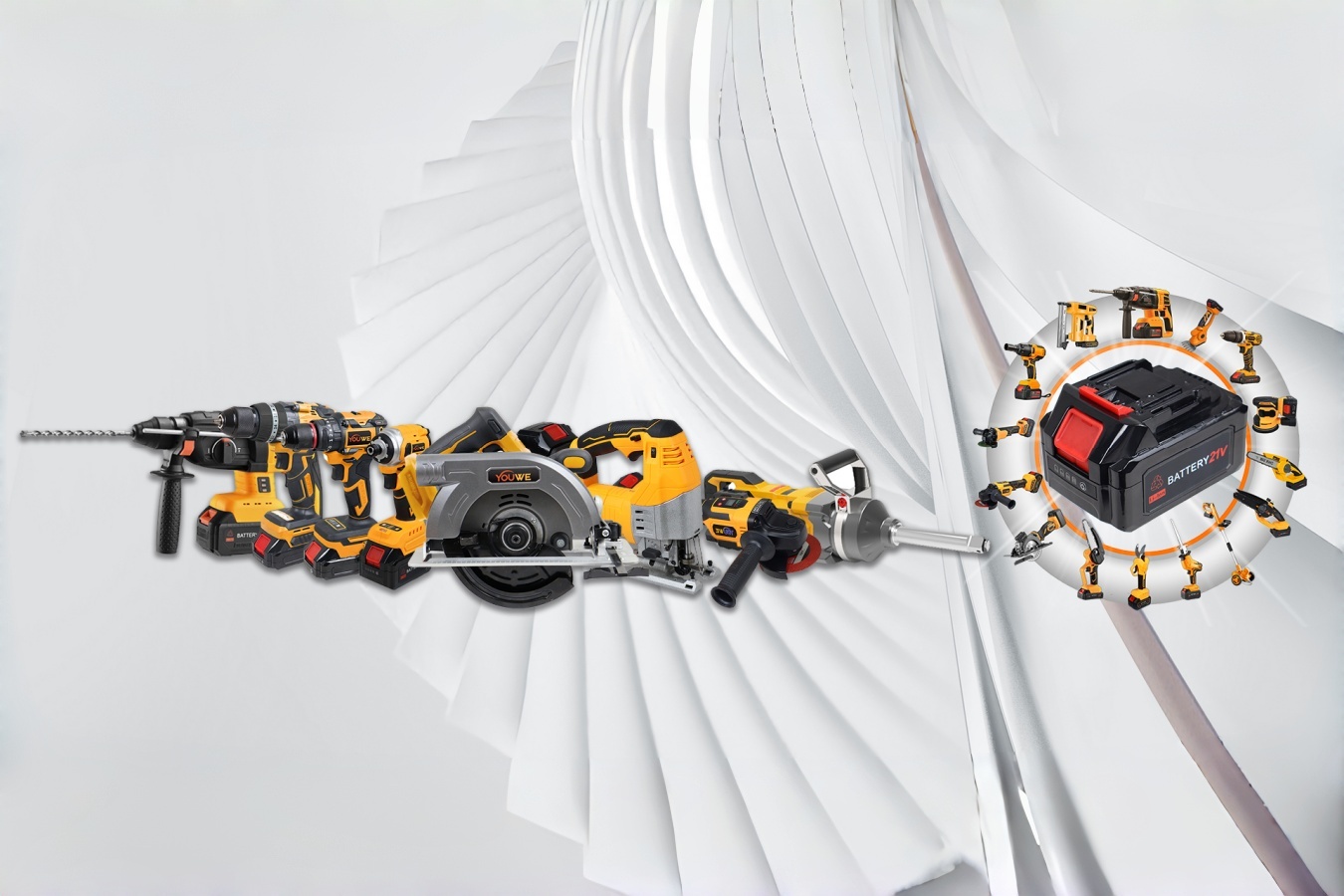
Battery compatibility is critical. If users can share one battery across tools, they buy more tools later.
| Feature | Impact on Sales |
|---|---|
| Simple SKU range | Faster listing and selling |
| Clear use case | Easier customer education |
| Unified battery | Higher repeat purchase |
In my experience, distributors in Europe prefer clarity over variety. They want products they can explain in one sentence.
Why Is a Unified Battery Platform Important for Distributors?
Battery system is the core of cordless tools. I always tell my clients that battery is not a part. It is the platform.
A unified battery platform increases repeat purchases, reduces inventory pressure, and builds long-term customer loyalty for distributors.
Many new importers ignore this at the beginning. Later they face inventory mismatch and customer complaints.
Cross Product Compatibility
If one battery works for drill, saw, and blower, distributors can sell more tools per customer. This increases average order value.
Lower Inventory Risk
One battery system means fewer SKUs in stock. This reduces capital pressure, especially for small distributors in Spain and Poland.
Better After-Sales Control
Battery issues are the most common service problem. One system means easier spare parts management.
| Battery Strategy | Distributor Result |
|---|---|
| Single platform | Easier stock control |
| Multi platform | High complexity |
| Mixed systems | High service cost |
I once worked with a German importer who reduced 30% inventory cost after switching to one battery system.
How Should Distributors Evaluate Pricing and Profit Margins?
Pricing is not just factory cost. I often see distributors focus only on unit price. This is a mistake.
Distributors should evaluate pricing based on total landed cost, retail margin, and long-term sell-through speed, not only factory price.

Price pressure is normal in Europe. But low price without structure creates hidden loss.
Total Cost View
You must include shipping, customs, certification, and packaging cost. Many new buyers forget these parts.
Retail Margin Structure
If retail margin is too low, retailers will not push your product. In Italy and France, margin expectation is often higher than 30%.
Sell-Through Speed
Fast moving products can support slightly lower margin because cash flow is faster.
| Cost Factor | Hidden Risk |
|---|---|
| Low unit price | Weak margin |
| High logistics cost | Cash pressure |
| Poor sell-through | Inventory stuck |
I always tell partners. A stable 20% margin with fast rotation is better than 40% margin with slow sales.
What Supply Chain Factors Affect Sell-Through Rate?
Many distributors think marketing drives sales. In reality, supply chain stability is more important.
Sell-through rate depends on stock availability, delivery speed, product consistency, and after-sales reliability.
When supply is unstable, retailers stop reordering.
Lead Time Stability
If lead time changes from 30 days to 60 days, retailers lose trust. I have seen this many times in EU markets.
Quality Consistency
Same model must perform the same every batch. If quality changes, return rate increases quickly.
Packaging Readiness
Good packaging helps retail display. Weak packaging slows down shelf acceptance.
| Supply Factor | Market Impact |
|---|---|
| Stable lead time | Strong reorder rate |
| Inconsistent quality | High return rate |
| Weak packaging | Low retail attention |
In my experience, Germany and France buyers care more about stability than price.
What Marketing Support Helps Distributors Sell Faster?
Many factories only sell products. I believe support is more important than product itself.
Strong marketing support helps distributors reduce time to market and increases first-order conversion rate.

When I work with partners, I always provide ready-to-use content.
Product Content Package
Photos, videos, and specifications must be ready. Amazon sellers especially need this.
Localized Selling Points
Different markets need different messaging. Spain focuses on price-performance. Germany focuses on quality and certification.
Certification Support
CE, GS, EMC documents help distributors enter retail channels faster.
| Marketing Support | Result |
|---|---|
| Product images | Faster listing |
| Local content | Higher conversion |
| Certification files | Retail approval |
I often see distributors lose 2–3 months only because marketing assets are missing.
How to Choose the Right Cordless Tool Supplier for Your Market?
Supplier choice decides everything. Many importers realize this too late.
The right supplier provides stable OEM/ODM support, flexible MOQ, certification guidance, and long-term product planning.

I always advise buyers to think long term.
OEM and ODM Capability
OEM is branding. ODM is product creation. Both are needed for market growth.
Certification Experience
Europe is strict. Without experience, customs delays are common.
Communication Speed
Slow communication often leads to wrong orders and delays.
| Supplier Factor | Distributor Benefit |
|---|---|
| ODM ability | Market differentiation |
| Certification support | Faster import |
| Fast response | Lower risk |
In my experience, good suppliers reduce at least 30% of market entry risk.
Conclusion
I believe cordless tool success is not about having more models. It is about having a stable system. Distributors need clarity, not complexity. When structure is right, sales become predictable. If you are planning to enter this market, I suggest starting with a simple and stable product base and talking with a manufacturer who understands both production and market reality.