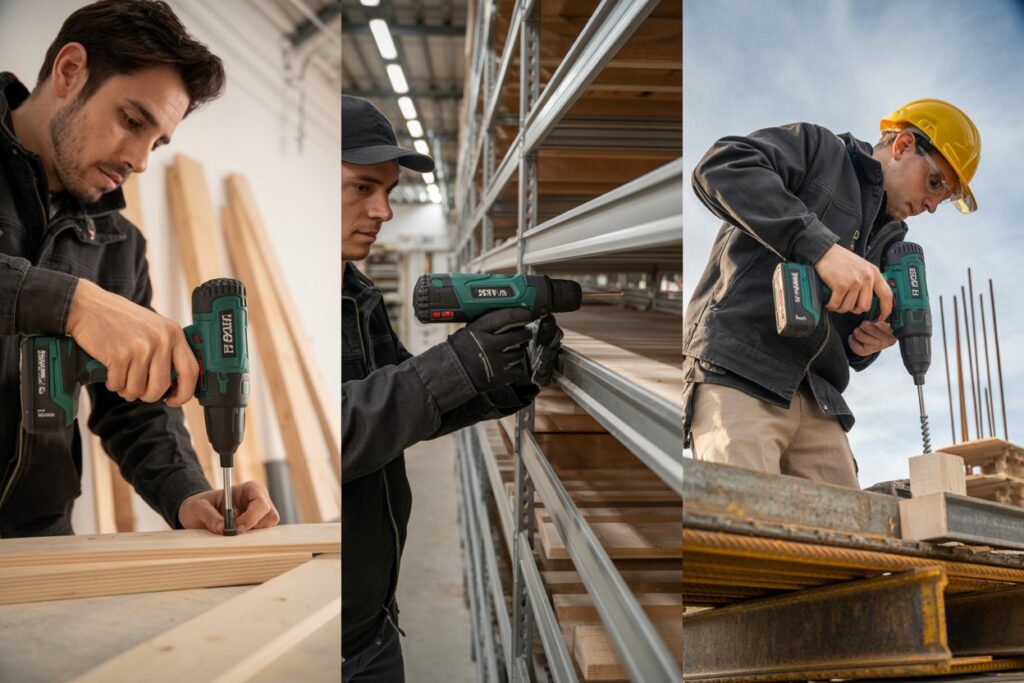
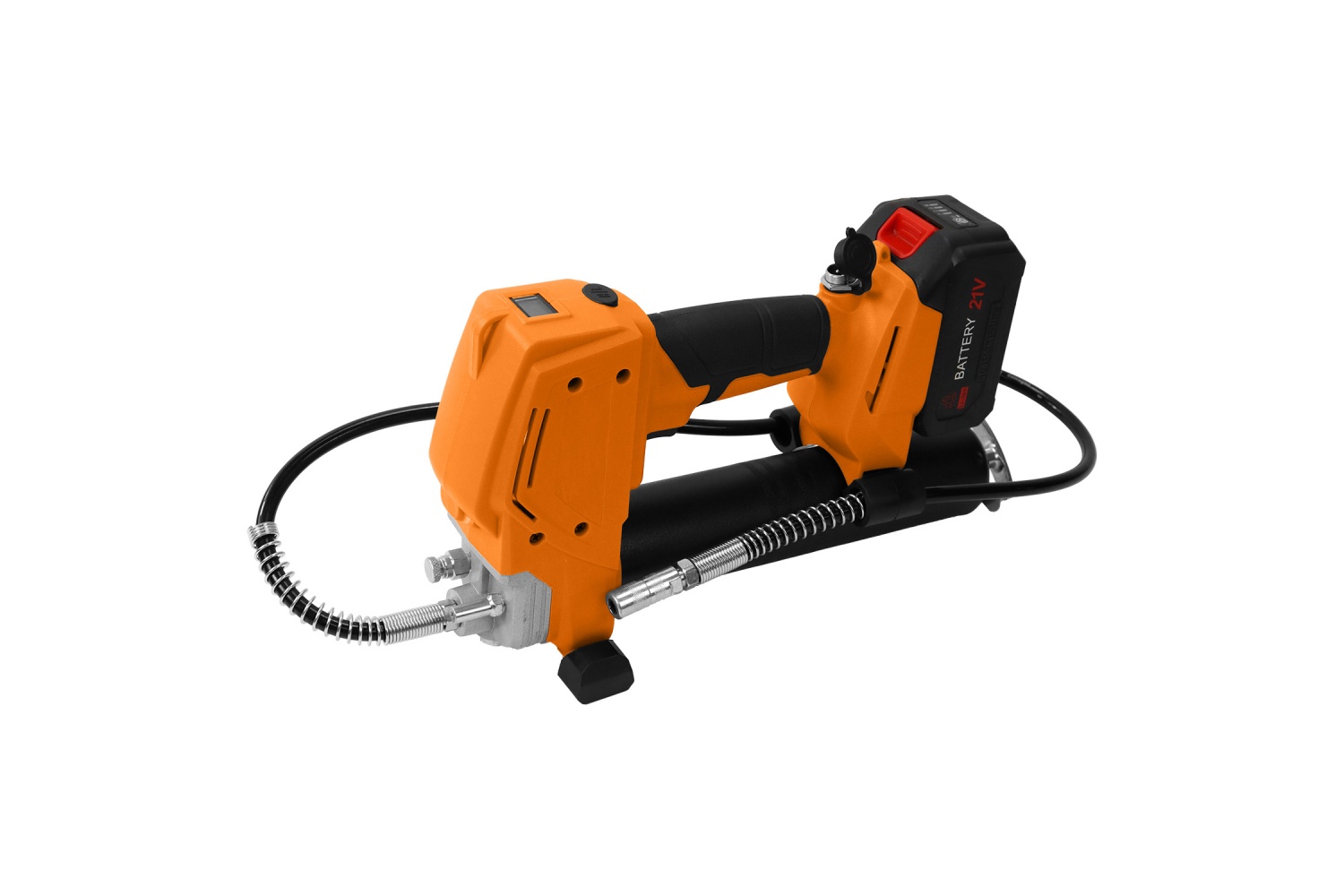
Industrial maintenance teams face pressure every day. They need speed, safety, and consistency. Manual grease guns slow down work and create fatigue. I see many buyers in Europe and South America asking the same question.
I see a clear shift in industrial maintenance. More buyers move from manual grease guns to cordless grease guns because they improve speed, reduce labor effort, and make maintenance more consistent in real factory and fleet operations.
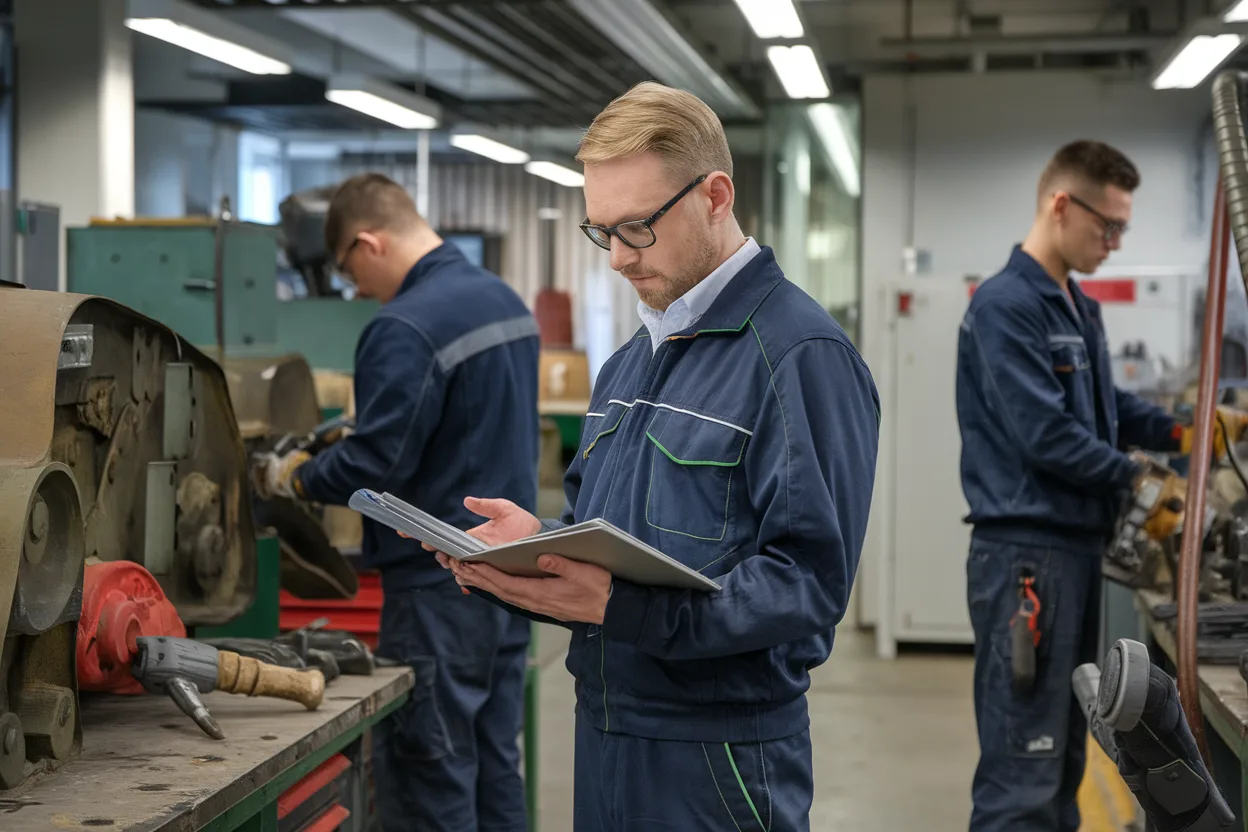
I often talk with distributors from Germany, Italy, and Spain. Many of them say the same thing. Their maintenance teams are tired of manual tools. They want something faster and more stable. This is where cordless tools start to change the market. I will explain what I see from real OEM projects1 and factory feedback.
Why industrial buyers are moving away from manual grease guns?
Manual grease guns used to be standard in factories and workshops. But I see more buyers stop using them for daily maintenance work. The reason is simple. The workload is too heavy and too slow.
Industrial buyers move away from manual grease guns because they require high physical effort, slow down maintenance time, and create inconsistent lubrication results in real operations.
Many maintenance teams work on machines all day. They need to lubricate bearings, joints, and heavy equipment. Manual pumping creates fatigue. It also leads to uneven pressure. This affects machine life.
Key reasons I hear from buyers
| Problem | Manual Grease Guns | Result |
|---|---|---|
| Physical effort | High | Operator fatigue |
| Speed | Slow | Lower productivity |
| Pressure control | Inconsistent | Uneven lubrication |
| Work environment | Difficult in tight spaces | Limited access |
I also notice a pattern in OEM discussions. Buyers in Germany and Poland want more standardized tools. They want tools that reduce worker dependency. Manual tools cannot meet this demand anymore.
The shift toward cordless maintenance tools
Factories are upgrading their maintenance systems2. This is not only about grease guns. It is a larger shift toward cordless tools in general.
The shift toward cordless maintenance tools is driven by the need for faster workflows, less manual labor, and more portable solutions in industrial environments.
I often explain to buyers that maintenance is no longer a low-tech task. Modern factories use data and efficiency targets. Every minute matters. Cordless tools fit this new system better.
What I see in real projects
1. Faster daily maintenance cycles
Workers complete lubrication tasks faster. They do not stop to reset or pump manually.
2. Better integration with tool platforms
Many buyers already use 21V or 40V battery systems. Grease guns become part of the same platform.
3. Less operator training needed
Cordless tools are easier to learn. This reduces training cost in large teams.
Factories in Spain and Italy often tell me the same thing. They do not want complexity. They want tools that anyone can use quickly.
Key productivity benefits of cordless grease guns
Productivity is the main reason buyers upgrade. I see this in almost every OEM negotiation.
Cordless grease guns improve productivity by reducing manual effort, increasing speed of lubrication, and allowing workers to complete more maintenance tasks in less time.
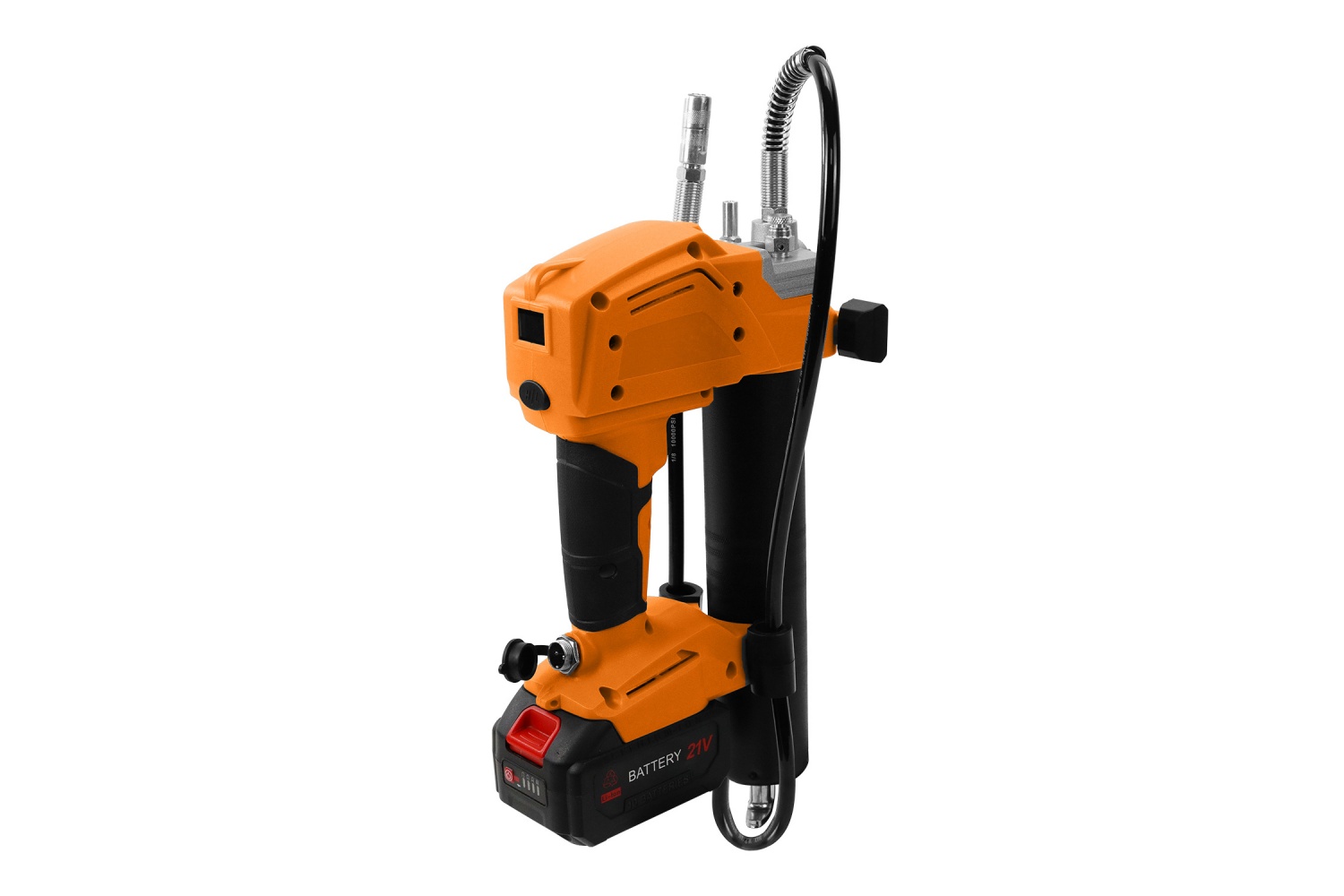
The benefit is not only speed. It is also stability. Workers can repeat the same result every time.
Productivity comparison in real use
| Factor | Manual Grease Gun | Cordless Grease Gun |
|---|---|---|
| Task time | High | Low |
| Worker fatigue | High | Low |
| Output consistency | Medium | High |
| Multi-point lubrication | Difficult | Easy |
In one project with a distributor in Greece, they told me their team reduced maintenance time3 by almost half after switching. This is not a lab result. This is real field feedback.
Consistent pressure control
Cordless systems provide stable pressure. This improves lubrication quality.
Continuous operation
Workers do not stop to reset pumping action.
Better fleet maintenance flow
Technicians can move between machines faster.
How cordless tools improve mobility in industrial environments?
Industrial sites are not simple spaces. Workers move between machines, outdoor areas, and tight spaces4. Mobility matters a lot.
Cordless tools improve mobility because they remove air hoses, manual pumping limitations, and fixed workstation dependency in maintenance operations.
I visited a warehouse project in Poland. The maintenance manager showed me their old system. They used long hoses and manual tools. It caused delays and safety issues5.
Mobility improvements I see in practice
No hose limitation
Workers can move freely without dragging equipment.
Easy access to tight spaces
Cordless tools are more flexible in position.
Outdoor and indoor use
No power or air connection is needed.
| Environment | Manual System | Cordless System |
|---|---|---|
| Factory floor | Limited mobility | High mobility |
| Outdoor maintenance | Difficult | Easy |
| High equipment areas | Complex setup | Simple use |
This is one reason many distributors in Germany and France are now adding cordless grease guns6 to their catalog.
Why battery platforms are changing maintenance workflows?
Battery platforms are a big topic in OEM discussions. I see more buyers asking about this than before.
Battery platforms change maintenance workflows by unifying tools under one power system, reducing downtime, and simplifying tool management.
At YOUWE, I often design 21V and 40V platforms for clients. The goal is simple. One battery system for multiple tools.
How battery platforms change real work
Unified tool management
One battery fits many tools. This reduces confusion.
Lower downtime
Workers switch batteries quickly instead of waiting.
Better inventory control
Distributors manage fewer SKUs.
| Factor | No Platform | Battery Platform |
|---|---|---|
| Battery types | Multiple | Unified |
| Tool compatibility | Low | High |
| Inventory cost | High | Lower |
Many buyers in Italy and Spain prefer this system because it simplifies their product line expansion.
Cost and efficiency advantages in real operations
Cost is always a key factor. But I see buyers now thinking beyond unit price.
Cordless grease guns reduce total operating cost by improving labor efficiency, reducing maintenance time, and extending equipment life through better lubrication control.
I often explain to clients that cost is not only purchase price. It includes labor time, downtime, and maintenance quality.
Real cost factors
Labor efficiency
Less time per task means lower labor cost.
Equipment protection
Better lubrication reduces machine wear.
Tool standardization
Fewer tool types reduce management cost.
| Cost Factor | Manual Tools | Cordless Tools |
|---|---|---|
| Labor cost | High | Lower |
| Maintenance downtime | High | Lower |
| Tool complexity | Medium | Low |
In one case from Brazil, a distributor told me they reduced maintenance labor hours by around 30 percent after switching.
Common concerns and how modern cordless tools solve them
Many buyers still have concerns. I hear them every week. These concerns are normal.
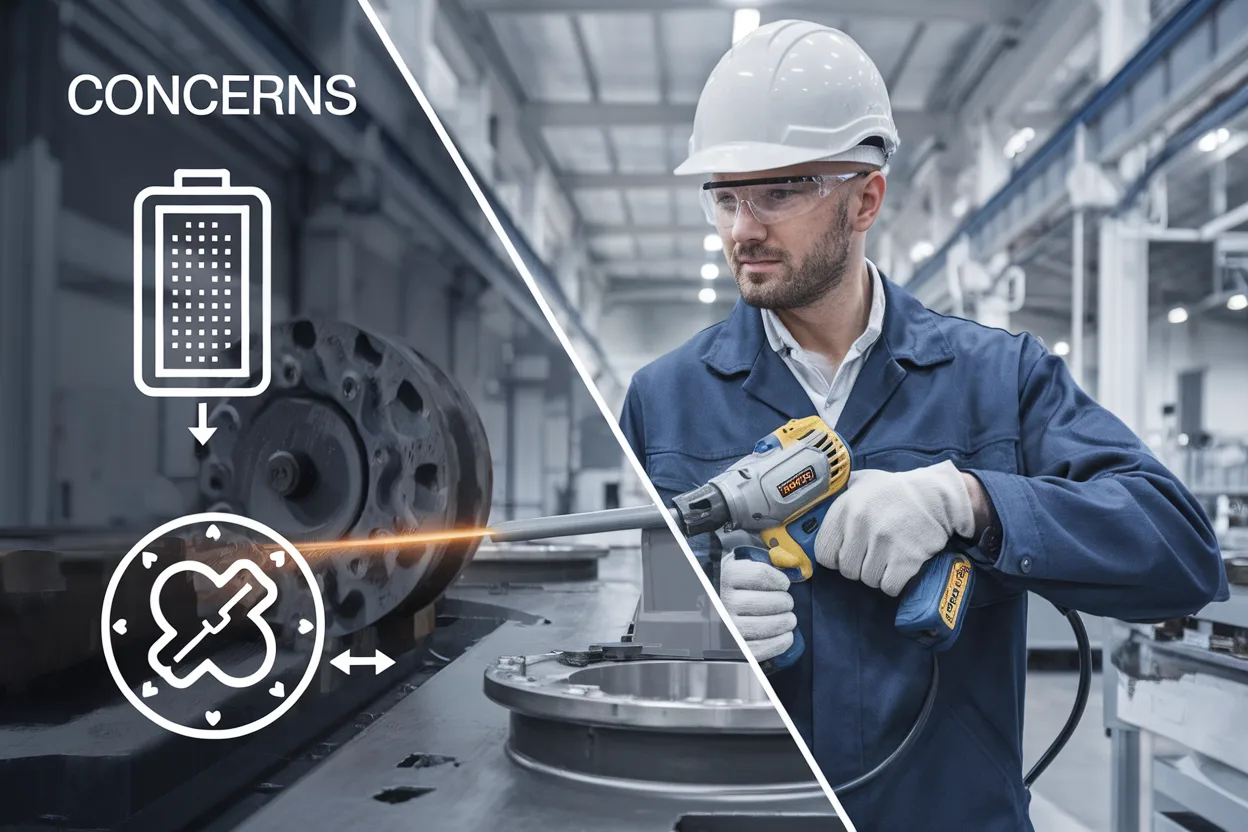
Common concerns about cordless grease guns include battery life, durability, and cost, but modern OEM designs solve these issues with better battery systems and stronger motor control.
I always tell buyers that early cordless tools had limits. But modern systems are different.
Main concerns and solutions
| Concern | Buyer Fear | OEM Solution |
|---|---|---|
| Battery life | Short working time | High capacity 21V/40V systems |
| Durability | Easy breakdown | Industrial-grade motor design |
| Cost | Higher upfront price | Lower total cost over time |
Battery performance improvement
Modern lithium systems support longer working cycles.
Stronger internal structure
Brushless motors improve stability.
Better OEM quality control
Factories now use stricter testing before shipment.
I often tell buyers in early discussions that their concerns are valid. But the technology has already moved forward.
Why this trend is accelerating globally?
This is not a local trend. I see it in many regions.
This trend is accelerating globally because industrial buyers are standardizing maintenance systems, adopting battery platforms, and focusing on labor efficiency and safety improvements.
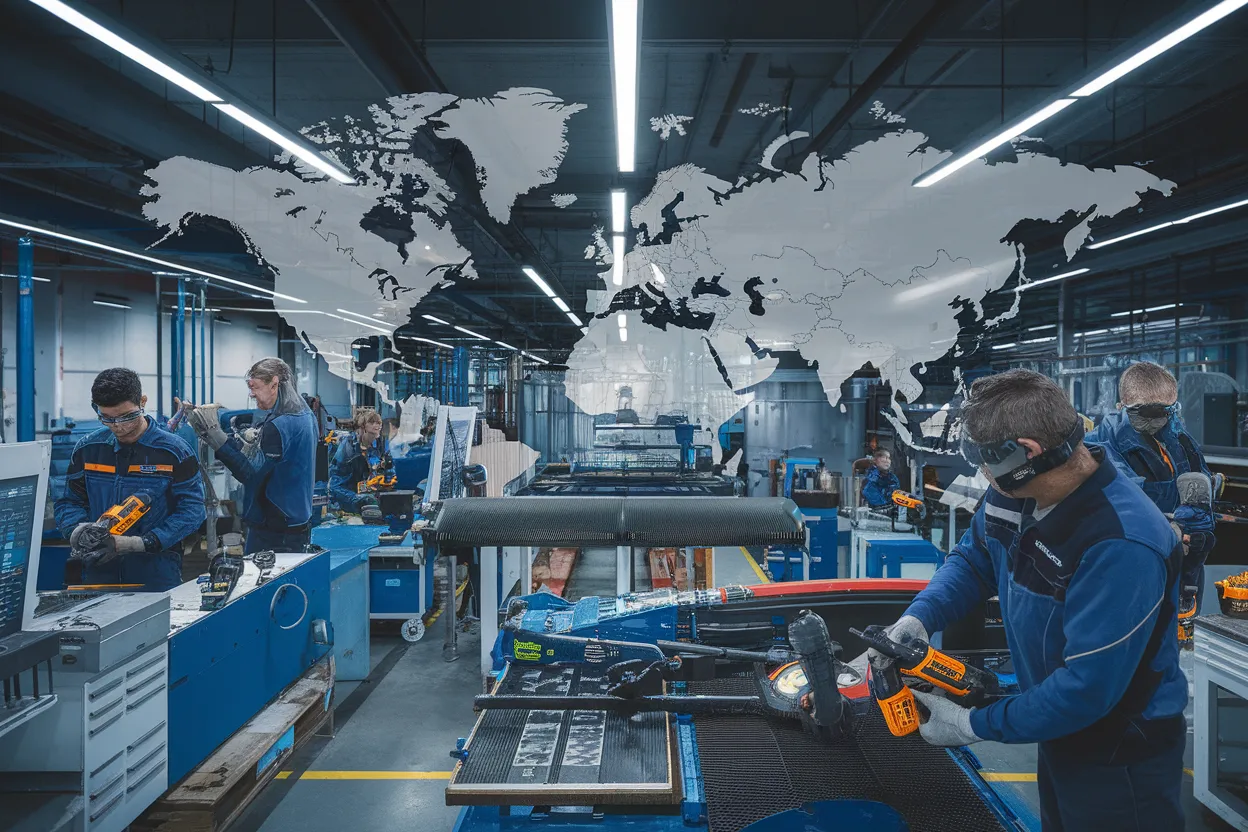
From Europe to South America, I see similar buying behavior. Buyers want consistency. They want scalable systems. They also want safer tools.
Global drivers
Europe certification demand
Markets like Germany and France require CE and GS compliance.
Labor cost pressure
High labor cost pushes automation and efficiency.
Battery ecosystem adoption
More companies use unified battery systems.
| Region | Main Driver | Adoption Level |
|---|---|---|
| Europe | Certification + labor cost | High |
| South America | Efficiency + cost control | Growing |
| Middle East | Industrial expansion | Growing |
I see more inquiries from distributors who want to build full cordless maintenance lines, not just single tools.
Conclusion
I see cordless grease guns becoming part of a larger change in industrial maintenance. Buyers want speed, safety, and simple systems. Manual tools cannot meet these needs anymore. I often advise clients to start small, test the market, and build a stable battery platform before scaling.
If you are exploring this direction, I believe the key is not only the product. The key is the system behind it. I am always open to discuss how we can build a practical OEM solution for your market.
-
Understand the complexities of OEM projects and how they shape tool development. ↩
-
Learn about the elements that make up effective maintenance systems in factories. ↩
-
Learn strategies to minimize maintenance time and enhance efficiency. ↩
-
Discover the advantages of cordless tools in accessing hard-to-reach areas. ↩
-
Learn about the safety risks of manual tools and how cordless options can help. ↩
-
Explore how cordless grease guns enhance speed and efficiency in maintenance tasks. ↩