Many new brands want to enter cordless garden tools1 fast. I see the same mistake again and again. They try to launch too many models too early. That usually creates cost, confusion, and slow decisions before the first real order even starts.
I believe new brands should start with a small cordless garden tool lineup, use one battery platform, and choose a few proven SKUs like blowers, trimmers, and hedge trimmers. This lowers risk, makes testing easier, and helps buyers build a cleaner OEM or ODM launch plan.
I have worked with many importers, distributors, and private label buyers who were strong in business but new to lithium cordless tools. Most of them did not fail because demand was weak. They struggled because the first lineup was too wide, the battery system was not clear, or the tool mix2 did not fit their market. I want to break that problem down in a simple way.
Why should new brands not launch too many garden tools at once?
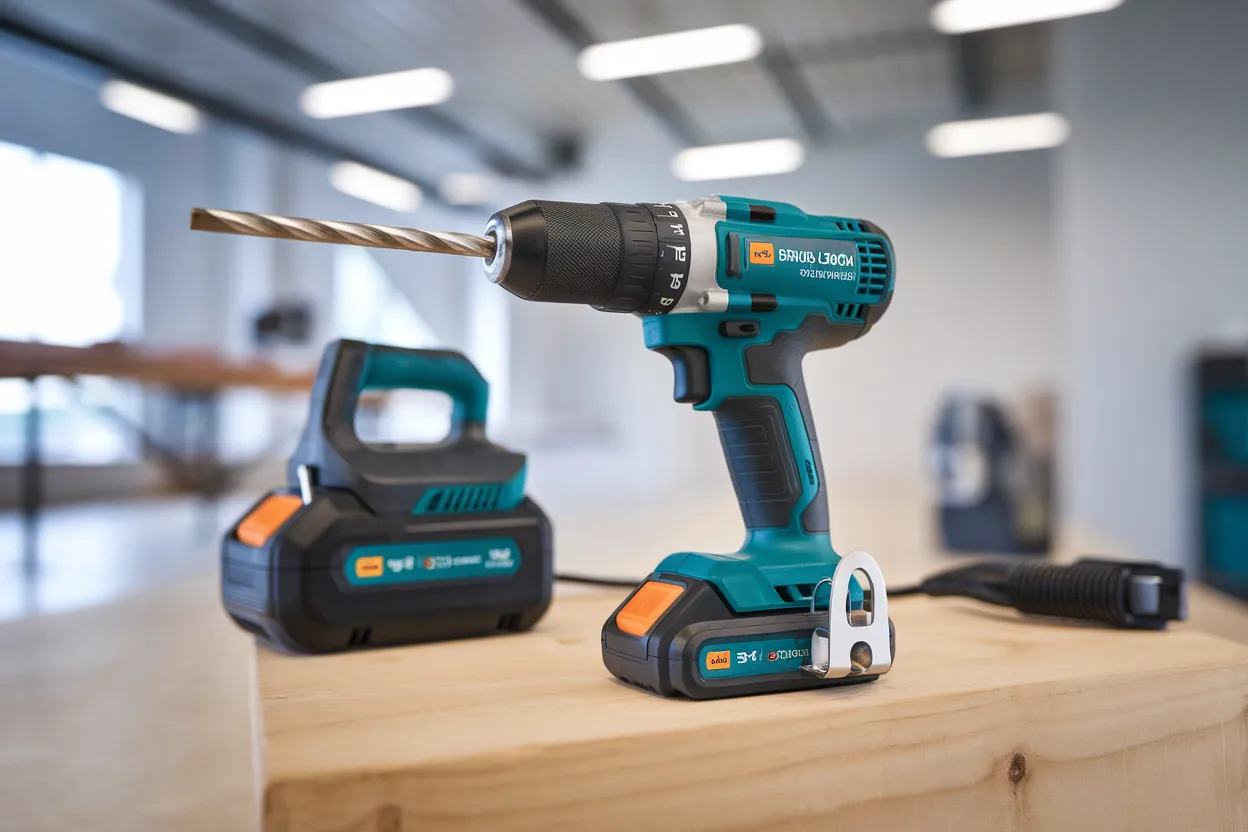
Many buyers think more SKUs mean a stronger launch. I usually see the opposite. Too many tools at the start can increase cost, delay samples, and create battery confusion before the brand even gets real market feedback3.
I believe new brands should not launch too many garden tools at once because early-stage success depends more on focus than on product count. A smaller lineup is easier to test, easier to explain, and much safer for inventory, certification, and after-sales support.
Why too many SKUs create false confidence
I often see buyers build a launch list based on excitement, not on launch logic4. They want a blower, trimmer, hedge trimmer, chainsaw, pruning shear, pressure washer, grass shear, and maybe even a tying machine in the first order. On paper, that looks complete. In real business, it creates too many moving parts.
Each extra SKU adds work. I need more sample checks. I need more packaging layouts. I need more spare parts planning. I need more instruction manuals. I need more carton testing. I need more production scheduling. I also need more quality checkpoints. If the buyer is new to cordless tools, each new tool also creates new technical questions.
A wide first launch often gives the buyer a nice catalog, but not a clean market entry5.
The real cost is not only the unit price
Many new buyers focus on unit price first. I understand that. But the real launch cost is much bigger than FOB price.
| Hidden Cost Area | What Happens When Too Many Tools Launch Early | Risk Level |
|---|---|---|
| Battery system | Too many pack types or unclear compatibility | High |
| Packaging | More artwork, more carton sizes, more delays | High |
| Certification | More files, more test reports, more compliance review | Medium to High |
| Spare parts | More SKUs to stock for service | High |
| MOQ pressure | More money tied in slow-moving stock | High |
| Sales training | Harder for distributors to explain product differences | Medium |
| After-sales | More failure points in the first season | High |
I have seen buyers in Europe ask for eight tools at first, then realize three of them have weak local demand. That stock then sits in the warehouse while the buyer keeps reordering only two or three tools. That is how capital gets trapped.
Why focus improves speed and market feedback
A smaller launch makes it easier to learn. That matters more than looking big on day one.
When a buyer launches three to five well-chosen tools, I can usually help them move faster. I can align battery packs. I can simplify packaging. I can keep the visual identity consistent. I can also help them compare which tools get repeat orders and which ones only get trial interest.
This is very important for Italy, Spain, and Germany. Many buyers in these markets already have channels. They do not need a huge catalog on day one. They need a reliable starting point that does not damage their brand.
What I usually recommend instead
I usually tell new brands to think in phases, not in a one-time launch.
| Launch Phase | Recommended Tool Count | Main Goal |
|---|---|---|
| Phase 1 | 3 to 5 SKUs | Test demand and battery acceptance |
| Phase 2 | 2 to 4 added SKUs | Expand based on sell-through data |
| Phase 3 | Wider lineup | Build platform depth and category strength |
That approach feels smaller, but it is often stronger. It gives the buyer real demand data. It also gives me, as the OEM partner, a clear way to improve the second order instead of guessing everything in the first order.
Why should I start with one cordless battery platform?
A cordless tool brand without a clear battery platform usually becomes hard to scale. I have seen good-looking launches fail because the battery system was too fragmented from the beginning.
I believe every new garden tool brand should start with one cordless battery platform because battery compatibility is the backbone of product logic, inventory control, user trust, and long-term margin.

The battery is not an accessory
In cordless garden tools, the battery is the system. It is not just a power source. It decides how the customer sees the brand.
If a buyer launches a blower on one battery, a trimmer on another battery, and a hedge trimmer on a third battery, the product line looks disconnected. End users get confused. Dealers get annoyed. The buyer needs to stock more chargers, more battery packs, and more spare parts.
That creates cost very quickly.
I always tell buyers that a battery platform is one of the strongest reasons a user comes back to buy the second and third tool. If the first tool works well and the battery fits other tools, the next sale becomes easier.
Why one platform reduces risk for Europe
For buyers in Germany, Italy, and Spain, a unified battery system helps in more than just marketing. It also supports cleaner operations.
| Battery Platform Benefit | Why It Matters for Importers and Brands |
|---|---|
| Easier SKU structure | Fewer battery and charger combinations |
| Lower inventory risk | Less dead stock across packs and chargers |
| Better sell-through | Users see value in multi-tool compatibility |
| Easier compliance handling | Fewer battery-related document sets to manage |
| Simpler service | Fewer replacement parts and warranty issues |
| Cleaner pricing logic | Better bundle offers for retail and e-commerce |
Battery rules matter more than many new buyers expect. Shipping lithium batteries needs planning. Compliance documents must be organized. Product listings need accurate battery details. If the system is messy, every later step becomes harder.
Which platform should a new brand choose first?
I usually suggest choosing the platform based on the tool group, not on the biggest voltage number printed on the carton.
For many first-stage cordless garden tools, a 20V or 21V class platform is often the safest starting point. It works well for blowers, grass trimmers, hedge trimmers, pruning saws, and many entry-to-mid-level garden tasks. In some markets, 40V makes sense later when the buyer wants more power positioning or wants to compete in larger garden segments.
| Tool Type | Good First Platform | Why |
|---|---|---|
| Cordless blower | 20V / 21V | Good balance of cost and usability |
| Grass trimmer | 20V / 21V | Easy platform match for starter lineup |
| Hedge trimmer | 20V / 21V | Common demand and shared battery logic |
| Pruning saw | 20V / 21V | Good for compact cutting tools |
| Small chainsaw | 20V / 21V or dual-pack strategy later | Depends on bar length and target use |
| High-demand pro garden tools | 40V later | Better for premium expansion |
My practical rule for first launches
My rule is simple. If a tool does not fit the first battery platform, I usually ask whether it really belongs in the first launch.
That one question saves many buyers from making an expensive mistake.
What makes a good first garden tool SKU?
A first SKU6 should be easy to understand, easy to sell, and easy to support. A tool can look exciting, but that does not mean it is a good first product for a new brand.
I believe a good first garden tool SKU should have clear demand, low training burden, stable quality performance, manageable certification needs, and strong fit with one shared battery platform.
The first SKU is a market test tool
I do not treat the first SKU as just a product. I treat it as a test of the whole business model.
A good first SKU should answer several questions at once:
- Can the buyer sell this quickly?
- Can the end user understand the value quickly?
- Can the battery platform support follow-up tools?
- Can the importer manage compliance and logistics easily?
- Can the factory keep quality stable at repeat order level?
If the answer is unclear, the SKU may be exciting, but it is not ideal for a first launch.
The key filters I use before recommending a first SKU
| Evaluation Factor | What I Look For | Why It Matters |
|---|---|---|
| Demand clarity | Common need in target market | Easier first sell-through |
| Price positioning | Not too cheap, not too niche | Better margin and less price war |
| Battery fit | Clean match with shared platform | Supports future expansion |
| User learning curve | Easy to understand in one listing or one shelf pitch | Faster adoption |
| Warranty risk | Stable motor, stable electronics, low misuse risk | Better after-sales control |
| MOQ feasibility | Practical for first order | Lower cash pressure |
| Packaging efficiency | Standard carton and accessories | Faster launch |
| Seasonal stability | Can sell across more than one short season | Better stock safety |
Why easy-to-explain products win first
I have seen a simple blower outsell a more technical tool because the buyer could explain it in ten seconds. That matters.
If a distributor or e-commerce seller needs too much education before the customer understands the tool, the launch becomes slower. A first SKU should have a clear value line. For example:
- Blow leaves and dust quickly
- Trim grass edges easily
- Shape hedges cleanly
- Cut branches without fuel and cord
Simple value sells faster.
What I avoid for a first SKU
I usually avoid tools that depend too much on special user habits, narrow use cases, or aggressive power claims. I also avoid tools where poor battery matching will create disappointment fast.
| Weak First SKU Signal | Why I Get Cautious |
|---|---|
| Very niche use case | Hard to build volume |
| Too many included accessories | More cost and more confusion |
| High power expectation vs small battery | More customer complaints |
| Heavy training needed | Slower dealer acceptance |
| Too many variants | Harder to forecast inventory |
| Unclear target user | Weak product story |
The best first SKU is rarely the most exciting tool in the catalog. It is the tool that helps the second order happen.
Which are the best first cordless garden tools for new brands?
Many new buyers ask me for the perfect first list. There is no universal list, but there is a very safe starting structure that works in many markets.
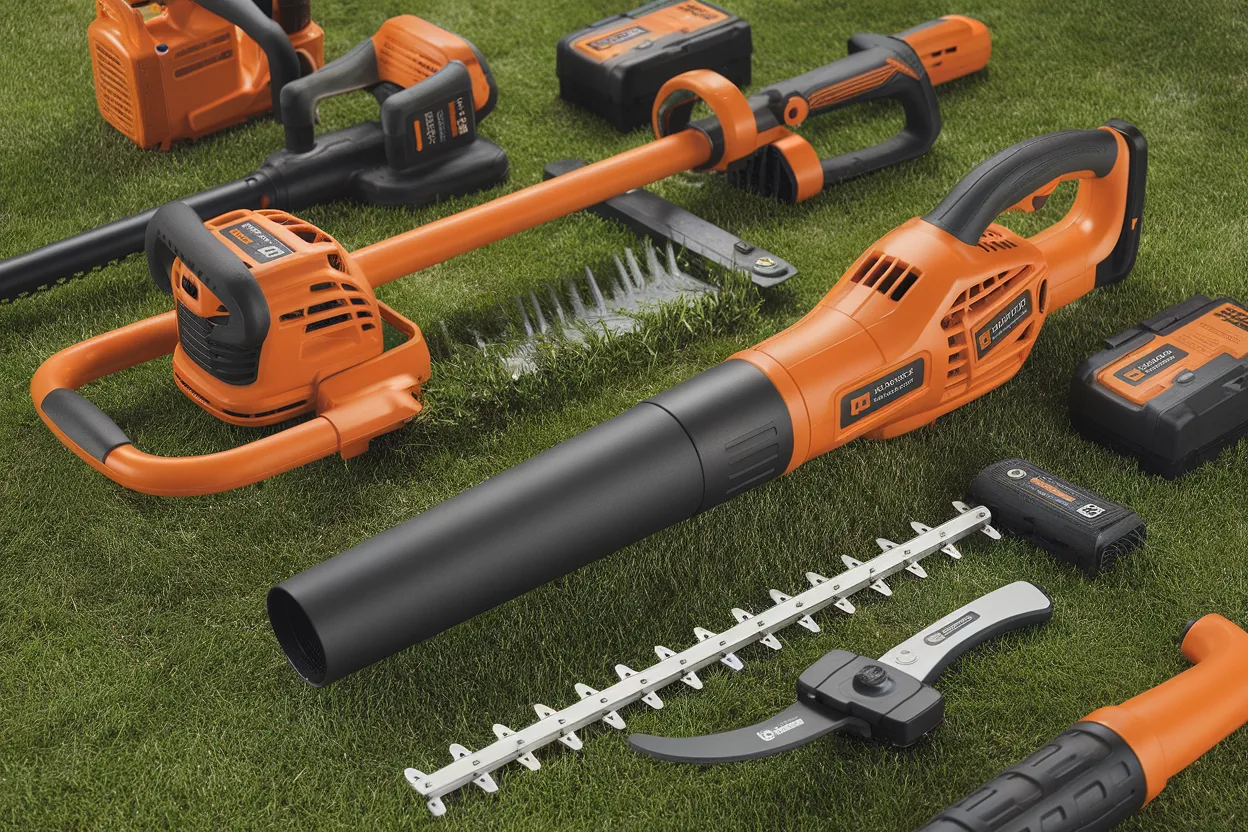
I believe the best first cordless garden tools for new brands are usually blower, grass trimmer, and hedge trimmer, with pruning saw or pruning shear added only when the target market and channel clearly support them.
My preferred first-lineup structure
When a new buyer wants a practical first lineup, I usually think in layers.
Core tools
- Cordless blower
- Cordless grass trimmer
- Cordless hedge trimmer
Optional early add-ons
- Cordless pruning saw
- Cordless pruning shear
Usually later
- Larger chainsaw ranges
- Vacuum blower combinations
- Specialty garden SKUs
- Very niche orchard tools
This gives the buyer a balanced launch. It covers cleaning, trimming, and shaping. Those are easy consumer stories. They also fit many retail and e-commerce channels.
Why this lineup works across many buyer types
| Buyer Type | Best First Tools | Reason |
|---|---|---|
| Private label garden brand | Blower, trimmer, hedge trimmer | Clean brand story and battery platform fit |
| Importer / distributor | Blower, trimmer, hedge trimmer, pruning saw | Broad channel demand |
| Amazon or e-commerce seller | Blower, pruning shear, compact trimmer | Strong listing clarity and bundle potential |
| Hardware chain | Blower, hedge trimmer, trimmer | Easy shelf explanation |
| Orchard or vineyard focused buyer | Pruning shear, pruning saw, compact blower | Targeted use case |
I often adjust the lineup by channel, not just by tool category. A product that works for a retail chain may not be the best first SKU for an Amazon seller.
Why not chainsaw first in every case?
Many buyers want to start with a chainsaw because it feels strong and attractive. I understand that. But I usually ask a few questions first.
- What bar length?
- Who is the real end user?
- Is this homeowner, semi-pro, or professional?
- Is the battery platform strong enough?
- Will the customer compare it to petrol saws?
- Does the buyer understand chain, bar, oiling, safety, and spare parts?
That is why chainsaws can be excellent products, but not always the safest first launch for a new brand that is still learning the category.
A practical first-order mix example
| Tool | Suggested Role | Why It Works Early |
|---|---|---|
| Cordless blower | Hero traffic tool | Broad appeal, simple value |
| Grass trimmer | Core garden maintenance tool | Strong seasonal demand |
| Hedge trimmer | Shape and finish tool | Good bundle logic |
| Pruning saw | Optional depth tool | Strong if branch-cutting demand is clear |
| Pruning shear | Optional specialty tool | Great in orchard-focused markets |
That mix gives a new brand room to test without overcommitting.
Why are blower, trimmer, and hedge trimmer often the safest starting point?
Some tools are safer because they are easier to explain, easier to position, and easier to support. Blower, trimmer, and hedge trimmer often fit that rule very well.
I believe blower, grass trimmer, and hedge trimmer are often the safest first cordless garden tools because they cover broad demand, fit one battery platform well, and create fewer technical misunderstandings than more specialized tools.
They match common homeowner demand
These three tools solve common garden tasks in many countries:
- Blow leaves, dust, and light debris
- Trim grass edges and small overgrowth
- Cut and shape hedges and bushes
That matters because the buyer does not need to educate the market from zero. The user already understands the use case.
In Italy and Spain, I often see good early interest in practical outdoor maintenance tools for seasonal home and garden care. In Germany, buyers often ask more detailed questions about battery runtime7, safety8, spare parts9, and build quality4. These three tools still work well because the product story is clear.
They support clean battery platform logic
These tools often sit well in the same 20V or 21V class battery family. That helps the buyer create a real cordless platform, not just separate products.
| Tool | Battery Platform Fit | User Value |
|---|---|---|
| Cordless blower | Strong | Easy first-use satisfaction |
| Grass trimmer | Strong | Daily maintenance value |
| Hedge trimmer | Strong | Visible result and clean finish |
This matters for bundle offers too. A buyer can sell:
- Tool only
- 1 battery kit
- 2 battery kit
- Cross-sell second tool without extra charger
That is good business structure.
They usually create fewer early service headaches
No cordless tool is risk-free. But some tools are easier to stabilize in early-stage private label programs.
Blowers, trimmers, and hedge trimmers usually allow cleaner performance expectations when the product is positioned honestly. The buyer does not need to fight unrealistic comparisons with petrol saws or industrial cutting tools as often.
That does not mean quality does not matter. It matters a lot. Motor quality, switch feel, vibration control, blade quality, shaft structure, and battery output all matter. But the user expectation10 is usually easier to manage.
They are easier to build a brand around
These tools also help visually. A new brand needs a clean first impression. A blower, trimmer, and hedge trimmer family can look like a system. That helps with:
- Product page consistency
- Retail shelf story
- Catalog design
- Dealer presentation
- Battery platform communication
I often tell buyers that the first lineup should look like a family, not like random cousins.
When do pruning saws and pruning shears make sense early?
Some buyers should add pruning saws11 or pruning shears12 early. Others should wait. The right answer depends on channel, user type, and regional demand.
I believe pruning saws and pruning shears make sense early when the buyer serves orchard, vineyard, landscaping, or specialty garden channels, and when the product story is specific rather than broad.
These tools are strong when the user problem is clear
Pruning saws and pruning shears are not bad early tools. In the right market, they can be excellent.
I especially pay attention when the buyer sells into:
- Vineyards
- Orchards
- Olive farms
- Fruit tree maintenance
- Professional landscaping
- Specialty agriculture channels
In these channels, the end user already understands why the tool matters. That reduces education cost.
Why pruning shears can be powerful for the right buyer
Pruning shears often perform very well when the buyer has a focused audience. They solve hand fatigue. They improve speed. They feel premium. They also create a clear upgrade story from manual tools.
| Condition | Why Pruning Shears Make Sense Early |
|---|---|
| Buyer sells into orchard or vineyard markets | Strong real-world demand |
| End users already use manual pruners heavily | Clear upgrade path |
| Buyer can explain cutting diameter and battery runtime well | Easier product trust |
| Brand wants a premium specialist image | Strong differentiation |
I have seen pruning shears work very well in markets where labor efficiency matters more than broad mass-market appeal.
Why pruning saws can bridge mass and specialty demand
Pruning saws are interesting because they can sit between general garden tools and more specialized cutting tools.
A compact cordless pruning saw can be easier to launch than a full chainsaw line. It gives branch-cutting ability, but it usually carries less complexity than a larger saw program.
Still, I watch these details carefully:
- Bar length fit
- Chain speed expectations
- Safety messaging
- Lubrication design
- Spare chain and bar support
- Battery discharge performance
If those points are not handled well, the tool can create complaints fast.
When I tell buyers to wait
I usually tell a new brand to wait on pruning shears or pruning saws if:
| Warning Sign | Why I Prefer to Delay |
|---|---|
| No clear orchard or landscaping channel | Demand may be too narrow |
| Buyer wants mass retail first | Broader tools may convert faster |
| Battery platform is not stable yet | Tool performance may disappoint |
| After-sales support is weak | Cutting tools need cleaner spare parts planning |
| Marketing team cannot explain the use case clearly | Product may look interesting but not sell well |
These tools can be very strong. They just need a sharper reason to exist in the first launch.
Which garden tools are usually better to launch later?
Some tools are attractive, but they are better as phase-two or phase-three products. I often recommend waiting until the brand has proven sell-through and battery acceptance first.
I believe some cordless garden tools are better to launch later because they need stronger battery confidence, more user education, more spare parts planning, or more specialized market demand than a new brand usually has at the beginning.
Tools I usually place in later stages
I do not reject these tools. I just usually move them later in the roadmap.
Common later-stage tools:
- Larger cordless chainsaws
- Vacuum blower combinations
- Specialty grass shears
- Tying machines
- Niche orchard tools
- Very high-power 40V-only tools
- Complex multi-accessory kits
These tools often make more sense after the buyer understands:
- Which battery platform is winning
- Which channel is strongest
- What price band converts best
- What service issues appear in real use
Why larger chainsaws often need more maturity
A larger cordless chainsaw line can be a strong category. But it is not always a beginner category.
| Chainsaw Launch Challenge | Why It Matters |
|---|---|
| Higher power expectations | Users compare with petrol tools |
| More safety sensitivity | Retail and compliance communication matter more |
| Spare parts complexity | Chain, bar, covers, accessories |
| Battery drain pressure | Runtime complaints can hurt brand trust |
| Wider use variation | Homeowner vs pro expectations differ a lot |
I usually want the buyer to understand their customer better before expanding hard into larger saws.
Why niche tools can trap inventory
A tying machine can be excellent in the right market. A grass shear can be useful. A vacuum blower can look premium. But if the buyer does not have a clear audience, these products can become slow stock.
I have seen buyers order niche tools because they wanted a "complete catalog." Later, they discover those tools get attention but not repeat orders.
That is why I prefer to earn the right to expand.
A better later-stage expansion method
| Stage | Expansion Logic |
|---|---|
| After first season | Add tools that use the same battery and same customer profile |
| After strong repeat orders | Add adjacent tools with clear bundle logic |
| After channel feedback | Add niche tools for specific dealer groups or regions |
| After service data is stable | Add more technical or higher-power tools |
That approach keeps growth disciplined. It also protects margin and brand trust.
How should a good OEM partner help me choose the first lineup?
A good OEM partner13 should do more than quote prices. If a factory only sends a catalog and waits for your PO, that is not enough for a new cordless tool brand.
I believe a good OEM partner should help a new brand choose the first lineup by simplifying battery strategy, narrowing the SKU list, explaining certification and MOQ clearly, and matching products to real market demand instead of pushing the widest catalog.
A real OEM partner should challenge bad decisions
I do not think my job is to say yes to every SKU request. My job is to help the buyer avoid early mistakes.
If a buyer sends me a list of ten tools for a first launch, I should not just quote all ten. I should ask:
- Which market first?
- Which channels first?
- What battery platform do you want to build?
- What is your target retail price?
- What MOQ can you safely handle?
- Do you need CE, GS, EMC, or other local documents?
- Do you want OEM speed or ODM differentiation?
- What is your first-season goal: volume, testing, or premium positioning?
That conversation matters more than the catalog.
What I believe a proper first-lineup review should include
| OEM Support Area | What a Good Partner Should Do |
|---|---|
| Battery planning | Recommend one clean platform first |
| SKU filtering | Cut weak or risky first-stage tools |
| Certification guidance | Explain CE, EMC, GS, battery paperwork, labeling |
| MOQ planning | Build a realistic first-order structure |
| Packaging strategy | Keep brand identity clean across first SKUs |
| Spare parts planning | Prepare basic after-sales support logic |
| Lead time clarity | Explain sample and bulk timelines honestly |
| Market fit advice | Adjust by Italy, Spain, Germany, or other channel needs |
This is especially important for buyers entering from adjacent industries. Many of them already know distribution, retail, and margin. They do not need a supplier who only repeats basic sales lines. They need a partner who can reduce uncertainty.
What I do in real projects
When I work with a new buyer, I usually try to reduce complexity first. I often suggest:
- 1 battery platform
- 3 to 5 starting SKUs
- 1 clear quality level
- 1 packaging direction
- 1 first target market
- 1 simple certification checklist
- 1 reorder logic based on first-season data
That structure helps the buyer move from idea to action.
At YOUWE, I usually think about the first lineup as a business system, not just a sample list. I look at battery compatibility, product maturity, certification14 support, MOQ, lead time, and how the buyer will actually sell the tools. That is why many importers and private label brands tell me the real value is not only the product itself. The real value is that the first step feels manageable.
The warning signs of a weak OEM relationship
| Warning Sign | Why It Is Dangerous |
|---|---|
| Factory pushes too many models | They may care more about catalog size than launch success |
| No battery roadmap | Future expansion becomes messy |
| Vague on certification | Import risk increases |
| Unclear MOQ logic | Cash planning becomes weak |
| No spare parts discussion | Warranty issues come later |
| No channel questions | Product fit is being guessed |
If the supplier never asks how you plan to sell, they may not really understand how to help you launch.
Conclusion
If I were building a new cordless garden tool brand today, I would not start wide. I would start smart. I would build around one battery platform, choose three to five proven tools, and let the first season teach me what deserves expansion. In my experience, buyers in Europe and other mature markets do not need the biggest catalog first. They need a lineup that feels clear, reliable, and easy to scale. If you are entering cordless garden tools from outside the category, that caution is not weakness. It is a real advantage. If you want, I can help you map a first lineup based on your target market, battery strategy, MOQ, and certification needs before you commit to samples or production.
-
Explore this link to discover essential cordless garden tools that are perfect for new brands entering the market. ↩
-
Learn about the optimal tool mix that balances demand and operational efficiency. ↩
-
Understand the importance of market feedback in refining product offerings and ensuring success. ↩
-
Learn about the principles of launch logic and how it can guide successful product introductions. ↩ ↩
-
Discover effective strategies for a successful market entry that minimizes risks. ↩
-
Explore the characteristics of an ideal first SKU that can set the stage for future success. ↩
-
Understand the key elements that influence battery performance in garden tools. ↩
-
Find out which safety features can protect you while using garden tools. ↩
-
Learn why having access to spare parts is crucial for maintaining your garden tools. ↩
-
Explore the characteristics that contribute to the durability of garden tools. ↩
-
Discover how managing user expectations can lead to better customer satisfaction. ↩
-
Learn about the specific scenarios where pruning saws are most beneficial. ↩
-
Discover how pruning shears can enhance your gardening efficiency and comfort. ↩
-
Understand the qualities of a good OEM partner that can support your brand. ↩