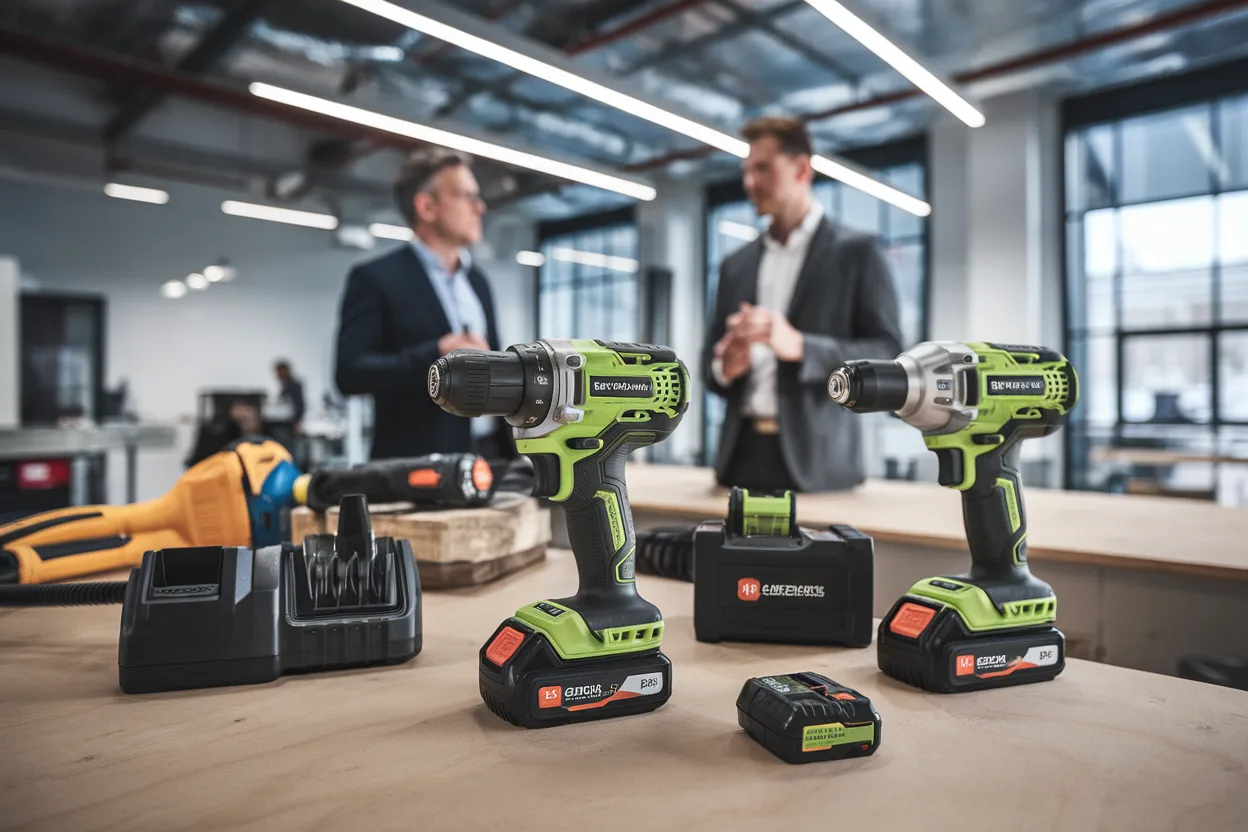
Many new buyers enter cordless tools with too many ideas at once. I see this often. They try to launch too many models, too many batteries, and too many categories. They create cost, confusion, and slow decisions before the first order even starts.
I believe the safest way to build your first cordless tool line is to start small, use one battery platform, choose a few high-demand tools, and expand only after real market feedback. This lowers risk, keeps sourcing simple, and makes your brand easier to sell.
I have spoken with many importers in Italy, Spain, Germany, and other markets who wanted to enter cordless tools fast. Most of them did not fail because demand was weak. They struggled because their first product line was too wide, too mixed, and too hard to manage. I want to show how I would build a first cordless tool line1 in a cleaner and more profitable way.
Why can too many SKUs hurt a new cordless tool launch?
When I see a first-time buyer build 20 or 30 SKUs before launch, I usually know the project will become slow and expensive. Too many SKUs look impressive on paper, but they often create supply chain pressure2 before sales even begin.
Too many SKUs can hurt a new cordless tool launch because they increase MOQ pressure, slow packaging work, create inventory risk, and make battery system decisions harder for new brands.
Too many SKUs create fake confidence
I often see new buyers believe that a bigger catalog looks more professional. I understand that feeling. A wide product list can make a new brand look serious. But in cordless tools, width without structure usually creates weak execution.
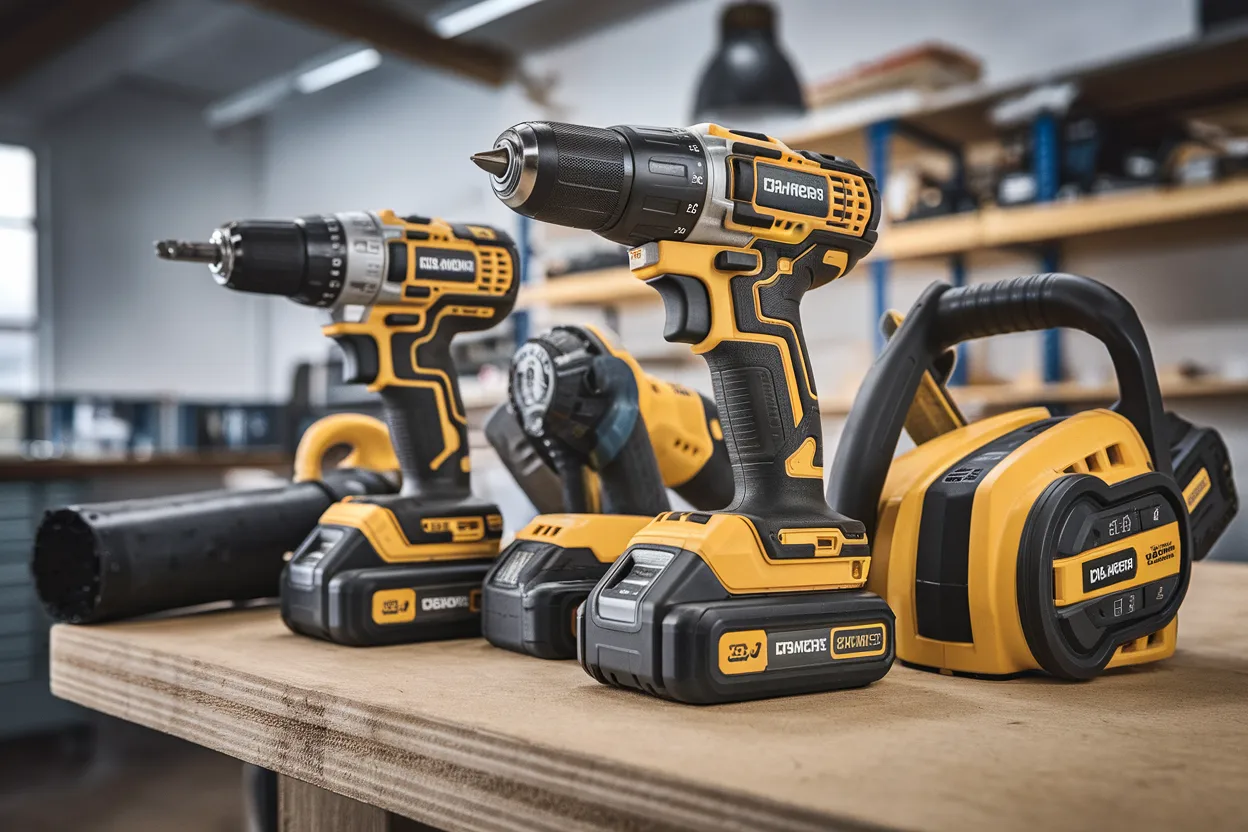
If a buyer launches a cordless drill, an angle grinder, a chainsaw, a blower, a rotary hammer, a hedge trimmer, and a vacuum at the same time, I already know several problems will appear. The battery draw is different. The user type is different. The safety rules are different. The packaging story is different. The spare parts logic is different.
A cordless tool line is not just a list of products. It is a system. If the system is messy, the launch becomes messy.
SKU count affects MOQ, cash flow, and warehouse pressure
Every SKU creates hidden cost. Many new importers focus only on unit price. I focus on total launch cost. A product with a low ex-factory price can still be expensive if it adds battery complexity3, charger variation, carton changes, and low-turn inventory.
| SKU Impact Area | What Usually Happens | Why It Hurts a New Brand |
|---|---|---|
| Product MOQ | Each tool has its own minimum | Cash gets spread too thin |
| Packaging | Each model needs separate box art and manuals | Design work becomes slow |
| Spare Parts | More models need more support items | After-sales becomes messy |
| Compliance | Some categories need different testing focus | Europe launch becomes slower |
| Inventory | Slow movers sit in stock | Working capital gets trapped |
| Sales Training | Sales teams need more product knowledge | Sell-through becomes weaker |
Europe buyers feel this problem earlier than they expect
When I work with buyers in Germany, Spain, or Italy, I often notice that they already understand business, but they do not yet understand cordless platform logic. They may already sell hand tools, garden supplies, or industrial items. They know distribution. They know channel margin. But cordless tools introduce a new layer: batteries, chargers, safety, runtime claims, motor differences, and certification files.
This is where too many SKUs become dangerous. One wrong launch can create too many small reorders, too many dead items, and too many customer questions4. I have seen buyers order a full-looking line, then discover that only 3 models actually move.
I would rather see a small line with strong logic
If I were helping a new private label brand start from zero, I would rather build 4 strong SKUs that work together than 14 weak SKUs that only fill pages in a catalog. A clean launch makes it easier to explain value, easier to test pricing, and easier to collect real feedback. It also makes the next phase much smarter.
Should you start with one battery platform instead of multiple systems?
Many first-time buyers think more voltage options mean more market coverage. In reality, multiple battery systems often create confusion and waste. I almost always recommend one battery platform5 first.
I believe a new cordless tool line should start with one battery platform because it keeps development simple, lowers inventory risk, improves brand clarity, and makes future expansion easier.
One platform creates a clear product story
A cordless line is easier to sell when customers understand one simple message. I like messages such as: "All core tools run on one 21V platform" or "One battery system for home and semi-pro users."
That message is powerful. It is easy for distributors to explain. It is easy for e-commerce pages to present. It is easy for retail staff6 to remember.
If you start with 12V, 16.8V, 21V, and 40V all at once, your product line may look flexible, but your message becomes weak. Buyers start asking: Which one is the real system? Which one will you support long term? Which charger works with which tools? Which battery is the hero product?
Battery platform discipline protects your first order
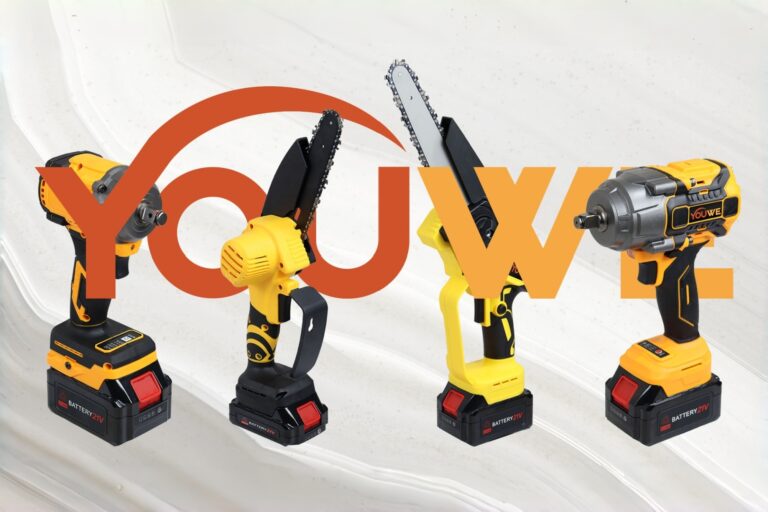
At YOUWE, I often guide buyers to build around one platform first, especially 21V for broad entry-level and mid-level demand. A 21V system can support a large range of tools: drill, impact driver, angle grinder, reciprocating saw, blower, grass trimmer, mini chainsaw, hedge trimmer, and more.
| Platform Choice | Good for First Launch? | Why |
|---|---|---|
| 12V | Sometimes | Good for compact DIY, but range is narrower |
| 16.8V | Sometimes | Useful in some markets, but less universal for line building |
| 21V | Yes | Broadest balance of cost, power, and expansion room |
| 40V | Usually not first | Better for heavier garden tools, but higher entry risk |
Certification and battery rules get easier when the system is unified
Europe buyers care about compliance7. They should. When I prepare for markets like Germany, Italy, and Spain, I do not only think about product performance8. I also think about document flow, label consistency, battery transport, charger specs, and file management.
A unified battery system reduces the number of battery packs, chargers, carton labels, UN38.3 document paths, and internal BOM variations you need to control. That matters a lot when your team is new to cordless tools.
It also makes future reorders smoother. Your purchasing team learns one platform. Your warehouse learns one platform. Your after-sales team learns one platform. Your customers learn one platform.
A good platform should support future growth, not only first launch
I do not choose a battery platform only for today's first order. I choose it for what the line can become in 12 to 24 months. If the first 4 tools succeed, I want the next 6 tools to fit naturally into the same ecosystem.
That is why I often tell buyers: do not ask, "What tools can I launch now?" Ask, "What platform can support my next 10 tools without rebuilding everything?"
Which high-demand anchor tools should you choose first?
A first cordless tool line should not begin with niche products. It should begin with tools that sell often, explain your battery system clearly, and make the line feel useful from day one.
I recommend starting with high-demand anchor tools that sell fast, show clear value, and make your battery platform easy for distributors and end users to understand.
Anchor tools are not just top sellers
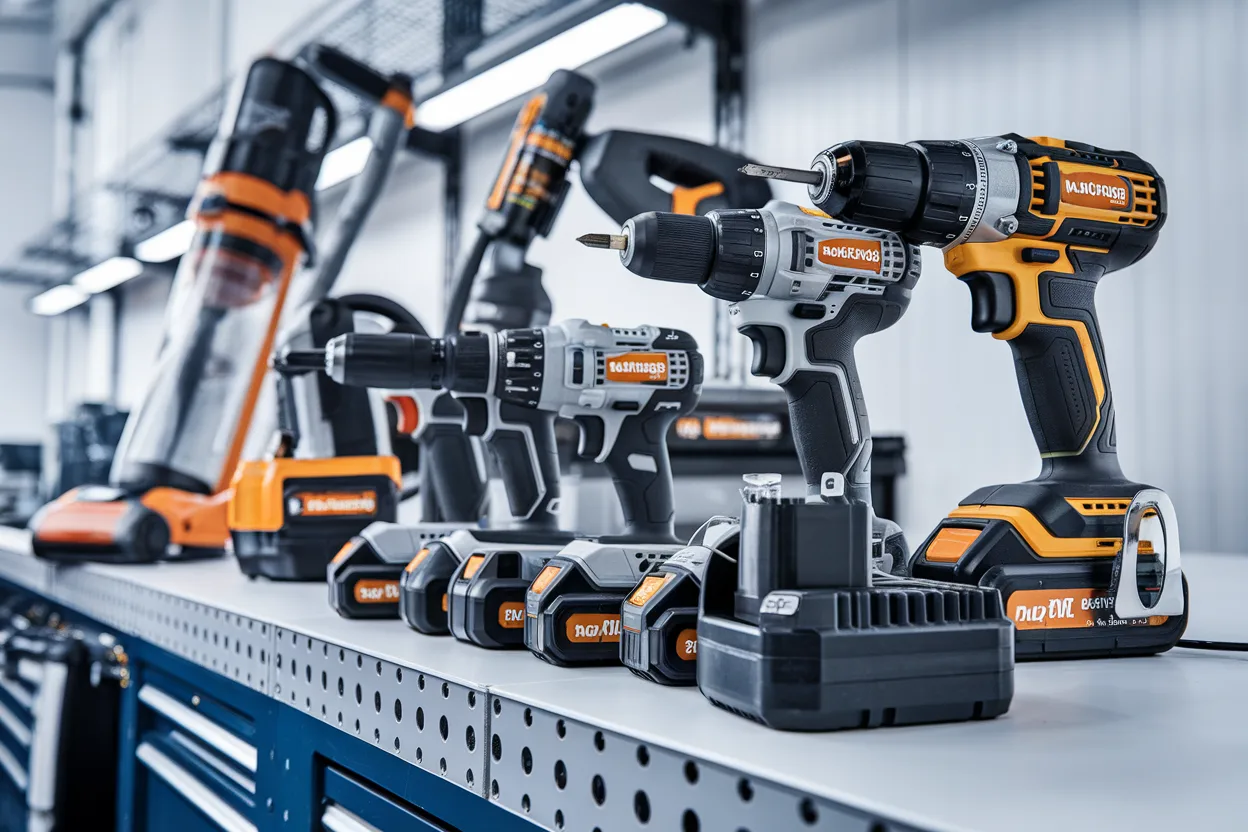
Many people think anchor tools simply mean "best-selling products." I use a stricter rule. An anchor tool must do three jobs at the same time:
- It must have stable demand
- It must introduce the battery platform well
- It must help sell the next tool in the line
That is why I often start with a drill or impact driver in power tools, and a blower or mini chainsaw in garden tools, depending on the buyer's market and channel.
My practical first-line combinations
If a buyer comes from hardware retail or e-commerce, I usually build around simple, proven demand. I do not start with the most complex or the most "interesting" product. I start with the products that explain the platform.
| Category Focus | Good First Anchor Tools | Why I Like Them |
|---|---|---|
| Power Tool Entry | Cordless drill, impact driver, angle grinder | Broad demand and easy platform explanation |
| Garden Tool Entry | Mini chainsaw, blower, grass trimmer | Strong visual value and seasonal demand |
| Mixed Entry | Cordless drill, blower, mini chainsaw | Covers home + garden with one platform |
| Retail Shelf Focus | Drill combo kit, blower kit | Easier packaging and clear buyer choice |
I match anchor tools to buyer channel, not personal taste
This is where many first launches go wrong. Buyers choose products they personally like. I do not do that. I match tools to channel logic.
If the customer sells on Amazon or other online channels, visual appeal9 matters more. A compact chainsaw, pruning shear, or blower can create faster attention. If the customer sells through distribution, repeat-demand tools like drills and grinders can build steadier reorder patterns.
If the customer serves garden stores in Italy or Spain, seasonal tools may work first. If the customer sells through industrial or trade channels in Germany, core workshop tools may make more sense first.
I avoid complex anchor tools in the first wave
I usually avoid making rotary hammer, large chainsaw, high-power hedge trimmer, or specialized professional tools the first anchor unless the buyer already has deep experience in that exact segment. Those products can be excellent later. But for a first cordless line, they often bring more risk than clarity.
I want the first line to be easy to explain, easy to stock, and easy to reorder.
Should you build around real usage clusters instead of random categories?
A strong cordless line should feel natural to the end user. It should feel like a set of tools that belong together. I do not like random category mixing without user logic.
I believe a first cordless tool line should be built around real usage clusters because customers understand it faster, retailers sell it easier, and the battery platform feels more valuable.
Usage clusters make the line feel useful
A usage cluster means the tools belong to one real job pattern. I ask simple questions:
- What does the end user do on a normal workday?
- Which 3 to 5 tools naturally support that job?
- Which battery can power all of them?
- Which accessories can be shared?
This is better than asking, "Which products look good in a catalog?"
A cordless line should feel like a solution, not a random list.
Examples of good first usage clusters
I often use simple cluster logic when I help buyers design their first OEM or ODM roadmap.
| Usage Cluster | Example Tools | Why It Works |
|---|---|---|
| Home Maintenance | Drill, impact driver, angle grinder, work light | Clear DIY and repair use case |
| Light Garden Care | Blower, mini chainsaw, grass trimmer, hedge trimmer | Easy seasonal retail story |
| Property Upkeep | Drill, blower, mini chainsaw, car washer | Broad homeowner appeal |
| E-commerce Giftable Tools | Mini chainsaw, pruning shear, blower | High visual click value |
Random categories confuse sales teams and customers
If I see a first launch with a drill, tile machine, grease gun, hedge trimmer, vacuum cleaner, and glue gun all together, I know the line has no natural center. Yes, each tool may be valid. But together, they do not tell one story.
Retailers will not know where to place them. Sales teams will not know how to pitch them. Buyers will not know what to reorder first. End users will not see why the battery system matters.
When tools are grouped by real use, the line becomes easier to merchandise. It also becomes easier to build bundles, promotions, and content for AI search and Google search.
Usage clusters help OEM planning too
From a factory side, usage clusters10 also improve internal planning. We can align battery capacity, charger options, carton sizes, accessory kits, and packaging claims more cleanly. That means fewer mistakes and a more controlled launch.
I often tell buyers that product line logic11 is not only a marketing issue. It is a sourcing issue, a warehouse issue, and an after-sales issue too.
If a cordless line uses too many batteries and chargers, the SKU count12 can quietly double even when the tool count looks small. This is one of the most common mistakes I see.
Shared batteries and chargers keep SKU count under control because they reduce accessory variation, simplify packaging, lower inventory complexity, and make the product line easier to scale.

Accessory SKUs are the hidden SKU problem
A buyer may think they are launching 6 products. But if each product uses different battery sizes, different chargers, and different kit formats, the real SKU count can become 15 or 20.
This is why I always count the full system, not only the bare tools.
| Item Type | Example | Hidden SKU Risk |
|---|---|---|
| Bare Tool | Drill only | Low |
| Battery Pack | 2.0Ah, 4.0Ah, 5.0Ah mixed too early | High |
| Charger | Standard charger, fast charger, region-specific charger | High |
| Combo Kit | Tool + 1 battery + charger | Medium |
| Double Battery Kit | Tool + 2 batteries + charger | Medium to High |
| Replacement Parts | Separate support packs | Medium |
I prefer simple battery and charger logic in phase one
For a first cordless line, I usually recommend a clean setup like this:
- One main battery form factor
- One or two battery capacities maximum
- One standard charger
- Optional fast charger only if the buyer has a strong reason
- Clear kit structure across the line
This makes pricing easier13. It also makes carton planning14 easier. It reduces mistakes in purchase orders15 and warehouse picking16.
Shared accessories improve margin quality
Many buyers focus on product margin17 by SKU. I look at system margin18. When batteries and chargers are shared, you can balance the line better.
For example, a high-rotation drill kit may bring steady volume. A bare-tool blower or bare-tool angle grinder can then become an easier add-on sale because the customer already owns the battery. That improves repeat sales without forcing a full kit every time.
This is one reason strong cordless ecosystems19 create better lifetime customer value20 than one-off tools.
Shared systems also help Europe importers manage service better
If a distributor in Spain or Germany needs replacement batteries21, warranty support22, or accessory stock, a shared system is much easier to manage than multiple small battery families. Service becomes more predictable. Spare stock becomes more efficient. Customer complaints become easier to solve.
This matters more than many new buyers expect. A cordless line is not only about the first shipment. It is about how cleanly the second, third, and tenth shipment can run.
How do you launch a line that feels complete without being oversized?
A small cordless line can still look professional. It does not need 30 models. It needs structure, consistency, and clear use cases. That is what makes a line feel complete.
A first cordless tool line feels complete when the products fit one battery story, cover clear user jobs, and offer logical kit options without forcing too many separate models.
Completeness comes from logic, not quantity
I often tell buyers that customers do not count models the way factories do. End users care about whether the system feels usable. Retail buyers care about whether the shelf story is clear. Distributors care about whether the range is easy to reorder.
That means a line can feel complete with 4 to 8 well-planned SKUs if:
- The battery system is clear
- The tools cover a real use cluster
- The kits are easy to understand
- The packaging looks consistent
- The pricing ladder makes sense
My preferred first-line structure
This is a simple structure I like for a first private label launch.
| Role in Line | Example | Purpose |
|---|---|---|
| Hero Tool | Drill kit or blower kit | Main traffic driver |
| Visual Tool | Mini chainsaw or angle grinder | Strong click and shelf appeal |
| Practical Add-on | Bare tool trimmer or reciprocating saw | Easy second purchase |
| System Support | Shared battery + charger | Platform trust |
| Upgrade Option | Higher Ah battery or combo set | Basket growth |
This kind of structure makes the line feel planned. It does not feel empty. But it also does not create too much inventory risk.
Packaging consistency matters more than buyers expect
A line often feels bigger when the branding is consistent. If the boxes, icons, battery language, and platform naming all match, even 5 products can look like a serious system.
At YOUWE, I often help buyers use this advantage. A clean visual system can make a smaller launch feel stable and intentional. This is especially useful for buyers testing a new cordless category without overcommitting.
A clean line also helps digital selling
This matters a lot for AI search, Google search, Amazon, and distributor websites. If your first cordless line is too mixed, your product pages become hard to structure. Your comparison charts become messy. Your battery explanation becomes long. Your FAQ becomes heavy.
A smaller but well-structured line is easier to present in content, easier to rank, and easier to convert.
Why should you expand in phases based on real market feedback?
I do not believe in building the full cordless roadmap before the first shipment proves anything. I believe in phased expansion23. Real market behavior is more useful than early assumptions.
You should expand in phases because real sales, customer questions, reorder speed, and return data show which tools deserve the next investment and which ones should wait.
Phase one should test system fit, not only product demand
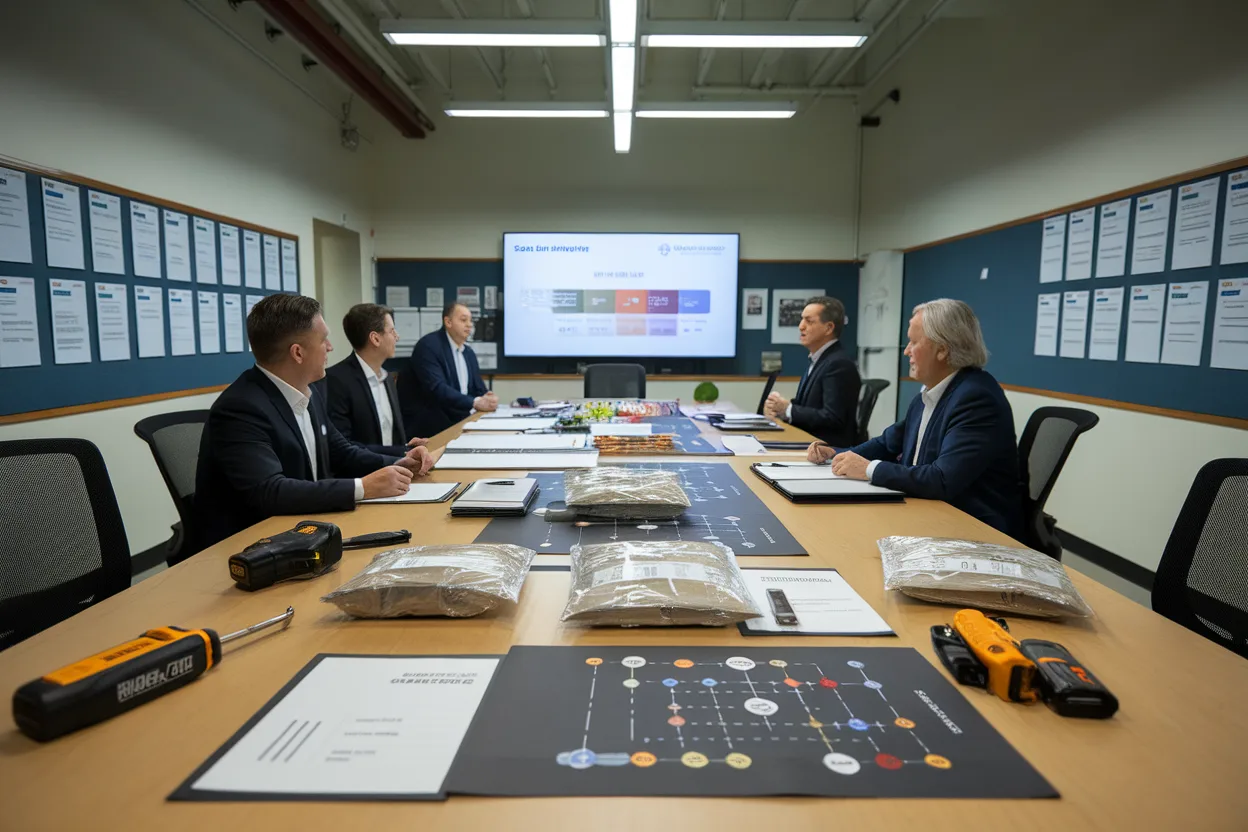
Many new buyers think phase one is about finding a bestseller. I think phase one is about something bigger: proving that the battery system, price point, packaging, and target user all fit together.
If a drill sells well but no one buys extra batteries, that tells me something. If a mini chainsaw gets clicks but weak reorders, that tells me something else. If customers ask for bare tools after buying kits, that is a very strong signal.
The best expansion signals are operational, not emotional
I do not expand because a buyer says, "This tool looks exciting." I expand because the market gives signals.
| Signal Type | What I Watch | What It Means |
|---|---|---|
| Reorder Speed | Which SKUs reorder first | Real demand strength |
| Accessory Pull | Battery and charger follow-up sales | Platform acceptance |
| Customer Questions | Repeated requests for missing tools | Clear expansion direction |
| Return Rate | Early quality or expectation gaps | Fix before scaling |
| Margin Stability | Promo pressure vs steady margin | Healthy or weak category fit |
| Channel Fit | Online vs distributor performance | Where to focus next |
Phased expansion protects tooling and inventory decisions
This is especially important in OEM and ODM projects. If you rush into too many packaging versions, molds, accessories, and local variations before the first phase proves itself, you can spend money in the wrong place.
I prefer this mindset:
- Phase 1: Prove the platform
- Phase 2: Add obvious adjacent tools
- Phase 3: Add channel-specific variants
- Phase 4: Add higher-power or niche tools
This is safer. It is also smarter for Europe markets where compliance, packaging language, and long-term supply consistency matter.
I want the market to tell me what to build next
I have learned this over time. Buyers who listen to real feedback usually build stronger cordless brands. Buyers who force a large roadmap too early often end up with too many low-volume items and unclear priorities.
A good first line is not the end. It is the beginning of a cleaner decision process.
What should a good OEM partner help you simplify?
A good OEM partner24 should not only quote products. A good OEM partner should reduce confusion, reduce risk, and help you avoid expensive mistakes before they happen.
A good OEM partner should help simplify battery choices, SKU structure, kit logic, compliance planning, and phased expansion so your first cordless tool line is easier to launch and easier to grow.
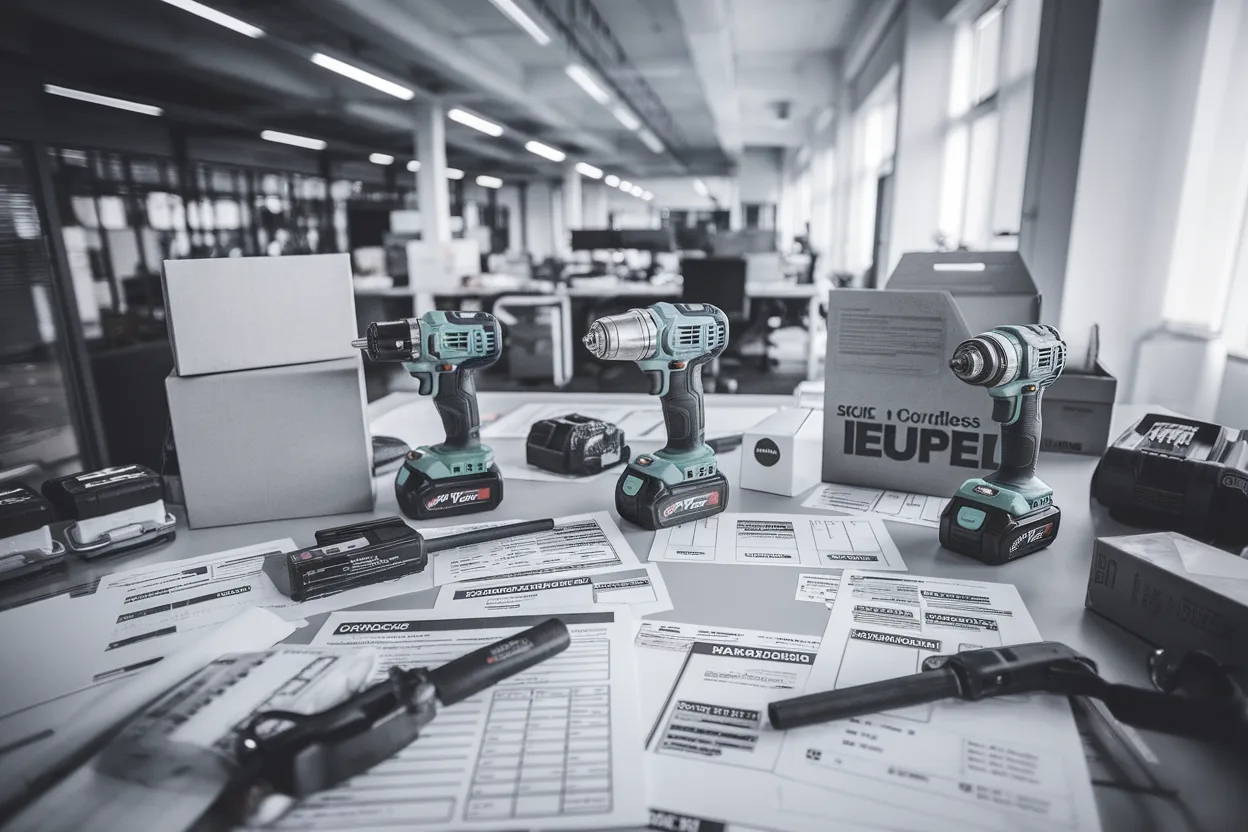
A factory should help you make fewer decisions, not more
If a supplier sends you 80 models and says, "Choose whatever you like," that is not real support. That is just product dumping.
A good partner should ask better questions:
- Which countries will you enter first?
- Are you targeting Italy, Spain, Germany, or mixed EU channels?
- Do you need CE, GS, EMC, RoHS support?
- Is your first launch for retail, e-commerce, or distribution?
- Do you want faster sampling or deeper ODM work?
- What is your realistic MOQ comfort level?
- What battery platform can support your next 12 months?
These questions save time. They also prevent wrong launches.
I believe the best OEM partner builds structure around your business model
At YOUWE, when I work with new buyers, I do not start from "What is the cheapest tool?" I start from "What is the safest launch path for your market and channel?"
That means I usually help simplify these areas first:
| Area | What I Help Simplify | Why It Matters |
|---|---|---|
| Battery Platform | One platform first | Reduces SKU and support complexity |
| Tool Selection | 4 to 8 logical first SKUs | Keeps launch focused |
| Kit Structure | Standardize battery and charger packs | Easier pricing and inventory |
| Certification | Prepare CE/GS/EMC and file flow | Smoother EU import process |
| Packaging | Unified visual system | Small line feels stronger |
| Lead Time | Match sample and bulk timeline | Better launch planning |
A good partner should also protect your second step
I do not think a good factory only helps with the first PO. I think a good factory should already think about the second and third PO while building the first one.
That means we should discuss:
- Which tools can be added later without changing the battery shell?
- Which battery capacities can be introduced later?
- Which accessories should wait?
- Which higher-power models should be phase two, not phase one?
- Which packaging system can scale across future SKUs?
This is where experience matters. A new buyer often needs clarity more than low price.
Simplification is a real competitive advantage
In cordless tools, many buyers assume complexity means professionalism. I think the opposite is often true. The better the system is designed, the simpler it feels.
A strong OEM partner should help your brand look clear, stable, and intentional. That is what helps you sell with confidence, especially when you are entering cordless tools from another category and want controlled risk.
Conclusion
When I help a new buyer build a first cordless tool line, I do not try to make the catalog look big. I try to make the business easier to run. That is the difference that matters. A first cordless launch should reduce uncertainty, not create more of it. I believe the smartest first move is to keep the SKU count tight, stay on one battery platform, choose a few anchor tools, and build around real usage logic. That gives you cleaner pricing, simpler inventory, and better reorder signals.
I have seen buyers in Europe and other markets waste time by mixing too many categories too early. I have also seen smaller, more focused launches create better long-term growth because the system made sense from the start. A cordless line should feel like a platform, not a random collection of products.
If you are planning your first private label cordless tool line and you want a more practical roadmap, I would rather help you simplify the first 5 decisions than push 50 product options at once. That usually leads to a better launch.
-
Explore expert insights on launching a successful cordless tool line to avoid common pitfalls. ↩
-
Learn about the factors that create supply chain challenges and how to mitigate them. ↩
-
Learn about the challenges of battery complexity and how to simplify your product line. ↩
-
Find strategies to effectively communicate with customers and address their concerns. ↩
-
Learn how a unified battery platform can simplify your product line and enhance customer experience. ↩
-
Learn strategies to equip retail staff with the knowledge to sell your cordless tools successfully. ↩
-
Understand the compliance landscape for cordless tools to ensure successful market entry. ↩
-
Explore the key elements that determine the performance of cordless tools in the market. ↩
-
Understand the importance of visual appeal in attracting customers and driving sales. ↩
-
Explore how grouping tools by usage clusters can improve customer understanding and sales. ↩
-
Learn how product line logic can streamline your offerings and improve market success. ↩
-
Understand the impact of SKU count on inventory management and sales performance. ↩
-
Understanding how simplified pricing can streamline operations is crucial for effective management. ↩
-
Explore effective carton planning strategies to enhance your logistics efficiency. ↩
-
Learn techniques to minimize errors in purchase orders for better inventory management. ↩
-
Discover strategies to optimize warehouse picking processes and improve productivity. ↩
-
Understanding product margin dynamics can help in pricing and inventory decisions. ↩
-
Gain insights into system margin calculations to enhance your financial strategies. ↩
-
Explore how robust cordless ecosystems can enhance customer loyalty and sales. ↩
-
Learn methods to assess lifetime customer value for better business strategies. ↩
-
Find essential tips for sourcing reliable replacement batteries for your products. ↩
-
Explore the importance of warranty support in enhancing customer loyalty. ↩
-
Understand the benefits of phased expansion for minimizing risks in launches. ↩
-
Learn key qualities of a reliable OEM partner to ensure successful collaborations. ↩