Many buyers compare brushless drills1 by torque2, RPM3, and battery voltage4 alone. I see this mistake often. It looks simple at first, but it leads to wrong samples, weak market fit, and costly product decisions later.
I compare brushless drills beyond the spec sheet because real performance depends on load behavior, battery output, controller tuning, gearbox quality, chuck stability, and long-term user feel, not just torque and RPM numbers.
When I speak with importers in Italy, Spain, and Germany, many of them already know how to sell hardware, garden products, or building materials. But many of them do not yet know how cordless drill performance really works. They often ask me which drill looks strongest on paper. I usually tell them the same thing: the strongest-looking spec sheet is not always the best drill platform for your brand. If I want to reduce launch risk, I need to test how the drill behaves in real work, not just how it looks in a PDF.
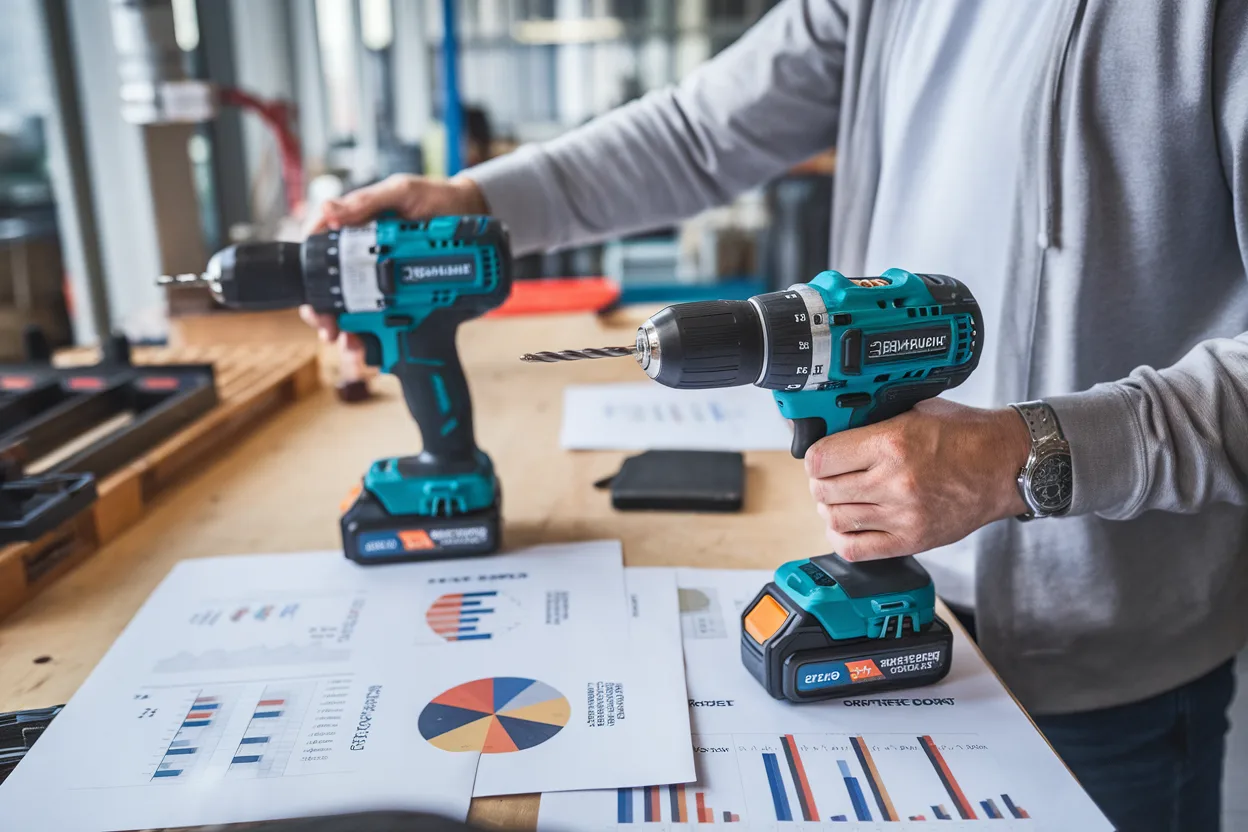
Why the spec sheet is not enough when comparing brushless drills?
Many new buyers trust the spec sheet too much. I understand why. It is easy to compare numbers. But a brushless drill is a system, not just a list of claims.
I never choose a brushless drill by spec sheet alone because the same torque, RPM, and voltage can produce very different real drilling results in wood, metal, and masonry.
Why two similar spec sheets can hide big performance gaps
When I review two brushless drills with similar numbers, I often find that one feels strong and stable, while the other feels rough, weak under pressure, or inconsistent. This happens because the spec sheet usually shows only headline numbers. It rarely shows how the tool behaves when a user pushes it into real work.
A brushless drill is affected by motor design, controller logic, battery discharge ability, gearbox quality5, chuck runout, housing balance, and thermal control. If one supplier only shows max torque and no-load RPM, I still do not know enough. I do not know if the drill can keep speed under load. I do not know if the battery sags too fast. I do not know if the trigger curve is smooth. I do not know if the gearbox can survive long use.
Many European buyers want fewer returns, better product reviews, and better repeat orders. In those markets, especially Germany and Italy, buyers also care about product feel, stability, and reliability. A drill that looks strong in a catalog but feels unstable in the hand can damage the brand very fast.
What I look for beyond the printed numbers
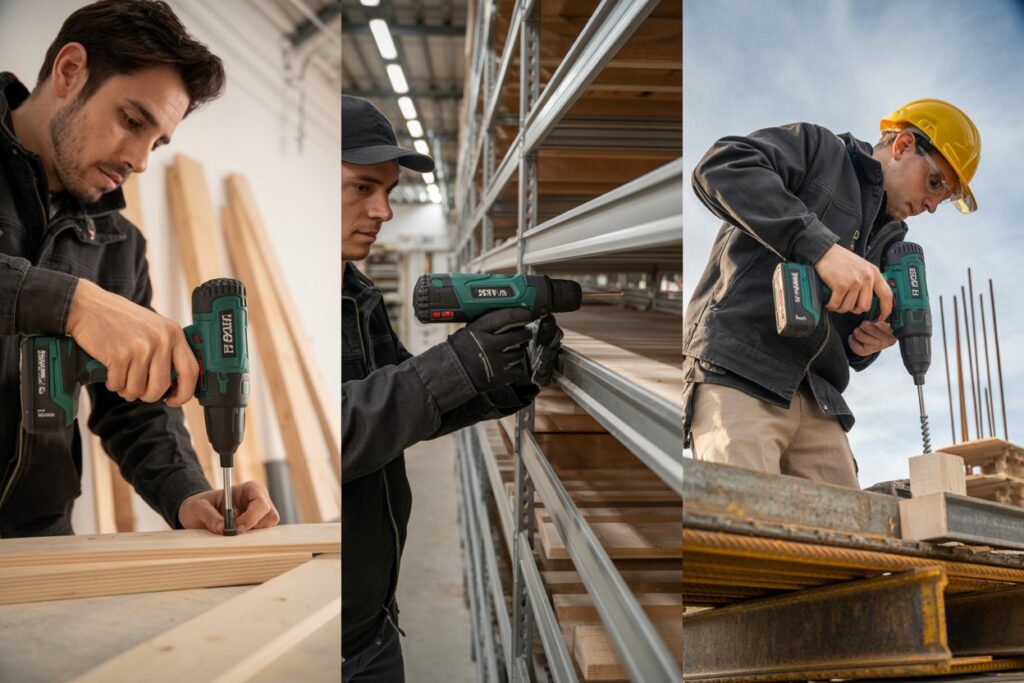
I usually ask my team to compare real drilling tasks, not only catalog data. I want to see how the drill behaves in screw driving6, wood boring, step drilling in sheet metal, and repeated load cycles.
| What the spec sheet shows | What I really need to know |
|---|---|
| Max torque | Can the drill maintain force under real load? |
| No-load RPM | How much speed drops during drilling? |
| Battery voltage | Can the battery deliver stable current? |
| Chuck size | Does the chuck hold bits with low runout? |
| Brushless motor | Is the controller tuned well? |
| Weight | Is the balance good during long use? |
Why this matters for OEM and ODM buyers
If I am helping a private label brand or a new importer, I do not want them to buy the “best number.” I want them to buy the right platform. This is even more important in OEM and ODM projects. Once packaging, manuals, certifications, and branding are done, changing platforms later becomes expensive.
For many buyers entering cordless tools from other categories, the real question is not “Which drill has the highest torque?” The real question is “Which drill platform gives me the safest first launch with the lowest complaint risk?” That is why I always compare test behavior, battery platform7 logic, spare parts stability8, MOQ9, lead time10, and certification support11 together. A good spec sheet helps. A real test decides.
Why max torque can be misleading?
Torque is the first number many buyers ask about. I understand that. It feels like the fastest way to compare power. But max torque alone can be one of the most misleading numbers in the drill business.
I treat max torque as a marketing reference, not a final buying decision, because brands can measure it differently and because peak torque does not equal stable working torque.
Why torque numbers are not always measured the same way
One of the biggest problems in cordless drill sourcing is that torque claims are not always based on the same method. Some factories use soft torque. Some use hard torque. Some use peak values in short bursts. Some test under ideal lab conditions. Some even report a best-case number that the user will never feel in daily work.
That means two drills can both claim 65Nm, but one may feel much stronger in wood screws or hole saw drilling. I have seen this many times. A buyer compares 55Nm vs 65Nm and assumes the 65Nm model is the better choice. Then the 55Nm unit performs better under continuous load because the battery, controller, and gearbox are better matched.
For buyers in Spain or Germany, where customers often compare real use and leave detailed feedback, this gap becomes a brand problem. If the user feel12s the drill stalls too early, the printed torque number does not protect the seller.
Peak torque is not the same as usable torque
I care much more about usable torque13 than peak torque14. Usable torque is what the drill can deliver during real work, for a meaningful amount of time, without sharp drop, overheating, or unstable trigger response.
| Torque term | What it means | Why I care or don’t care |
|---|---|---|
| Max torque | Highest short peak claim | Useful for reference only |
| Soft torque | Lower resistance test style | Good only if method is clear |
| Hard torque | Higher resistance test style | Better, but still incomplete |
| Working torque | Real force during actual drilling | Most important in sourcing |
| Sustained torque | Force held over time | Very important for pro users |
What I test instead of trusting torque alone
When I compare brushless drills, I like simple repeatable tests. I ask for identical screws, identical wood blocks, identical drill bits, and the same battery state of charge. Then I check:
- Screw driving speed in long wood screws
- Stall behavior near the end of fastening
- Hole drilling speed in steel sheet
- Heat rise after repeated cycles
- Trigger control at low speed
- Clutch consistency
These tests tell me more than one torque number. If I am building a private label line, I need the drill that creates fewer complaints, not the drill with the highest brochure number. This is also why I often tell new brands to stop chasing the biggest torque claim too early. For first launch, stable performance wins more trust than aggressive numbers.
Why under-load performance matters more than no-load RPM?
A high no-load RPM looks impressive. Many catalogs use it as a headline. But a drill never works without load in the customer’s real life. That is why I focus on what happens when the bit actually bites into material.
I care more about under-load RPM because real drilling speed depends on how well the drill holds speed under pressure, not how fast it spins in the air.
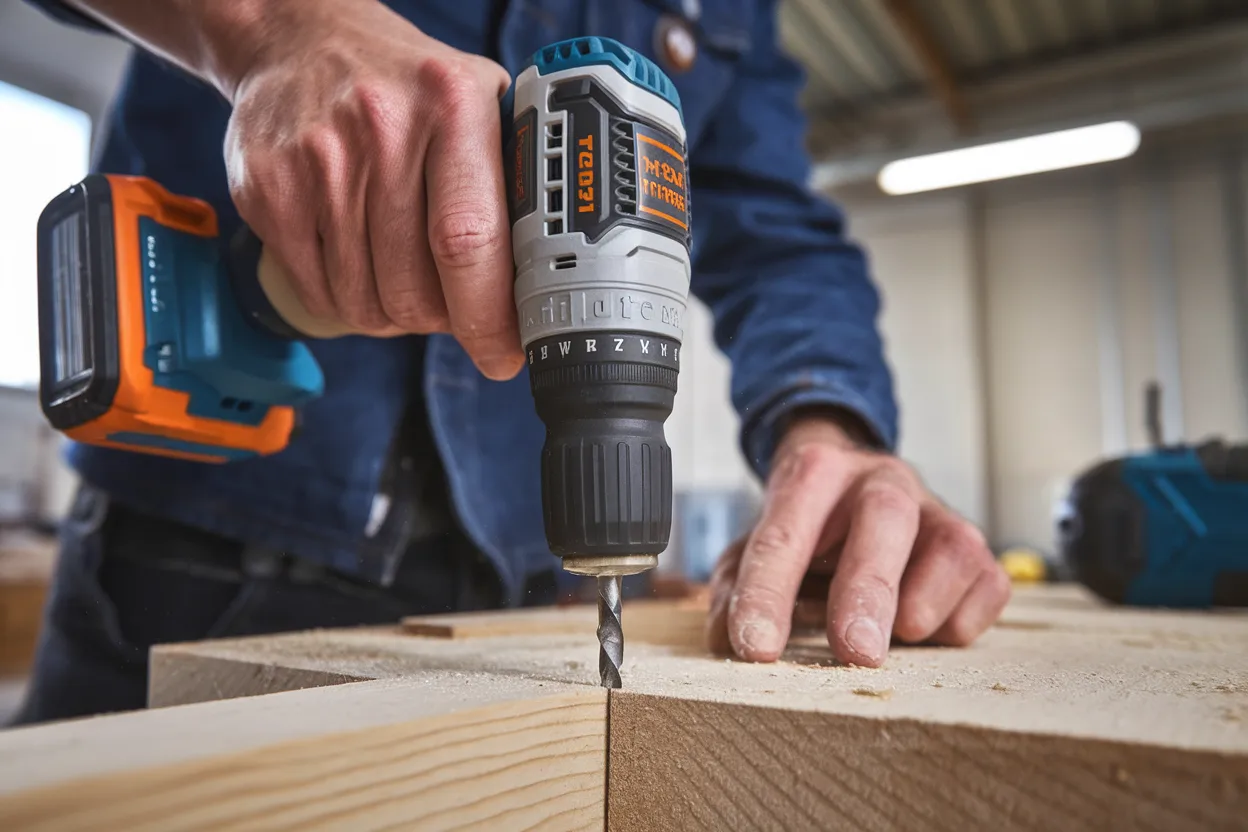
Why no-load RPM creates false confidence
No-load RPM is easy to print and easy to compare. But it is also easy to misuse. A drill can show high speed in free spin and still feel weak when it touches wood, metal, or masonry. Once resistance increases, the controller, battery, motor efficiency, and gearbox all start to matter much more.
I have seen many buyers choose a higher RPM drill, only to find that it slows down badly under a medium load. The user then feels that the drill is “weak” even if the catalog says it is fast. That feeling matters. End users do not care about no-load RPM. They care about how quickly the hole is finished and how stable the drill feels while doing it.
What under-load performance tells me
Under-load performance shows me whether the full system is well matched. If the RPM drop is controlled, the drill feels strong and confident. If the speed collapses too fast, the drill feels cheap, even if the spec sheet looks good.
| Test point | Weak drill behavior | Strong drill behavior |
|---|---|---|
| Start under load | Hesitates or surges | Starts cleanly and smoothly |
| Mid-cut speed | Drops sharply | Holds stable speed |
| Deep drilling | Gets hot fast | Keeps working without major fade |
| Repeated holes | Performance declines quickly | Output stays consistent |
| Low gear torque use | Feels rough or stalls | Feels controlled and predictable |
How I test under-load RPM in a practical way
I do not need a fancy lab to learn a lot. I can use practical comparison tests:
- Drill the same hole size into the same wood species
- Drill the same step bit into the same steel thickness
- Use the same fully charged battery pack
- Record time to complete the hole
- Check speed drop by sound and by completion time
- Repeat after heat build-up
This matters even more for e-commerce brands and regional distributors. Online reviews often mention “feels weak” or “slows down too much.” Those comments are often caused by poor under-load control, not by bad headline specs. If I want better Amazon reviews or fewer dealer complaints, I need a drill that works well in real resistance.
How battery output affects real brushless drill power?
Many buyers look at 20V or 21V and assume that tells the whole power story. It does not. Voltage alone does not tell me how strong a brushless drill will feel under work.
I judge battery output by discharge ability, cell quality, BMS design, and voltage sag, because a brushless drill can only perform as well as the battery can feed it.
Why the same voltage can feel very different
I can have two 21V battery packs that look almost identical. But one pack can make the drill feel powerful and stable, while the other pack makes it feel soft, hot, or inconsistent. This is because real battery output15 depends on more than nominal voltage.
Cell type matters. Cell grade matters. Internal resistance matters. The battery management system matters. Nickel strip quality matters. Connector design matters. Even the housing contact quality matters. If one pack has more voltage drop under load, the motor and controller cannot maintain output. Then the drill slows down, torque feels weak, and heat rise16s faster.
This is why battery platform strategy matters so much for new brands. I always tell buyers that the drill is not a single product. The drill is part of a battery ecosystem. If the battery platform is unstable, the whole cordless line becomes risky.
The battery factors I care about most
For OEM and ODM buyers, I usually explain battery performance in simple business terms: can this platform support your product line with stable user experience and low complaint risk?
| Battery factor | Why it matters in real drill use |
|---|---|
| Cell discharge rate | Affects power delivery under heavy load |
| Cell consistency | Affects pack stability and cycle life |
| BMS current limit | Can restrict drill output or cause cut-off |
| Voltage sag | Makes the drill feel weak under pressure |
| Connector quality | Affects resistance and heat |
| Pack cooling space | Affects long cycle performance |
Why this matters for Europe and long-term platform planning
For buyers targeting Europe, especially Germany, Italy, and Spain, battery reliability matters beyond performance. It affects transport, compliance, service parts, and product line expansion. If I want to add impact drivers, angle grinders, or garden tools later, I need a battery platform that can support different load demands.
This also affects MOQ and cost planning. A cheaper battery pack may help first price. But if it creates weak tool feel, returns, or unstable ratings, the real cost becomes much higher. In my own work, I would rather help a buyer launch with a stable 21V platform and a slightly better battery pack than chase a lower ex-factory cost that damages trust.
If I am planning a private label drill line, I do not just ask, “What is the drill price?” I ask, “What does this battery platform allow me to build over the next 12 to 24 months?”
Why controller tuning changes how a drill feels?
Many buyers know what a brushless motor is. Fewer buyers understand that the controller often decides how that motor actually feels in the hand. This is one of the most overlooked parts of drill sourcing.
I pay close attention to controller tuning because it changes trigger response, start smoothness, torque delivery, heat behavior, and overall user confidence, even when the motor hardware looks similar.
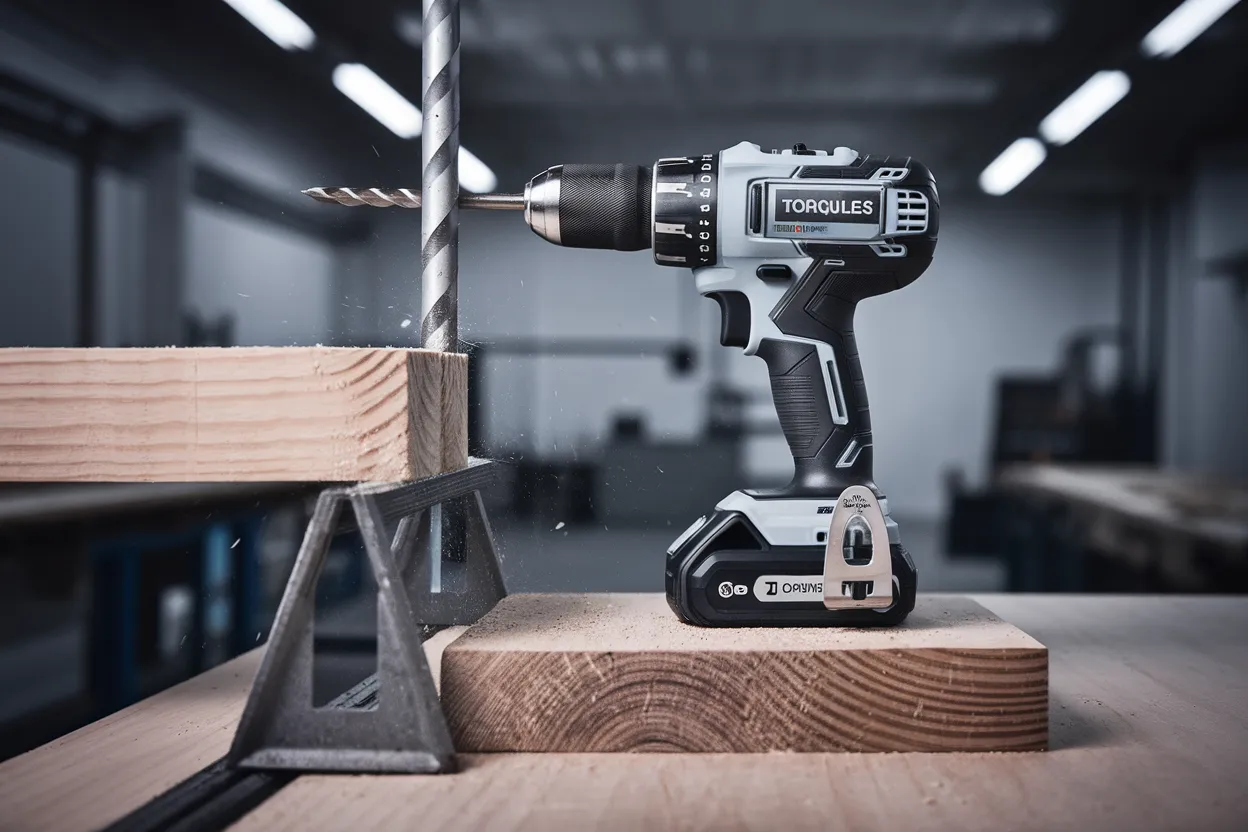
Why the same motor can feel completely different
A buyer may compare two brushless drills that both use similar motor size, similar battery voltage, and similar torque claims. But one drill feels refined and the other feels jumpy or harsh. Very often, the controller tuning17 is the reason.
The controller manages current delivery, speed ramp-up, stall behavior, protection logic, and trigger mapping. If the tuning is poor, the drill can feel too aggressive at startup, weak in the middle, or too protective under load. If the tuning is good, the drill feels controlled, smooth, and strong.
This matters a lot for user trust. A new brand may only get one chance to make a good first impression. If the trigger feels hard to control, the user may think the whole product is low quality, even if the internal parts are not bad.
What I look for in controller behavior
I do not need to see firmware code to learn a lot. I can learn by using the drill in repeated test tasks.
| Controller behavior | What I want to feel |
|---|---|
| Trigger ramp-up | Smooth and predictable |
| Low-speed control | Easy to start without jerking |
| Load response | Power rises cleanly when resistance increases |
| Protection logic | Safe, but not too early or too sudden |
| Heat management | Stable output before thermal cutback |
| Restart behavior | Consistent after repeated cycles |
Why controller tuning matters for different buyer types
For e-commerce brands, controller tuning18 affects customer reviews19. Users often write things like “hard to control,” “jerky trigger,” or “stops too easily.” Those comments are often controller issues.
For importers and distributors, controller tuning affects warranty rates20. If protection logic21 is too weak, the tool overheats or damages cells. If protection logic is too strict, users complain that the drill “has no power.”
For OEM and ODM projects22, I like suppliers who can explain controller strategy clearly. I want to know whether they can adjust for different battery packs23, different motor loads, or different market positions. A light DIY model and a semi-pro model should not always feel the same. Good tuning helps a brand create a clear product ladder.
This is one area where a real manufacturer adds value. A trading company may only show numbers. A real cordless tool factory should be able to explain why the drill feels the way it does.
How gearbox and chuck quality affect real drilling performance?
Many buyers focus on the motor first. That makes sense. But I have seen many good motors ruined by weak mechanical parts24. A brushless drill is only as good as the power transfer and bit holding system behind it.
I always inspect gearbox and chuck quality because poor mechanical parts can cause wobble, power loss, noise, slipping, short service life, and bad drilling accuracy.
Why gearbox quality changes the whole user experience
The gearbox is where motor output becomes usable force. If the gear train is weak, rough, or poorly machined, the drill can sound noisy, lose efficiency, or wear out too fast. This is especially important in higher torque brushless models because the system places more stress on the gears.
A weak gearbox may show early signs like extra vibration, unusual sound, gear lash, or unstable feel in low gear. Later, it may create serious issues like stripped gears, clutch inconsistency, or heavy internal wear.
For brands entering cordless tools, this is dangerous because early field failures hurt trust quickly. If I am selling into Europe, I also have to think about service cost, spare parts handling, and return logistics. A cheaper gearbox can become an expensive mistake after shipping.
Why chuck quality matters more than many buyers expect
A poor chuck creates user frustration fast. If the bit slips, wobbles, or does not center well, the drill feels inaccurate. That matters in metal drilling, furniture assembly, installation work, and any task where clean hole alignment matters.
| Mechanical part | Common weak point | User result |
|---|---|---|
| Gearbox | Rough gear fit or weak material | Noise, wear, power loss |
| Clutch ring | Inconsistent engagement | Poor screw control |
| Output shaft | Tolerance issues | Vibration, instability |
| Chuck jaws | Weak grip or poor machining | Bit slipping |
| Chuck runout | Poor centering | Wobble and inaccurate holes |
| Bearing support | Weak support structure | Early wear and rough feel |
What I test before I approve a drill platform
I like to test the chuck with different bit types. I check if it grips twist bits, masonry bits, and driver bits securely. I also look at runout by spinning a straight bit and watching tip movement. Then I do repeated tightening and drilling cycles.
For the gearbox, I listen for sound changes between no-load and loaded use. I compare low gear torque delivery. I test clutch repeatability in screw driving. I also check whether the drill feels tight and clean after repeated cycles, not only in the first five minutes.
For private label brands25, this matters because customers do not separate “motor quality” from “mechanical quality.” They only know whether the drill feels solid. If the chuck feels cheap, the whole brand feels cheap.
Why balance, heat, and ergonomics matter in long-term use?
A drill can look powerful on day one and still become a weak product in the market if it is tiring, hot, or awkward to use. Long-term use matters more than many spec sheets suggest.
I treat balance, heat control, and ergonomics as core performance factors because users remember how a drill feels after 30 minutes, not just how it performs in the first 30 seconds.
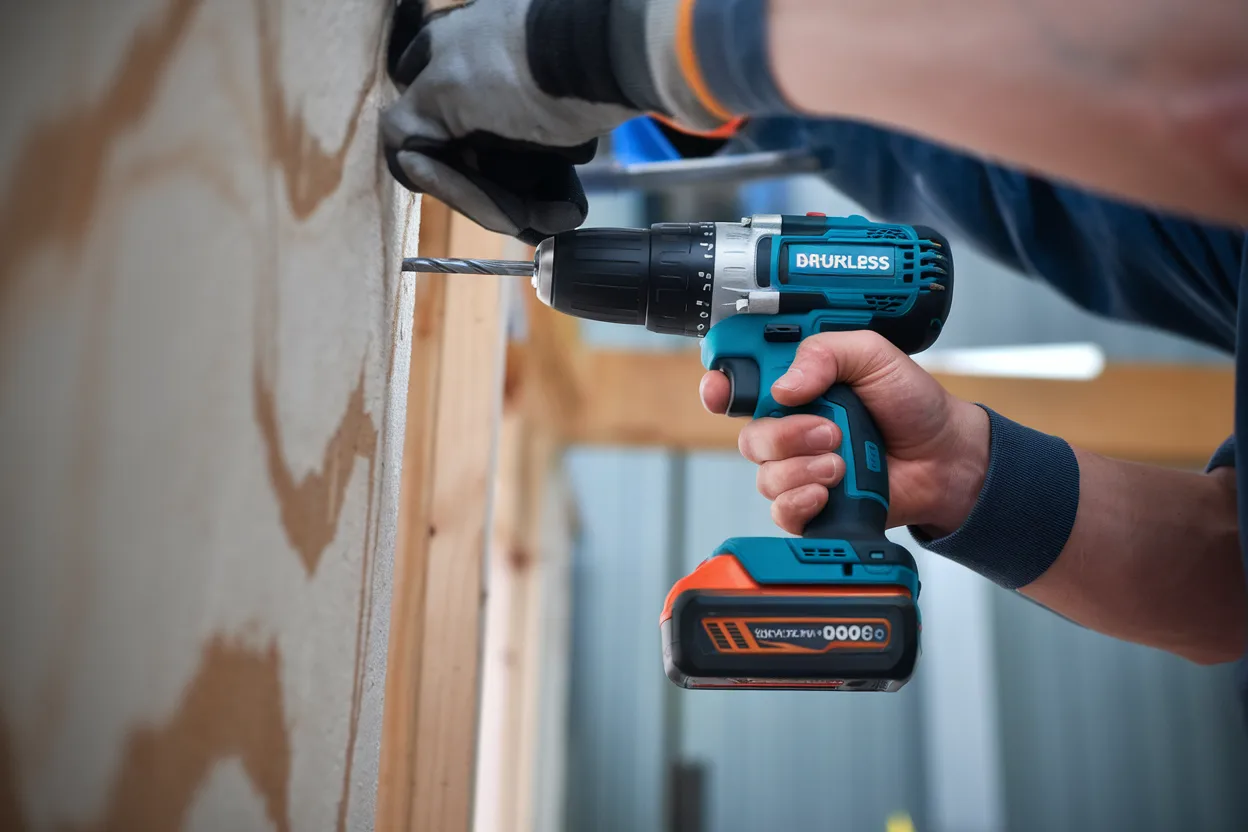
Why balance affects control and user confidence
A drill that is nose-heavy feels harder to control. A drill with poor grip angle feels tiring in repetitive screw driving. A battery pack that is too bulky can make the drill awkward in tight spaces. These details matter a lot for installers, maintenance users, and serious DIY customers.
I have seen buyers ignore ergonomics26 because the tool “works.” But the end user does not buy only power. The end user buys comfort, confidence, and repeat use. If the wrist feels tired too fast, or if the drill wants to tip forward, the user will notice immediately.
This matters a lot for European private label brands. In mature markets, customers compare feel quickly. Even if the product is not premium-priced, it still needs to feel thought through.
Why heat is a silent quality signal
Heat is one of the best fast indicators of system quality. If the housing, battery, or gearbox area gets hot too quickly, I know something may be mismatched. It could be controller tuning, cell output, motor efficiency, poor ventilation, or mechanical friction.
Excess heat also affects safety perception, runtime stability, and long-term durability. It can increase complaints, especially in warmer markets or in repeated commercial use.
| User feel factor | What I check | Why it matters |
|---|---|---|
| Tool balance | Front-to-back weight feel | Better control and less fatigue |
| Grip shape | Palm fit and trigger angle | Better comfort and precision |
| Rubber overmold | Grip security | Better handling in long use |
| Heat rise | Housing and battery warmth | Durability and user trust |
| Vibration | Felt during drilling | Perceived quality and fatigue |
| LED placement | Visibility in work area | Real task convenience |
What I tell new brands about “feel” testing
I always tell new brands to spend more time on user feel than they first expect. If they are entering from hand tools, garden products, or hardware distribution, they often focus on product spec and cost. But cordless tools are held in the hand. The hand judges fast.
I like to run 20 to 30 minute use cycles. I ask users to switch between screw driving and drilling. I check fatigue, grip comfort, trigger reach, heat, and battery release feel. These small details create the difference between “acceptable” and “this feels like a real brand product.”
A good factory should be able to discuss these points, not just send a catalog. That is where product development becomes real.
What new tool brands should test before choosing a brushless drill platform?
For a new tool brand, the biggest risk is choosing too fast. Many buyers want a shortcut. I understand that. But the best shortcut is a smart test process, not a quick spec comparison.
Before I choose a brushless drill platform, I test real drilling, battery stability, heat, ergonomics, chuck accuracy, controller feel, certifications, spare parts, MOQ, lead time, and long-term platform expansion.
My practical first-round test checklist
When I help a new brand choose a brushless drill platform, I do not start with 20 models. I narrow it down fast. I usually compare 2 to 4 platforms and test them in a structured way.
Here is the kind of checklist I would use before making a first OEM decision:
| Test area | What I verify | Why it matters before launch |
|---|---|---|
| Screw driving | Long screw speed and stall control | Real user feel |
| Wood drilling | Hole speed and consistency | Core drill use case |
| Metal drilling | Step bit or HSS bit stability | Accuracy and load behavior |
| Battery test | Output stability and heat | Real platform strength |
| Chuck test | Grip and runout | Precision and trust |
| Ergonomics | Balance and fatigue | Better reviews and repeat sales |
| Repeated cycle | Heat and fade over time | Durability signal |
| Packaging | Brand fit and retail appeal | Sales conversion |
| Certification | CE, EMC, GS document readiness | EU import confidence |
| Supply chain | MOQ, lead time, spare parts | Business risk control |
The business questions I ask before I commit
For many ready-to-buy customers, the real issue is not only product performance. It is launch risk. So I also ask business questions:
- What is the MOQ for tool-only and kit versions?
- Can I start with one battery platform and add more SKUs later?
- What is the sample lead time?
- What is the mass production lead time?
- Can the supplier support OEM packaging and manual localization?
- Are CE and EMC documents complete and organized?
- Can they support GS if my market needs it?
- Can they keep parts consistency across repeat orders?
- Do they understand EU battery shipping and documentation?
- Can they help me build a drill line, not just sell me one model?
For Europe, these questions matter a lot. Buyers in Germany and Spain often need stable documentation and repeatability. Buyers in Italy often care about product feel and retail presentation as much as raw performance. If I ignore these points, I may save a little money at first but create much bigger problems later.
Why I recommend platform thinking instead of single-model thinking
This is one of the most important lessons I share with new buyers. Do not choose a brushless drill as a single isolated product. Choose a cordless platform.
If I start with a drill, I should ask whether the same battery system can support an impact driver, angle grinder, reciprocating saw, blower, or pruning tool later. That gives the brand better shelf logic, better repeat orders, and better margin over time.
At YOUWE, this is how I prefer to think. I do not just ask, “Can I sell this drill?” I ask, “Can this drill become the first safe step into a real cordless product line?” That is the smarter B2B decision.
Conclusion
When I compare brushless drills, I do not chase the best-looking number. I look for the safest platform, the most stable real-world performance, and the lowest long-term complaint risk. That is what matters most for a new brand entering cordless tools. If you are building your first brushless drill line for Europe or other serious markets, I suggest you test the full system: motor, battery, controller, gearbox, chuck, heat, ergonomics, certifications, and supply chain support together. In my experience, the right supplier does more than quote a model. The right supplier helps you reduce uncertainty, avoid false comparisons, and build a cordless platform that can grow step by step. If you are in that stage now, that is exactly the kind of conversation I would have first.
-
Explore the benefits of brushless drills, including efficiency and longevity, to make informed purchasing decisions. ↩
-
Understanding torque measurement methods can help you choose the right drill for your needs. ↩
-
Learn how RPM affects drilling performance and why it matters for your projects. ↩
-
Discover the relationship between battery voltage and drill power to ensure optimal performance. ↩
-
Explore how gearbox quality affects drill performance and longevity. ↩
-
Find tips and techniques for effective screw driving to enhance your drilling tasks. ↩
-
Understanding battery platforms can help you choose tools that are compatible and reliable. ↩
-
Understanding spare parts stability can help ensure long-term tool reliability. ↩
-
Learn about Minimum Order Quantity (MOQ) and its implications for purchasing decisions. ↩
-
Discover the importance of lead time in planning your tool inventory and supply chain. ↩
-
Explore the significance of certification support in ensuring product compliance and safety. ↩
-
Discover why user experience is crucial for tool selection and brand reputation. ↩
-
Understanding usable torque can help you select drills that perform well under real conditions. ↩
-
Learn about torque types to make better-informed decisions when choosing drills. ↩
-
Explore the factors that influence battery output and their impact on drill performance. ↩
-
Understanding heat rise can help you choose tools that maintain performance without overheating. ↩
-
Learn how controller tuning affects drill performance and user experience. ↩
-
Understanding controller tuning can help improve product performance and customer satisfaction. ↩
-
Customer reviews are crucial for brand reputation and can influence purchasing decisions. ↩
-
Exploring warranty rates can reveal the importance of quality control in product design. ↩
-
Learning about protection logic can help prevent overheating and improve tool longevity. ↩
-
Understanding these projects can enhance your knowledge of product development and sourcing. ↩
-
Different battery packs can significantly impact the efficiency and usability of tools. ↩
-
Mechanical parts are critical for ensuring the reliability and effectiveness of drills. ↩
-
Understanding these challenges can help new brands position themselves effectively. ↩
-
Ergonomics can significantly impact user comfort and efficiency during operation. ↩