Many new tool brands rush into brushless1 too early. I see this mistake often. It looks like a smart upgrade, but it can create battery problems, weak product planning, and slow repeat orders2.
A brand should upgrade from brushed to brushless only after its battery platform, product positioning, and customer demand are strong enough to support it. Brushless is not the first step. It is the next step after the basics already work.
I have worked with many buyers who wanted brushless from day one because the market says it sounds better. Then we talked through their real goals. In many cases, the better move was not a fast upgrade. The better move was a controlled upgrade3 that protected margin, reduced risk, and built a stronger cordless product line for Europe and other export markets.
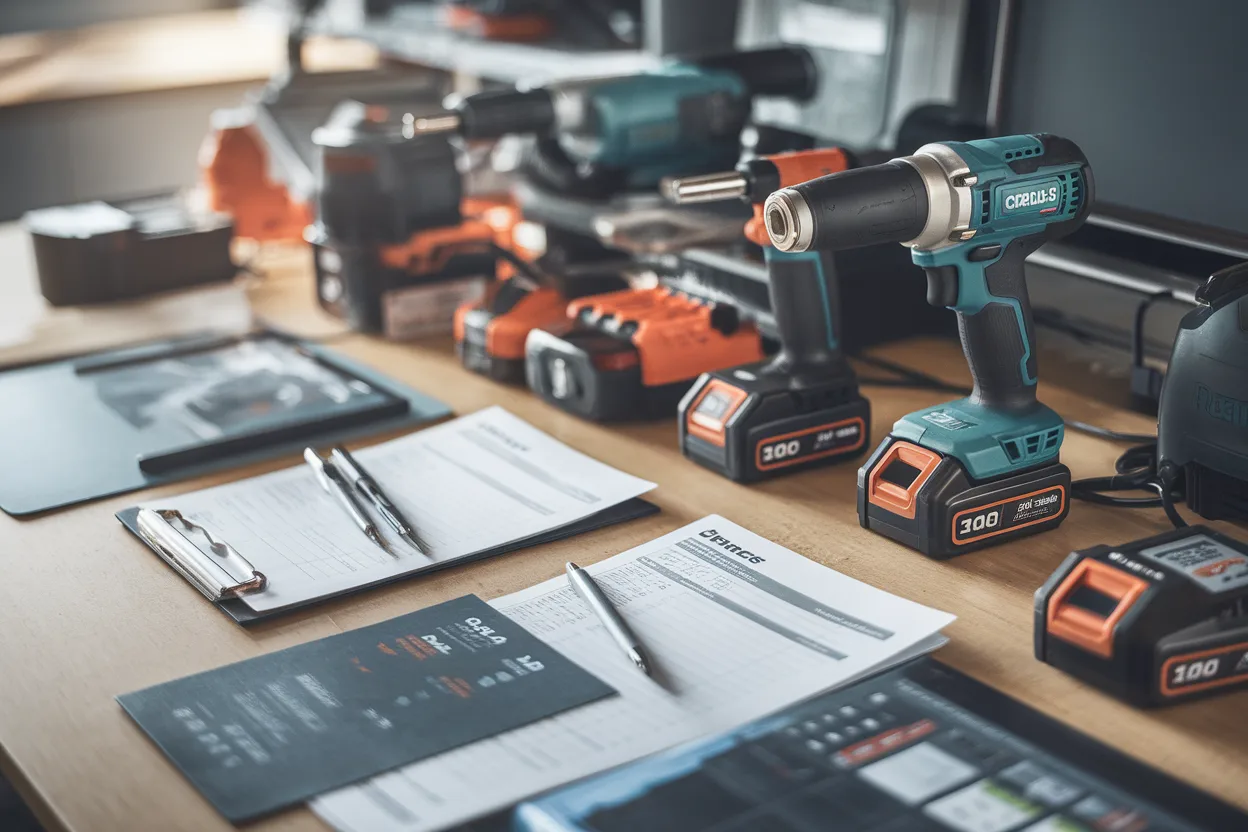
Why shouldn’t a new tool brand switch to brushless too early?
Many new buyers think brushless means better business. I understand why. The market talks about performance first. But I have seen many brands create bigger problems when they move too fast.
A new tool brand should not switch to brushless too early because brushless adds cost, battery pressure, controller complexity, and product line risk before the brand has proven real demand.
Brushless solves one problem but creates several others
When I talk with new importers from Italy, Spain, or Germany, many of them start with a simple idea. They say, "I want the better motor." I always tell them that brushless is only one part of the system. A brushless tool is not just a brushed tool with a better motor. It needs a better controller, more stable battery output, better heat control4, and better quality consistency in mass production.
If the battery pack is weak, the brushless upgrade can make the product feel unstable. The buyer then pays more, but the user does not always feel a clear improvement. That is a dangerous place for a new brand.
| Risk Area | Brushed Entry Model | Early Brushless Upgrade | What I Usually Tell Buyers |
|---|---|---|---|
| Motor cost | Lower | Higher | Keep cost simple in early testing |
| Controller complexity | Basic | Higher | More failure points if QC is weak |
| Battery stress | Moderate | Higher | Weak packs show problems faster |
| Retail price pressure | Easier | Harder | Harder for unknown brands |
| Warranty risk | Easier to manage | Can rise fast | Controller and battery matter more |
Early brushless can damage product line planning
A new brand usually does not need "best spec first." It needs "best structure first." I often see buyers enter cordless tools from hardware, garden supply, or industrial distribution. They already know how to sell products. But they do not yet know how a cordless platform grows.
If they start with brushless too early, they often skip the step that matters most. That step is proving the battery platform5 and proving the price range. If the first 2 or 3 models are too expensive, the line becomes hard to expand. Then the buyer cannot build good bundles, repeat battery sales, or easy upsell paths.
For example, if a buyer launches a brushless drill, brushless impact driver, and brushless angle grinder before proving demand, the battery platform may already need stronger cells, better BMS tuning6, and tighter supply chain control7. That can increase MOQ pressure and slow lead time decisions.
A new brand usually needs learning speed more than peak specs
In the first stage, I believe the goal is not to win every comparison chart. The goal is to learn fast with low risk. A brushed model often helps a buyer learn which market segment8 reacts first, which packaging works, which certifications matter most, and how much end users really care about runtime versus price.
That is why I often suggest a controlled start. I would rather help a buyer sell 500 stable brushed tools with a clear battery platform than push 500 brushless tools that create unclear positioning, weak margins, and mixed feedback from distributors.
What are the clearest signs that a brand is ready to upgrade from brushed to brushless?
Many brands ask me, "How do I know when the timing is right?" I do not look at one sign. I look at a group of signals from sales, support, pricing, and battery stability.
A brand is ready to upgrade when its brushed line already sells consistently, its battery platform is stable, its customers ask for more runtime or power, and its pricing can support the higher cost.

Sales repeat tells me more than first orders
The first thing I look at is repeat behavior. First orders can be exciting, but they can also be misleading. A distributor may test a new cordless tool line once because they want to explore a trend. That does not mean the product line is ready for a brushless upgrade.
If I see a buyer reorder the same brushed drill, wrench, or grinder and then ask for stronger performance, that is a real signal. It means the channel already trusts the base product. It also means the brand has earned the right to introduce a premium tier.
| Signal | Weak Signal | Strong Signal | Why It Matters |
|---|---|---|---|
| First sample request | Yes | No | Curiosity is not demand |
| First trial order | Maybe | No | Trial orders are still early |
| Repeat orders in same SKU | Better | Yes | Market already accepts product |
| Repeat battery orders | Better | Yes | Platform is becoming sticky |
| Requests for premium version | Strong | Yes | Users already feel limits |
Customer complaints often reveal upgrade timing
I also listen carefully to what buyers and end users complain about. If the complaints are about price, brushless is probably too early. If the complaints are about runtime, heat, motor wear, or performance under heavy load, that is different.
For example, if a distributor in Spain tells me their installers like the current drill but want longer daily use under heavier work, that is a brushless signal. If a buyer in Germany says their retail customers compare them to known brushless competitors, that is also a useful signal. The pain point has moved from "Can I sell this?" to "Can I compete at the next level?"
Your margin structure must be ready too
A brushless tool does not just need a stronger product. It needs a stronger business model. I always ask buyers to look at landed cost, certification cost9, packaging level, warranty reserve, and retail positioning.
If the buyer is still fighting for every dollar on a basic brushed model, the brushless version may only make the problem worse. If the buyer already has room for a premium layer10, then brushless becomes much healthier.
I have seen brands succeed when they treated brushless as a margin ladder, not just a spec upgrade. That is a very important difference.
Which tool categories should be upgraded from brushed to brushless first?
Not every tool should go brushless at the same time. This is where many brands waste money. They upgrade the wrong tools first because they follow trend language instead of actual use cases.
The best tool categories to upgrade first are the ones where users feel clear value from higher efficiency, lower heat, longer runtime, and stronger load performance.
High-load tools usually show brushless value faster
I usually tell buyers to start with tools where load changes often and where power drop is easy to feel. That is why angle grinders, impact wrenches, rotary hammers, and some circular saws often make good first brushless candidates.
In these categories, the user can often feel the difference quickly. Better efficiency under load matters. Heat control matters. Runtime matters. Performance consistency matters.
| Tool Category | Brushless Upgrade Priority | Why It Makes Sense |
|---|---|---|
| Angle grinder | High | Heat and load are obvious |
| Impact wrench | High | Torque feel and runtime matter |
| Rotary hammer | High | Heavy load shows motor limits fast |
| Circular saw | Medium to High | Load depends on material and blade |
| Drill/driver | Medium | Good if brand already has volume |
| Blower | Medium | Depends on airflow and battery design |
| Hedge trimmer | Medium | Useful, but not always first |
| Glue gun / caulking gun | Low | Brushless value is less obvious |
Some tools should stay brushed longer
I do not believe every product needs brushless early. Many lighter-duty tools can stay brushed while the brand builds volume. Entry-level drills, simple screwdrivers, and some light garden tools can remain brushed if the price target matters more than premium positioning.
This is especially true for buyers entering Europe with mixed channel strategies. If the product goes into discount retail, online marketplace bundles, or trial-level distribution, brushed can still be the smarter first move.
I like to upgrade tools that support a visible premium story
Brushless should be easy to explain. If the sales team cannot explain why the tool costs more, the upgrade will be weak. That is why I like to start where the story is clear:
- More runtime for installers
- Less heat in repeated use
- Better power under hard load
- Better fit for semi-pro or pro users
- Better match for premium battery pack sales
When the user feels the difference and the seller can explain it in one sentence, that category is usually a good first upgrade.
How much stronger does your battery platform need to be before upgrading to brushless?
This is one of the most important questions. Many buyers focus on the motor and ignore the battery. I almost never do that. I look at the battery first.
Your battery platform should already deliver stable current, good heat control, reliable BMS protection, and consistent pack quality before you move serious tool categories to brushless.
Brushless performance depends on battery honesty
A weak battery can make a brushless tool feel worse than a good brushed tool. That surprises many new buyers. Brushless needs clean power delivery. It also depends more on controller tuning. If the cells are inconsistent, if the BMS cuts too early, or if the voltage drops too hard under load, the tool can feel unstable.
This is why I often say battery platform strategy matters more than motor type in the long run. The battery system decides whether the whole line can grow. The motor only changes how one tool performs.
| Battery Platform Factor | Minimum for Early Brushed Line | Better Standard Before Brushless | Why It Matters |
|---|---|---|---|
| Cell consistency | Acceptable | Strong and repeatable | Runtime and stability |
| BMS tuning | Basic protection | Load-aware and stable | Prevents poor cut-off behavior |
| Connector durability | Standard | Higher cycle confidence | Repeat battery use increases |
| Heat management | Moderate | Better thermal control | Brushless tools can pull harder |
| Cross-tool compatibility | Helpful | Very important | Makes platform expansion easier |
I test the platform, not just the tool
When I review a brushless upgrade plan with a buyer, I do not ask only, "Does the tool work?" I ask:
- Does the same pack behave well across drill, grinder, and saw?
- Does the charger performance stay stable?
- Does the pack get too hot in repeated cycles?
- Does the BMS interrupt too aggressively?
- Does the premium pack create a clear upgrade path?
These questions matter because brushless makes battery weaknesses easier to see. A brushed tool may hide those weaknesses for a while. A brushless tool often exposes them fast.
Europe buyers should think about compliance and future line expansion
For Europe, I also tell buyers to think ahead. If they want to grow into Germany, Italy, or Spain with a real cordless platform, the battery system needs to support not only performance but also documentation, testing consistency, and long-term supply.
That includes:
- Stable certification files
- Clear battery labeling
- Consistent pack structure
- Good carton and transport planning
- Reliable lead time on cells and electronics
A brushless tool without a strong battery plan is not a premium product. It is just a more expensive risk.
How should a brand phase the upgrade from brushed to brushless instead of switching all at once?
Many buyers think the decision is binary. They think the line is either brushed or brushless. I do not build product lines that way. I build them in layers.
The best way to upgrade is to keep brushed as your stable entry line, then add brushless in selected high-value tools, and only expand after the battery platform and market response prove the model.
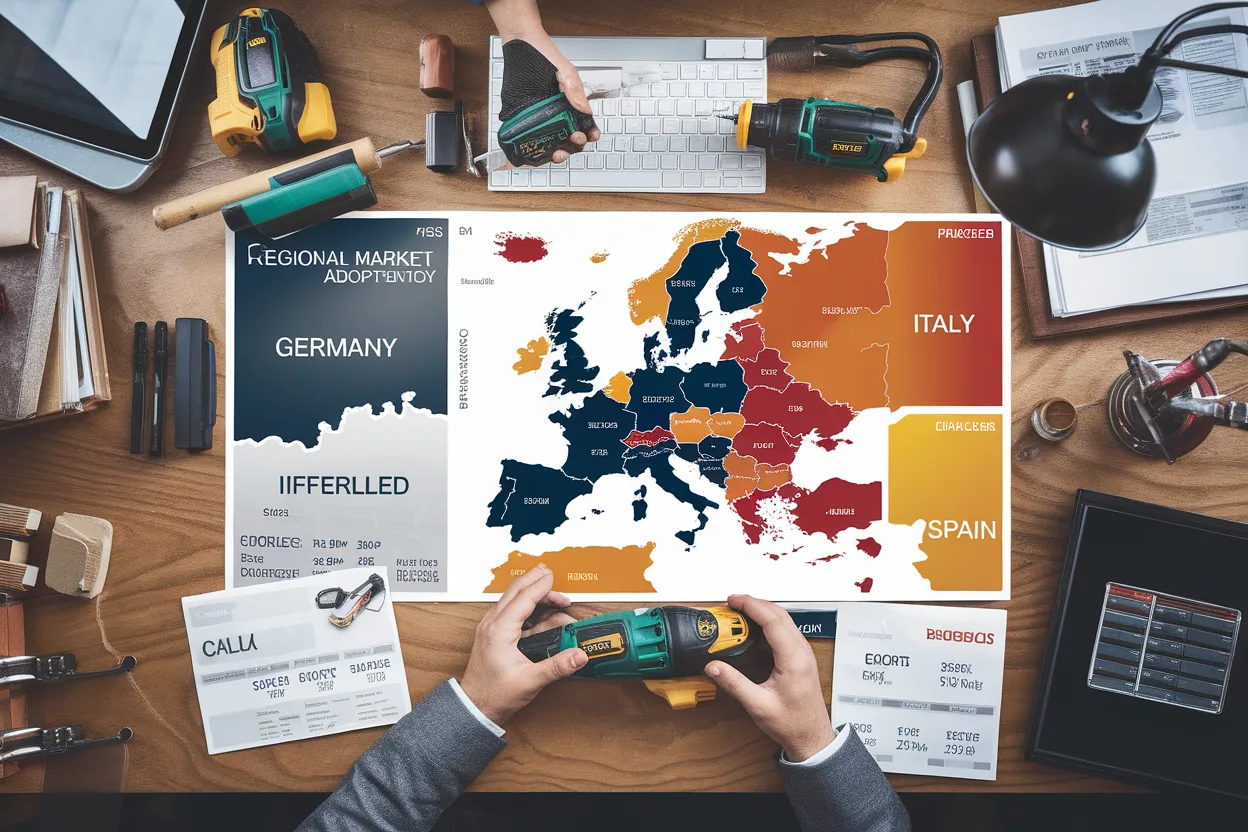
I prefer a three-stage upgrade model
This is the path I often recommend for new cordless brands.
| Stage | Product Strategy | Goal |
|---|---|---|
| Stage 1 | Brushed core SKUs | Prove demand and battery adoption |
| Stage 2 | Add 1 to 3 brushless hero SKUs | Build premium layer and test margin |
| Stage 3 | Expand brushless selectively | Grow platform without killing entry sales |
This structure keeps the business balanced. The buyer still has a lower-price entry point. The distributor still has a volume product. The brand also gets a premium story without rebuilding the entire catalog.
Your first brushless SKU should act like a flagship, not a replacement
I do not like replacing a best-selling brushed tool too early. That can confuse the channel. It can also create pricing conflict. Instead, I like to position the first brushless SKU as a premium option above the existing model.
For example:
- Keep brushed 21V drill as the entry line
- Add brushless drill as the pro or heavy-duty line
- Use the same battery platform if possible
- Use better packaging and clearer use-case language
- Let the market choose
This is much safer than forcing the whole line into a higher cost structure.
Phasing helps MOQ, lead time, and inventory control
This is very important for OEM and ODM buyers. If you switch everything at once, you increase:
- Motor sourcing pressure
- Controller sourcing pressure
- Certification complexity
- Packaging revision work
- Inventory risk
- Training needs for distributors
A phased move lets the buyer control MOQ11 better. It also helps when lead time changes12 in motor electronics or battery cells. In real export business, these details matter as much as product specs.
I have seen buyers protect cash flow by keeping their brushed volume stable while testing brushless in just two hero categories. That is usually much healthier than a full-line switch.
How do you know the market is ready to pay for the brushless upgrade?
Many brands want brushless because the factory can build it. That is not enough. The real question is whether the market will pay for it, and whether the channel can explain it.
The market is ready to pay for brushless when buyers compare on use value instead of just entry price, and when distributors can clearly sell the performance difference to the end user.
I look for price behavior, not just product interest
Interest is cheap. Paying is real. A buyer may ask for brushless samples because competitors use the word. That does not mean their customers will accept the price gap.
I look for signs like:
- Customers already accept premium batteries
- Customers buy accessories instead of only base kits
- Retailers ask for a "pro" version
- Users compare runtime and heat, not only price
- Distributors ask for better gross margin in premium tiers
| Market Signal | Weak Brushless Readiness | Strong Brushless Readiness |
|---|---|---|
| Sample requests | Many but uncertain | Targeted and serious |
| Retail feedback | "Too expensive" | "Need better performance tier" |
| Distributor ask | Only lower MOQ | Ask for premium version |
| Customer comparison | Price only | Runtime, torque, heat, duty cycle |
| Bundle demand | Base kit only | Better battery and charger bundles |
Different markets accept brushless at different speeds
In my experience, Europe is not one single market. Germany may respond differently from Spain. Italy may value design, handling, and brand story in a different way than Eastern Europe. Some importers need a clean entry model first. Others can move into a premium cordless tier faster.
That is why I tell buyers not to make brushless decisions from YouTube trends or catalog comparisons alone. They need channel evidence. They need distributor feedback13. They need price tests.
A small price test can teach more than a big launch
I often prefer a limited launch with one brushless SKU, one upgraded battery option, and clear packaging. That can show:
- How much more the market will pay
- Whether the return rate changes
- Whether the sales team can explain the upgrade
- Whether premium buyers reorder faster
- Whether the brushless story improves brand trust
This kind of test reduces risk. It also gives real data before the buyer expands the brushless line.
What is the best upgrade timing for a new cordless tool brand?
Timing matters more than trend. I have seen brands wait too long, but I have seen more brands move too early. In most cases, early mistakes cost more than delayed upgrades.
The best upgrade timing is after the brand has stable entry-level sales, a trusted battery platform, repeat customer feedback, and at least one clear product category where users will feel and pay for the difference.
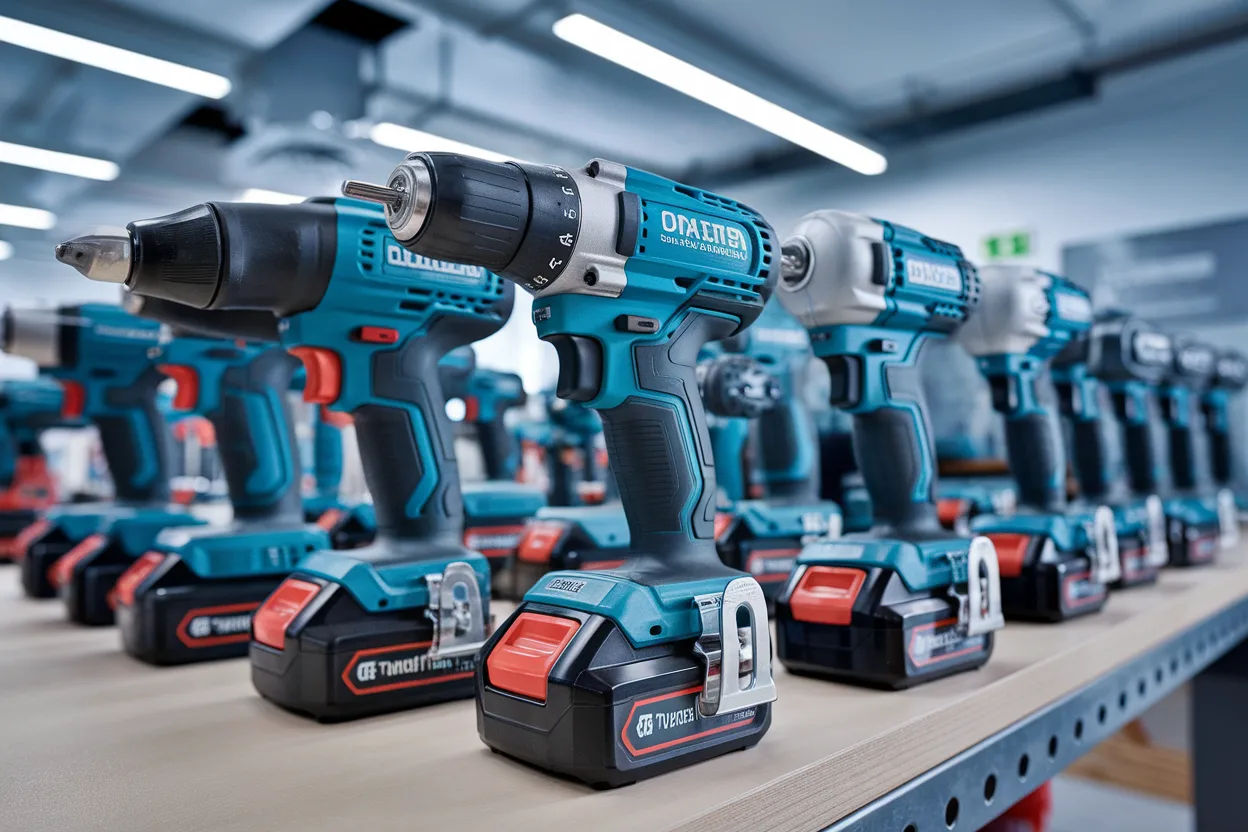
I like to see three business conditions before a serious upgrade
I usually want these three conditions to be true:
- The entry-level brushed line already has repeat orders
- The battery platform already supports multi-tool growth
- The buyer already understands who the premium user is
If one of these is missing, I usually slow the upgrade plan.
| Timing Factor | Too Early | Better Timing |
|---|---|---|
| Brushed line status | First launch only | Stable reorder history |
| Battery platform | Basic and unproven | Cross-tool stable |
| Market feedback | Spec curiosity | Clear premium demand |
| Pricing logic | Hope-based | Margin-tested |
| Channel readiness | Unclear | Sales team can explain value |
The best timing is usually after the brand learns its first real lessons
The first stage of a cordless brand teaches hard truths. It shows what users actually value. It shows what distributors can really sell. It shows whether the battery platform can become the center of the business.
I do not want a buyer to upgrade before learning those lessons. If they do, they may spend more money solving the wrong problem.
A buyer may think the problem is "We need brushless." But the real problem may be:
- Weak battery pack design
- Wrong tool category mix
- Poor entry-level positioning
- Unclear private label story
- Bad price ladder
- Wrong packaging for Europe retail
My best advice is simple: upgrade when the business can carry it
I have worked with many buyers who wanted a technical answer. They wanted a rule like "upgrade after 6 months" or "upgrade after 3 SKUs." I do not think the best answer is that simple.
The best upgrade timing14 is when the business structure is ready:
- The battery system is ready
- The margin is ready
- The channel is ready
- The user is ready
- The product category is right
When those pieces line up, brushless becomes a smart step. Before that, it is often just an expensive idea.
Conclusion
I do not see brushed and brushless as a fight. I see them as stages in a smart product line. A new brand usually wins by building the battery platform, learning the market, and upgrading in steps. If you are entering cordless tools and you want a safer path, I would rather help you choose the right timing than sell you the most complex option too early. That is how I help buyers reduce risk, protect margin, and build a tool line that can actually grow in Europe and beyond.
-
Explore the benefits of brushless technology and how it can enhance tool performance. ↩
-
Learn how repeat orders can signal market acceptance and brand loyalty. ↩
-
Find out how a controlled upgrade can minimize risks and enhance product lines. ↩
-
Discover the importance of heat management in ensuring tool reliability and efficiency. ↩
-
Learn why a strong battery platform is crucial for tool efficiency and longevity. ↩
-
Explore the role of Battery Management System tuning in optimizing tool efficiency. ↩
-
Learn about the importance of supply chain management in maintaining product standards. ↩
-
Learn strategies for identifying and targeting specific market segments effectively. ↩
-
Understand the financial implications of obtaining necessary certifications for tools. ↩
-
Explore how adding a premium layer can enhance brand perception and profitability. ↩
-
Understanding MOQ can help you manage inventory and cash flow effectively. ↩
-
Learn how to adapt to lead time changes to maintain efficiency in your supply chain. ↩
-
Understanding distributor feedback can help refine your product offerings and market approach. ↩
-
Understanding upgrade timing can help you make informed decisions for product launches. ↩