Many buyers enter cordless drills1 with the wrong assumption. They think brushless is just a marketing word. Then they compare prices only, and they miss what really affects battery life2, user experience3, and long-term product value4.
Brushless motors are becoming standard in cordless drills because they improve efficiency, runtime, durability, and product positioning. In most growing markets, they now offer a better balance of performance and business value than brushed motors, especially for private label brands building long-term cordless tool lines.
I have seen this shift clearly in my own work at YOUWE Garden Tools. Many buyers from Italy, Spain, and Germany first ask about price. A few emails later, they start asking about battery platform5, motor life, heat, warranty risk6, and user feedback7. That is when the real conversation starts.
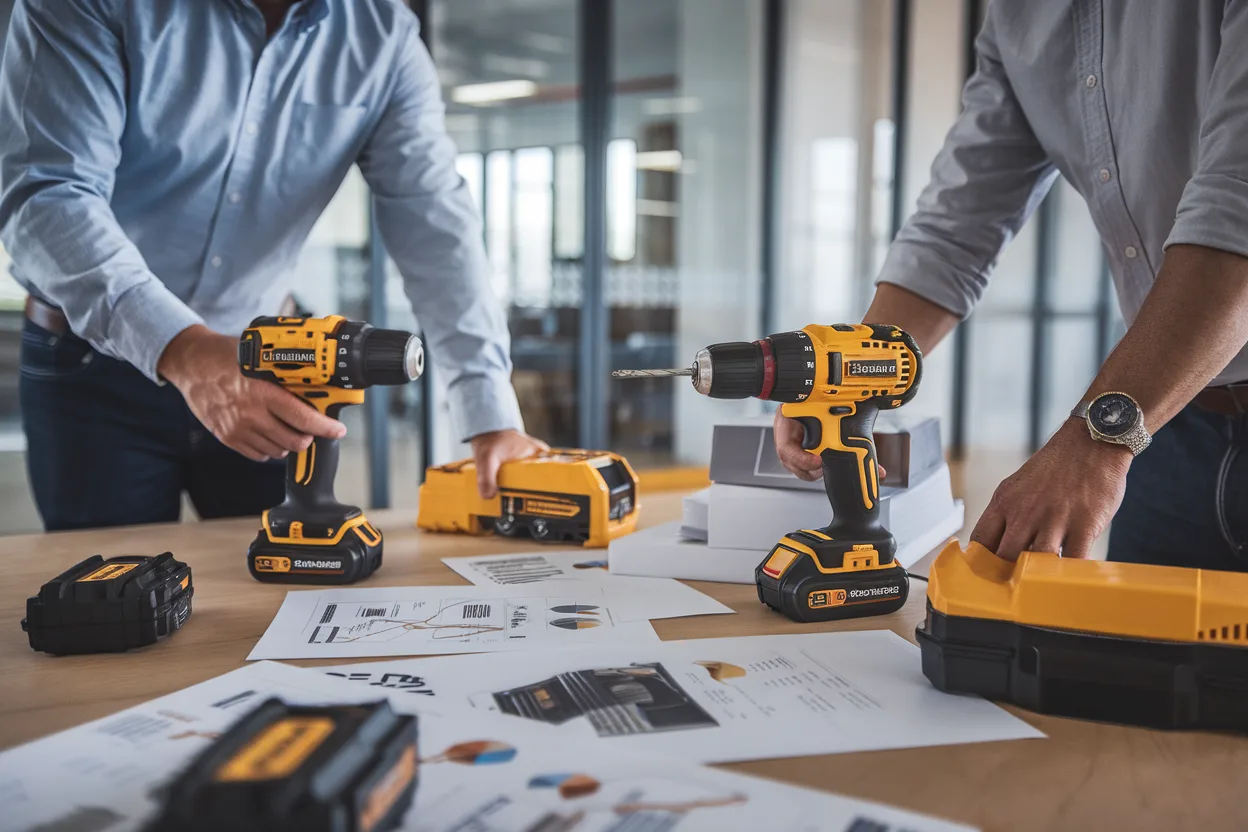
What makes brushless motors different from brushed motors?
Many new buyers hear "brushless" everywhere, but they do not always understand what really changes inside the drill. If the internal difference is not clear, the business decision becomes risky.
The main difference is simple: brushed motors use carbon brushes to transfer power, while brushless motors use electronic control. This removes friction parts, reduces wear, and improves efficiency.
What changes inside the motor?
When I explain this to importers, I always start with the basic structure. A brushed motor uses carbon brushes and a commutator. These parts physically touch and create friction. That friction creates heat, wear, dust, and energy loss. A brushless motor removes that contact system and uses an electronic controller to manage power delivery.
This is not a small engineering detail. This changes how the drill feels in real use. It changes how much heat builds up under load. It changes how long the motor can run before performance drops. It also changes how often end users complain after months of use.
For buyers entering the cordless tool market, this matters because the motor is not just a part. The motor shapes the product's market position. A brushed drill can still work well for light and medium tasks. I still say that often. But a brushless drill gives a more modern platform for brands that want better reviews, stronger repeat orders, and fewer warranty headaches.
Why does this matter for product planning?
Many buyers think motor choice8 is only a factory issue. I do not agree. Motor choice affects pricing, packaging claims, battery platform strategy, and who the final user will be.
| Factor | Brushed Drill | Brushless Drill |
|---|---|---|
| Internal contact wear | Higher | Lower |
| Heat generation | Higher | Lower |
| Energy efficiency | Lower | Higher |
| Runtime on same battery | Shorter | Longer |
| Maintenance risk | Higher | Lower |
| Premium market fit | Limited | Strong |
| User perception | Traditional | Modern |
When I talk to private label brands in Europe, I often see the same pattern. They may start by asking for the cheapest 21V drill. But once they understand that their customers compare runtime9, torque feel, and heat, they quickly realize the motor type is tied to brand reputation.
What do buyers often misunderstand?
A common mistake is assuming "brushless" means only higher power. That is incomplete. Brushless does not always mean the highest torque in every design. It means the system can manage power more efficiently and more intelligently. If the controller, battery cells, gearbox, and trigger tuning are all matched well, the result is much better.
That is why I always tell buyers not to compare only the motor label. They should compare the full system:
- Battery voltage platform
- Controller quality
- Cell type
- Gearbox durability
- Chuck quality
- Heat behavior under continuous load
- Real drilling and screw-driving use cases
A cheap brushless drill with poor electronics can still disappoint. A good brushed drill can still sell well in entry markets. But when the platform is designed correctly, brushless gives more room for a brand to grow.
How I explain it to first-time importers
When a buyer is crossing into cordless tools from hand tools, garden products, or hardware distribution, I keep it simple. I say this:
A brushed drill is usually easier to enter at a lower price. A brushless drill is usually easier to defend in the market later.
That difference matters more than many people think.
Why do brushless motors improve cordless drill performance so much?
Many buyers can see that brushless drills feel better in demos. But they do not always know why that improvement feels so obvious in real use.
Brushless motors improve drill performance because they waste less energy, manage load better, run cooler, and deliver power more efficiently through the full battery cycle.

Why does efficiency matter so much?
In cordless tools, every bit of battery energy matters. A brushed motor loses more energy as heat and friction. A brushless motor sends more of that energy into actual work. That means drilling, screw-driving, and load handling feel more stable.
I often test this in simple, practical ways. I do not start with lab charts. I look at how long the tool keeps its useful feel when driving repeated screws into hardwood or drilling metal holes in sequence. This is where buyers start to see the difference clearly.
With a good brushless system, I usually see:
- Less heat buildup in the housing
- More stable speed under load
- Better control at trigger transitions
- Less performance drop as battery charge falls
- Longer usable runtime per battery pack
For importers, this becomes a business issue. Better runtime means fewer complaints like "the battery is too weak." Better heat control means fewer returns linked to overuse. Better load stability means the product feels more professional, even if the buyer is targeting serious DIY users instead of contractors.
How does brushless improve user feel?
End users do not talk like engineers. They say simple things:
- "This drill feels stronger."
- "This one does not get hot so fast."
- "The battery lasts longer."
- "This one feels smoother."
Those comments are important. In e-commerce, retail counters, and distributor feedback, user feel often matters more than technical specs on paper.
| Performance Area | Brushed Drill | Brushless Drill |
|---|---|---|
| Continuous screw driving | Speed drops sooner | More stable output |
| Heat during long use | Builds faster | Lower heat buildup |
| Battery use efficiency | Average | Better |
| Trigger response | Basic | Smoother and more precise |
| Heavy load recovery | Slower | Better |
| Perceived quality | Mid-level | Higher |
This is one reason why brushless models often get stronger review language online. Even when buyers do not understand motor design, they can feel the difference in use.
Why does lower heat help the business side?
Heat is not only a comfort issue. Heat affects internal life. It can affect motor parts, controller stability, grease behavior, and even plastic housing stress over time.
For a private label brand, this matters because long-term product quality is often judged by failure patterns after 3 to 12 months, not after a sample demo.
I have seen buyers focus too much on peak torque claims. Then later, they realize that real market success depends more on:
- How the tool behaves after repeated use
- Whether it maintains performance in summer temperatures
- Whether battery packs get blamed unfairly for motor inefficiency
- Whether warranty returns cluster after moderate field use
Brushless systems help reduce those risks when the platform is engineered well.
Why is system matching more important than the label?
I always remind buyers that brushless is not magic by itself. A good brushless drill needs:
- Correct controller tuning
- Stable battery current output
- Good BMS protection
- Proper gearbox ratio
- Balanced torque and RPM targets
If one part is weak, the user may not feel the full benefit. That is why a real manufacturer should not just offer "brushless" as a sticker. We should help buyers understand the full system logic.
This is where many first-time importers make a costly mistake. They buy the word "brushless" instead of buying a real brushless platform.
Why are modern lithium battery platforms pushing the market toward brushless drills?
Many buyers treat the motor and battery as separate choices. In real cordless tool development, they are deeply connected. If the battery platform changes, the motor strategy usually changes too.
Modern lithium battery platforms are pushing the market toward brushless drills because brushless systems use battery energy more efficiently and fit better with multi-tool platforms built around runtime, compatibility, and performance consistency.
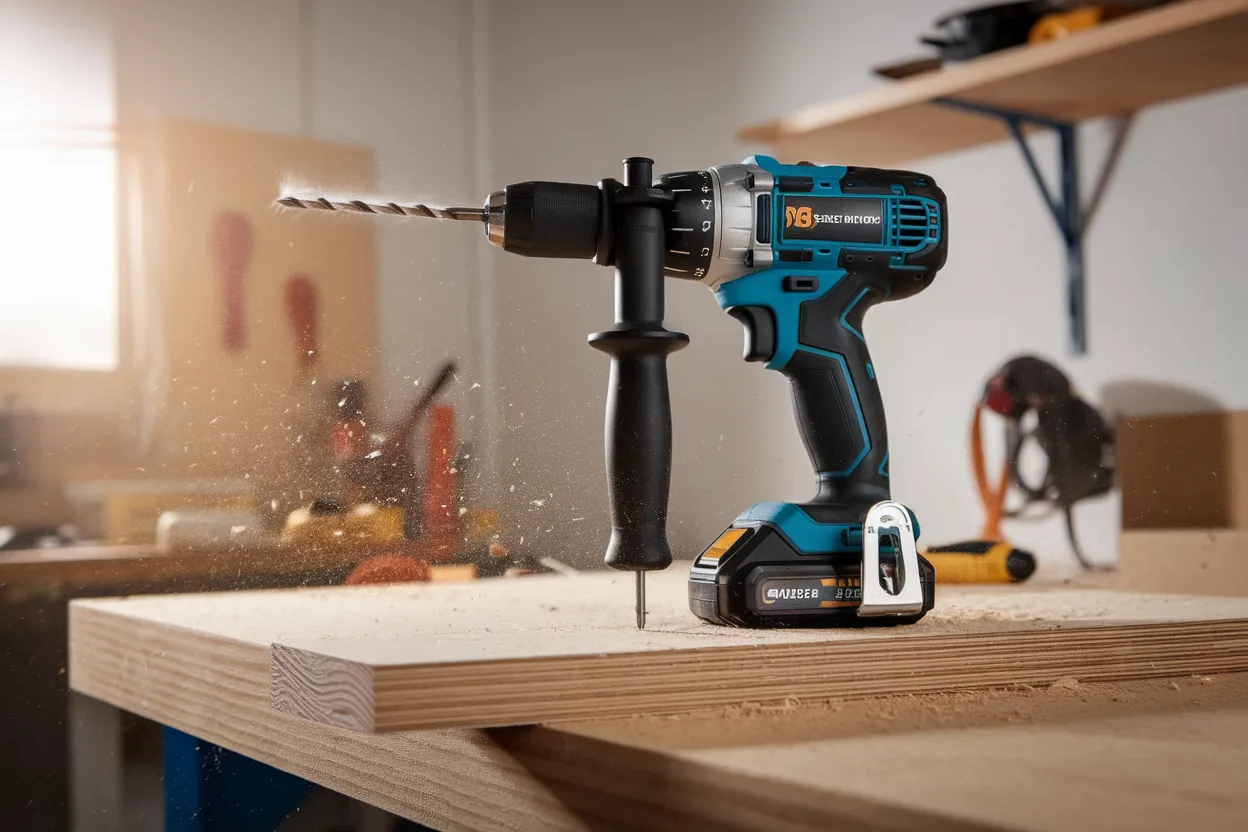
Why is the battery platform now the center of the product line?
Years ago, some buyers could treat a drill as a single product. Today, that is no longer the best way to build a cordless brand. In many markets, especially Europe, a drill is often the entry point into a larger battery ecosystem.
That means the real product is not only the drill. The real product is:
- Battery platform
- Charger compatibility
- Future tool expansion
- Runtime expectation
- Brand trust in the system
When buyers understand this, they start seeing why brushless matters more. If one battery must support drills, impact tools, saws, grinders, and garden tools, efficiency10 becomes a platform issue, not just a single-tool feature.
At YOUWE, I often see this with buyers building 21V or 40V lines. Once they plan a real battery family, they stop asking only "What is the cheapest drill?" and start asking "Which motor choice helps the whole platform perform better?"
How does brushless support battery platform strategy?
Brushless systems make better use of lithium power. That means the same battery pack can often deliver:
- Longer runtime
- Better load behavior
- Lower wasted heat
- Better compatibility with higher-demand tools
- More consistent product positioning across the line
| Battery Platform Goal | Brushed Drill Impact | Brushless Drill Impact |
|---|---|---|
| Longer runtime claims | Harder to support | Easier to support |
| Shared battery across tools | Less efficient | More efficient |
| Premium platform image | Weaker | Stronger |
| Thermal management | More stress | Less stress |
| Future expansion to pro tools | Limited | Better fit |
This matters a lot for importers and private label brands. If they want to launch a cordless line step by step, the battery platform must be believable. If the first drill feels outdated, the whole platform feels weaker.
Why are European buyers asking more platform questions?
I have noticed that buyers from Germany, Italy, and Spain are asking more detailed questions now than they did a few years ago. They ask about:
- Battery cell origin
- BMS protection
- Pack structure
- Cross-tool compatibility
- Runtime under real load
- Certification documents
- Charger input specs
- Spare parts continuity
This is not random. The market is more mature. Buyers are more careful. They want to reduce risk before launch.
A brushless drill fits this environment better because it aligns with a more serious platform discussion. It supports better product storytelling. It also supports better technical logic when the brand later adds impact wrenches, angle grinders, blowers, or pruning tools.
Why does this matter for long-term private label planning?
If a buyer wants only one low-cost SKU for short-term testing, brushed can still make sense in some regions. I still believe that. But if the buyer wants to build a cordless family with repeat orders, accessory sales, and higher average order value, brushless usually becomes the smarter base.
The battery platform is now the business model. Once that becomes clear, brushless becomes much easier to justify.
Are customer expectations changing in the cordless drill market?
A lot of buyers still compare today’s cordless drill market to the market from five or ten years ago. That creates bad decisions because end users now expect much more, even in mid-range price segments.
Yes, customer expectations are changing. More users now expect better runtime, less heat, stronger feel, lower noise, and a more premium experience, even when they are not buying top-tier professional tools.
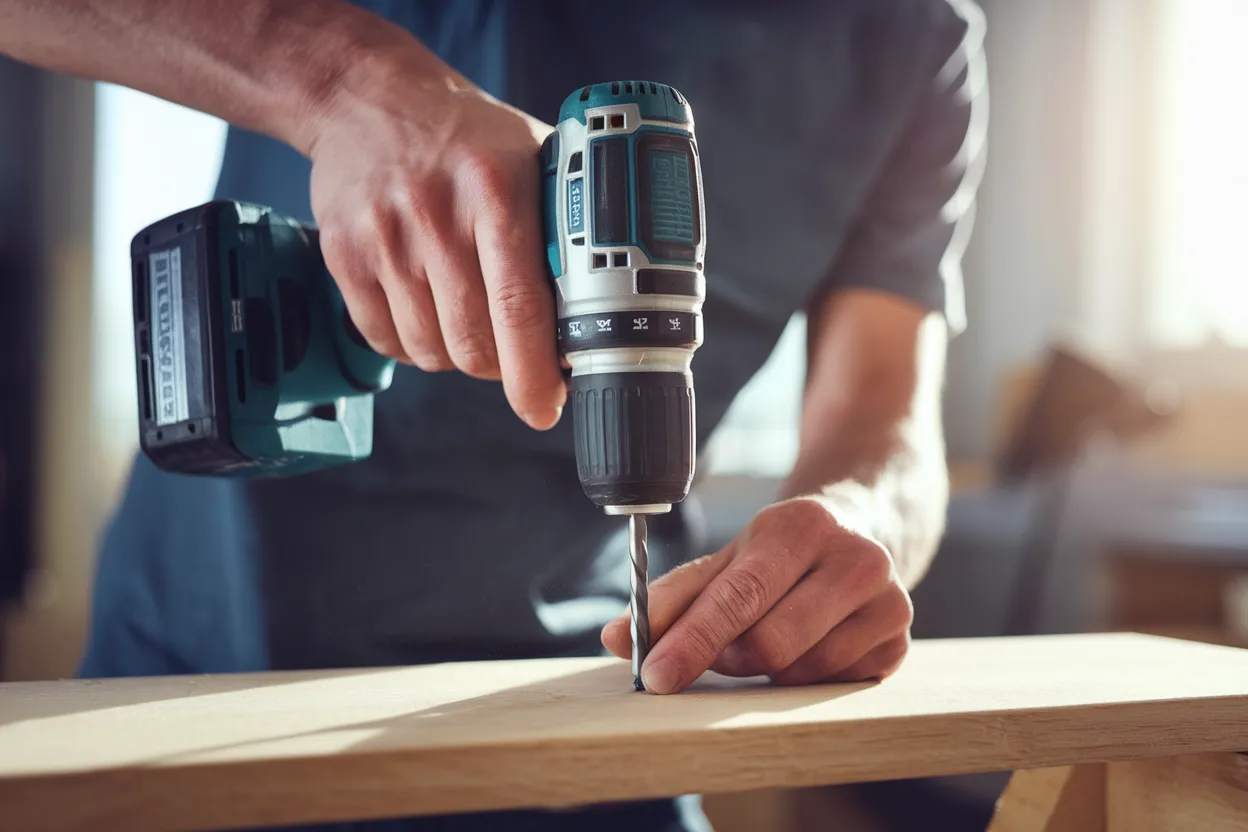
What do end users expect today?
End users today are more informed. Even if they are not tool experts, they have seen videos, online reviews, and comparison content. They have heard terms like brushless, lithium platform, fast charging, and torque control.
This changes the buying environment for importers and brands.
Many years ago, a customer might accept a drill if it simply worked. Today, the same customer may ask:
- How long does the battery last?
- Does it get hot?
- Is it brushless?
- Can I use the same battery on other tools?
- Is this good enough for regular use?
- Is it comparable to better-known brands?
These questions are now normal in many markets.
Why does brushless help with market perception?
Brushless has become more than a technical feature. It has become a market signal.
In many cases, buyers and end users use "brushless" as a shortcut for:
- Newer generation
- Better efficiency
- More durable
- Higher-end
- Better battery use
- More serious product line
That does not mean every brushless drill is great. But it does mean the market now reads that label as a sign of product level.
| Customer Expectation | Market Signal from Brushed | Market Signal from Brushless |
|---|---|---|
| Modern design | Basic | Advanced |
| Better runtime | Uncertain | Expected |
| Better durability | Average | Expected |
| Premium shelf appeal | Limited | Stronger |
| E-commerce conversion | Weaker in many cases | Often stronger |
For private label brands, this matters a lot. The product page, catalog, and sales conversation all become easier when the market already understands the feature.
What are importers noticing in Europe?
In Europe, I often hear a familiar concern from importers:
"If I launch a brushed drill11 now, will it look old too quickly?"
That is a smart question.
In many channels, especially where buyers compare products online, brushed drills can still sell, but they need the right position:
- Entry-level
- Promotional SKU
- Light household use
- Price-first retail
- Bundle offer
If the brand wants stronger positioning, better review language, and easier upsell into a platform, brushless12 is usually safer.
I have also seen retail buyers care more about product story13. They want a clear reason why the product belongs on the shelf. "Brushless" is an easier story than explaining why a brushed motor is still enough.
Why do expectations affect warranty and reputation?
This part is often ignored.
If the market expects brushless-level behavior, but the product behaves like a basic brushed tool, disappointment grows faster. That can lead to:
- More returns
- More low reviews
- More customer support pressure
- More battery complaints
- Lower repeat orders
The tool may still be technically acceptable, but it may feel below expectation.
That gap between expectation and experience is dangerous. In my experience, that gap hurts brands more than spec sheets do.
Are brushed drills disappearing completely?
Some buyers panic when they see the brushless trend. They think brushed drills are finished and no longer worth considering. That is not how I see the market.
No, brushed drills are not disappearing completely. They still have value in entry-level, price-sensitive, and test-market scenarios, but their role is becoming narrower and more strategic.
Where do brushed drills still make sense?
I still believe brushed drills have a place. I say this often because many articles online are too extreme. They act like brushed tools are useless now. That is not true.
Brushed drills still work well in these cases:
- Entry-level household users
- Price-sensitive wholesale channels
- Promotional bundles
- Trial product launches
- Markets where buyers still focus on first cost
- Simple drill-driver demand without heavy use
For some importers, this is exactly the right place to start. If they are entering cordless tools for the first time and want to test demand with low risk, a brushed model can still be smart.
What is changing about their market role?
The important point is not that brushed drills are gone. The important point is that their role has changed.
In the past, brushed could be the core of a growing product line. Today, in many markets, brushed is more often:
- The opening price point
- The lower-tier option below brushless
- The SKU for promotions
- The bundle driver, not the flagship
| Product Role | Brushed Drill Today | Brushless Drill Today |
|---|---|---|
| Entry-level launch | Strong fit | Possible but higher cost |
| Main long-term hero SKU | Weaker fit | Strong fit |
| Premium catalog anchor | Rare | Common |
| Platform expansion base | Limited | Better |
| E-commerce premium positioning | Harder | Easier |
This is the key shift. Buyers should not ask, "Is brushed dead?" They should ask, "What role should brushed play in my line?"
When does a brushed drill become the wrong choice?
I usually see problems when buyers use brushed drills in the wrong market position.
For example:
- They want premium packaging but low-end internal spec
- They want long runtime claims but use a brushed motor
- They want platform expansion but start with outdated product logic
- They want strong reviews from demanding users but underbuild the product
That mismatch creates trouble.
A brushed drill can still succeed. But the brand must be honest about the target user, usage intensity, and product promise.
How I usually advise new private label buyers
If the buyer is cautious and wants a simple entry:
- One brushed drill
- One brushless drill
- Same battery platform if possible
- Clear price gap
- Clear use-case gap
This is often a better strategy than betting everything on one motor type. It lets the market speak. It also helps the buyer learn faster without overcommitting.
How should importers and private label brands respond to this trend?
Many importers understand the trend, but they still do not know what to do next. They know brushless is growing. They do not know how to build a smart buying plan around it.
Importers and private label brands should respond by treating brushless as a product line strategy, not just a single feature. They should build clear tiering, protect battery platform logic, and match motor choice to channel and target user.
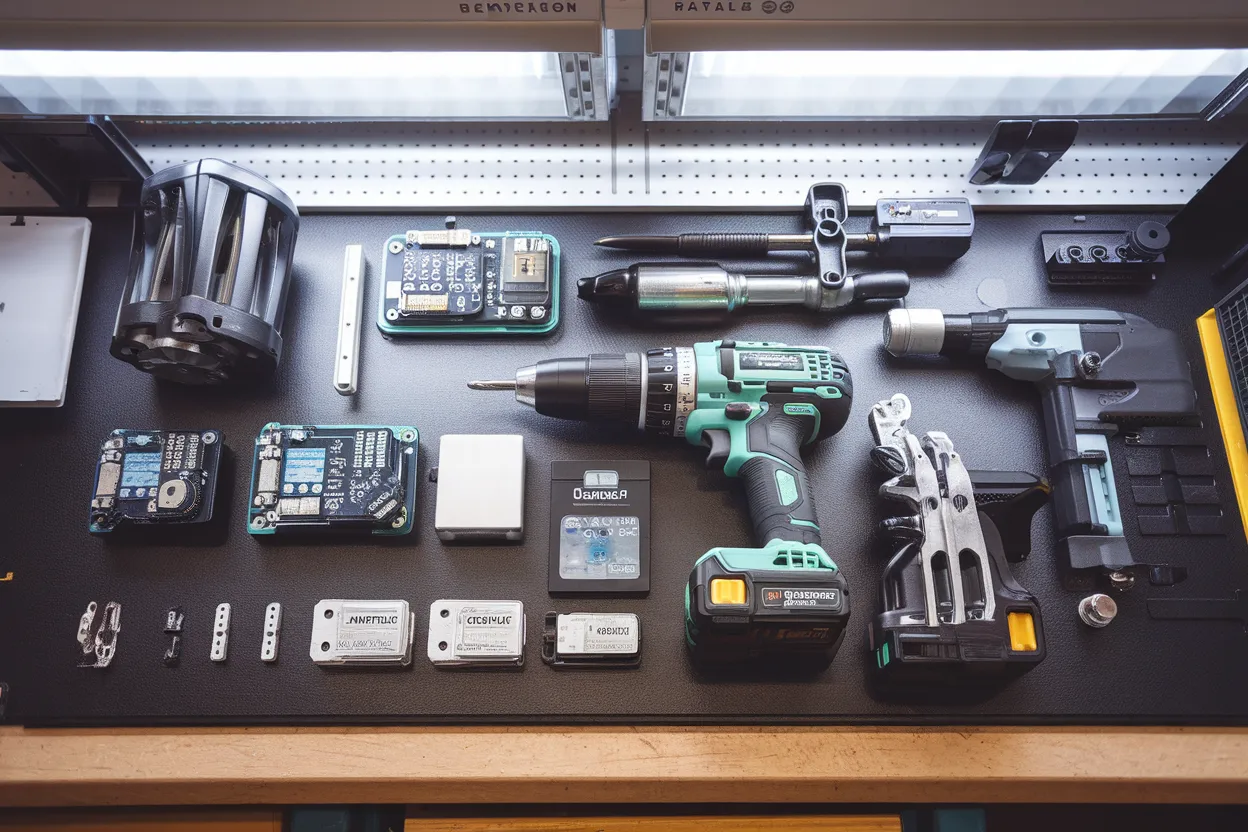
Start with product line structure, not only one SKU
This is one of the biggest mistakes I see. Buyers ask for "the best brushless drill" too early. That is not the first question.
The first question should be:
"What role will this drill play in my product line?"
A smart product line usually needs at least three layers:
- Entry-level price anchor
- Mid-range best seller
- Premium brand builder
In many cases, that means:
- Brushed drill for entry
- Brushless drill for main volume
- Higher-spec brushless hammer drill or combo set for premium
This structure makes pricing easier. It also makes distributor conversations easier.
| Line Position | Suggested Motor Type | Typical Buyer Goal |
|---|---|---|
| Entry-level | Brushed or basic brushless | Test market or low-price channel |
| Core best seller | Brushless | Stable volume and better reviews |
| Premium/pro use | Higher-spec brushless | Brand image and margin growth |
Protect the battery platform from day one
I always push buyers to think about the battery platform early.
If the buyer launches a drill today and later wants to add:
- Impact wrench
- Angle grinder
- Circular saw
- Reciprocating saw
- Blower
- Pruning shear
Then the battery platform must already make sense.
That means they should ask their factory about:
- Cell configuration
- BMS logic
- Charger compatibility
- Cross-tool current demand
- Housing consistency
- Spare battery strategy
- Packaging logic for kits and bare tools
Brushless drills help the platform story feel more future-ready. This matters a lot in Europe where buyers often want product families, not random single SKUs.
Match the offer to European buyer concerns
In Europe, buyers often care about more than performance. They also care about:
- CE/EMC documentation
- GS if relevant
- RoHS compliance
- User manual language
- Packaging claims
- MOQ
- Lead time
- Spare parts
- Warranty risk
- Battery transport and shipping handling
I recommend importers ask for a buying table like this before they commit:
| Decision Area | What to Confirm Before Order |
|---|---|
| Motor type | Brushed or brushless and why |
| Battery platform | 12V, 16.8V, 21V, 24V, or 40V plan |
| Certifications | CE, EMC, RoHS, market-specific needs |
| MOQ | Tool only, kit, color box, custom logo |
| Lead time | Sample and mass production timeline |
| Positioning | Entry, mid, or premium |
| Service parts | Chuck, switch, gearbox, battery, charger |
| Packaging | Private label box, case, manual, label |
This reduces confusion later.
Use brushless as a business filter, not only a feature filter
A good importer should ask:
- Does brushless help me win better customers?
- Does it improve average selling price?
- Does it reduce support issues?
- Does it help me build a platform faster?
- Does it make my brand look more serious?
If the answer is yes, then the higher unit cost may be justified.
That is how I think about it with serious B2B buyers. I do not sell brushless because it sounds modern. I look at whether it improves the whole business case.
What does this trend mean for the future of cordless drill product development?
The brushless shift is not just about today’s drill market. It is shaping what future cordless drills will look like, how brands will position them, and how factories will design platforms.
This trend means future cordless drill development will become more platform-based, more electronics-driven, and more focused on efficiency, control, safety, and multi-tool ecosystem value.
Why will electronics matter more in future drill design?
As brushless becomes more common, the value moves beyond the motor itself. More value shifts into:
- Controller tuning
- Battery communication
- Thermal protection
- Trigger response logic
- Load sensing
- Smart protection behavior
This means the future drill market will reward factories that can do more than assemble parts. It will reward manufacturers that understand the full system.
I believe this is very important for private label brands. If a factory only offers copycat hardware, the product will become easier to replace. If the factory can help shape platform behavior and user experience, the brand becomes stronger.
What will happen to entry-level drills?
Entry-level drills will still exist. But even entry-level14 products may move toward affordable brushless options over time as component costs continue to improve.
I expect three things:
- Basic brushless becomes more common in mid-range
- Better controller quality becomes a differentiator
- Cheap brushless products split into two groups:
- Good value system designs
- Weak "label-only" products
That last point matters. In the future, buyers will need to judge brushless quality more carefully, not just whether the word appears on the box.
| Future Trend | Likely Market Effect |
|---|---|
| More brushless adoption | Higher customer expectation |
| Better controller integration | Smoother user feel |
| Stronger battery ecosystems | More repeat tool purchases |
| Lower cost of brushless parts | Wider use in mid-range products |
| More product comparison online | Higher pressure on real performance |
How should brands prepare now?
If I were advising a buyer building a cordless line for Europe today, I would suggest:
- Start with a clear battery platform roadmap
- Use brushless for the main drill SKU
- Keep a brushed entry model only if channel needs it
- Build certification files early
- Plan spare battery and charger sales
- Create a drill story that connects to future tools
- Test real runtime, heat, and screw-driving feel before launch
This is especially important for brands entering from adjacent categories. Many of them already know distribution, retail, or online sales. Their weakness is usually technical confidence, not business ability.
That is why the right manufacturing partner matters. A real OEM/ODM supplier should help reduce uncertainty, not just quote a price.
What this trend means from my side as a manufacturer
From my side, I do not see brushless as a short-term trend. I see it as a structural shift.
It tells me that future product development must focus on:
- Better battery platforms
- Better motor-controller matching
- Better heat control
- Better user feel
- Better product line planning
- Better certification readiness
- Better long-term platform support
That is the real meaning of this market change.
Conclusion
I do not believe brushed drills are finished. I also do not believe every buyer should jump into the most expensive brushless model. What I do believe is this: brushless has become the new center of gravity in cordless drill development. In many markets, especially for Europe-focused private label brands, it now makes more sense as the core product, not the premium extra. When I work with importers, I usually see the same result. The buyers who do best are not the ones who chase the cheapest drill. They are the ones who build a clear battery platform, choose the right motor role for each SKU, and think about long-term market fit before the first order. If you are entering cordless drills now, I would start with that logic.
-
Explore the advantages of cordless drills to understand their growing popularity and efficiency. ↩
-
Discover the importance of battery life in cordless tools for better user experience and value. ↩
-
Understand the elements that contribute to a positive user experience with cordless drills. ↩
-
Explore how long-term product value impacts purchasing decisions and brand loyalty. ↩
-
Discover the significance of battery platforms in enhancing tool compatibility and performance. ↩
-
Understand warranty risk to make informed decisions when purchasing cordless tools. ↩
-
Explore the role of user feedback in shaping the design and functionality of tools. ↩
-
Learn how motor choice impacts the performance and efficiency of cordless drills. ↩
-
Find out what factors influence the runtime of cordless drills for better performance. ↩
-
Learn why efficiency is crucial for performance and user satisfaction in cordless tools. ↩
-
Explore the benefits of brushed drills, especially for entry-level users and budget-conscious buyers. ↩
-
Learn why brushless tools are becoming the standard in the industry and their advantages over brushed models. ↩
-
Understand the significance of a compelling product story in attracting buyers and enhancing sales. ↩
-
Get insights into what makes a power tool suitable for entry-level users and its market potential. ↩