
I see many buyers focus only on power numbers. They compare 20V1 and 40V2 like it is only about air speed3. Then they worry about battery cost4, stock pressure5, and unsold models.
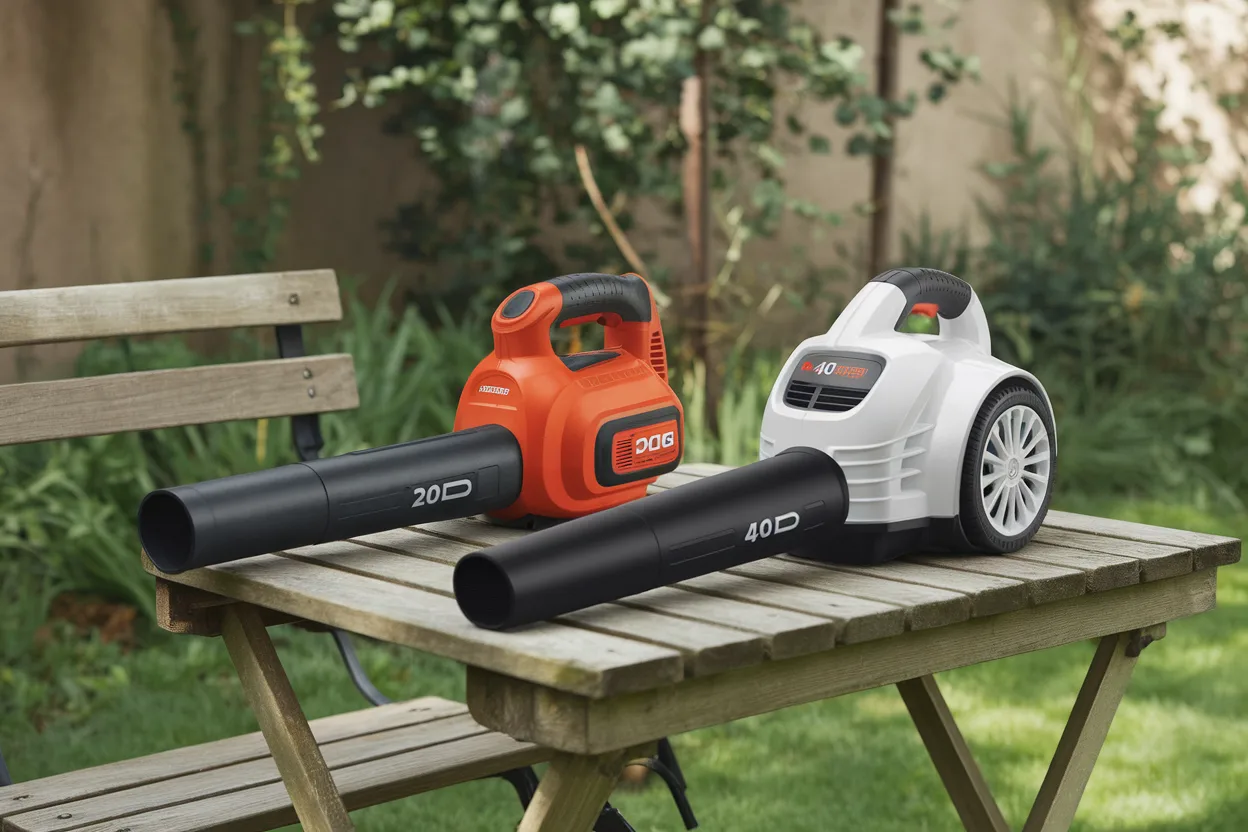
20V suits entry and retail markets with lower cost and wider audience. 40V fits professional use with higher price and stronger positioning. The better choice depends on your target market, battery platform plan, and long term brand strategy.
Last year, a buyer from Germany asked me the same question. He already sold garden tools. He wanted to add cordless blowers. He did not know if he should start safe with 20V or go strong with 40V. I walked him through the real decision logic. I will share that thinking here.
Understanding What 20V and 40V Really Mean?
Many buyers think voltage equals power. That idea sounds simple. It is not fully correct. Voltage affects performance, but it does not tell the full story.
20V systems usually use single battery packs and focus on light tasks. 40V systems often combine two battery units or larger cells to deliver longer runtime and stronger airflow. Voltage affects weight, cost, and platform structure.
Voltage vs Real Output
I always explain that voltage is only one factor. Air volume and air speed matter more for users. Motor type also matters. A brushless 20V blower can outperform a brushed 40V model if design is poor.
Here is a simple comparison I often show to buyers:
| Factor | 20V System | 40V System |
|---|---|---|
| Battery Structure | Single pack | Large pack or dual pack |
| Weight | Light | Heavier |
| Cost | Lower | Higher |
| Target Use | Home garden | Semi professional |
| Shelf Price | Competitive | Premium |
Many European importers from Italy and Spain focus first on retail price range6. If the local DIY store sells most blowers under 120 EUR, 20V is easier to position.
Impact on Certification and Transport
Voltage also affects battery capacity. Higher capacity means stricter transport rules. UN38.3 documents and MSDS must be clear. Germany buyers are careful with battery rules. They ask about compliance early.
I always tell clients that battery design affects not only performance but also logistics cost and warehouse safety.
Market Positioning: Who Actually Buys 20V vs 40V?
Some brands choose voltage based on trend. That is risky. I always ask one question first. Who will use this blower?
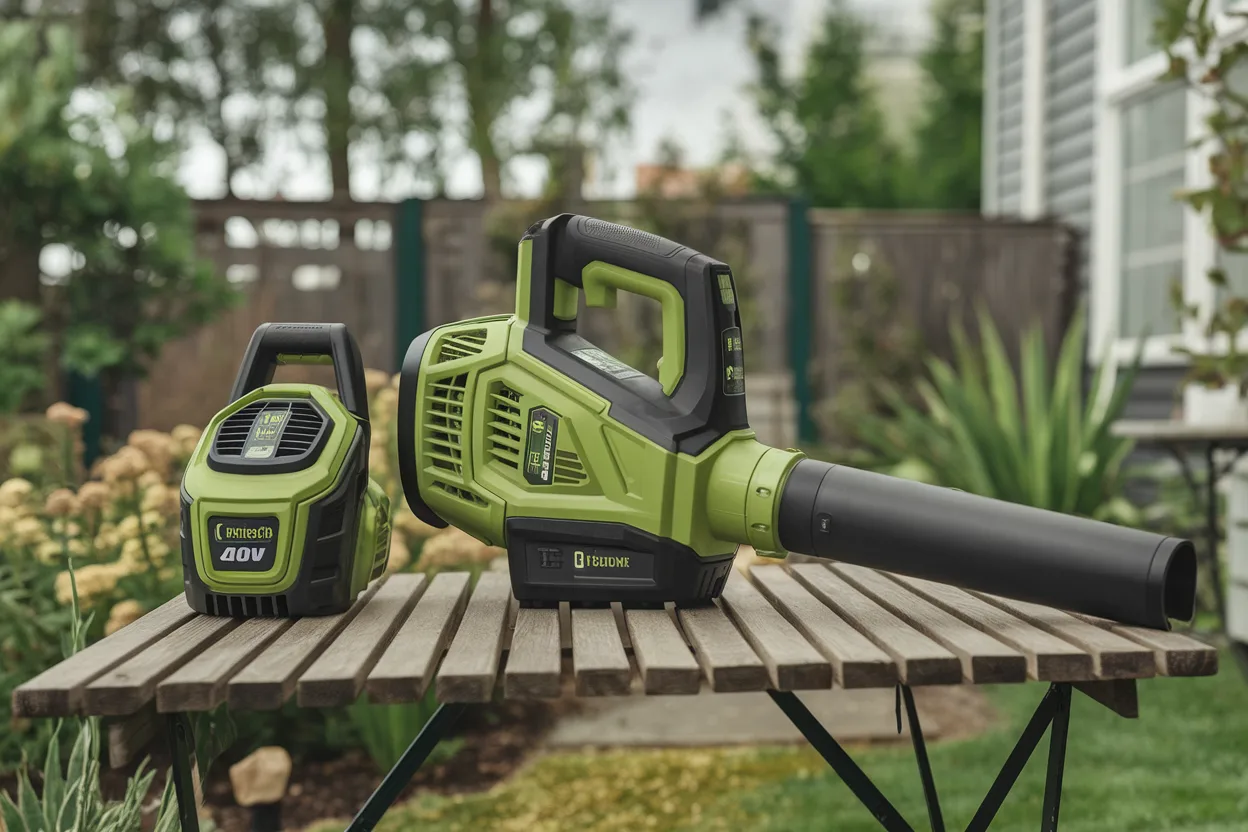
Home users and DIY buyers prefer 20V because it is light and affordable. Landscapers and serious garden owners prefer 40V because they want longer runtime and stronger airflow.
Retail Channel Differences
In Poland and Italy, supermarket chains want entry models. They move volume. They care about MOQ and fast lead time. 20V fits well.
Professional tool distributors in Germany ask for performance data. They compare Newton force and runtime. They look at battery platform7 expansion.
| Buyer Type | Voltage Preference | Reason |
|---|---|---|
| Supermarket | 20V | Price sensitive |
| Online Seller | 20V or 40V | Depends on niche |
| Professional Distributor | 40V | Performance focus |
| New Brand | 20V | Lower risk |
Brand Image Effect
Voltage shapes brand image. 40V looks powerful. It gives a strong first impression. But if your brand has no other 40V tools, the platform looks empty. I have seen this mistake before.
Platform Strategy: The Bigger Decision Behind Voltage?
Voltage is not only about one blower. It is about your battery platform.
A battery platform connects multiple tools under one system. Choosing 20V or 40V affects your future drill, chainsaw, hedge trimmer, and other tools.
Cross Compatible Strategy
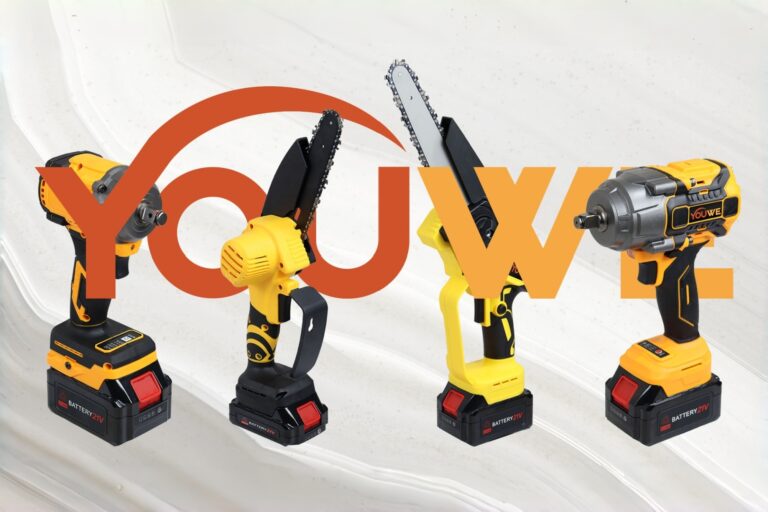
At YOUWE, I always advise buyers to think about system expansion. If you start with 20V blower, you can easily add drill, grass trimmer, hedge trimmer, and chainsaw.
40V systems are stronger for heavy garden tools. But development cost is higher.
| Platform | Expansion Speed | Investment Level |
|---|---|---|
| 20V | Fast | Medium |
| 40V | Slower | Higher |
MOQ and Cash Flow Impact
Higher voltage often means higher battery cost. That increases MOQ value. For new brands entering from Spain or Romania, cash flow8 matters more than peak performance.
I always tell buyers that battery stock is money sleeping in warehouse.
Profit Margin vs Performance: What Most Buyers Overlook?
Many buyers believe higher power means higher profit. That is not always true.
Profit margin depends on positioning, competition level, and battery cost. 20V often gives better turnover. 40V may give higher unit profit but slower movement.
Cost Structure Breakdown
Battery cost difference is clear.
| Cost Element | 20V | 40V |
|---|---|---|
| Battery Cells | Lower | Higher |
| Plastic Housing | Standard | Reinforced |
| Motor | Medium | Strong |
| Final FOB Price | Competitive | Premium |
In one project with a French importer, we tested both versions. The 20V model sold three times faster. The 40V model had higher margin but slower rotation.
Inventory Risk
Higher voltage means higher retail price. High price means slower decision from end users. That increases warehouse time. I always discuss this openly with buyers.
When Should a New Brand Start with 20V?
New brands often want to look strong. But strength without structure creates risk.
A new cordless brand should start with 20V when it wants lower investment, faster expansion, and easier retail entry.
Lower Entry Barrier
20V platform allows quick SKU expansion9. You can build a small family of tools. That helps brand image.
| Benefit | Impact |
|---|---|
| Lower Battery Cost | Better cash flow |
| Wider Audience | Faster sales |
| Easier Certification | Smooth EU entry |
I guided one Italian buyer to start with 20V drill, blower, and trimmer. After one year, he added higher power models.
When Does 40V Make Sense?
40V is not wrong. It fits certain markets very well.
40V makes sense when your target users demand strong performance, and you already have distribution for professional garden tools.
Professional Market Demand
Landscaping companies in Germany and Austria care about runtime. They work long hours. They accept higher price.
| Scenario | 40V Suitability |
|---|---|
| Heavy Wet Leaves | High |
| Large Garden Area | High |
| Light Home Use | Low |
I only suggest 40V when the brand already has stable sales channels.
A Low Risk Entry Strategy for New Cordless Brands?
Many buyers ask me how to test the market without big risk.
The safest strategy is to start with a 20V platform, test market response, build battery base, then expand to 40V only if demand proves stable.

Step by Step Platform Building
I usually suggest this structure:
| Stage | Action |
|---|---|
| Stage 1 | Launch 20V blower + drill |
| Stage 2 | Add hedge trimmer |
| Stage 3 | Evaluate demand |
| Stage 4 | Consider 40V expansion |
This approach protects cash flow. It reduces certification10 pressure. It keeps MOQ manageable. It also allows real market feedback before heavy investment.
Conclusion
I always tell buyers that voltage is not only a technical choice. It is a business structure choice. I suggest starting simple, building platform strength, and expanding only after real market proof.
-
Explore the benefits of 20V tools for entry-level markets and their cost-effectiveness. ↩
-
Discover why 40V tools are preferred for professional landscaping and heavy-duty tasks. ↩
-
Explore the significance of air speed in determining blower efficiency and effectiveness. ↩
-
Learn how battery costs impact overall pricing and profitability in the cordless tool market. ↩
-
Understand stock pressure and its implications for managing inventory effectively. ↩
-
Understand the factors that determine retail pricing in the cordless tool market. ↩
-
Learn about battery platforms and their role in connecting multiple tools for efficiency. ↩
-
Understand the importance of cash flow management for new brands entering the market. ↩
-
Discover the significance of SKU expansion for building a successful product line. ↩
-
Explore the necessary certifications for selling cordless tools in various markets. ↩