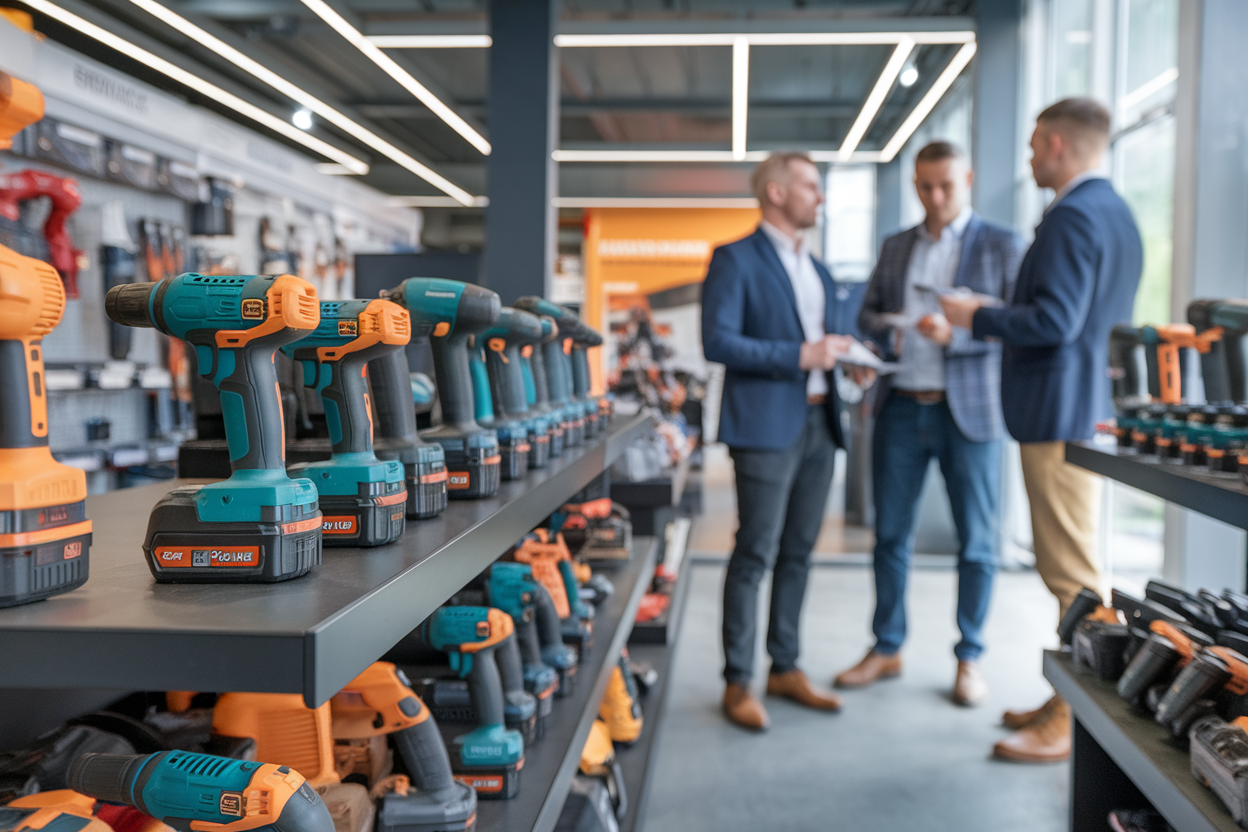
I talk to many buyers who feel curious and stressed at the same time. They see cordless tools everywhere. They fear missing a chance. They also fear making a wrong move and losing money.
You are ready to enter cordless power tools if you already sell hardware or related products, understand your market, and work with a manufacturer who controls batteries, quality, and certification. The risk is real, but it is manageable with the right setup.
I remember my first deep talk with a European importer from Italy. He did not ask about price. He asked if his company was really ready. That question stayed with me. That is why I write this article.
Why So Many Businesses Are Looking at Cordless Power Tools?
Many companies feel pressure. Their old product lines grow slow. Their buyers ask new questions. Cordless tools look attractive. The margins look better. The future looks clear.
More businesses look at cordless power tools because users want mobility, battery tools replace corded tools, and retailers push private label brands with full cordless systems.
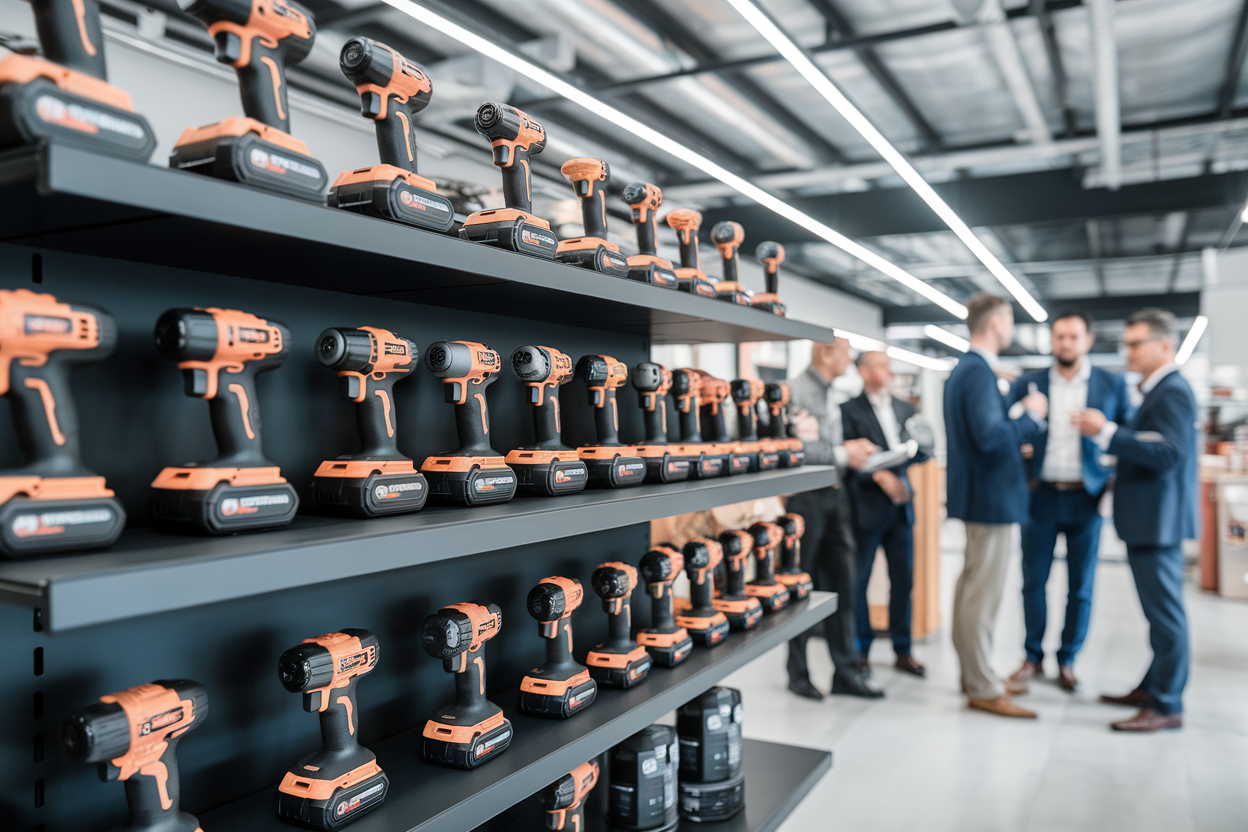
Cordless demand is no longer a trend
I see this in Italy, Spain, and Germany. End users want freedom. They want less cable. They want easy storage. Retail chains follow this demand. Distributors follow retail chains. Brands follow distributors.
Cordless tools now cover almost every job. Drilling. Cutting. Trimming. Cleaning. Even heating and sealing. Battery power improves each year. Brushless motors become standard.
This change does not stop. It moves fast.
Private label brands lower the entry wall
Ten years ago, a new brand needed big factories. Today, OEM and ODM1 change this rule. A business can launch a cordless line without owning machines.
I help many buyers do this. They choose proven models. They add their logo. They adjust colors. They design boxes. They test the market with safe volume.
This is why many non tool companies join this field.
Battery platforms create repeat sales
Cordless tools do not sell once. They sell systems. One battery. Many tools. This creates long term customers2.
This table shows why buyers care about battery systems.
| Factor | Corded Tools | Cordless Tools |
|---|---|---|
| Repeat purchase | Low | High |
| Brand lock in | Low | High |
| Upsell chance | Limited | Strong |
| User loyalty | Weak | Strong |
This system logic attracts smart business owners.
The Real Question Is NOT “Can I Sell Cordless Tools?”
Many buyers ask the wrong question. They ask if they can sell. Selling is often the easy part. The hard part hides behind supply and support.
The real question is whether you can control battery risk, certification risk, and product consistency with a reliable manufacturer.
Selling is easier than managing batteries
I see new buyers focus on looks and price. I understand this. The battery decides success. Battery cells. BMS design. Charging logic. Heat control.
If a battery fails, the tool fails. If tools fail, returns increase. Reviews drop. Retailers lose trust.
This part scares many first time buyers.
Certification risk is often ignored
Europe is strict. CE. GS. EMC. Battery rules. Transport rules. Some buyers learn this too late.
I often say this in meetings. Certification is not paper work. It is part of product design. A wrong battery layout can block certification.
This table shows common hidden risks.
| Risk Area | Common Mistake | Result |
|---|---|---|
| Battery pack | No testing data | Certification fail |
| Charger | Low quality adapter | Safety risk |
| Label | Wrong markings | Customs delay |
| Manual | Poor language | Market complaints |
Consistency matters more than first order price
A buyer may win the first order with low price. The second order decides survival. Same quality. Same color. Same power. Same packaging.
This needs factory control. Not trading luck.
Signs You Are Ready to Enter Cordless Power Tools?
Some buyers are more ready than they think. They only lack confidence. I see clear signs during talks.
You are ready if you understand your sales channel, accept learning time, and choose a stable OEM partner instead of chasing the lowest quote.
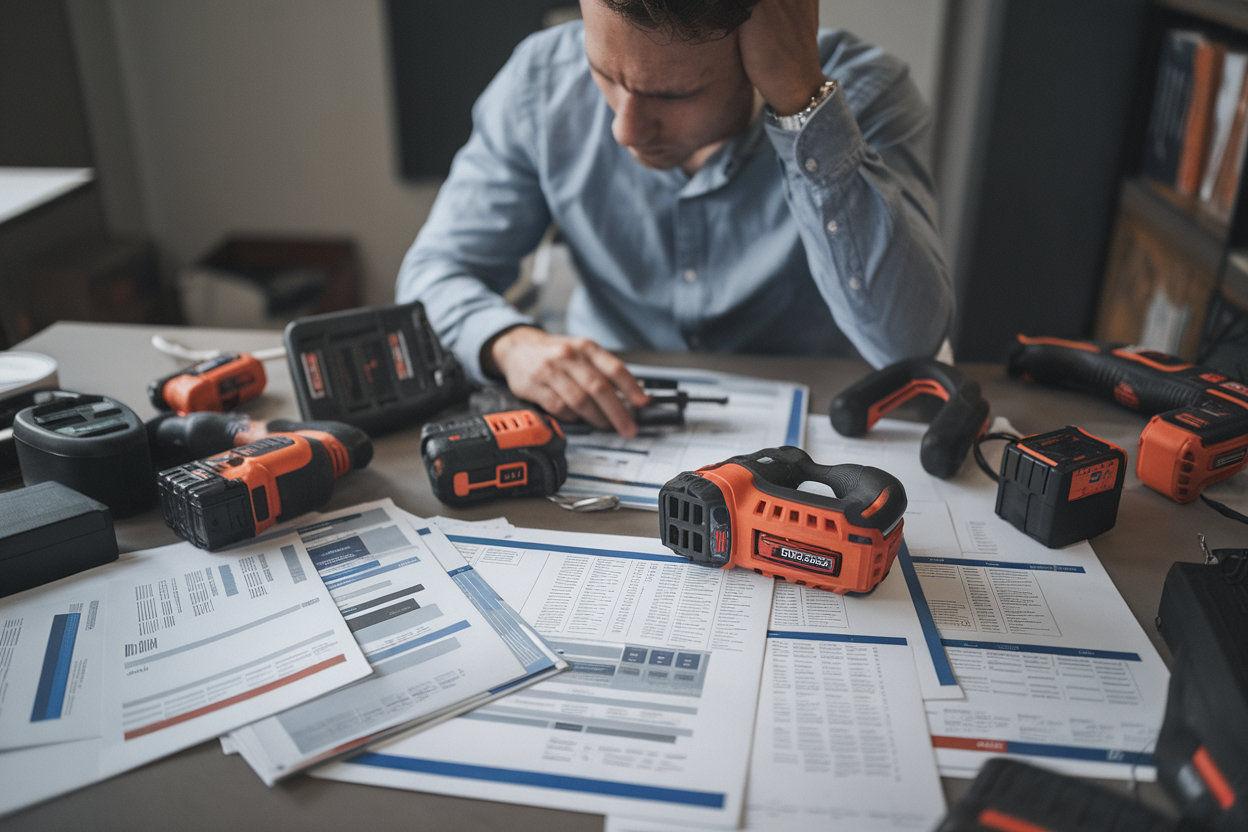
You already sell related products
If you sell hardware, garden tools, industrial items, or building materials, you already understand users. You know season cycles. You know after sales pain.
Cordless tools fit into your system.
You think in systems, not single SKUs
Ready buyers ask me about platforms. 21V. 40V. Tool range. Future expansion.
They do not ask only about one drill.
You accept testing before scaling
Smart buyers test small. They accept learning cost3. They collect feedback. They adjust packaging and specs.
This table shows a healthy entry mindset.
| Area | Ready Buyer | Risky Buyer |
|---|---|---|
| MOQ | Test first | Go all in |
| Pricing | Accept margin learning | Chase low cost |
| Models | Core items | Too many SKUs |
| Partner | Long term | Spot deal |
These buyers usually succeed.
Signs You Are Not Ready (Yet)?
Not being ready is normal. Many strong companies wait one or two years. That is often wise.
You are not ready if you want fast profit, ignore battery rules, or switch suppliers often without data.
You focus only on price
Price matters. It is not everything. Low price often hides unstable batteries or weak QC.
I see this mistake often in first year failures.
You expect zero learning cost
Cordless tools need time. Training. Manuals. User feedback. Returns handling.
If a company wants instant results, problems grow fast.
You change suppliers too often
Each factory uses different cells and designs. Mixing suppliers breaks consistency.
This table shows unstable behavior.
| Behavior | Short Term | Long Term |
|---|---|---|
| Change factory | Lower quote | Higher failure |
| Skip testing | Faster launch | Market loss |
| Copy specs | Easy listing | User issues |
Waiting is sometimes the best move.
Final Answer: Are You Ready?
This question has no simple yes or no. Readiness comes from structure, not courage.
You are ready when you accept learning, choose the right OEM partner, and treat cordless tools as a system business, not a single product gamble.
My honest experience
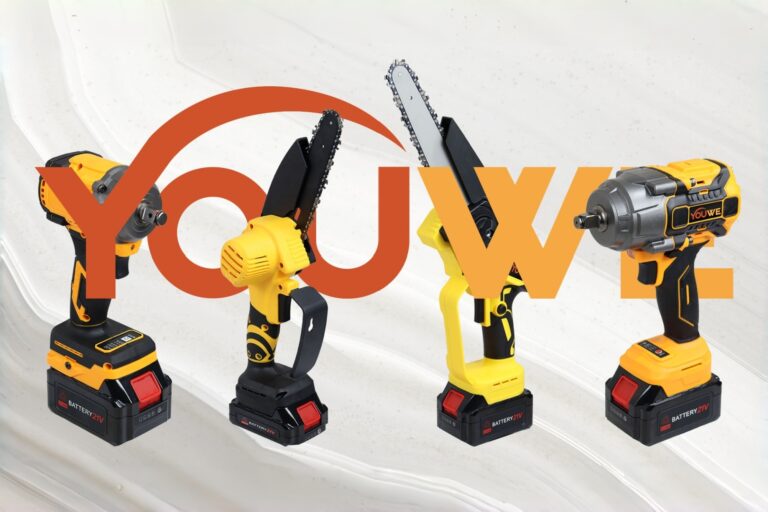
I built YOUWE step by step. I saw failures. I fixed systems. I learned batteries before expanding models. I learned Europe rules before pushing volume.
This path reduced risk. It built trust.
A safe first step exists
Many buyers think entry means full investment. It does not. A small OEM project. One voltage platform. Three core tools. Real feedback.
That is often enough to answer this question in real life.
Conclusion
I believe readiness is about control, not courage. If you control batteries, quality, and partners, you reduce fear. If you feel unsure, talk with a manufacturer who walks this path with you.
-
Understand the roles of OEM and ODM in product development and how they can benefit your business. ↩
-
Learn effective strategies to cultivate long-term customer relationships in the power tools market. ↩
-
Explore the learning costs involved in entering the cordless tools market and how to manage them effectively. ↩