I see many buyers feel confused when they choose a blower. Numbers look big. Specs look similar. Wrong choices lead to slow sales and returns.
Blower power depends on air speed, air volume, task type, and work time. I choose blower power by matching real jobs, battery limits, and buyer markets, not by chasing the highest number.
I remember my first talk with an Italian importer. He only asked one question. Will this blower really work for my customer. That moment shaped how I explain blower power today.
What Does “Blower Power” Really Mean?
Many buyers read specs but still feel unsure. Some focus only on voltage1. Some only look at speed. This causes wrong positioning and price pressure.
Blower power means how fast and how much air the tool moves in real work. It comes from air speed, air volume, motor design, and battery output working together.
Air speed versus air volume
I explain this with simple words in every meeting. Air speed pushes debris forward. Air volume carries debris away. High speed alone feels strong but clears poorly. High volume alone feels soft but moves more material.
- Air speed is measured in MPH or m/s
- Air volume is measured in CFM or m3/min
Both must match the task. A patio needs control. A wet leaf pile needs volume.
Motor and fan design
I see many low price blowers copy voltage numbers but ignore fan design. Blade angle, housing shape, and motor efficiency change real output. Two 21V blowers can feel very different in hand.
Battery discharge ability
Power is not stored only in voltage. It is released by cells. Poor cells drop power fast. Good cells keep airflow stable until cut off.
| Element | Why it matters | Buyer risk if ignored |
|---|---|---|
| Air speed | Initial push force | Feels weak on wet leaves |
| Air volume | Cleaning efficiency | Slow work time |
| Motor type | Power stability | Overheat and returns |
| Battery cells | Real output | Short runtime complaints |
I learned this after a German buyer returned a whole batch years ago. Specs looked right. Real work failed.
How Powerful a Blower Do You Need for Different Tasks?
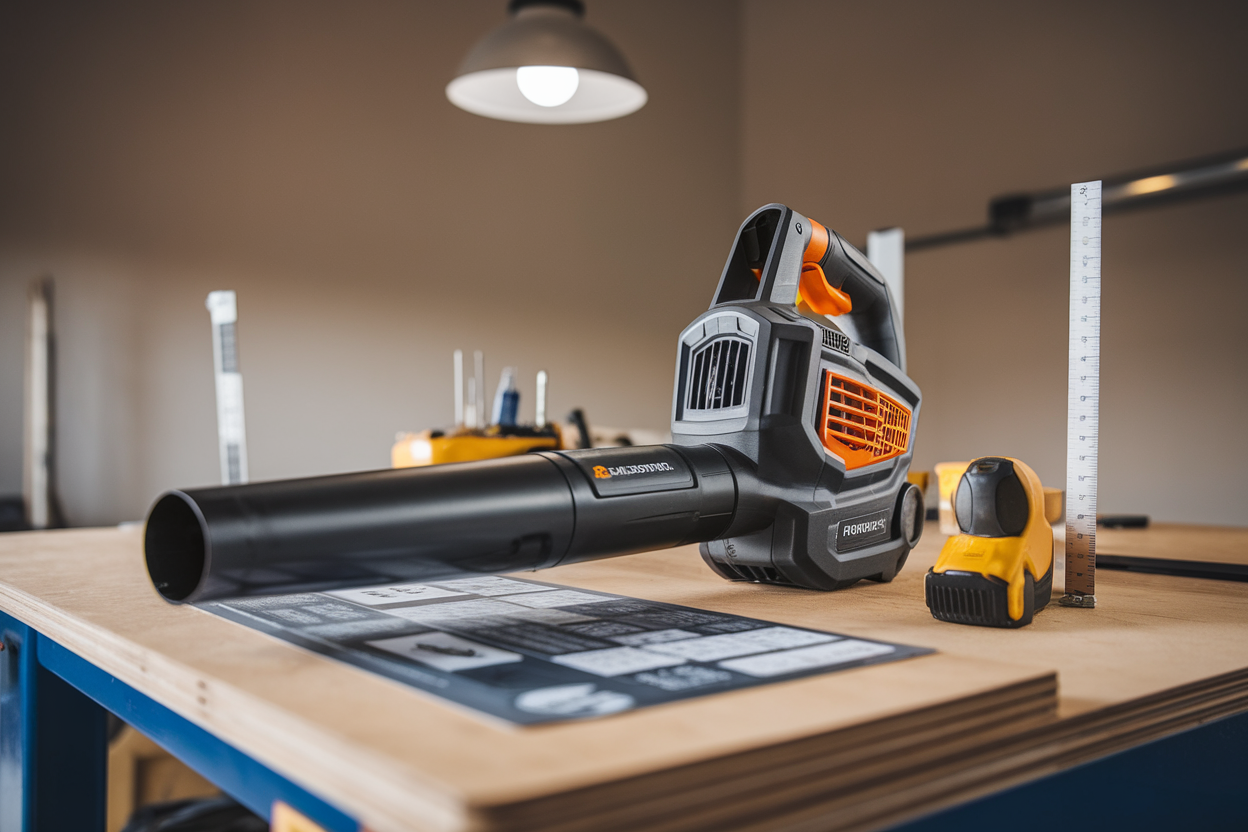
Many buyers try to sell one blower for all users. This almost never works. I split power by task, not by market hype.
Different cleaning jobs need different airflow levels. Matching task and power lowers cost, improves reviews, and simplifies stock planning.
Why task based selection matters
A Spanish e commerce client once chose the strongest model only. Price rose. Conversion dropped. After adding a lighter model, sales stabilized.
Typical power ranges by job
| Task type | Air speed | Air volume | Typical buyer |
|---|---|---|---|
| Patio dust | 90 to 120 MPH | 200 to 300 CFM | DIY users |
| Dry leaves | 120 to 150 MPH | 300 to 450 CFM | Home owners |
| Wet leaves | 150 plus MPH | 450 plus CFM | Pro users |
Battery and runtime impact
Higher power drains batteries faster. I always plan battery size together with airflow. Otherwise users stop work too often and blame the tool.
Light Duty: Patios, Garages, Small Yards?
Many users clean small areas often. They want control, low noise, and low weight.
Light duty work needs moderate airflow, good balance, and long runtime. Power should feel smooth, not aggressive.
Recommended power range
I usually suggest:
- 90 to 120 MPH
- 200 to 300 CFM
- 12V or 16.8V systems
Why higher power hurts here
Too much airflow scatters dust. Users lose control. Complaints rise. Returns follow.
Typical markets
Italy and Spain have many balcony users. Compact tools sell better than big ones.
| Feature | Light duty need |
|---|---|
| Weight | Under 2.5 kg |
| Noise | Low |
| Runtime | 20 to 30 min |
| Price | Entry level |
I learned this after visiting a Rome distributor showroom. Small tools moved faster.
Medium Duty: Home Yards and Regular Leaf Cleanup?
This is the largest volume segment I see in Europe. Buyers want balance.
Medium duty blowers need enough power for leaves but still feel easy to use. This is where most OEM orders focus.
Recommended power range
- 120 to 150 MPH
- 350 to 450 CFM
- 18V to 21V systems
Battery planning
I suggest at least 4.0Ah packs. Smaller packs cut runtime too much.
Certification and noise rules
Germany buyers often ask about noise limits. Balanced airflow helps pass tests without extra cost.
| Market | Key concern |
|---|---|
| Germany | Noise and certification |
| France | Runtime |
| Poland | Price and durability |
This segment builds brand trust when done right.
Heavy Duty: Large Yards, Wet Leaves, Professional Use?
Professional users judge tools fast. Weak power fails immediately.
Heavy duty work needs high air volume, stable output, and strong batteries. Voltage alone does not guarantee this.
Power expectations
- 150 plus MPH
- 500 plus CFM
- 21V or 40V systems
Battery rules in Europe
Large batteries face shipping limits. I design packs to stay compliant while keeping output stable.
Buyer risks
Too heavy tools reduce work time. Poor balance causes fatigue.
| Factor | Pro requirement |
|---|---|
| Air volume | Very high |
| Battery | High discharge |
| Weight balance | Critical |
| Price | Secondary |
I learned this from a landscaping contractor in Germany who tested samples in rain.
Cordless Blower Power: Is Voltage Everything?
Many buyers ask me only about voltage. This is a common mistake.
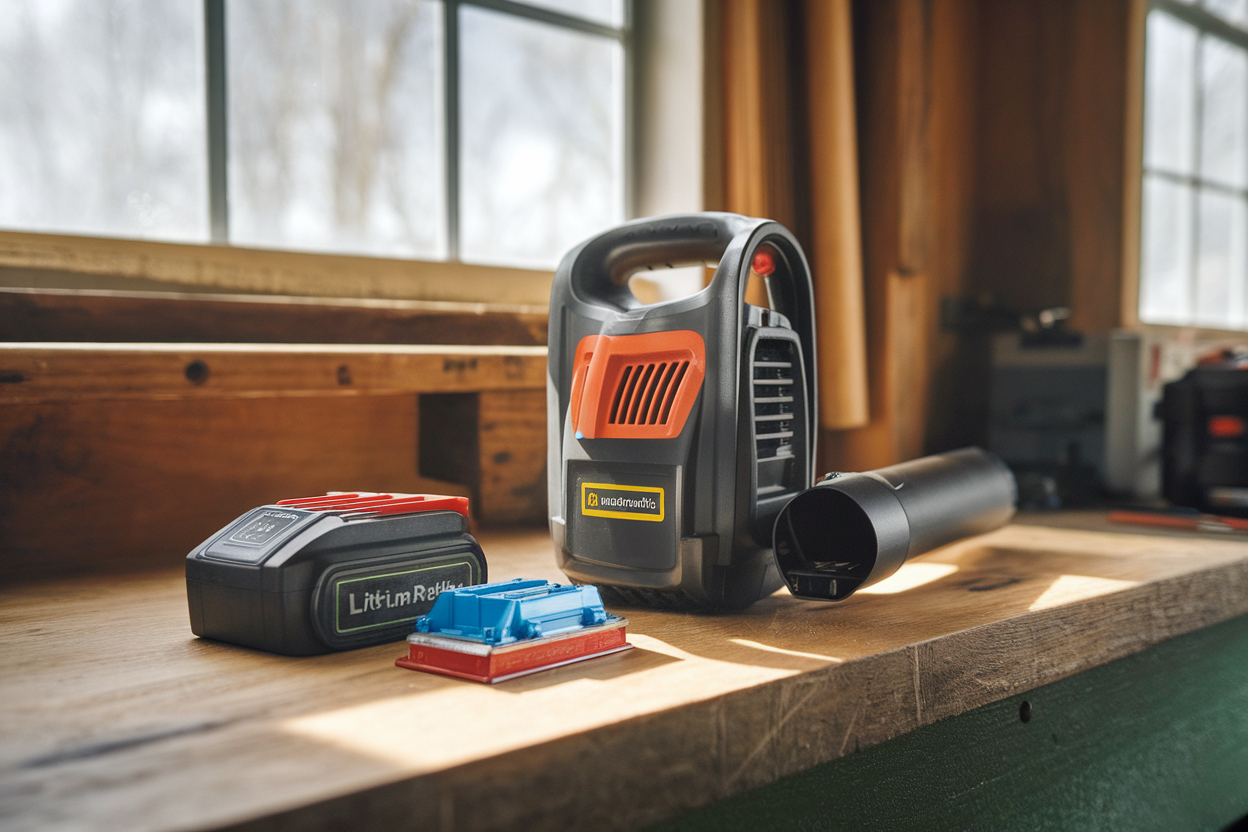
Voltage sets system potential, but real power depends on motor, controller, fan, and battery cells.
Why voltage misleads buyers
I have seen 16.8V models beat poor 21V designs. Numbers sell fast but fail later.
What I check instead
- Continuous airflow
- Heat control
- Battery sag under load
OEM positioning
I help buyers explain this simply to users. Clear education reduces returns.
| Spec | Real meaning |
|---|---|
| Voltage | System level |
| CFM | Cleaning speed |
| MPH | Push force |
How Battery Size Affects Real Power?
Power without runtime has no value. I always talk about both.
Battery capacity controls how long the blower keeps full airflow. Small packs limit real performance.
Capacity and discharge
Higher Ah means longer stable output. Cell quality matters more than label size.
Tool platform strategy
Shared batteries across tools increase order size and reduce buyer risk.
| Battery | Typical runtime |
|---|---|
| 2.0Ah | Short |
| 4.0Ah | Balanced |
| 6.0Ah | Long |
I always plan blower and battery together during OEM design.
Common Mistakes When Choosing Blower Power?
I see the same errors every year.
Most mistakes come from chasing specs instead of real use and market rules.
Top mistakes
- Only comparing voltage
- Ignoring battery rules
- Overpowering small markets
Cost impact
Wrong power choice increases returns, shipping cost, and brand damage.
| Mistake | Result |
|---|---|
| Too strong | Complaints |
| Too weak | Bad reviews |
| Wrong battery | Customs delay |
I fixed many failed models by adjusting airflow, not voltage.
So, How Powerful of a Blower Do You Need?
Every buyer situation is different. I always start from use, not from numbers.
The right blower power matches task, user, battery rules, and price position. That balance builds long term sales.
My simple rule
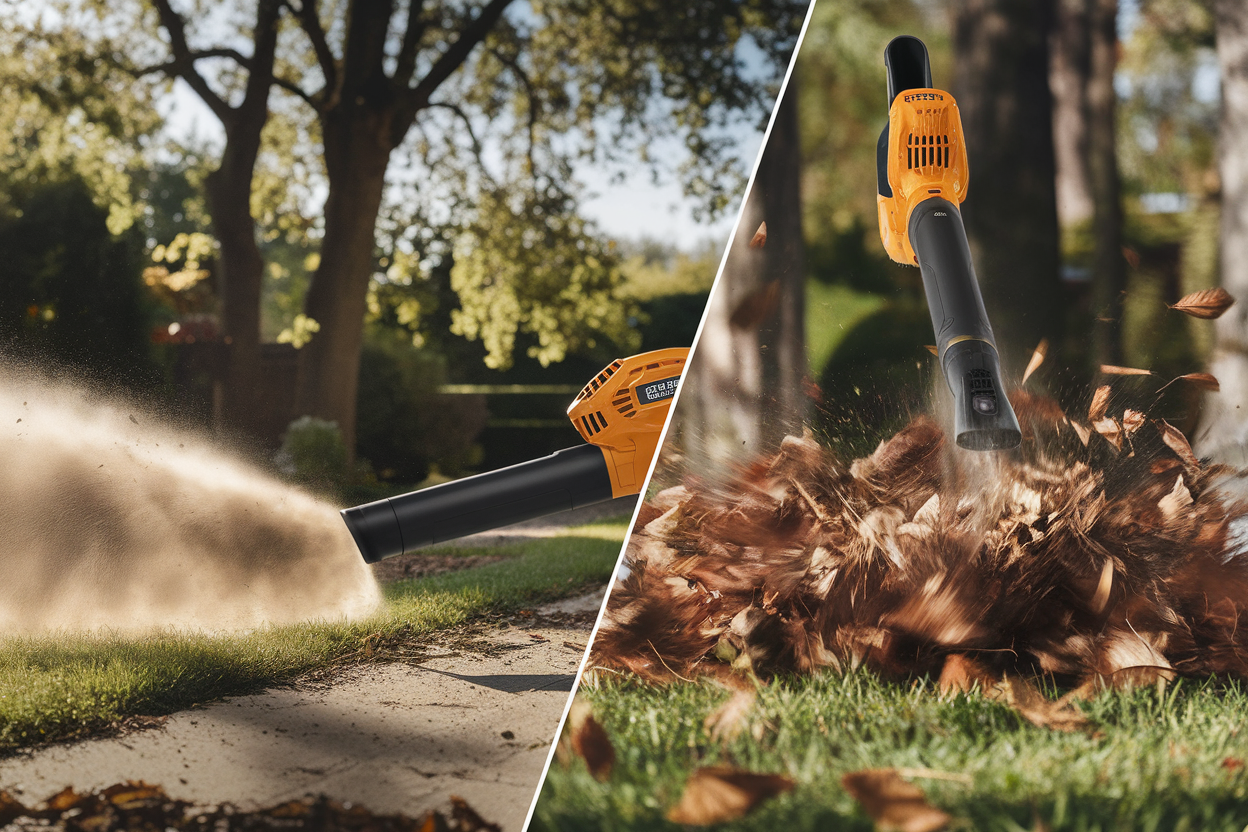
Match airflow to debris. Match battery to runtime. Match specs to market.
OEM decision path
| Step | Question |
|---|---|
| 1 | Who uses it |
| 2 | What they clean |
| 3 | How long they work |
This approach saved many buyers from costly mistakes.
Conclusion
I choose blower power by real work, not by marketing numbers. When airflow, battery, and user match, products sell longer and brands grow stronger. If you want a clear answer for your market, you can talk with me.
-
Discover why focusing solely on voltage can lead to poor blower choices and performance issues. ↩