I’ve met many buyers who tell me, “Lynn, the shears looked perfect online… until we actually used them.” I know that feeling. On the surface, cordless pruning shears[^1] all look alike. But once you hold them in your hand and cut through branches for a full season, the truth shows up fast.
Professional and DIY cordless pruning shears differ in cutting life, motor strength, battery architecture, comfort, and long-term stability. Pros are built for heavy, daily use; DIY models are made for light and occasional trimming. Choosing the right one depends on workload, materials, and durability expectations.
When I source tools for buyers across Europe, I always ask one simple question first: How often will your customer use it?
Because that one answer changes everything—from blade steel to price point to warranty issues later.
What Are Professional-Grade Cordless Pruning Shears?
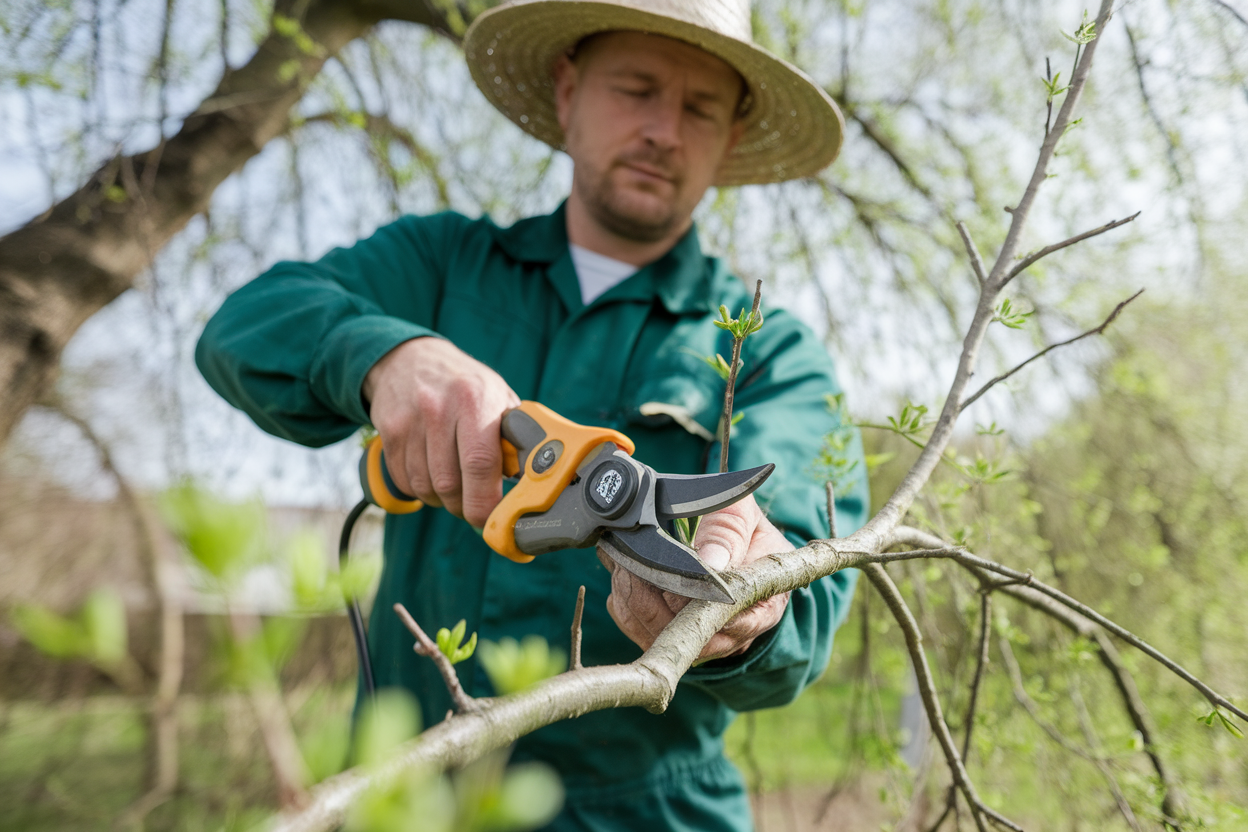
Professional-grade shears are built for people who cut all day—gardeners, vineyard workers, landscapers, and farmers. I’ve seen how much stress one tool goes through during a busy season, and pros need a shear that can survive tens of thousands of cycles without losing precision.
Professional-grade pruning shears are cordless cutting tools designed for daily, intensive use. They include hardened steel blades, longer cutting life, stronger motors, higher torque, stable electronics, and ergonomic bodies. These tools are engineered to complete 80,000–120,000 cuts before key parts need replacement.

A professional tool isn’t only about higher power—it’s about consistency. I’ve worked with many vineyard clients who cut from sunrise to afternoon, and they can tell immediately when a tool slows down even slightly.
Here’s what typically separates a pro model:
| Feature | Professional-Grade |
|---|---|
| Cutting Life | 80,000–120,000 cycles |
| Blade Material | Hardened SK5 / alloy steel |
| Motor Type | Brushless |
| Battery Design | Smaller base, ergonomic curve |
| Target User | Landscapers, farmers, vineyards |
Why the Ergonomics Matter
If you’ve ever done 3–4 hours of pruning yourself, you’ll understand why the battery base shape matters. A more curved design—like what we use in YOUWE pro models—sits naturally along your forearm, so you feel less wrist fatigue. When I tested early samples years ago, I had sore hands for two days. Ever since, I’ve insisted manufacturers improve curvature and button travel.
With pro-grade shears, you also see better heat management[^2]. The electronics stay stable so the tool doesn't cut slower as the battery drains. This stability affects your entire working rhythm.
What Are DIY-Grade Cordless Pruning Shears?
DIY-grade shears[^3] are for homeowners and hobby gardeners who cut occasionally: some bushes this weekend, a few small branches next month, maybe a light trimming around spring.
DIY-grade cordless pruning shears are light-use cutting tools designed for occasional garden work. They offer moderate cutting power, simpler electronics, and shorter cutting life—usually 10,000–30,000 cycles. They are affordable, easy to use, and ideal for light trimming.
DIY tools are not “bad”—they’re simply made for a different rhythm. Most European resellers buy DIY models when their customers are homeowners or hobbyists who trim maybe once a week.
Here’s what a typical DIY model looks like:
| Feature | DIY-Grade |
|---|---|
| Cutting Life | 10,000–30,000 cycles |
| Blade Material | Standard SK5 |
| Motor Type | Brushed |
| Battery Design | Larger and simpler |
| Target User | Home gardeners |
DIY shears are lighter on the wallet, and many buyers appreciate how easy they are to hold. I’ve sold thousands of units into European chain stores that wanted competitive pricing for beginner or casual users.
But—if pushed too hard—DIY shears heat up quickly, lose torque, and may even jam. That’s simply because they aren’t engineered for long daily shifts.
Key Differences Between Professional-Grade and DIY-Grade Cordless Pruning Shears
This is the part where most buyers lean in. The differences may look small on paper, but in real-world use, they feel huge.
The main differences include cutting life, motor strength, battery design, blade durability, and long-term stability. Professional models handle continuous heavy use and deliver stronger torque, while DIY models are built for light trimming and shorter cycles.
Here’s a side-by-side comparison I often show new buyers:
| Category | Professional-Grade | DIY-Grade |
|---|---|---|
| Cutting Capacity | 25–40mm | 10–20mm |
| Motor Strength | High torque, brushless | Lower torque, brushed |
| Daily Working Hours | 6–10 hrs | 10–30 minutes |
| Maintenance | Replaceable blades + gears | Basic cleaning |
| Accuracy | Stable | Can weaken with heat |
My Story From the Field
A buyer from Italy once ordered DIY shears for vineyard workers because “they look the same and cost less.”
Two months later, he called me—frustrated. The tools overheated, batteries drained too fast, and the blades wore down before the first season ended.
We switched to professional-grade units the next shipment.
No complaints afterward.
Sometimes “cheaper” becomes “more expensive.”
Which One Should You Choose?
Not sure which one fits your customers? I usually help my European buyers decide in under one minute with a simple rule.
Choose professional-grade shears for heavy, daily pruning or commercial farms. Choose DIY-grade shears for occasional home use, light trimming, or customers who prioritize lower price over long-term durability.
Ask yourself (or your customer base):
- How often will they cut?
- What thickness of branches?
- Do they need long working hours?
- Is after-sales maintenance available?
General Recommendation
- Vineyard and orchard clients → Professional-grade
- Hardware stores with hobby gardeners → DIY-grade
- Landscapers and contractors → Professional-grade
- Home garden kits → DIY-grade
If your European market mixes both types, consider offering two versions under the same brand. Many successful buyers do this—it helps them catch two price segments without confusing customers.
Expert Tips for Making the Right Purchase
Over the years, I’ve seen buyers lose money because of tiny details they missed during sourcing.
Check cutting cycle life, blade steel type, battery base design, and whether spare parts are available. Ask suppliers for real testing data, proof of certifications, and sample performance before placing bulk orders.
Here are the things I always verify before confirming a factory:
1. Cutting Cycle Test
A real pro model must pass 80,000–120,000 cuts.
Ask suppliers for a video test, not just a number on a PDF.
2. Blade Steel
SK5 is common—but quality differs by heat treatment.
A poorly treated blade loses its edge in days.
3. Battery Base Ergonomics
A curved, smaller base means less wrist fatigue.
(That’s why YOUWE redesigned ours—it really matters.)
4. Certification Check
Especially in Europe.
Ask for raw test reports, not only certificates.
Some factories still use outdated or falsified documents—I catch these every year.
5. Spares Availability
A pro tool without spare blades is a headache waiting to happen.
6. Shipping Timelines
Cordless tools sell in seasons. Late delivery means lost revenue.
I always ask buyers: What’s your selling window?
These small checks make a huge difference in keeping your brand reputation safe.
Conclusion
Professional and DIY pruning shears serve totally different users. Once you understand workload and durability needs, choosing becomes easy—and your customers stay happier, longer.