I still remember the first time I brought home a small chainsaw to clear a few stubborn branches. I expected noise, hassle, trouble—but instead, I felt in control. Home chainsaws don’t need to be complicated; they just need to fit your hands, your yard, and your rhythm.
A chainsaw for home use should be easy to start, simple to maintain, and powerful enough for light cutting tasks. Most homeowners choose battery chainsaws for convenience or small gas models for tougher wood. The right option depends on yard size, wood hardness, and your comfort with tool upkeep.
If you’re like most people I talk to—especially buyers across Europe—you want something reliable but not overwhelming. And honestly, choosing a chainsaw is not about power alone. It’s about how it feels in your hands and whether it fits your day-to-day work. Let’s break down what really matters.
Should I buy a battery or gas chainsaw?
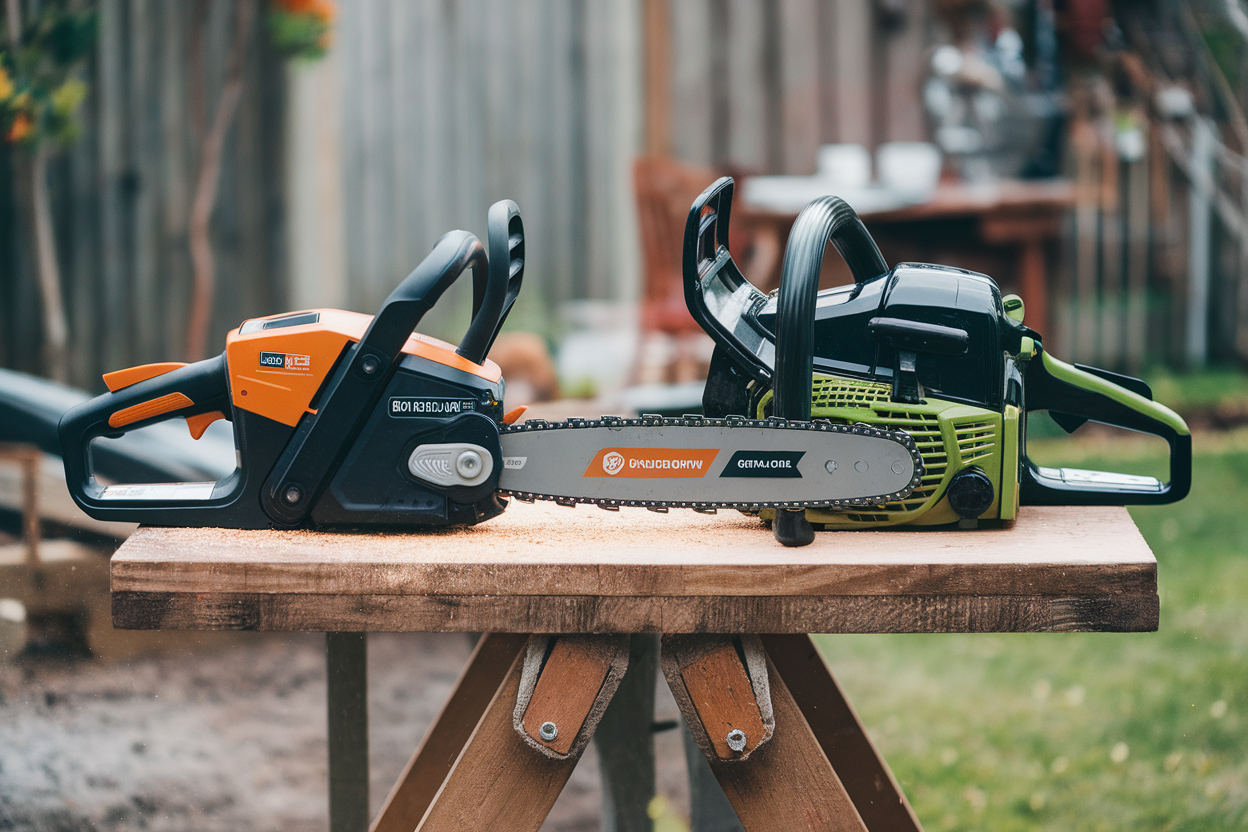
This question comes up every time I meet buyers at tradeshows. Both battery and gas chainsaw1s can work well at home, but their strengths are very different. Your choice depends on how much cutting you do and how much noise or maintenance you’re willing to accept.
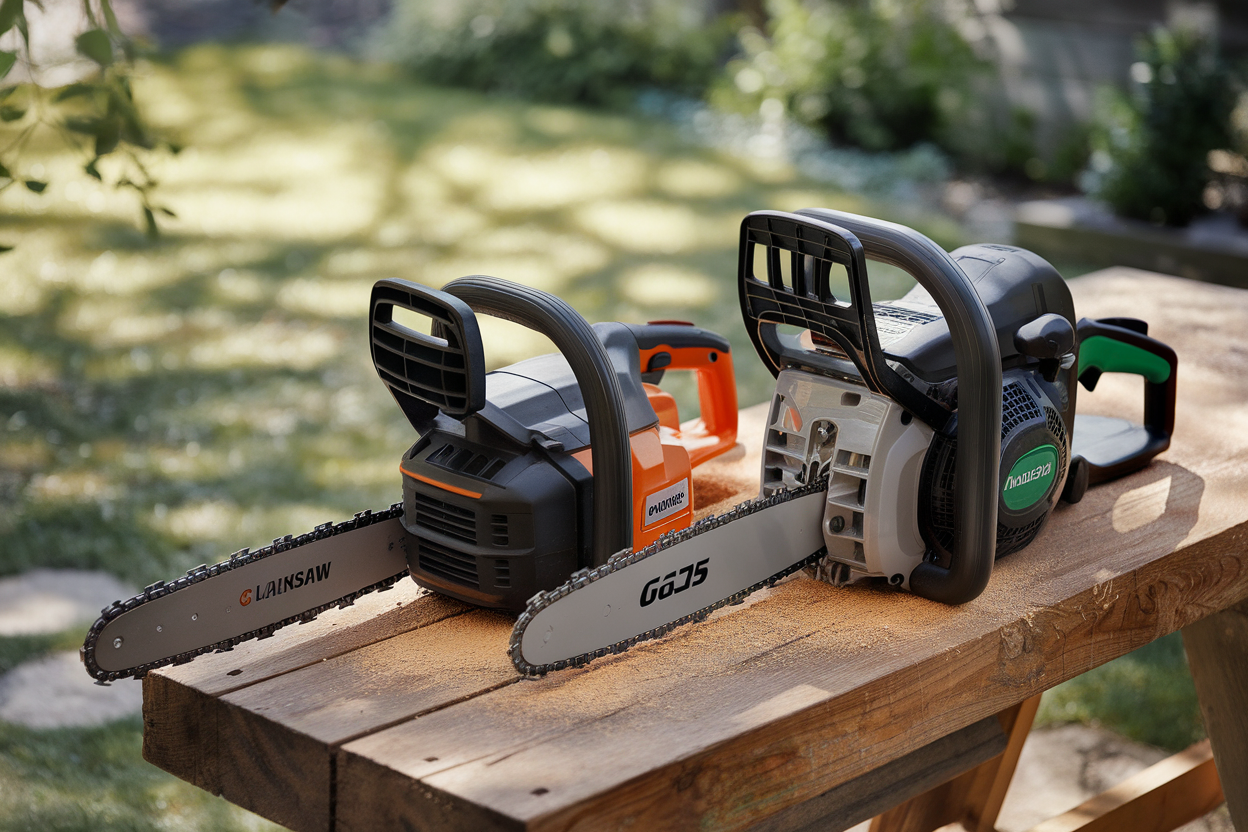
A battery chainsaw is better for light, everyday home tasks because it is quiet, easy to start, and low-maintenance. A gas chainsaw is better for heavy or frequent cutting because it offers more power and longer run time. Choose based on workload, yard size, and your comfort with maintenance.
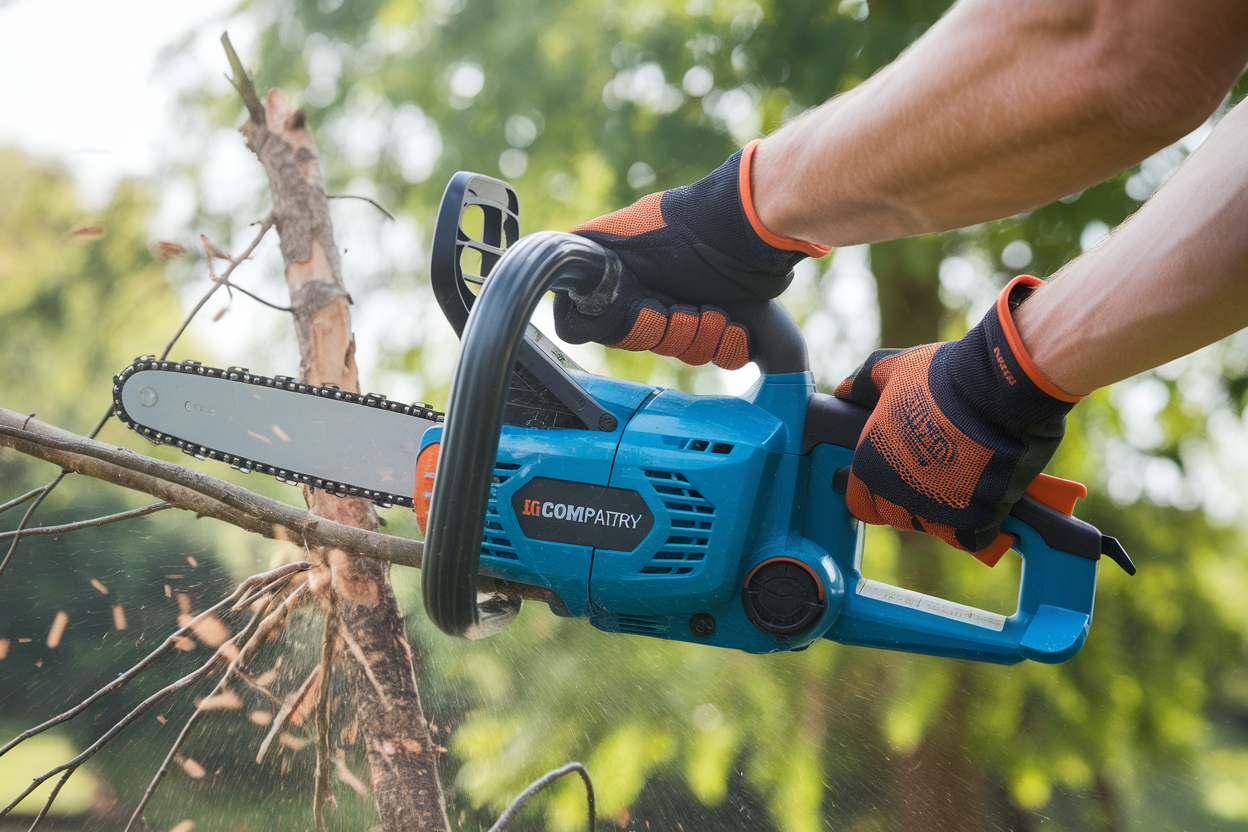
When I talk with European buyers—especially those sourcing from China—the same pattern always appears: their customers want convenience, not complications. And this is exactly where battery chainsaws2 shine.
Battery models feel almost like using a cordless drill. You press a button, the chain moves, and you’re ready. No fuel mixing. No fumes. No pull cords. If you only cut small logs for the fireplace or prune trees once in a while, a battery saw feels like a breath of fresh air.
But there’s another side of the story.
If you deal with thicker wood—old oak, storm-damaged trees, or large trunks—battery power may run out fast. That’s where gas chainsaws still earn their place. They offer more continuous power, and if you’re the type who doesn’t like stopping halfway, gas can be reassuring.
Here’s a simple comparison:
| Feature | Battery Chainsaw | Gas Chainsaw |
|---|---|---|
| Start-up | Button start | Pull cord |
| Noise | Low | High |
| Maintenance | Low | Medium/High |
| Power | Light/Medium | Medium/High |
| Best for | Yard trimming, small logs | Heavy wood, rural properties |
Sometimes I share this story:
A small retailer in Italy once told me his customers bought gas saws “just in case,” but they ended up using battery saws 90% of the time because they preferred the quiet mornings. That’s the reality—people want peace, not stress.
So your final choice depends on your habits.
If you prefer something simple and clean, battery is your friend.
If you need raw power, gas won’t let you down.
What size chainsaw is best for a homeowner?
Choosing the right size is more important than most people think. Too big feels scary and heavy; too small can’t finish the job. Homeowners usually need something comfortable to hold and strong enough to cut firewood3 or prune trees without wearing them out.
For most homeowners, a chainsaw with a 12–16 inch bar is ideal. A 12-inch bar works for pruning and small logs, while a 14–16 inch bar handles general yard work. Choose based on tree size, branch thickness, and your comfort with tool weight.
I’ve watched countless buyers debate bar sizes at tool fairs, comparing lengths the same way people compare shoes. But unlike shoes, a longer bar doesn’t make you stronger—just more tired. Especially if you’re new to chainsaws.
A 12-inch bar is perfect for quick weekend jobs. Think trimming branches, handling storm debris, or cutting small logs for a backyard fire. It’s light, easy to direct, and doesn’t pull you forward. Many first-time users tell me it feels “friendly,” and I get why.
A 14-inch setup hits a sweet spot.
It gives you the flexibility to cut both small and medium wood without feeling bulky. Many cordless models fall into this size because it matches their natural power range.
Once you step into the 16-inch category, you’re dealing with something more serious. It’s still fine for homeowners—especially those in rural areas—but it requires confidence. The weight goes up. The kickback zone increases. And your cutting technique4 matters more.
Here’s a simple reference table:
| Bar Length | Best Use | User Experience |
|---|---|---|
| 12 inch | Pruning, small logs | Light and easy |
| 14 inch | Mixed yard tasks | Balanced control |
| 16 inch | Larger logs, small trees | More power, more weight |
One time, a French buyer told me he used a 20-inch saw for casual garden work because “more is better.” After a week, he called back with wrist pain and switched to a 14-inch model. Lesson learned: the best chainsaw is the one you can use comfortably, not the one with the longest bar.
So think about the trees around your home.
Think about your strength.
And pick a size that works with you—not against you.
Conclusion
The best chainsaw for home use is the one that fits your workload and feels natural in your hands. Keep it simple: choose the power source and bar size that match your yard, and cutting wood becomes much easier—maybe even enjoyable.
-
Learn why gas chainsaws are ideal for heavy-duty cutting and how they outperform battery models in certain situations. ↩
-
Explore the benefits of battery chainsaws, including convenience and low maintenance, perfect for everyday tasks. ↩
-
Learn efficient methods for cutting firewood, making your winter preparations easier and more enjoyable. ↩
-
Explore expert cutting techniques to improve your chainsaw skills and ensure safe operation. ↩