
I still remember the first time I dropped a cordless rivet gun into my tool bag—it felt like someone had quietly removed a weight from my shoulders. No hoses. No compressors. Just freedom.
Cordless rivet guns can be very effective for most metalworking jobs. They offer strong pulling force, fast setup, and good mobility. Their performance mainly depends on the motor strength, battery size, jaw durability, and build quality of the gearbox.
Many of my European buyers ask the same thing: “Is a cordless model truly reliable—or is it just convenient?”
In this article, I’m speaking directly from hands-on experience in factories and countless buyer conversations, so you can judge whether a cordless rivet gun fits your workflow.
What are common problems with rivet guns?
Even though we like to imagine rivet guns working smoothly, reality often has its own personality—especially on busy shop floors.
Common rivet gun problems include jamming caused by metal debris, worn jaws that reduce pulling force, inconsistent rivet setting due to low air pressure or weak batteries, and difficulty handling stainless steel rivets. Manual and low-cost riveters struggle most under heavy workloads.
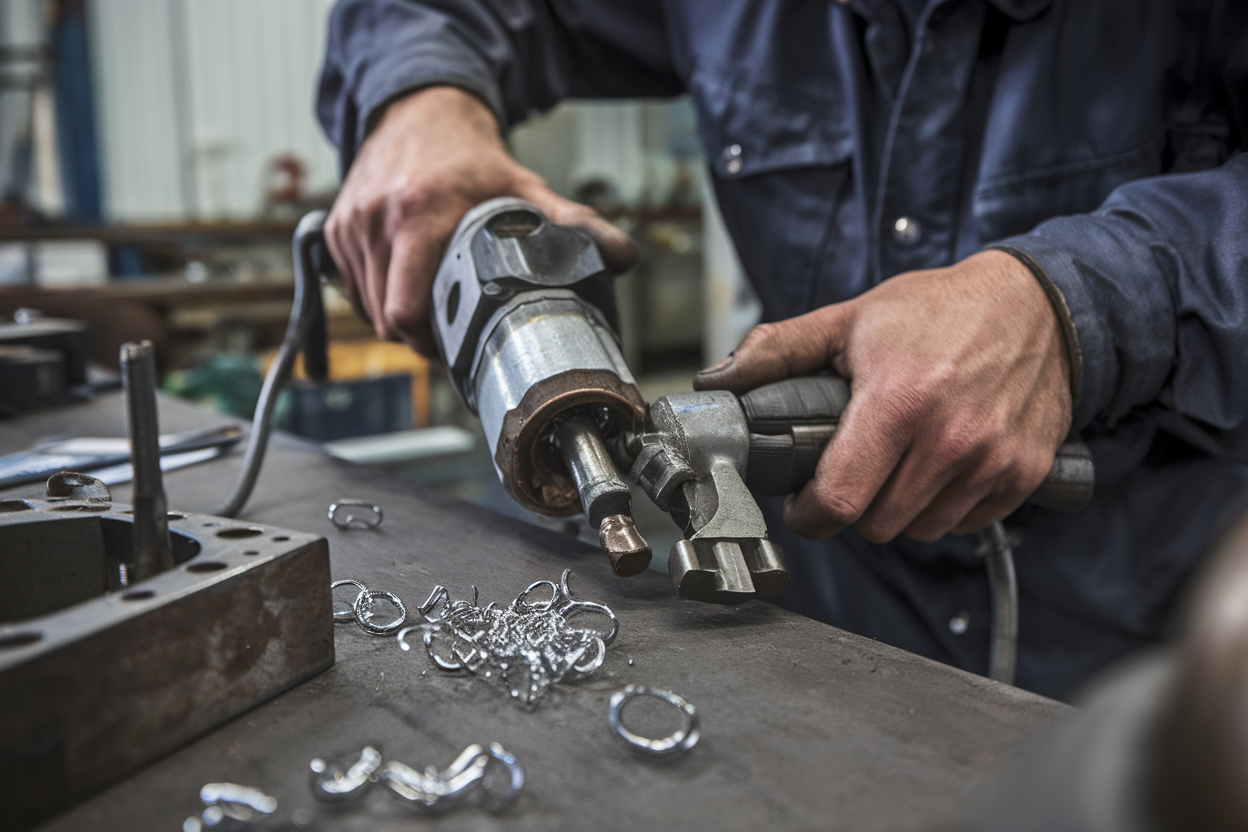
Why these problems happen (and what I’ve seen in real life)
I still remember standing next to a buyer during a factory inspection. He tried using a cheap rivet gun on stainless steel rivets. It jammed. Then jammed again. He sighed, I sighed, and we both learned something important: most “problems” come from mismatched expectations, not bad tools.
1. Jamming
Metal shavings slip into the jaws, especially when using soft aluminum rivets.
I’ve seen people bang the tool on the workbench out of frustration. It works—but it shortens the tool’s life.
2. Weak pulling force
The jaws do most of the heavy work.
Cheap models wear out fast, especially with steel rivets.
| Issue | Typical Cause |
|---|---|
| Weak pull | Worn jaws / wrong rivet size |
| Jamming | Metal debris |
| Slow cycles | Low air pressure or low battery |
| Inconsistent setting | Poor-quality rivets |
3. Power inconsistency
Whether it's pneumatic or cordless, unstable power leads to loose rivets.
- Pneumatic: low air pressure
- Cordless: low battery
- Manual: tired hands (yes, it counts)
So you can already see the pattern—different rivet guns fail in different ways. The key is choosing the right tool for your workload.
How does a cordless rivet gun compare to an air rivet gun?
This is the question I hear most often from European buyers—especially those in automotive work, metal fabrication, and booth manufacturing.
Cordless rivet guns provide excellent mobility, simple setup, and enough force for most small to medium jobs. Air rivet guns deliver higher speed, stronger continuous force, and better performance for industrial volume but require compressors and hoses. Cordless is more convenient; pneumatic is better for high-volume production.
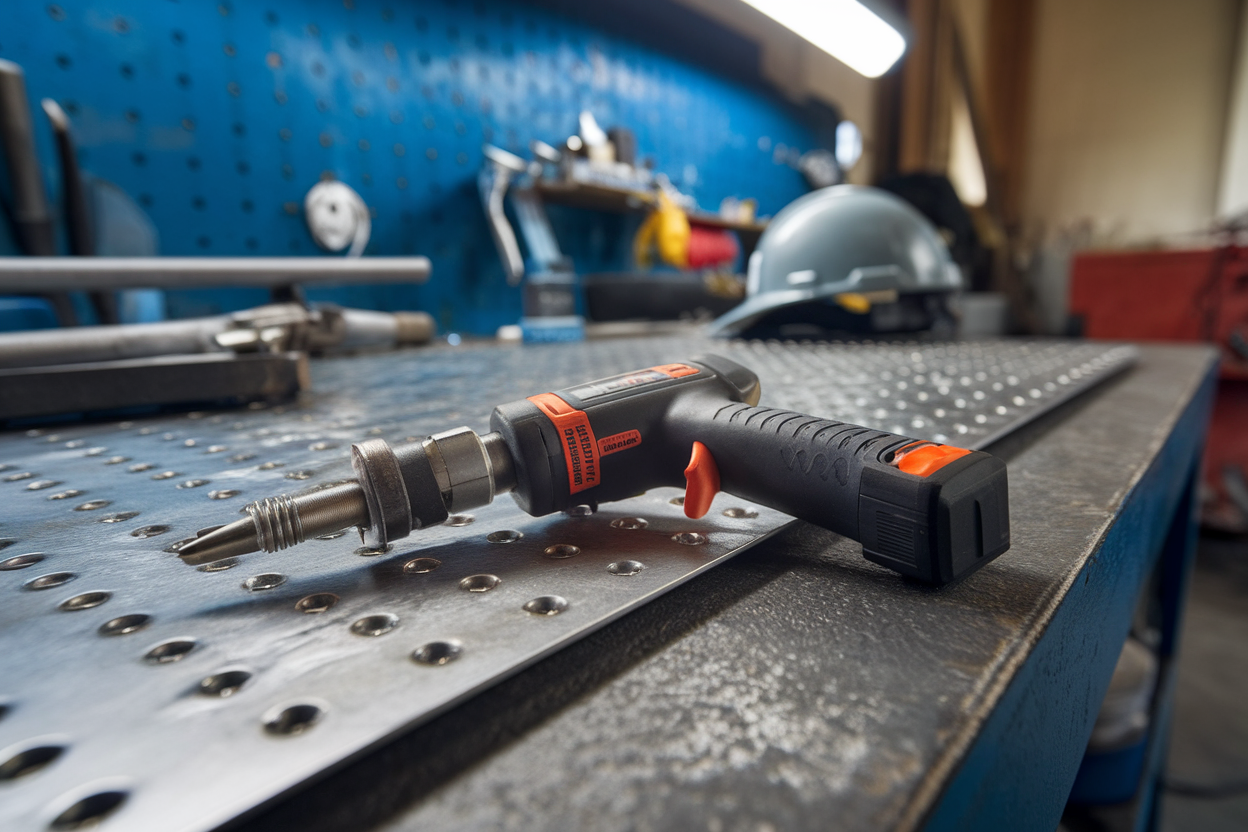
Real-world comparison from shop floors and customer feedback
The first time I tested a cordless and an air rivet gun back-to-back was in a European client’s workshop. The air riveter was unbelievably fast—rapid fire. The cordless gun felt calmer, quieter, and honestly more human.
Speed & Workflow
- Air riveters: fastest, perfect for thousands of rivets per hour
- Cordless: steady pace, comfortable for all-day use
Power Output
Air riveters are like workers who never get tired.
Cordless tools? Strong, reliable—but they pause for a “drink of water” when the battery runs out.
Work Environment
- If compressors are already running → pneumatic is natural
- If you work outdoors or move around → cordless wins instantly
| Feature | Cordless Rivet Gun | Air Rivet Gun |
|---|---|---|
| Mobility | High | Low |
| Setup | Simple | Requires compressor |
| Speed | Medium | Fast |
| Force | Medium–High | High |
| Noise | Lower | Higher |
| Best for | Small–medium jobs | Industrial volume |
Many of my buyers eventually keep both—but only bring the cordless one out to the job site. Why? Less hassle.
How does a battery rivet gun work?
When you open up a cordless rivet gun, the internal structure looks simple—but inside, there’s a lot of fine engineering that I’ve watched our workers adjust piece by piece.
A battery rivet gun uses a motor to drive a gear system that pulls the internal jaws backward, gripping the rivet mandrel. When the mandrel snaps, the tool ejects the waste mandrel automatically. The battery provides steady power without needing air pressure.
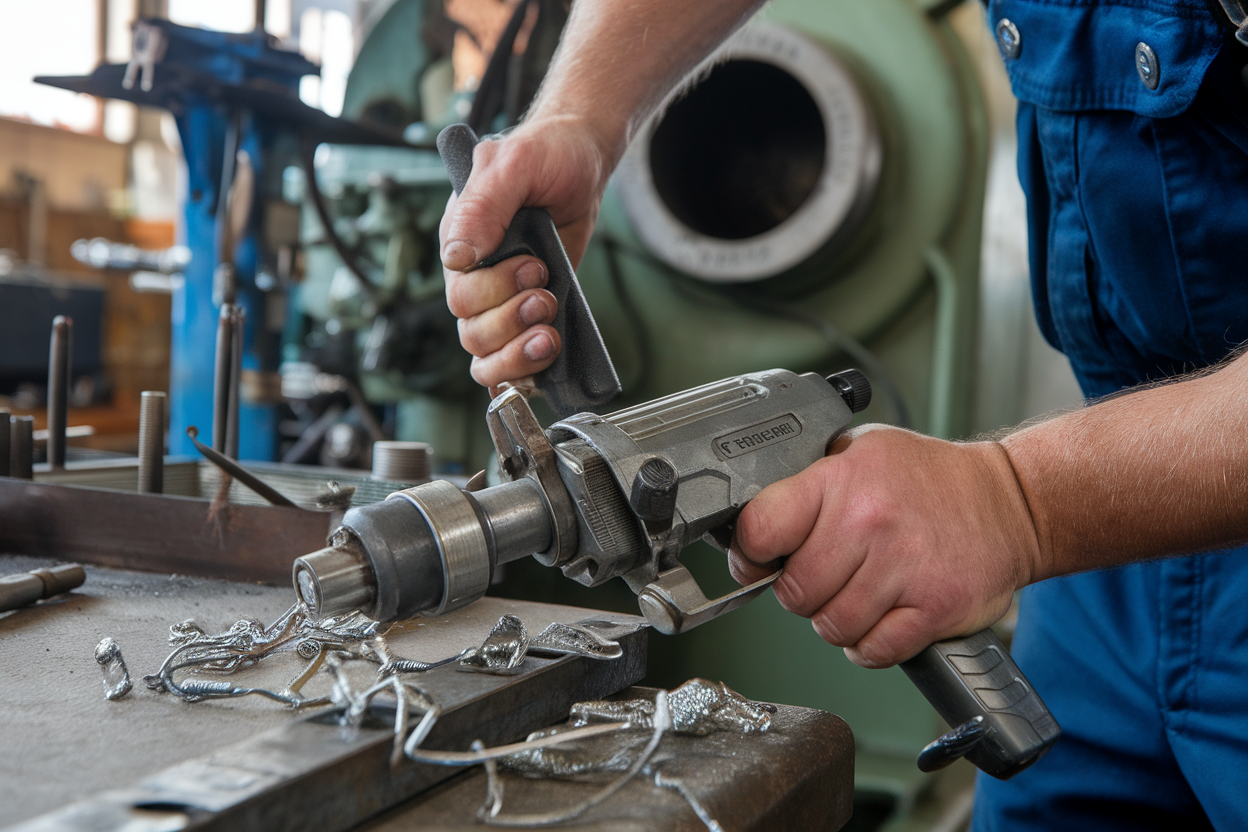
What happens inside when you pull the trigger
I remember standing in our YOUWE assembly room when our founder, Candy, handed me a half-assembled rivet gun. “Look,” she said, “it only needs three movements.” And she was right.
Step 1 — The motor wakes up
The moment you press the trigger, the motor receives current from the battery.
The sound is small, soft—like a quiet machine taking its first breath.
Step 2 — Gears multiply the force
The motor alone isn’t strong enough.
But the gearbox turns speed into pulling strength, powerful enough to snap steel mandrels.
Step 3 — The jaws grip and pull
Three jaws clamp down on the mandrel and pull backward.
This motion determines how clean and strong your rivet setting will be.
| Component | Function |
|---|---|
| Motor | Creates rotation |
| Gearbox | Converts rotation into pulling power |
| Jaws | Grip the mandrel |
| Battery | Powers the system |
| Eject chamber | Drops the broken mandrel |
Every time you hear that sharp “pop,” it’s more than a mandrel breaking—it’s the tool telling you, “That one’s done.”
Conclusion
Cordless rivet guns are absolutely worth considering. As long as you choose a model that matches your workload, they offer a quieter, easier, and more flexible way to rivet—especially for people who move between job sites or hate dragging hoses across the floor.