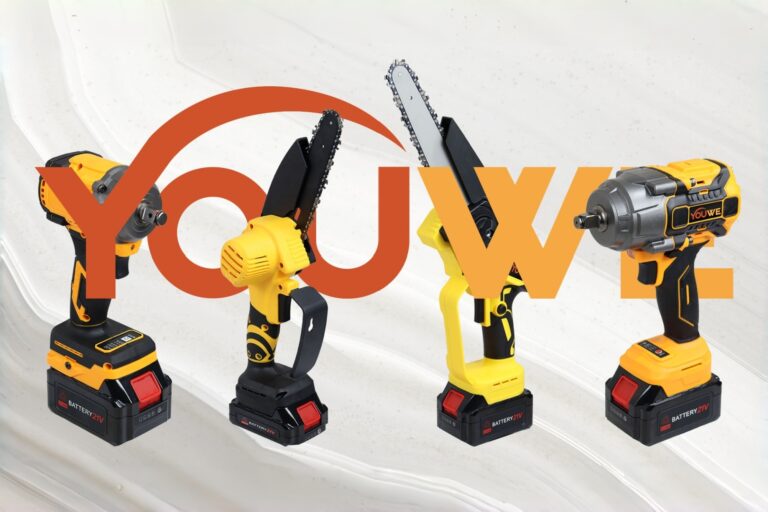

Choosing the right tool can feel like deciding between coffee or tea in the morning—it depends on your job, your pace, and sometimes just what feels right in your hands. I often get asked if a cordless ratchet beats a cordless impact wrench, and here’s my take.
A cordless ratchet offers precision, compact size, and quiet operation, while a cordless impact wrench delivers higher torque for heavy bolts. The choice depends on task type, working space, and efficiency needs. Automotive and mechanical work often benefit from using both tools selectively.
I’ve spent years testing both types of tools in workshops and on automotive projects. Sometimes I need the brute force of an impact wrench, and other times I crave the finesse of a ratchet that fits tight spaces. Understanding each tool’s strengths helps me—and my clients—work smarter, not harder, and avoid wasting time or energy.
What are the benefits of a cordless ratchet?
Cordless ratchets shine when space is tight, and precision matters. They’re small, lightweight, and easy to control, letting you tighten or loosen bolts in hard-to-reach spots without disturbing surrounding parts.
Cordless ratchets are compact, quiet, and easy to maneuver. They reduce operator fatigue, reach confined areas, and allow precise torque control. Battery-powered models offer portability without the need for hoses or compressors. They are ideal for automotive assembly, maintenance, and detailed mechanical tasks.

I remember working on a client’s engine bay where every inch mattered. A standard impact wrench couldn’t fit without removing panels, but my cordless ratchet slid right in. That’s the magic of small, ergonomic tools.
Cordless ratchets are battery-powered, meaning no air lines, no tangled cords, just grab-and-go freedom. Many models now come with adjustable torque settings, letting you avoid over-tightening sensitive components. For example, in automotive repairs, you can quickly swap spark plugs or bolts without worrying about damaging threads.
| Feature | Benefit |
|---|---|
| Compact design | Access tight spaces |
| Adjustable torque | Prevent overtightening |
| Lightweight | Reduce hand fatigue |
| Battery powered | Portability, no hoses |
Besides mechanics, these ratchets are handy in assembly lines or home projects where control and comfort matter more than sheer force. When I first switched from pneumatic tools to cordless ratchets, I noticed how much faster I could move from one task to the next without dragging compressors around. For me, it’s about efficiency and ease—learn more about cordless ratchets.
Is an impact ratchet good for automotive work?
Impact ratchets provide strong rotational force, making them useful for stubborn or high-torque bolts. They’re less about finesse and more about speed and power in automotive applications.
Impact ratchets deliver high torque with minimal effort, ideal for loosening tight bolts on cars and machinery. Their hammering action reduces hand strain. They excel in heavy-duty automotive repairs, suspension work, and industrial applications where conventional ratchets struggle.
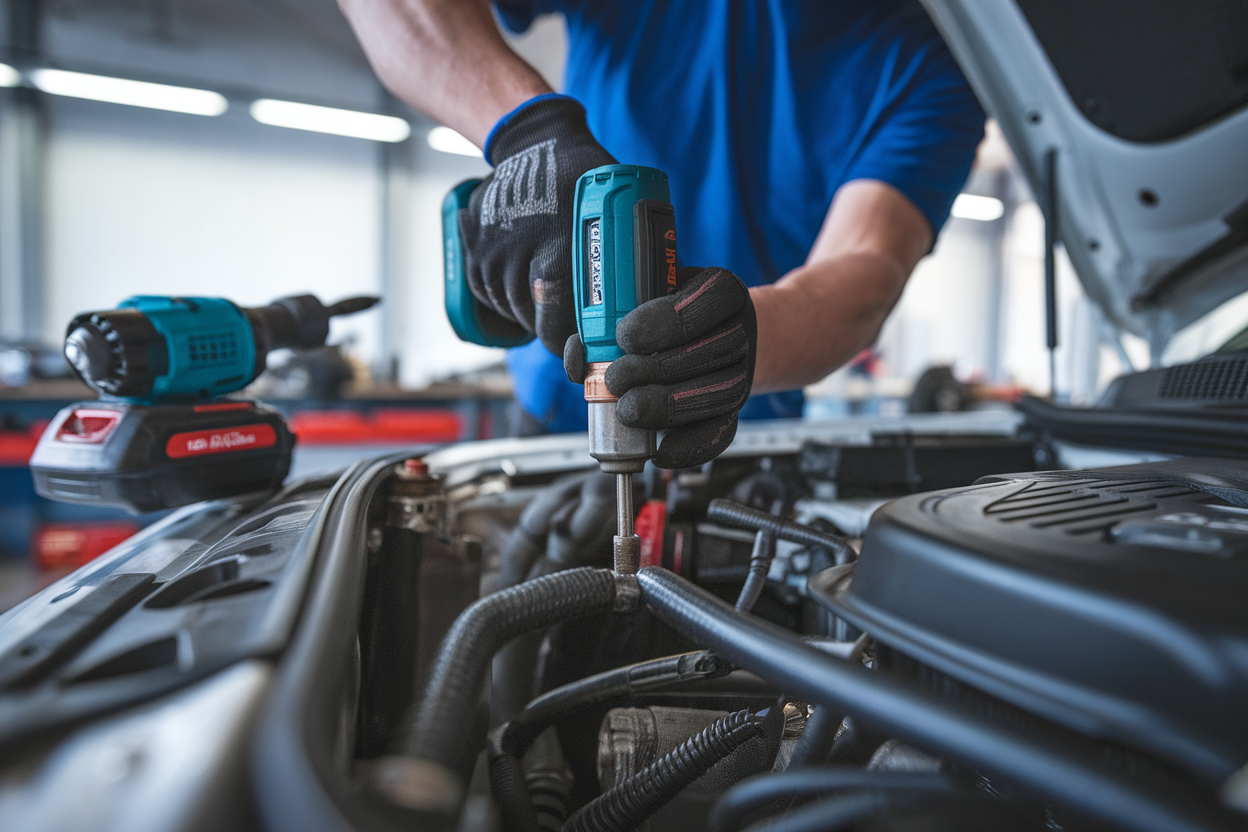
When you’re under a car or dealing with corroded bolts, an impact ratchet is a lifesaver. It uses short bursts of torque to break free fasteners without requiring constant wrist rotation. In practice, I’ve used it on wheel lug nuts, engine mounts, and suspension brackets, and it saved me at least 30 minutes per job compared to manual ratchets.
However, impact ratchets aren’t perfect. They’re louder and bulkier than cordless ratchets, which can be an issue in confined engine bays. Also, overuse on delicate parts risks stripping threads. That’s why I often pair them with torque-limiting extensions or switch to a cordless ratchet for precision work.
| Tool | Best Use |
|---|---|
| Impact Ratchet | Heavy bolts, automotive repair, industrial machinery |
| Cordless Ratchet | Tight spaces, delicate components, precision work |
For professionals sourcing tools, like myself, finding the right balance of torque and control is key. I always check battery life, ergonomics, and build quality before recommending a model to clients—discover impact ratchets.
Why would a technician choose a cordless ratchet over a pneumatic one?
Cordless ratchets eliminate hoses and compressors, making them easier to carry and use anywhere. Technicians choose them for portability, speed, and less clutter in workshops or job sites.
Technicians favor cordless ratchets for mobility, simplified setup, and consistent performance. Without compressors or air lines, they work faster in multiple locations. Cordless tools reduce workspace clutter and increase productivity, especially for small workshops or mobile service providers.

When I first switched to cordless ratchets from pneumatic ones, it felt like cutting the strings off a puppet. No hoses, no heavy compressors, just the tool in my hand. For technicians working across multiple sites or in cramped garages, this freedom is invaluable.
Cordless ratchets are also easier to maintain. You don’t need to worry about air compressor oil or leaks. Battery management becomes the main focus. Modern lithium-ion packs provide long runtimes, and swapping batteries is simple. In fact, I often carry a spare battery to avoid downtime during busy repair days.
| Comparison | Cordless Ratchet | Pneumatic Ratchet |
|---|---|---|
| Mobility | High | Limited by hoses |
| Setup | Minimal | Requires compressor |
| Maintenance | Battery care | Compressor & hoses |
| Noise | Low | Higher |
This portability translates directly into efficiency and cost savings for workshop owners or buyers sourcing tools in bulk. Choosing cordless means fewer setup delays, less physical strain, and quicker turnaround on tasks—explore cordless ratchet options.
Conclusion
Cordless ratchets and impact wrenches each have clear roles. Ratchets excel in precision and tight spaces, while impact tools handle heavy bolts. Understanding your work and environment helps decide which to use, or when both together make the job smoother and faster.