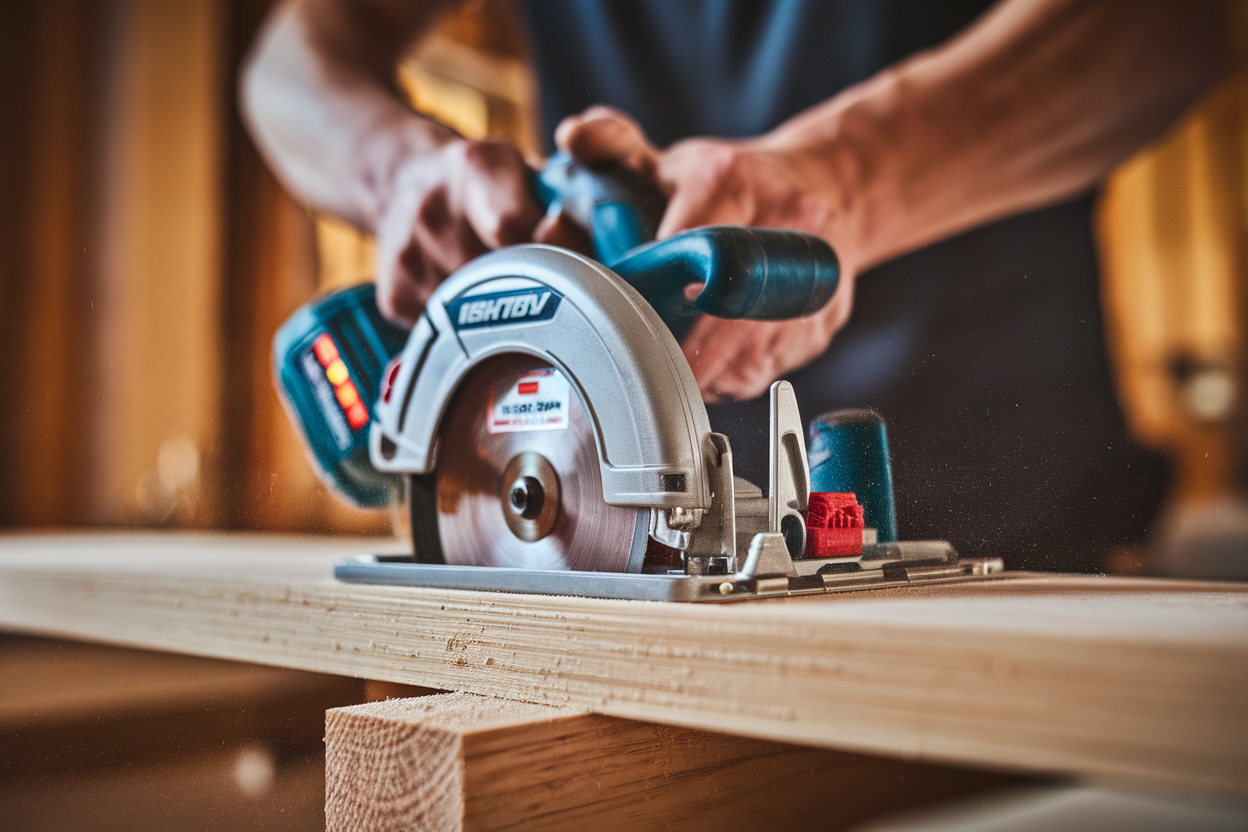
If you've ever struggled with your 18V circular saw1, you're not alone. These tools are handy, but they sometimes throw little surprises our way. I want to share the common issues I’ve seen and how I usually approach them, so you can avoid headaches and keep cutting smoothly.
Common problems with 18V circular saws include insufficient power for thick material, battery drain, motor overheating, blade binding, and unexpected stops. Regular maintenance, proper battery handling, and matching the saw to the material can reduce these issues and extend the tool’s life.
I remember the first time my circular saw kept stopping mid-cut—I thought it was broken. After some digging, I realized it was a mix of battery management2 and cutting technique3. Understanding these issues can save you a lot of frustration. Let’s break down the most common questions about 18V circular saws and see what I’ve learned from my own hands-on experience.
Is 18V enough for a circular saw?
Many buyers ask if 18V provides enough power for daily cutting. I often get this question from customers sourcing tools for their workshops. The answer depends on the material, blade type, and how frequently you use the saw.
An 18V circular saw works well for light-to-medium tasks like cutting plywood, softwood, or thin boards. For harder woods or thick timber, higher voltage or corded models deliver better performance. Using sharp blades and fully charged batteries maximizes efficiency and reduces strain on the motor.
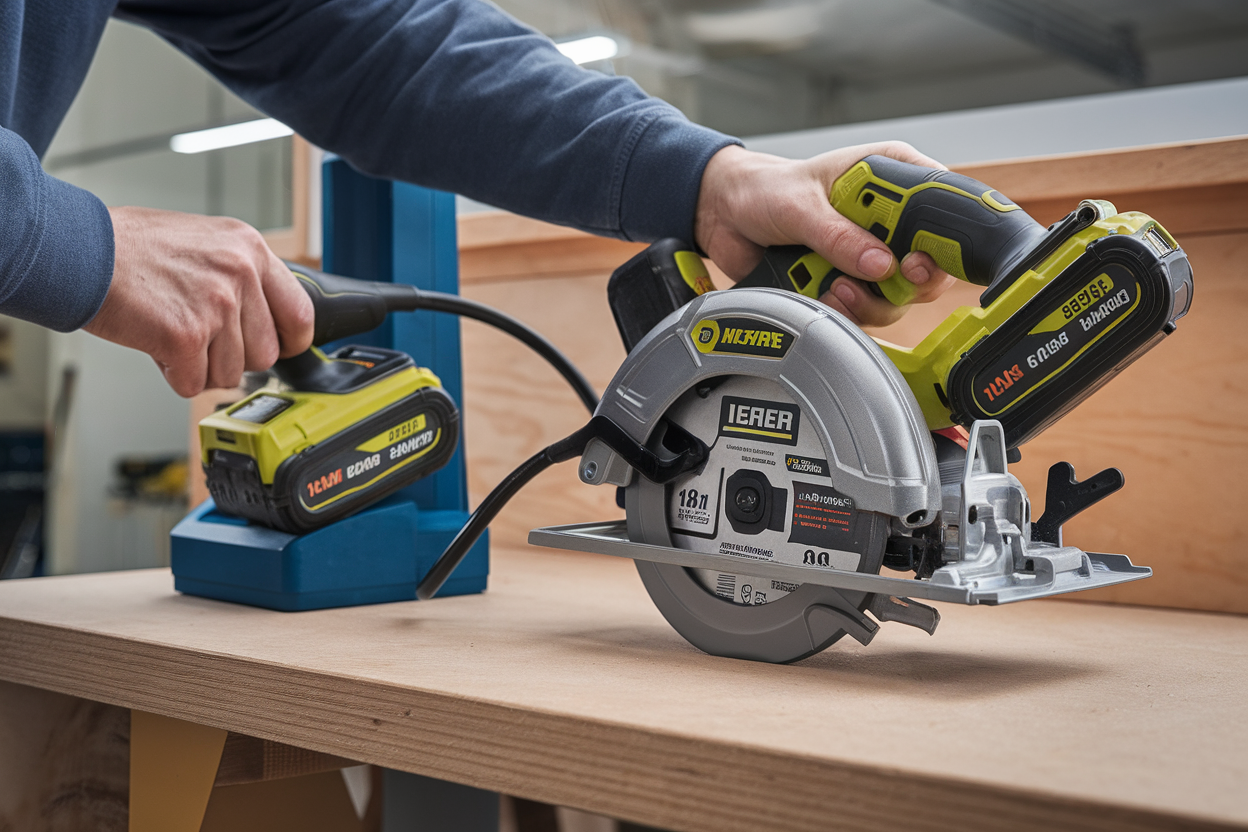
When I first started sourcing 18V circular saws for my clients, I noticed confusion over whether these tools could handle heavier jobs. Here’s what I’ve observed:
Material Matters
Softwoods, laminates, and thinner panels are perfectly manageable with an 18V saw. For dense hardwoods like oak or thick beams over 2 inches, the saw may slow down, and the battery drains faster. That’s a key point to explain to buyers in Europe—they want efficiency but often misjudge the voltage needs.
Battery Strategy
I always recommend using two batteries: while one runs, the other charges. It avoids mid-project stops and reduces motor strain. Lithium-ion batteries perform best when kept between 20%-80% charge, so I teach clients simple charging habits that prolong life.
Blade Condition
A dull blade will make even an 18V saw struggle. I’ve learned that investing in quality, sharp blades tailored to specific materials reduces motor load. A table for reference:
| Material | Recommended Blade Teeth | Notes |
|---|---|---|
| Softwood | 24–40 | Fast cuts, smooth finish |
| Plywood | 40–60 | Fewer splinters |
| Hardwood | 60+ | Avoid overheating, slow cutting |
Understanding these factors helps me advise buyers to match tool, battery, and blade to the job. I’ve also found that clear instructions and simple tips prevent unnecessary returns or complaints.
Why does my cordless circular saw keep stopping?
Frequent stops are frustrating, and I’ve seen many buyers panic, thinking their saw is defective. Usually, the issue is simple and fixable, related to power delivery, blade tension, or safety mechanisms.
Cordless saws stop due to low battery, motor overheating, clogged vents, or safety features like overload protection. Inspect batteries, clean dust, avoid prolonged heavy cuts, and ensure the blade spins freely to minimize interruptions.
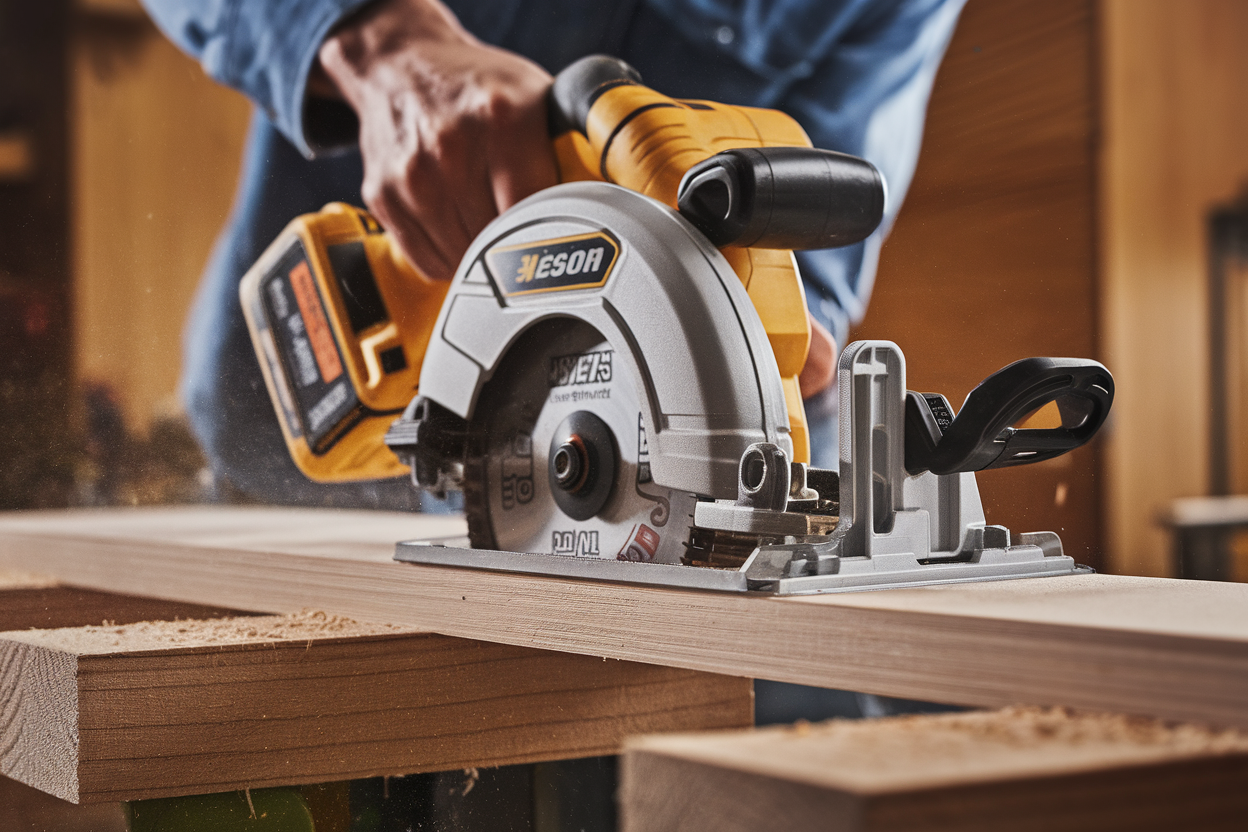
From my experience, most saws that stop unexpectedly are not broken—they’re trying to protect themselves. Here’s the breakdown:
Battery Issues
A common cause is the battery hitting low voltage. Even if it shows partially charged, heavy cuts can drain it quickly. I’ve advised clients to test with a fully charged spare battery.
Overheating
Cordless motors have built-in sensors. If the tool feels hot or stops mid-cut, it’s usually overheating. I often tell buyers to take short breaks between cuts and keep airflow clear. Cleaning sawdust from vents every week helps immensely.
Blade Problems
Binding or friction can trigger the motor to stop. A misaligned blade or dull teeth increase resistance. I always keep a spare blade ready and teach buyers to check the blade position before starting.
Safety Features
Modern 18V saws include overload protection4. It stops the motor to prevent damage. Understanding this helps buyers feel in control and reduces unnecessary returns. I even provide a quick reference guide to troubleshoot stopping issues effectively.
What is the life expectancy of a circular saw?
I often get asked how long a circular saw lasts. The truth is, lifespan varies with usage, maintenance, and build quality. Sharing real numbers helps buyers plan purchases and budgets.
A well-maintained 18V circular saw can last 3–5 years with regular home or light professional use. Heavy daily use or poor battery care shortens life. Proper blade selection, cleaning, and storage extend tool longevity.
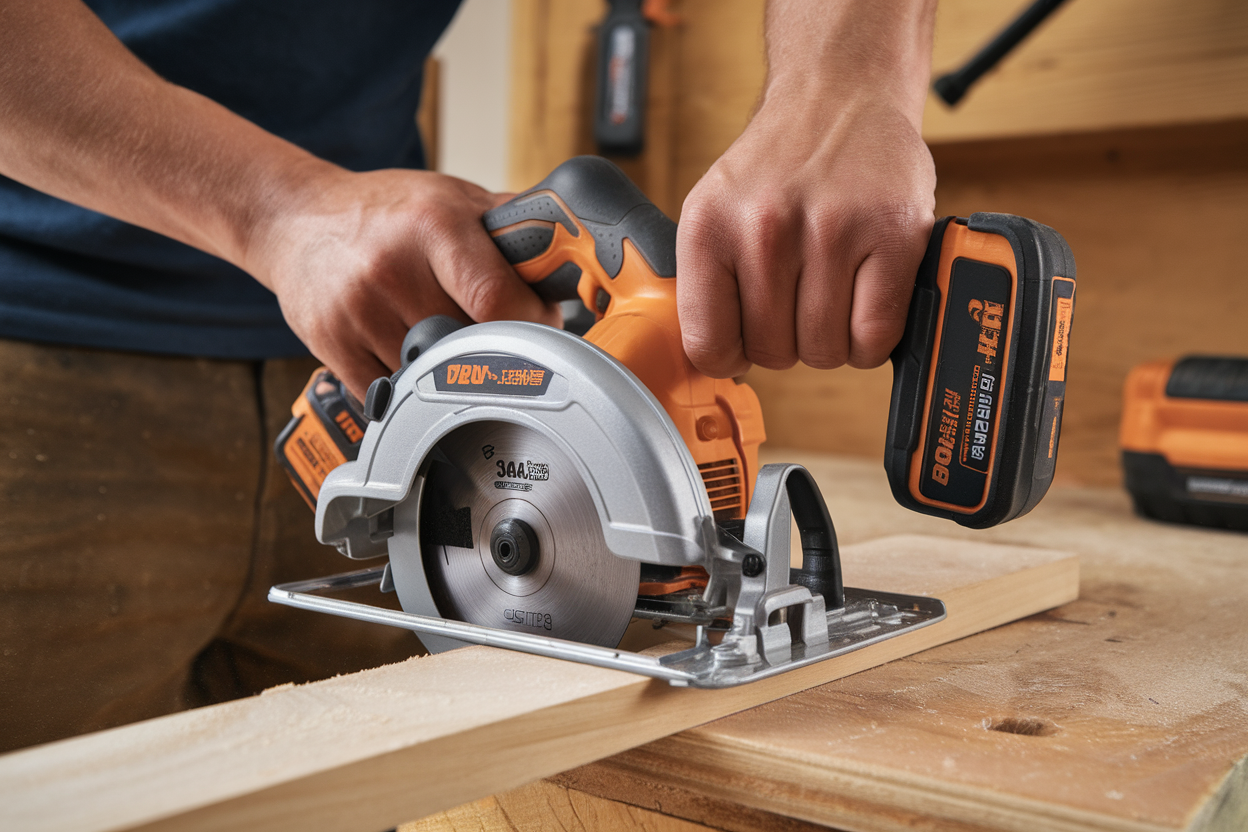
Circular saw longevity is a mix of how you treat it and how often it works. Here’s what I’ve learned from selling and testing tools:
Usage Patterns
For home projects, an 18V saw may last five years or more. Professional shops using it multiple hours daily see wear faster. I usually advise sourcing two saws if daily heavy cuts are expected—one always serves as backup.
Maintenance Routine
Cleaning dust, lubricating the arbor, and checking blade alignment are small tasks that add years to a saw. I personally log maintenance dates for all tools in our warehouse to track wear and battery performance.
Battery Care
Lithium-ion batteries degrade faster than the saw itself. Replacing them at the right time is crucial. I recommend keeping old batteries for light cutting tasks, while fresh ones handle heavy work. A simple table I share with buyers:
| Battery Type | Typical Life | Tips |
|---|---|---|
| 2.0 Ah 18V | 2–3 years | Avoid full discharge |
| 4.0 Ah 18V | 3–4 years | Rotate between tools |
| 5.0 Ah 18V | 4–5 years | Store in cool place |
Investing time in these habits means fewer frustrations and more predictable project outcomes. Buyers appreciate seeing real-world expectations instead of marketing hype.
Conclusion
Understanding common 18V circular saw issues saves time, frustration, and money. Power, battery, blade, and maintenance are key. With simple habits and realistic expectations, I’ve seen these tools perform reliably for years—making them a solid choice for workshops and home projects alike.
-
Explore the advantages of 18V circular saws to understand their suitability for various cutting tasks. ↩
-
Learn essential battery management techniques to enhance the performance and lifespan of your tools. ↩
-
Explore how proper cutting techniques can improve the efficiency and effectiveness of your circular saw. ↩
-
Understand the importance of overload protection features in power tools to prevent damage. ↩