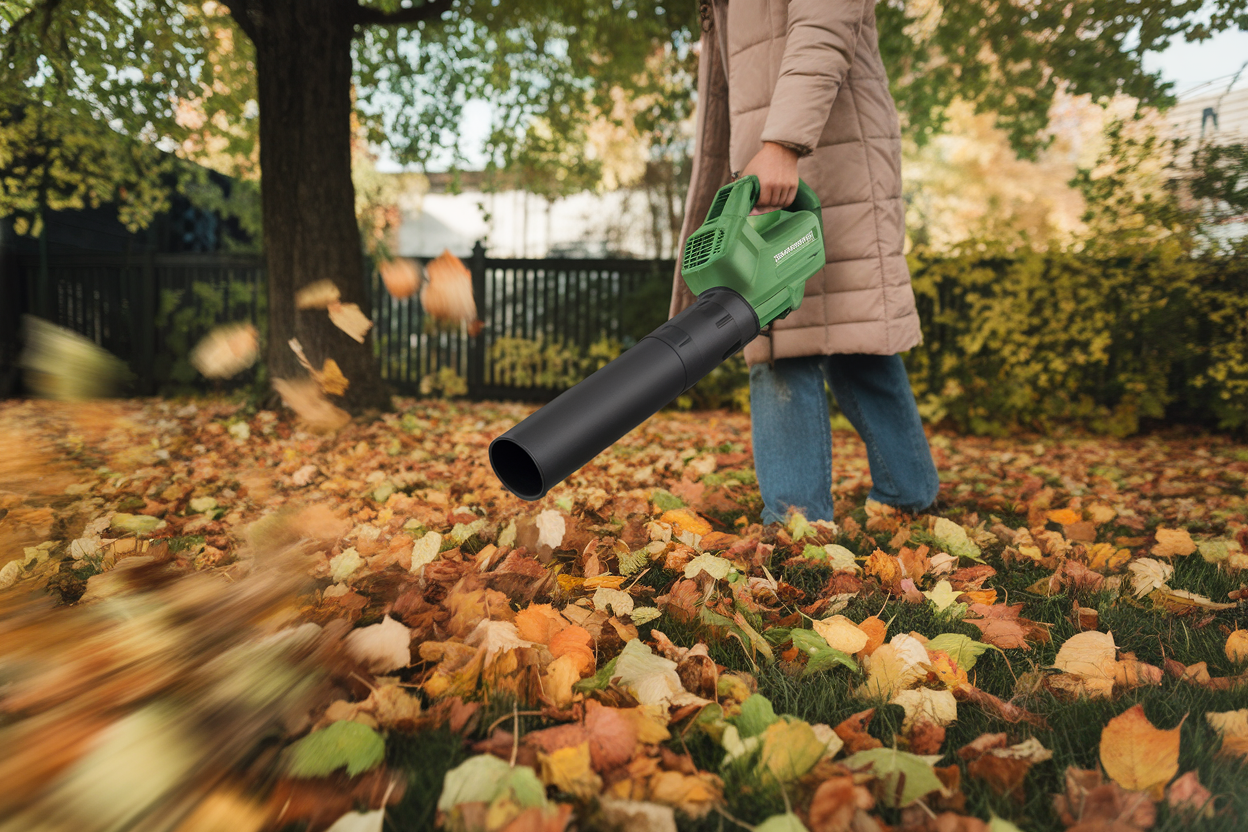
When I bought my first cordless leaf blower, I was overwhelmed by specs, volts, and model names that all sounded the same. If you’ve ever been there, this one’s for you — let’s talk about what really matters when choosing a cordless leaf blower.
When buying a cordless leaf blower, focus on battery voltage (power), airspeed (MPH), air volume (CFM), weight, and runtime. Higher volts usually mean stronger blowing force, while balance, comfort, and battery compatibility also affect real-world performance.
Before we dive into volts and batteries, let’s clear one thing up: no single model fits everyone. What you need depends on your yard size, the type of debris, and how often you use it. So, instead of chasing specs, let’s break down what each feature actually means for you.
What is the difference between 20V and 40V leaf blower?
Choosing between 20V and 40V sounds simple — until you realize both can look identical on the shelf. Let’s make sense of it.
The difference between 20V and 40V leaf blowers is the battery voltage. A 40V blower delivers more power, suitable for large yards and heavy leaves, while a 20V model is lighter and ideal for small areas or light cleaning.
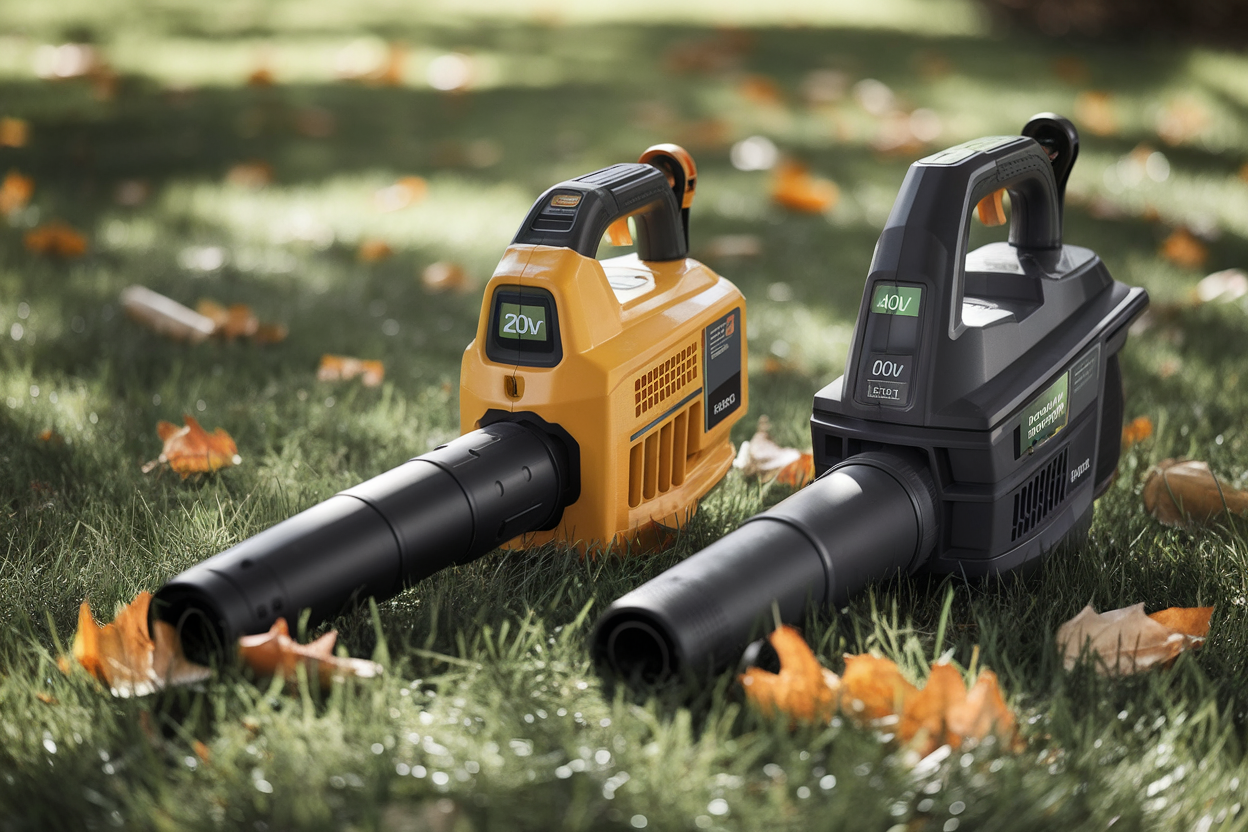
If you’ve ever compared the hum of a 20V to the roar of a 40V, you know they’re built for different worlds.
A 20V leaf blower1 is perfect for patios, driveways, and light leaf dusting — think daily cleanup jobs. It’s lighter, easier to control, and recharges quickly.
Meanwhile, a 40V blower steps into the big leagues: wet leaves, pine needles, and long autumn cleanups. It’s heavier but offers more runtime2 and torque.
| Feature | 20V Leaf Blower | 40V Leaf Blower |
|---|---|---|
| Power Output | Light-duty | Medium to heavy-duty |
| Weight | Lightweight | Heavier |
| Runtime | Shorter | Longer |
| Ideal For | Small yards | Large yards |
Sometimes, I use my 20V for quick cleanups around the porch, but when fall hits, that 40V feels like a storm in my hands — powerful enough to clear a driveway in minutes. It’s not about “better or worse”; it’s about matching the tool to your rhythm.
Is a 40 volt battery better than a 20 volt battery?
Here’s the question I get most often from customers — and honestly, it depends on how you define better.
A 40V battery provides more voltage and power, giving longer runtime and stronger airflow than a 20V battery. However, 20V batteries are lighter, cheaper, and recharge faster, making them more practical for quick, everyday tasks.
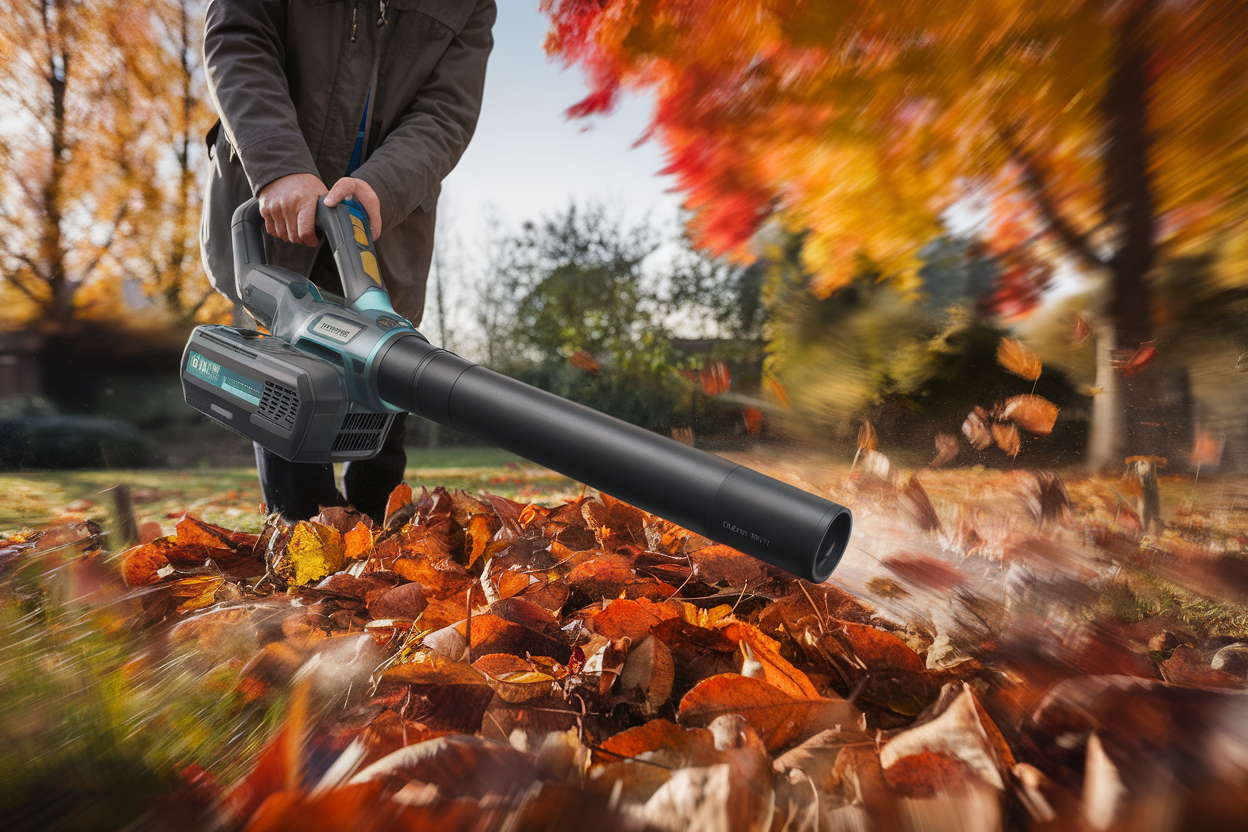
The truth? “Better” is all about balance.
Sure, 40V batteries pack a punch. They deliver more energy per charge, meaning your blower won’t fade halfway through the job. But they’re also heavier, pricier, and take longer to charge.
A 20V battery, on the other hand, feels nimble — lighter on your arm and wallet. For small yards, it’s more than enough. If you’re managing a larger property or run a landscaping business, the 40V’s extra stamina pays off.
I’ve learned the hard way that raw power isn’t everything. After 30 minutes of holding a heavy blower, your wrist will tell you what “better” really means. Choose what makes your work feel effortless, not just powerful.
Can you replace a 20V battery with 40V?
Now, this one trips up a lot of buyers — and I totally get why. Both batteries might look the same, but the story under the hood is different.
No, you can’t replace a 20V battery with a 40V battery. Each blower is designed for its specific voltage system. Using the wrong battery can damage the motor or void the warranty.
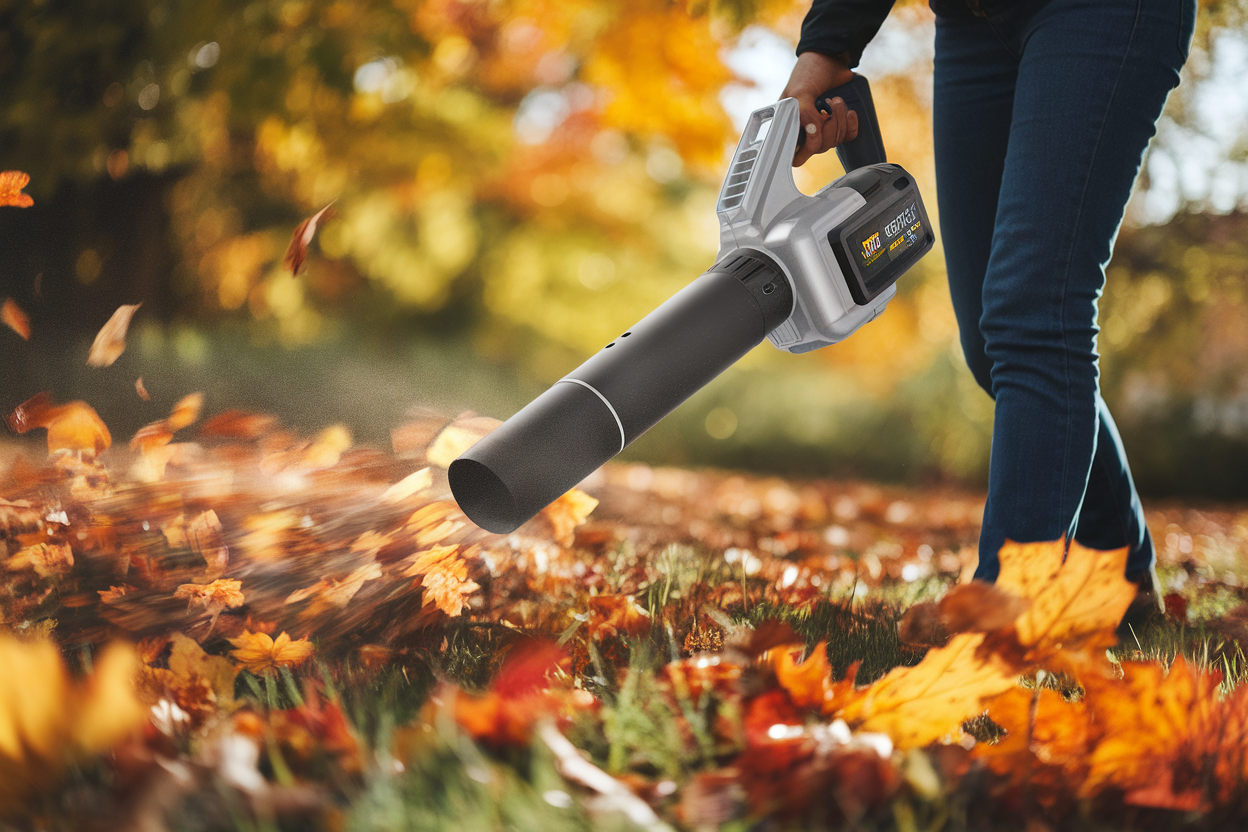
I once had a customer try this — he thought the 40V would “supercharge” his 20V blower. Instead, it fried the circuit in seconds. Painful lesson learned.
Each tool’s motor is built for a precise voltage. Plugging in a higher one is like overfeeding an engine — it burns out faster. Manufacturers design batteries and chargers as a closed system3 for safety and performance.
If you’re planning to upgrade, it’s smarter to invest in a full 40V platform — blower, charger, and battery included. That way, you get consistency and compatibility. Plus, many brands now offer multi-tool kits where the same 40V battery works with trimmers, saws, and even lawnmowers — an efficient way to grow your toolkit.
Conclusion
When buying a cordless leaf blower, think less about “more volts” and more about “what fits my life.” Power means nothing if it tires you out halfway. Choose wisely, work comfortably — and let your blower do the talking.
YOUWE – Power Tools Manufacturer
www.youwesaw.com